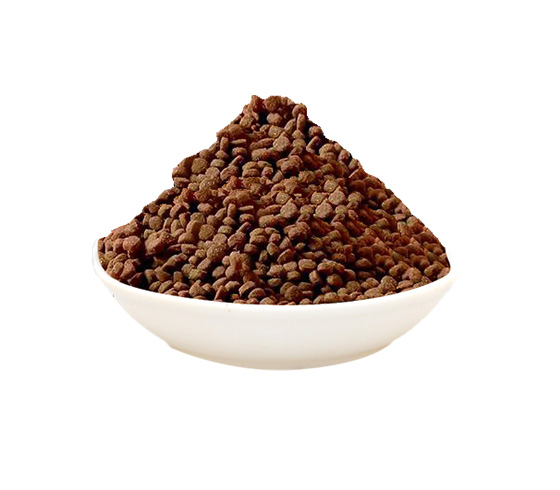
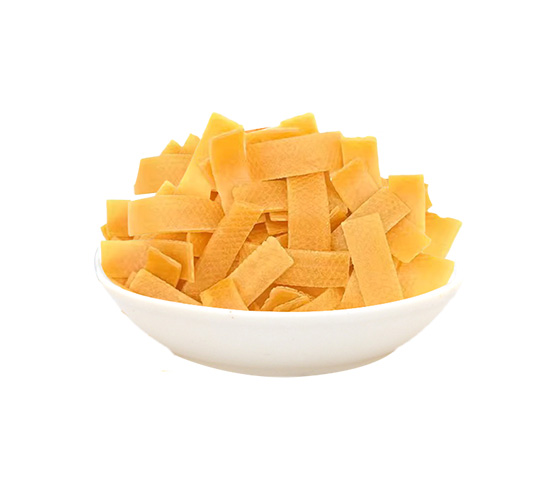
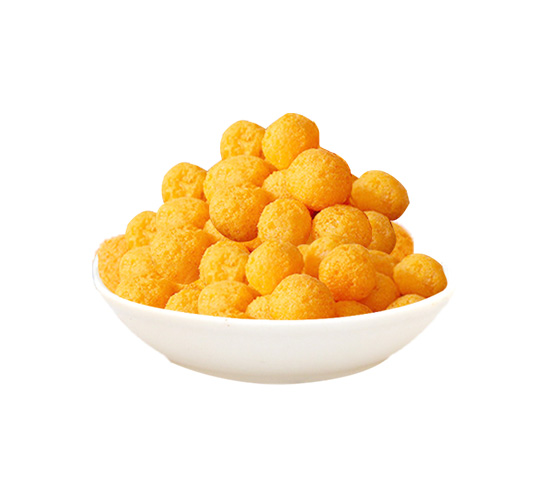
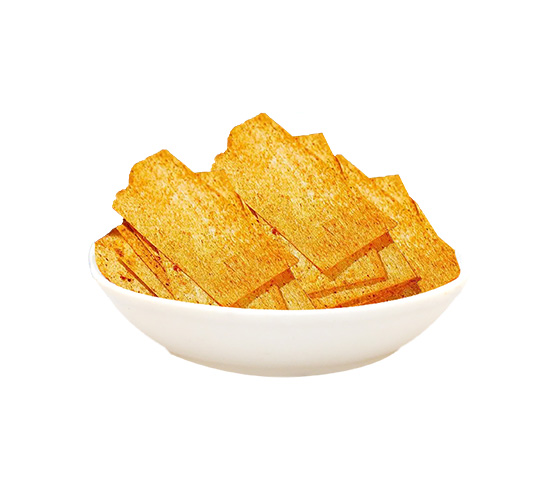
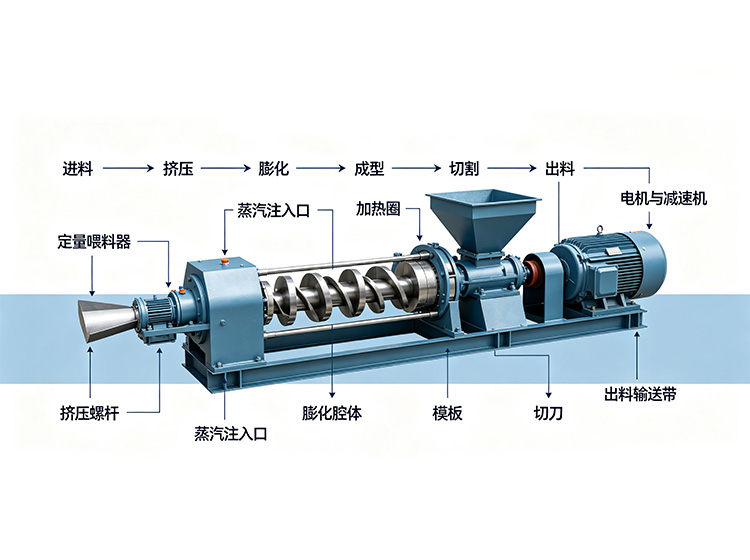
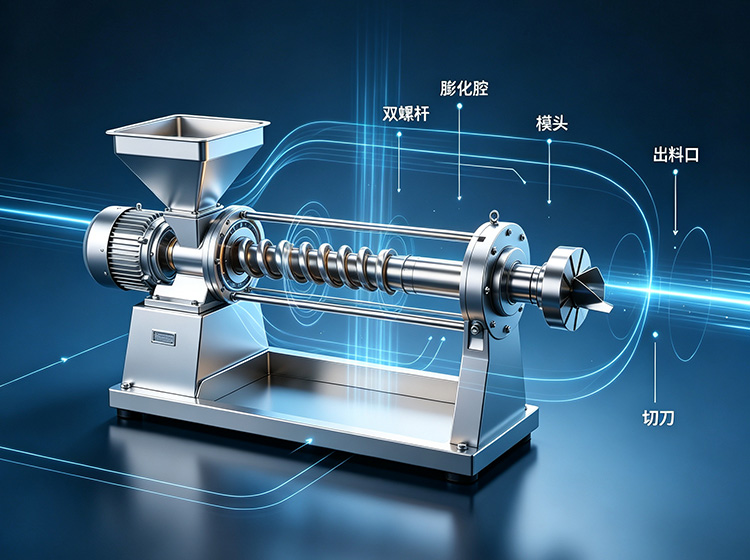
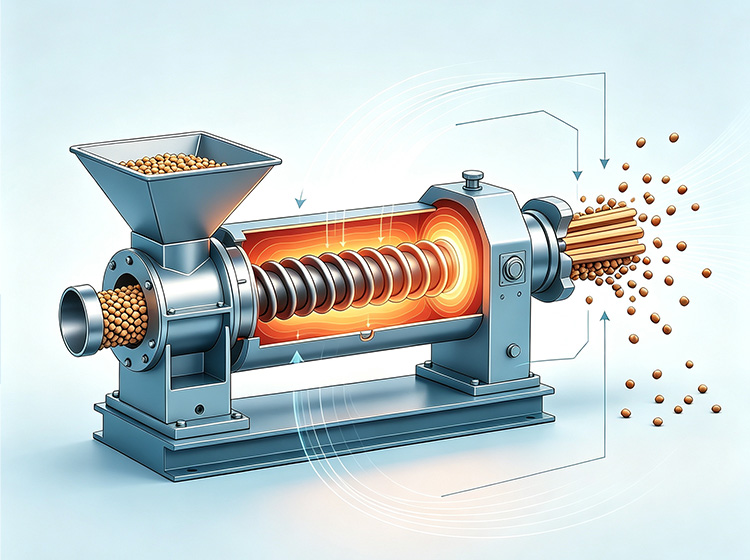
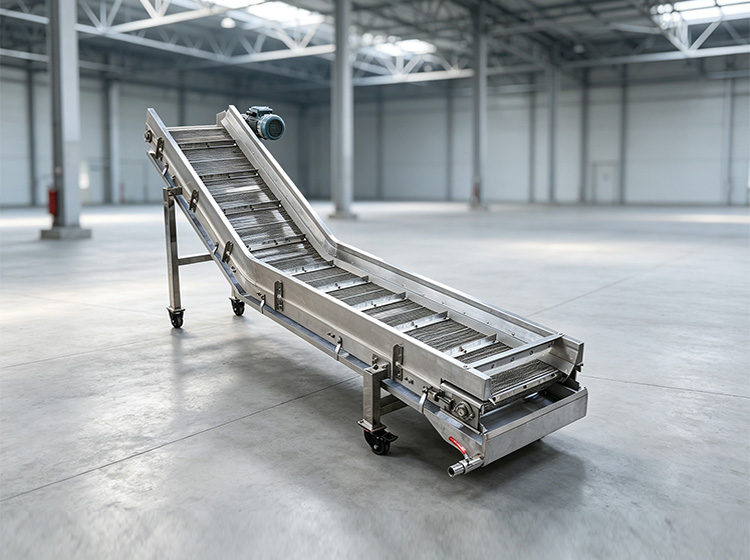
The application and history of food forming machines involve process, selection, or operational management issues related to food processing and production equipment.The actual solution should be confirmed based on raw material characteristics, target product specifications, production scale, and on-site conditions, and should not be determined solely by single equipment parameters.
Key Points on the Applications and History of Food Forming Machines
Subject: Applications and History of Food Forming Machines;What is a forming machine?: The molding machine is a device specifically designed for processing specific shapes on horizontal, vertical, and planar surfaces.Molding knives are used for cutting curves, various angles, and other complex shapes.The disc is responsible for driving the tool to rotate, thereby achieving reciprocating motion.Cutting tools shape hard surfaces such as metal or wood by removing excess material.The forming machine operates on a reciprocating mechanical principle: the workpiece is fixed on the machine tool's worktable, and the cutting tool is positioned above the workpiece.The reciprocating motion of the cutting tool on the workpiece forms the forward and return strokes.The forward stroke performs the cutting action, while the return stroke resets the tool without cutting.The molding machine can be classified according to its motion type, slide stroke, worktable design, and cutting stroke type.
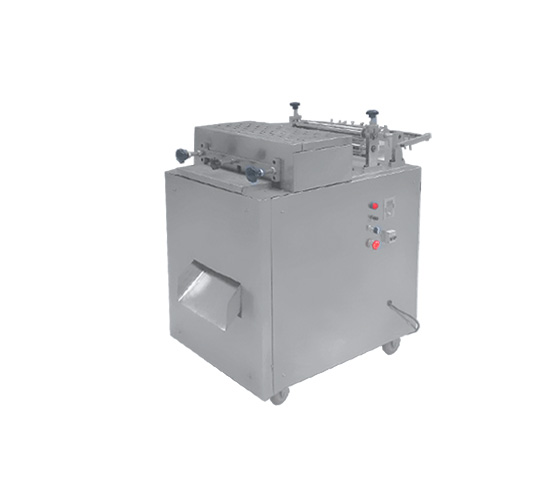
Subject: Applications and History of Food Forming Machines;History of Forming Machines: Samuel Bentham built a forming machine between 1791 and 1793.[2] However, Roe (1916) credited James Nasmyth with the invention of the molding machine, stating that he developed the equipment in 1836.[3] From the mid-19th century to the mid-20th century, molding machines were extremely common in mechanical manufacturing.In modern industrial practice, forming machines have largely been replaced by other machine tools, particularly CNC machine tools, including milling machines, grinding machines, and slotting machines.Nevertheless, the basic functions of the forming machine remain reliable;Its tooling is simple and inexpensive to replicate, and its structure is simple and efficient, making maintenance and upkeep highly convenient.Therefore, they remain highly popular in many machining workshops—from single-piece and small-batch production shops and maintenance shops to tool and die shops—particularly when only one or a few parts need to be produced and other alternatives are too costly or rely on dedicated tooling.Furthermore, for many seasoned mechanical engineers, forming machines hold significant nostalgic value; they are eager to purchase second-hand forming machines and sometimes even assemble one from scratch.On this basis, food forming machines have emerged and are now an indispensable part of food processing.
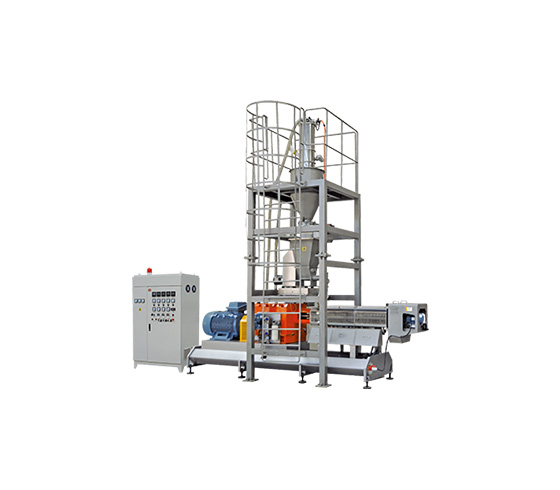
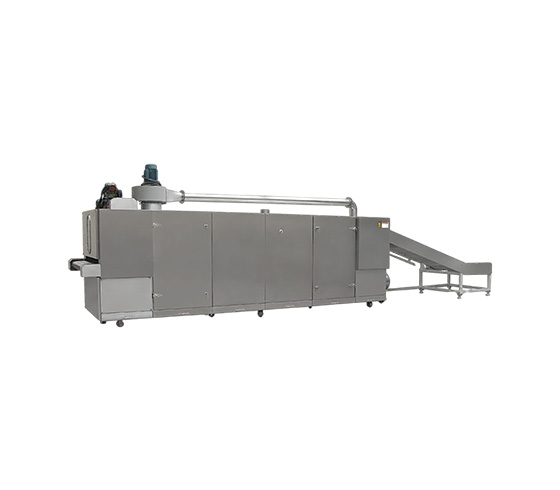
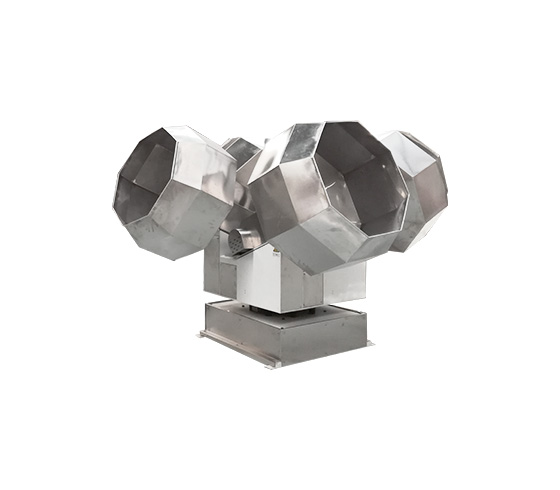
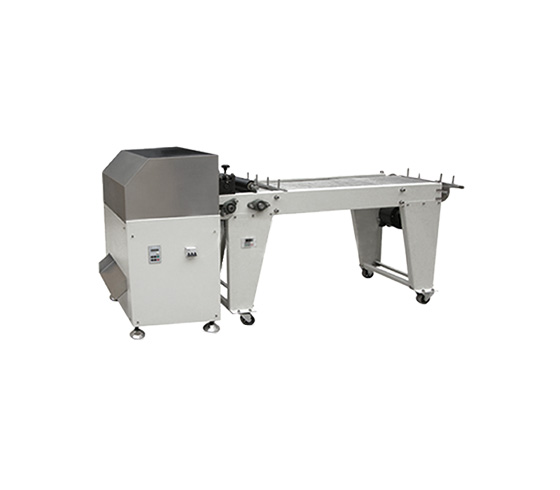
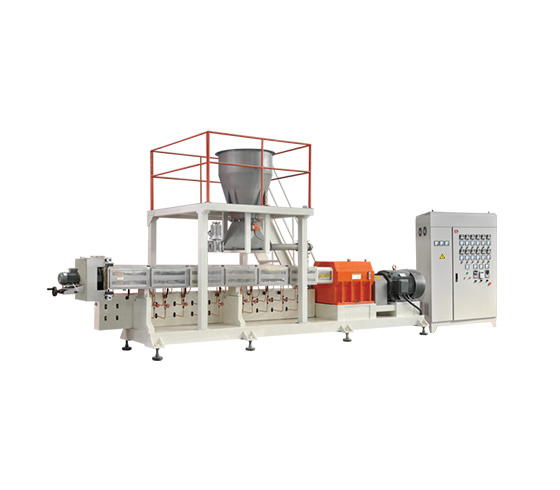
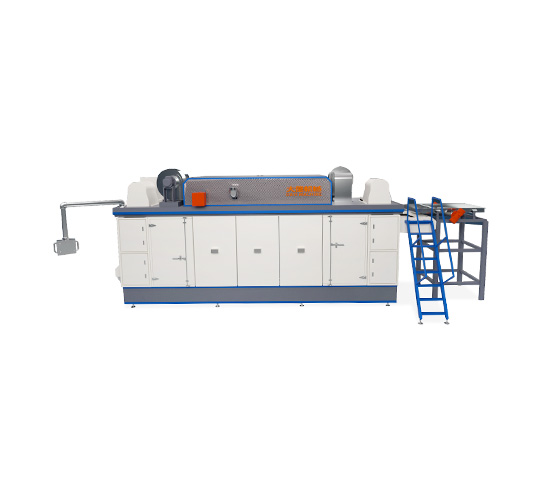
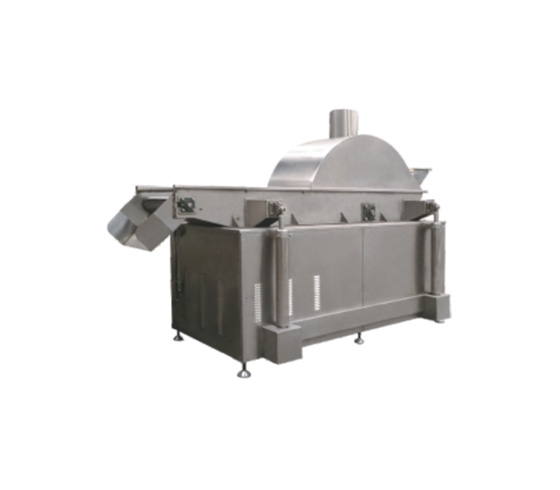
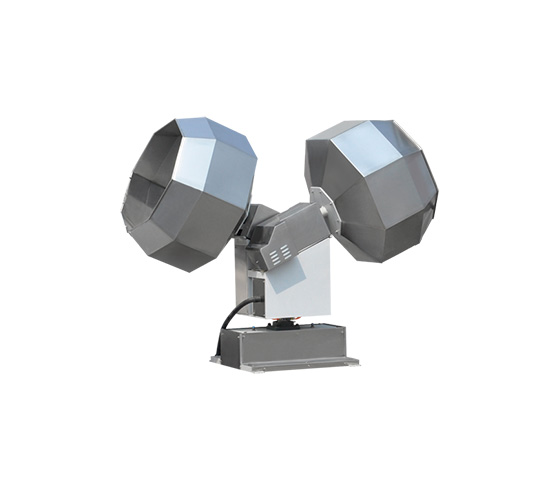
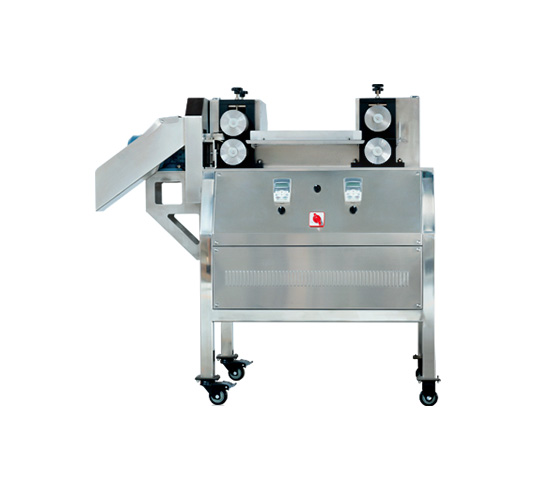
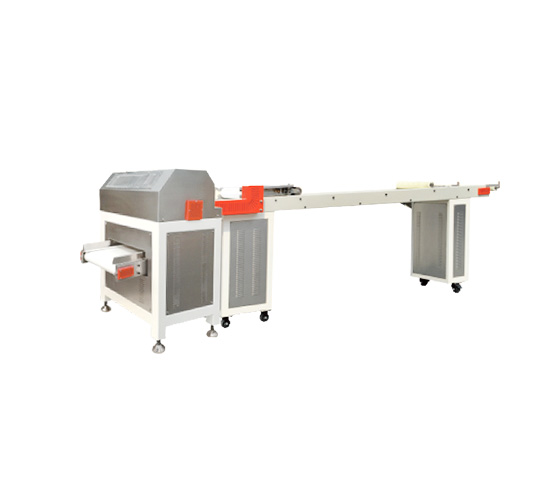
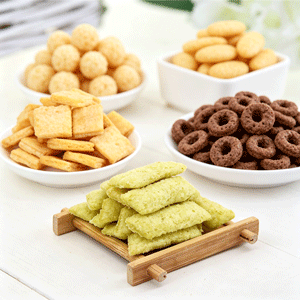
Subject: Applications and History of Food Forming Machines;What is the working principle of a food forming machine?: Classified by motion type, food forming machines can be divided into crank-type, gear-type, and hydraulic-type.Based on the direction of the slide stroke, food forming machines can be classified into horizontal and vertical types.Based on the design of the worktable, food forming machines can be classified into standard and universal types.Based on the type of cutting stroke, food forming machines can be classified into push-cutting and pull-cutting types.Dayi Machinery & Tools is one of China's most renowned industrial machinery manufacturers.The company produces high-quality fryers, food forming machines, dryers, extrusion puffing machines, seasoning machines, and packaging equipment.
What conditions should be considered during implementation or selection?
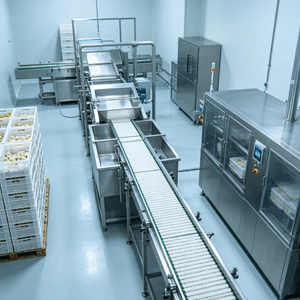
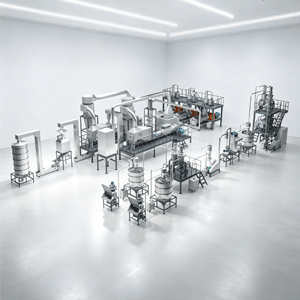
First, it is essential to clarify the product type, raw material state, formulation direction, and expected finished product requirements.For projects involving extrusion, forming, drying, frying, conveying, seasoning, or packaging, the processing capacity and cycle time of each stage must be matched to avoid discrepancies between individual equipment capacity and the overall line requirements.
Secondly, the installation plan should be evaluated in conjunction with the workshop's spatial layout and utility conditions, including power supply, water supply, steam, or gas.Equipment configuration should also take into account long-term operational factors such as cleaning, maintenance, safety protection, spare parts supply, and operator training.Any process or equipment capabilities mentioned in this document are for reference only in the context of solution discussions and preliminary assessments.Specific model numbers, power ratings, production capacities, temperatures, and times shall be subject to the formal technical proposal and the results of trial runs or on-site verification.
Frequently Asked Questions
Can the equipment be determined directly based on the standard configuration?
Not recommended.Different raw materials, product structures, target production capacities, and downstream processes can affect the equipment configuration.It is more prudent to confirm the product and process conditions before proceeding with the configuration assessment.
How to obtain more targeted advice?
It is recommended to prepare product images or sample information, raw material and formulation guidelines, target production capacity, existing workshop conditions, and planned downstream equipment configurations.Dayi Machinery can further discuss the applicable process routes and equipment configuration options based on this.
This article is compiled based on the document "Application and History of Food Forming Machines" provided by Dayi Machinery, with the aim of helping readers understand the relevant topics.For technical requirements related to specific projects, please refer to the actual product documentation and engineering confirmation results.