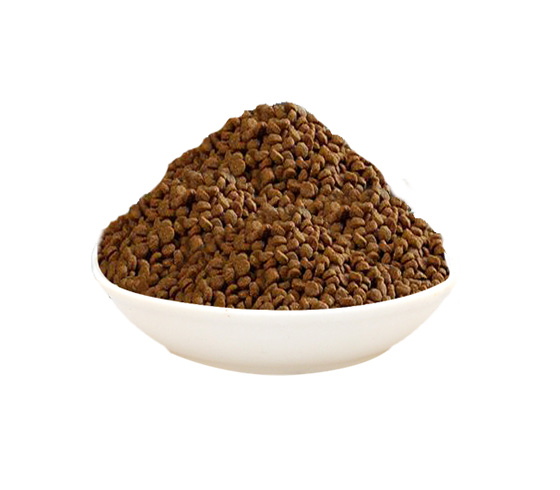
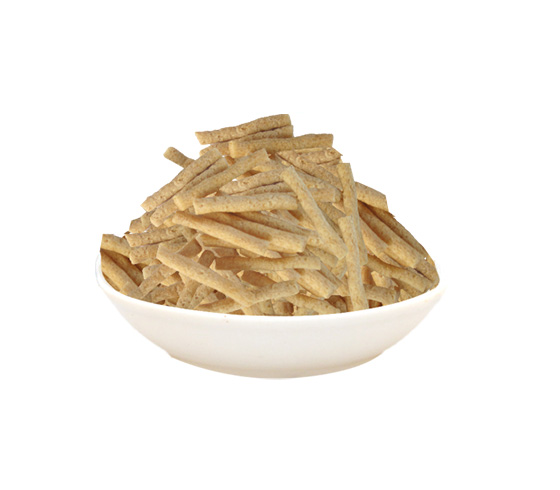
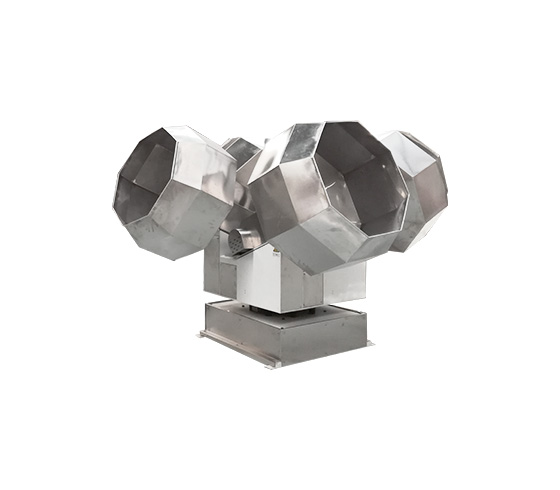
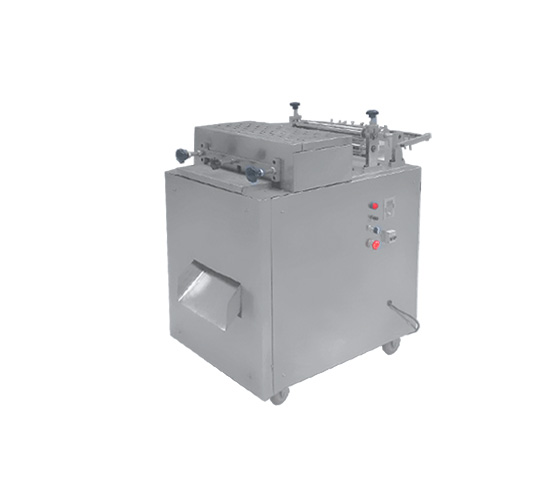
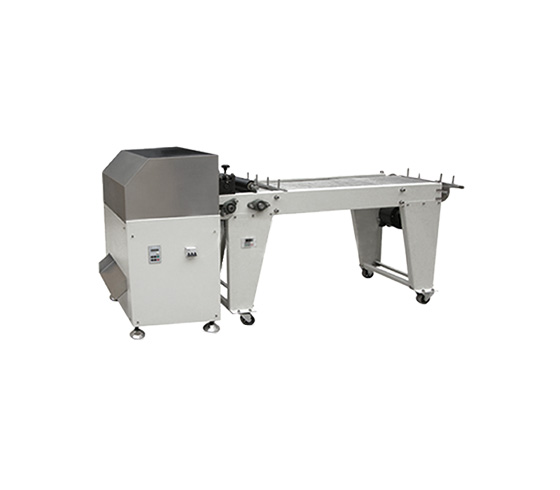
High-output automated nutritious rice production line involves issues related to process, equipment selection, or operational management of food processing and production equipment. The actual solution must be confirmed based on raw material characteristics, target product, production scale, and site conditions—not solely on the parameters of a single piece of equipment.
Core Points of the High-Yield Automated Nutritious Rice Production Line
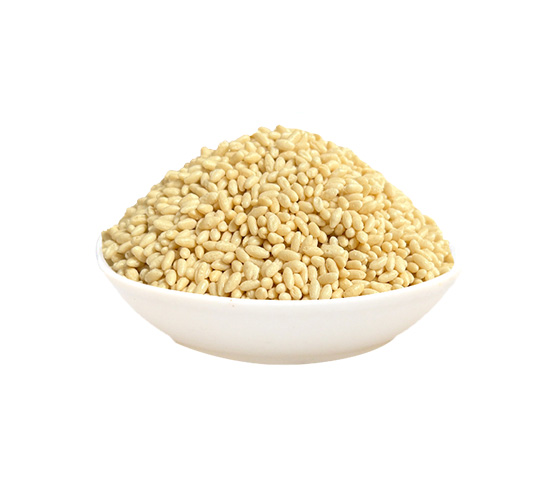
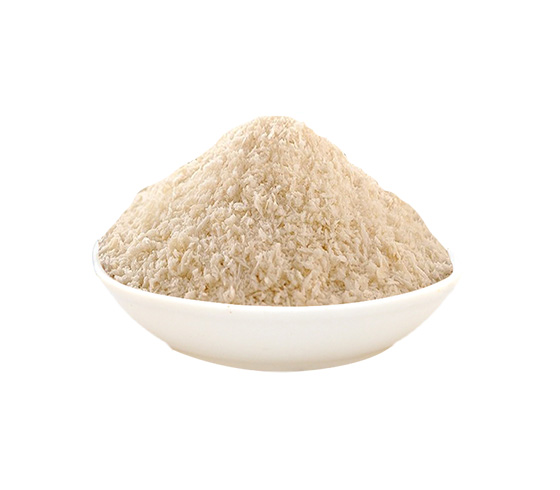
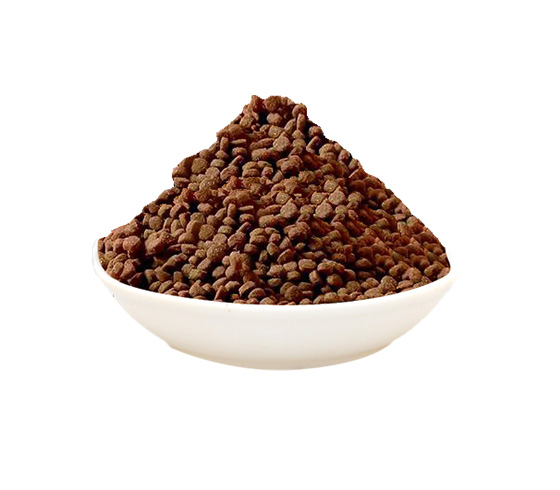
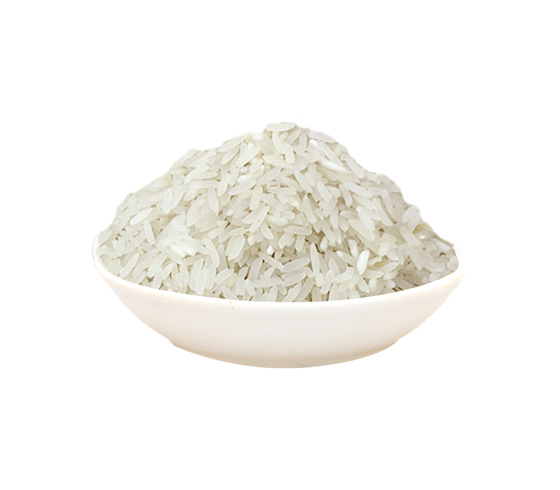
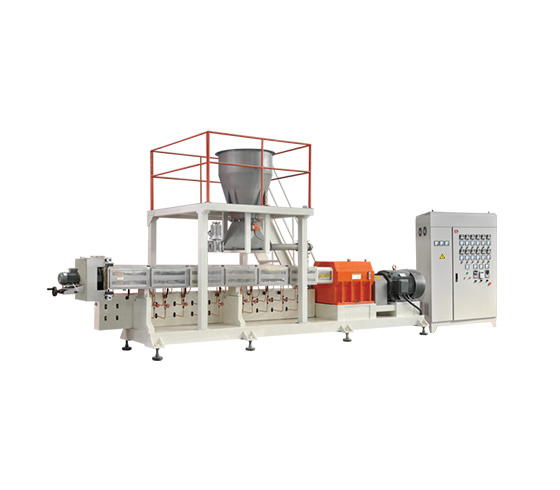
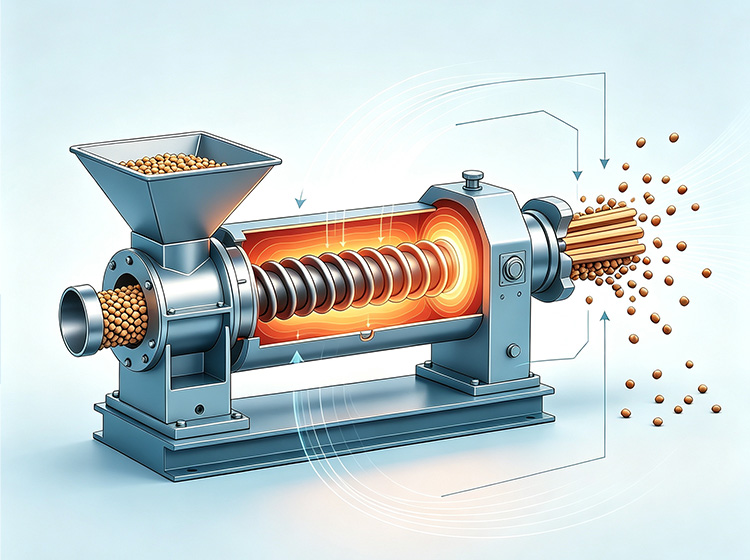
Our company’s developed fortified rice production line uses rice flour as the primary raw material and allows for optional addition of multiple vitamins and minerals according to requirements. Rice grain shape is formed via extrusion and puffing using a twin-screw extruder, followed by drying to the required moisture content. The product is ready to eat after steaming or boiling for 5–10 minutes. The extrusion-puffing process enables micronutrient fortification of rice, and multiple vitamins and minerals can be added during raw material preparation as required for production. Fortified rice produced by this line offers higher nutritional value than ordinary rice. Nutrients are fixed inside the rice grains and are not easily lost. The product is convenient and quick to prepare, making it highly popular among consumers.
Subject: High-Yield Automated Fortified Rice Production Line
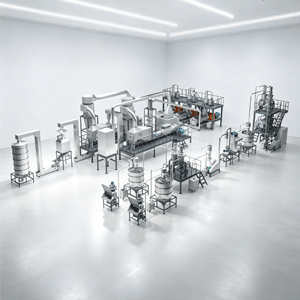
Fortified Rice Production Line Process Flow:
1. Mixer: Rice flour and other raw materials are uniformly mixed here.
2. Screw Feeder: Transports the mixed raw materials to the extrusion puffer; screw feeding reduces material spillage and ensures uniform, stable feeding.
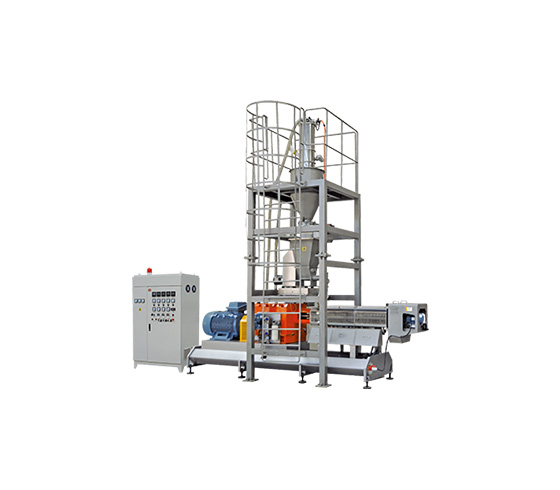
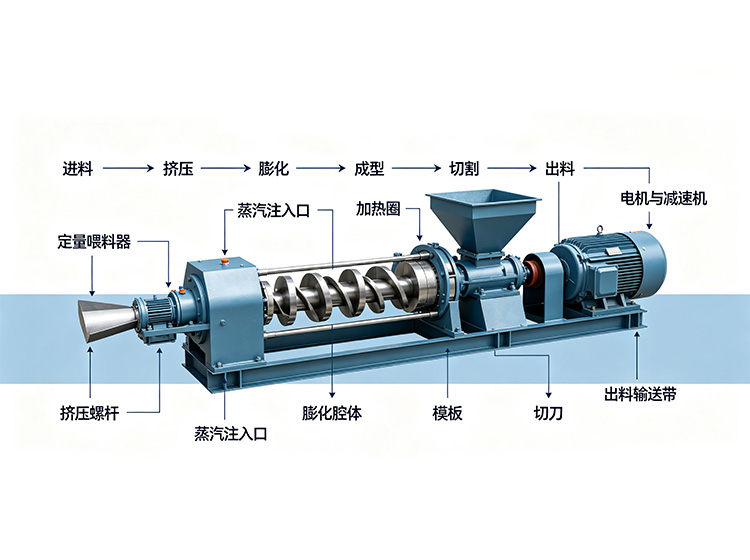
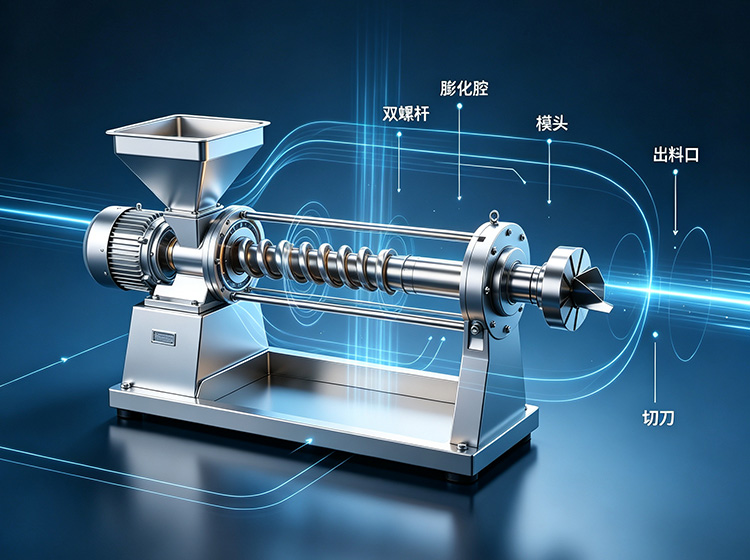
3. Twin-screw Extruder: The mixed raw materials are extruded into rice-shaped pellets by the extrusion puffer; extrusion puffing machines of different models may be selected according to production capacity requirements.
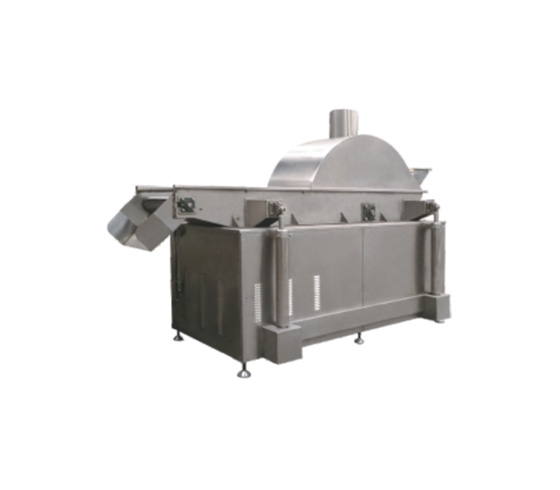
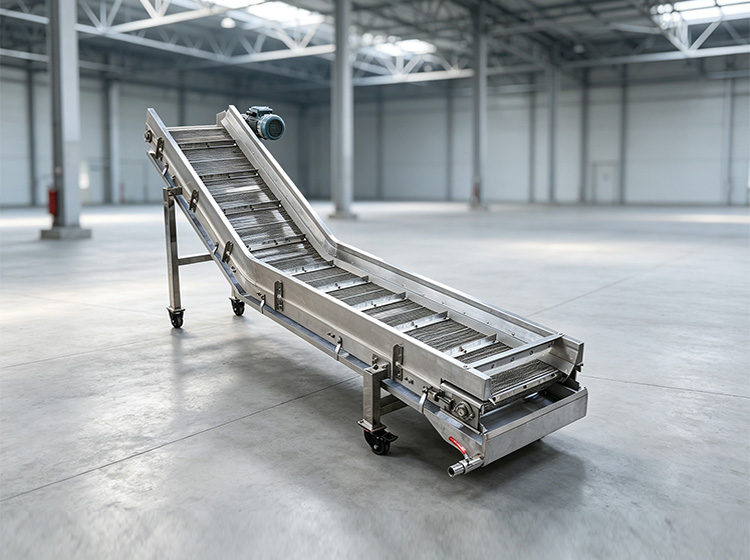
4. Cooling Vibratory Conveyor: Cools and conveys the extruded product.
5. Pneumatic Conveyor: Transports the cooled product to the dryer; the height of the pneumatic conveyor can be determined based on the dryer’s height.
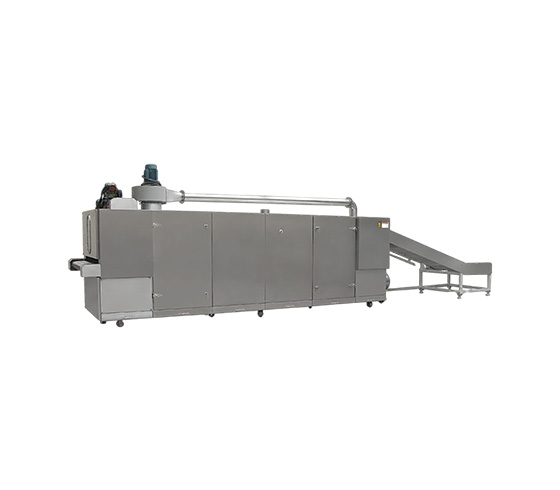
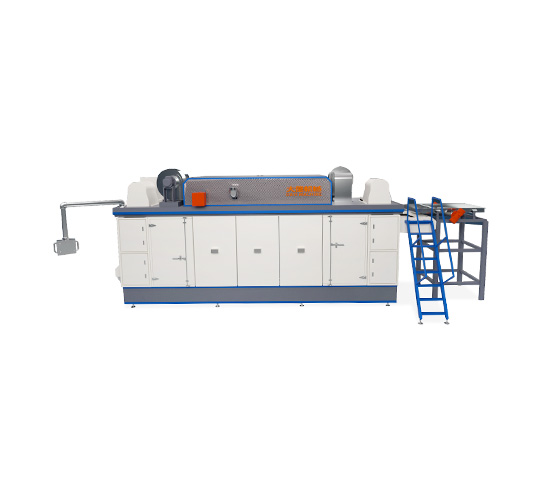
6. Five-Layer Electric Dryer: Dries the product for convenient storage.
Subject: High-Yield Automated Fortified Rice Production Line
Main Equipment Parameters of the Fortified Rice Production Line:
Model: SLG65-CJ; Installed Capacity: 52 kW; Power Consumption: 8 kW; Output Capacity: 100–150 kg/h; Dimensions: 16200×1200×2200 mm
Model: SLG75-A; Installed Capacity: 24 kW; Power Consumption: 7 kW; Output Capacity: 200–300 kg/h; Dimensions: 19780×2100×2300 mm
Model: SLG72-E; Installed Capacity: 77 kW; Power Consumption: 84 kW; Output Capacity: 700–900 kg/h; Dimensions: 59900×9000×7000 mm
What conditions should be considered during implementation or selection?
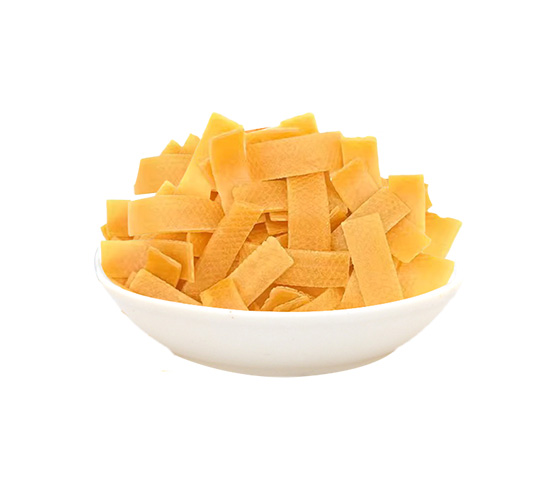
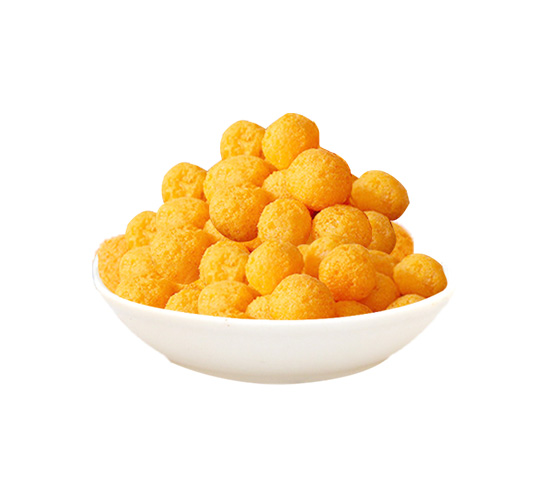
First, the product type, raw material condition, formulation direction, and expected finished product requirements must be clearly defined. For projects involving extrusion, forming, drying, frying, conveying, flavoring, or packaging, the processing capacity and cycle time of each stage must be matched to avoid mismatches between the capacity of individual equipment and the overall line requirements.
Next, the installation plan should be evaluated in conjunction with workshop space, power supply, water supply, steam or gas utility conditions. Equipment configuration should also consider long-term usage factors such as cleaning, maintenance, safety protection, spare parts availability, and operator training. Where process parameters or equipment capabilities are mentioned in this document, they serve only as reference for preliminary discussion and initial assessment; specific model numbers, power ratings, production capacities, temperatures, and time settings shall be determined based on the formal technical proposal and confirmed through machine testing or on-site verification.
FAQ
Can the equipment be determined directly based on the standard configuration?
Not recommended. Different raw materials, product structures, target production capacities, and downstream processes affect equipment configuration. It is more reliable to first confirm the product and process conditions, then conduct a configuration assessment.
How can I obtain more targeted recommendations?
We recommend preparing product images or sample information, raw material and formulation details, target production capacity, existing workshop conditions, and planned downstream equipment configuration. Based on this information, Dayi Machinery can further discuss suitable process routes and equipment configuration options.
This article is compiled based on Dayi Machinery’s “High-Yield Automated Nutritional Rice Production Line” documentation, intended to assist readers in understanding the relevant subject matter; for technical requirements pertaining to specific projects, refer to the actual product documentation and engineering confirmation results.