Feed Extrusion Puffing Machine Components and Common Issues

Published:2026-07-18

Feed extrusion and puffing machine composition and common issues involve process, equipment selection, or operational management problems related to food processing and production equipment. Actual solutions must be confirmed based on raw material characteristics, target products, production scale, and site conditions—not solely on individual equipment parameters.

Core Points on Composition and Common Issues of Feed Extrusion and Puffing Machines

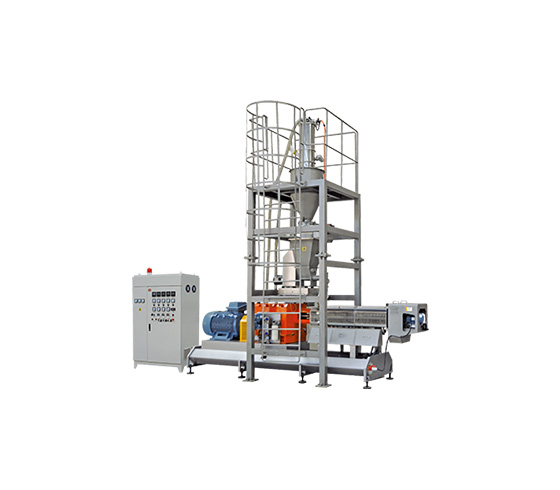
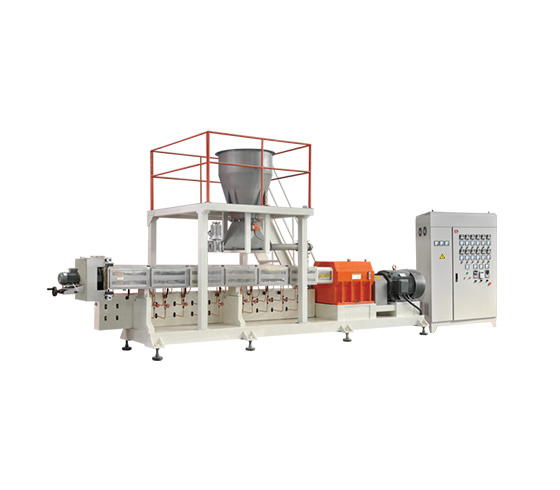
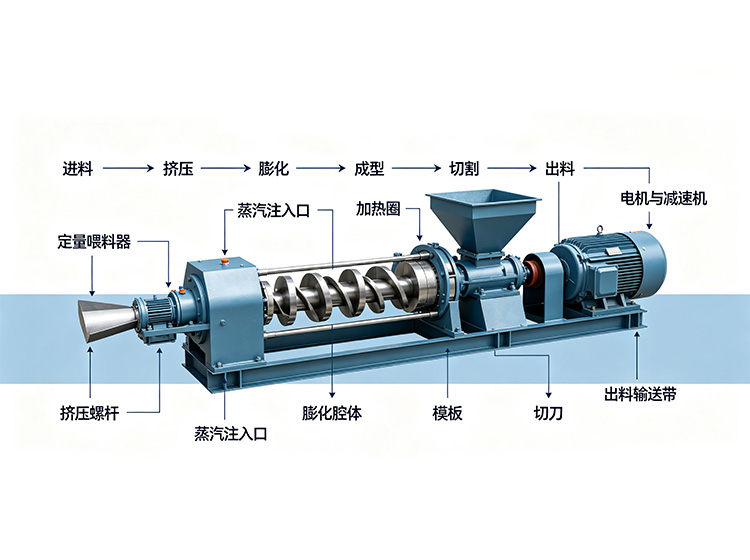
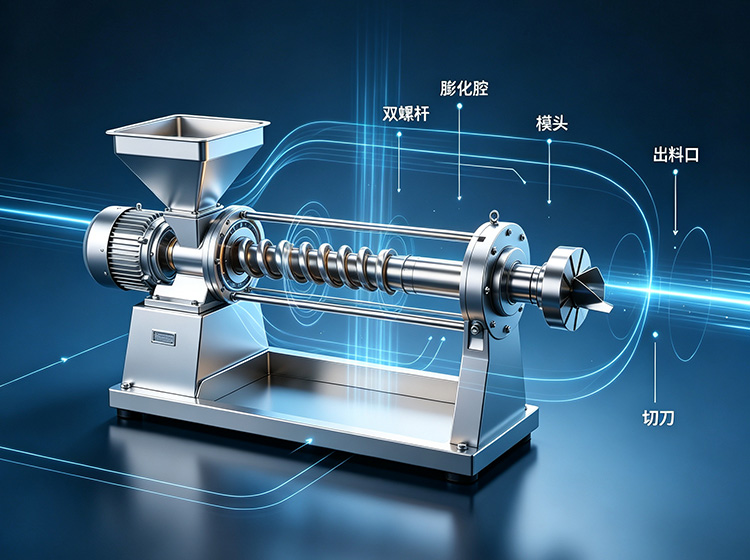
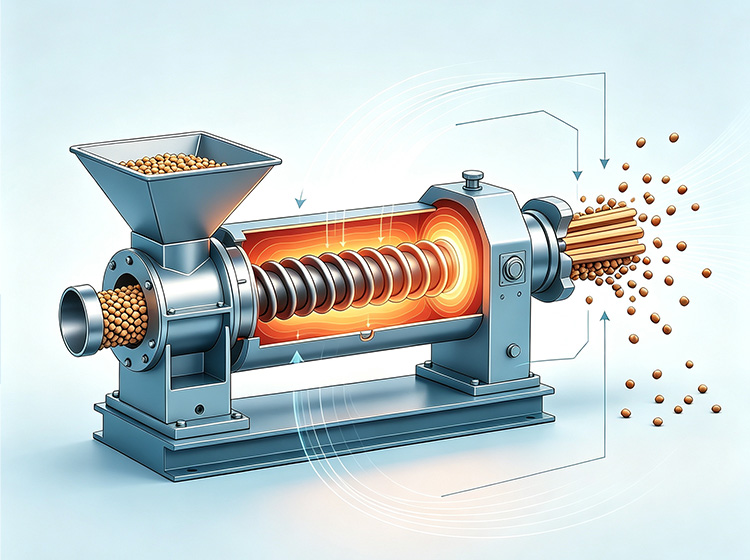
Subject: Composition and Common Issues of Feed Extrusion Expanders Main Components and Assemblies: Screw: The screw is the core component of the extrusion expander. Parameters characterizing screw structure include diameter, pitch, root diameter, helix angle, and thread element cross-sectional structure. The length-to-diameter ratio (L/D) of the extrusion zone, as well as the clearance between the screw and the inner wall of the expansion chamber, significantly affect the performance of the extrusion expander. Die: The die is the final passage through which material exits the extrusion expander. It significantly influences product shape, texture, density, appearance, characteristics, and the extrusion expander’s output capacity. Bearing Housing Assembly: Primarily comprises the bearing housing body, main shaft, bearings, shaft sleeves, left and right end covers, sealing rings, and round nuts. Oil Filtration and Cooling System: Consists mainly of an oil pump, cooler, oil filter, valves, and connecting piping components.

Subject: Composition and Common Issues of Feed Extrusion Expanders Q&A: 1. After the equipment has been operated for a period of time, bearing wear may occur, requiring adjustment of the bearing clearance. 2. Steam backflow into the feeder causes feeder blockage. 3. When processing raw materials, extrusion expander blockages frequently occur if conditioning treatment is not performed prior to extrusion. 4. Different extruded materials have varying requirements for pressure, temperature, and screw configuration. Accordingly, the screw configuration inside the expansion chamber must be adjusted, and materials must be processed according to specific requirements.

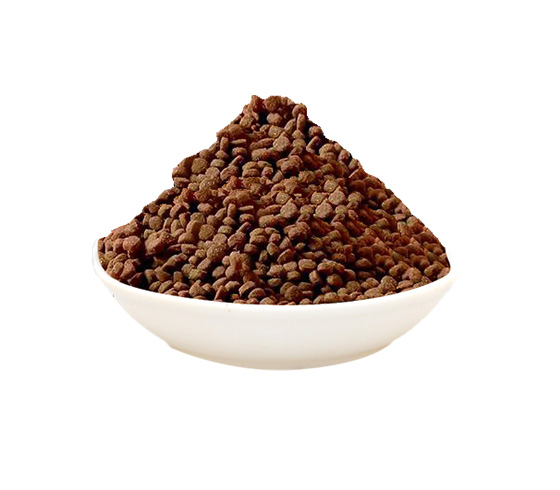
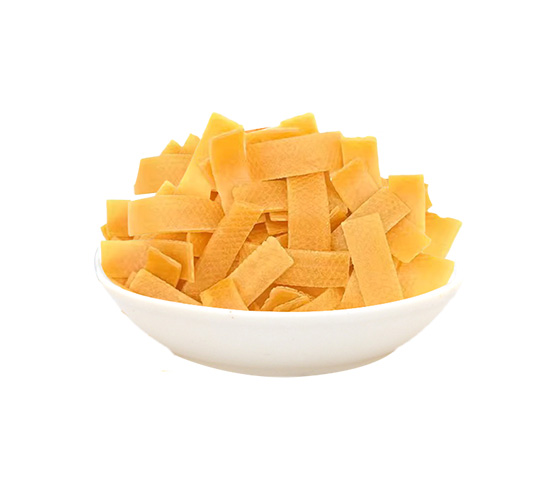
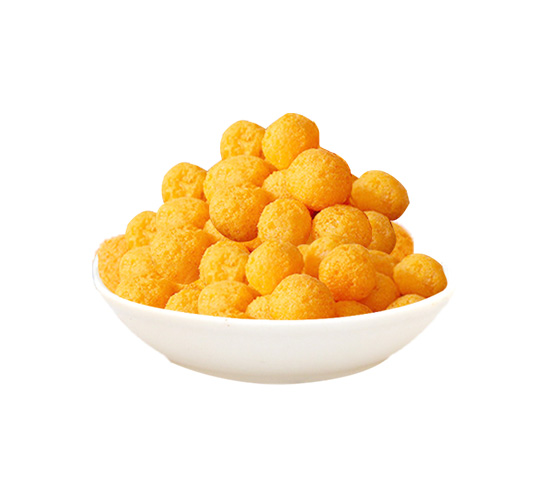
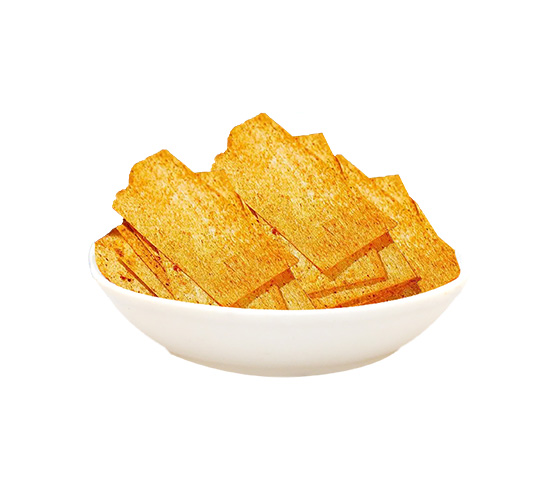
Subject: Composition and Common Issues of Feed Extrusion Expanders Common Classifications: Type 1: Corn Expanders—primarily used for extrusion expansion of corn, millet, and other cereals. Type 2: Flour Expanders—primarily used for extrusion expansion of wheat flour; these expanders are also known as crisp snack machines. Type 3: Soybean Expanders—primarily used for extrusion expansion of soybeans. Unlike cereal expanders, soybean expanders are equipped with a de-oiling unit, specifically designed to accommodate soybeans’ high oil content. Type 4: Feed Expanders—primarily used for producing specialty aquaculture and pet food pellet feeds, such as for fish, shrimp, and pets.

What conditions should be considered during implementation or selection?

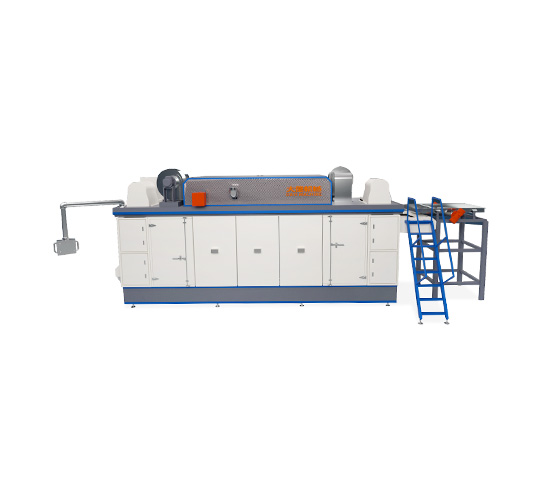
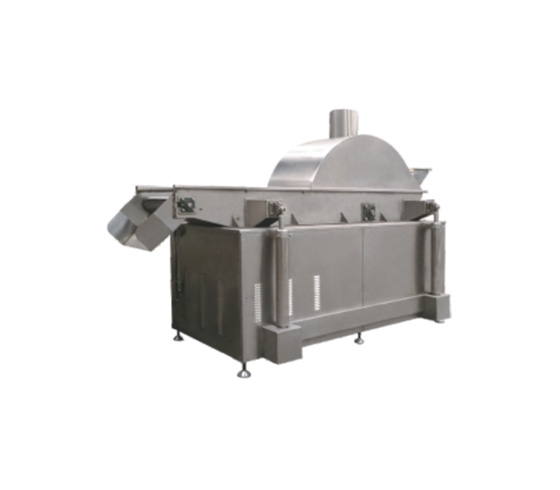
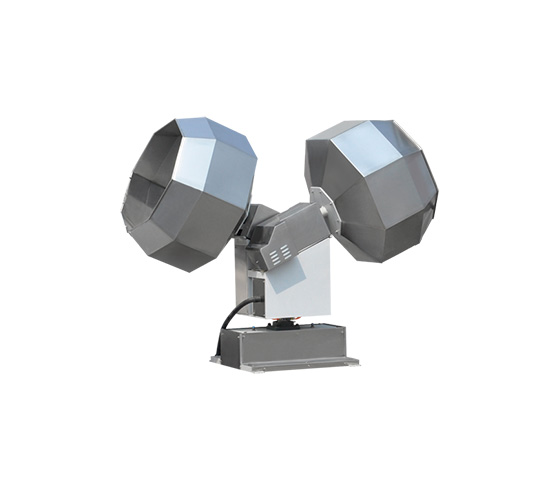
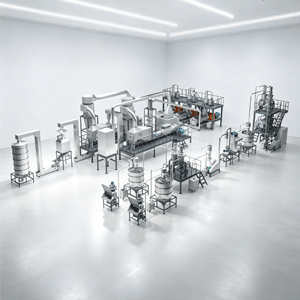
First, the product type, raw material state, formulation direction, and expected finished product requirements must be clearly defined. For projects involving extrusion, forming, drying, frying, conveying, flavoring, or packaging, the processing capacity and cycle time of each stage must be matched to avoid mismatches between the capacity of individual equipment and the overall line requirements.

Next, the installation plan should be evaluated in conjunction with workshop space, power supply, water supply, steam or gas utility conditions. Equipment configuration should also consider long-term usage factors such as cleaning, maintenance, safety protection, spare parts availability, and operator training. Where process or equipment capabilities are mentioned in this document, they serve only as reference for preliminary discussion and initial assessment; specific model numbers, power ratings, production capacities, temperatures, and time parameters shall be based on the formal technical proposal and confirmed by trial operation or on-site verification results.

FAQ

Can the equipment be finalized based on the standard configuration?

Not recommended. Different raw materials, product structures, target production capacities, and downstream processes affect equipment configuration. It is more reliable to first confirm the product and process conditions, then conduct a configuration assessment.

How can I obtain more targeted recommendations?

We recommend preparing product images or sample information, raw material and formulation details, target production capacity, existing workshop conditions, and planned downstream equipment configuration. Based on this information, Dayi Machinery can further discuss suitable process routes and equipment configuration options.

This article is compiled based on Dayi Machinery’s “Composition and Common Issues of Feed Extrusion Expanders” document, intended to assist readers in understanding the relevant topics; for technical requirements of specific projects, refer to the actual product documentation and engineering confirmation results.