Food Conveyor Selection

Published:2026-07-18

Selection of food conveyors involves process, selection, or operational management issues related to food processing and production equipment.The actual solution must be confirmed based on raw material characteristics, target product, production scale, and site conditions—not solely on the parameters of a single piece of equipment.

Key Points for Selecting Food Conveyors

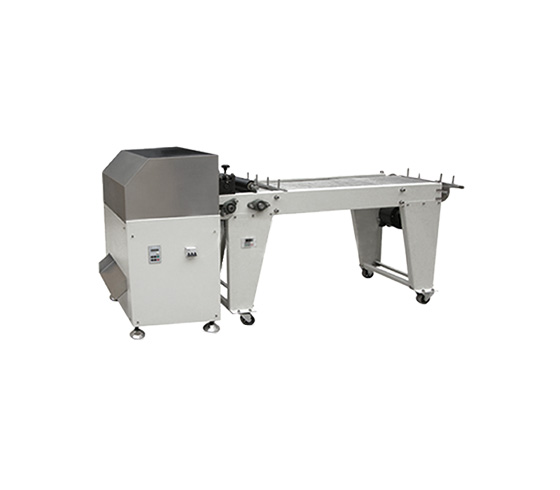
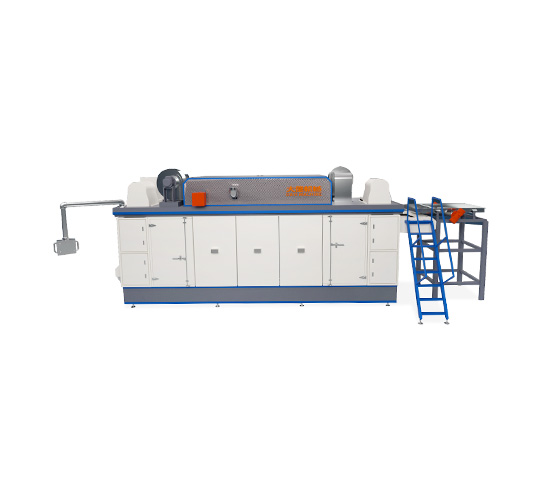
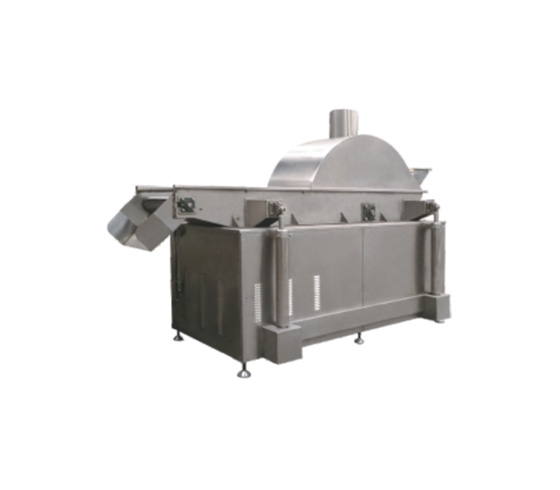
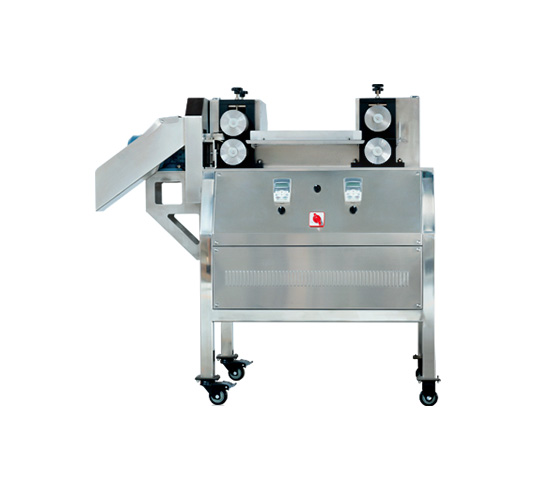
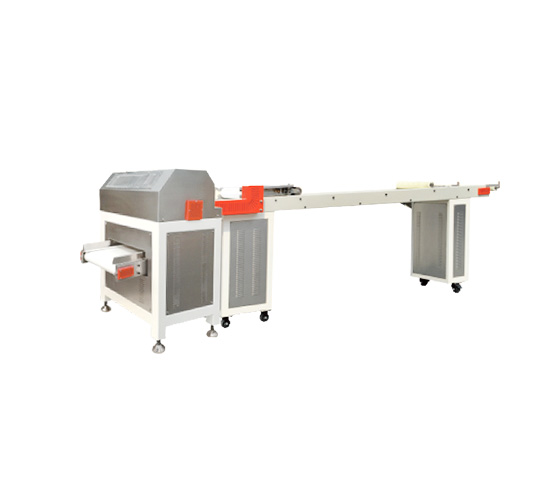
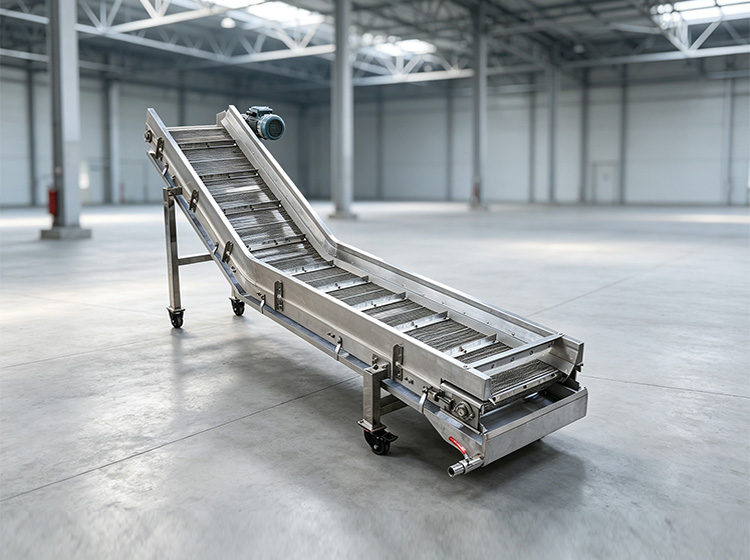
Food conveying equipment is also known as food conveyors.It comes in various types, including belt-type, plate-chain-type, mesh-belt-type, and stainless-steel-type models; all feature simple structure, low energy consumption, easy maintenance, and low cost.

This type of conveyor is specifically designed for food applications, and its conveyor belt must be distinguished from those used in other conveying equipment.First, food-grade conveyor belts must be used in accordance with standards.To meet special process requirements, for example, the conveyor belt for fried food must be oil-resistant and heat-resistant.

Conventional food conveyor belts are made of non-toxic materials and must be odorless; otherwise, they can easily affect the taste of conveyed food.At the same time, the conveyor belt surface must be smooth to facilitate cleaning and disinfection after use.

Secondly, service life is also a critical consideration.The conveyor belt is available in various materials, commonly made of PU, Teflon®, silicone, and PVC.In addition, a conveyor belt lubricant conducive to operation should be added.

However, be sure not to drip lubricating oil onto the conveyor belt surface during lubrication, as this may cause contamination.If cracks or even breaks are found on the sidewalls or baffles of the conveyor belt, prompt repair is required.If severe aging is detected, timely replacement is required.

Jinan Dayi Machinery Technology Co., Ltd. is located in the beautiful spring city of Jinan.The company has long been engaged in the research and development of food production line machinery and processing technologies, adhering to standardized production techniques and automated control operation concepts, and focusing on developing stable and reliable production equipment.The company’s design team has extensive experience in equipment design, R&D, commissioning, and production, and is supported by responsible on-site engineering personnel for production and commissioning—enabling us to provide you with standardized design, production, and commissioning process services.

What conditions should be considered during implementation or selection?

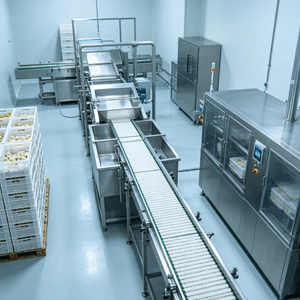
First, the product type, raw material condition, formulation direction, and expected finished product requirements must be clearly defined.For projects involving extrusion, forming, drying, frying, conveying, flavoring, or packaging, the processing capacity and cycle time of each stage must be matched to avoid inconsistencies between the capacity of individual equipment and the overall line requirements.

Secondly, the installation plan should be evaluated in conjunction with workshop space, power supply, water supply, steam, or gas utility conditions.Long-term usage factors such as cleaning, maintenance, safety protection, spare parts supply, and operator training should also be considered in equipment configuration.Where processes or equipment capabilities are mentioned in the text, they are provided for reference only in preliminary discussions and initial assessments.Specific model numbers, power ratings, production capacities, temperatures, and time settings shall be subject to the official technical proposal and results of trial operation or on-site verification.

FAQ

Can the equipment be determined directly based on the standard configuration?

Not recommended.Different raw materials, product structures, target production capacities, and downstream processes affect equipment configurations.It is safer to first confirm the product and process conditions, and then proceed with configuration evaluation.

How can I obtain more targeted recommendations?

It is recommended to prepare product images or sample information, raw material and formulation details, target production capacity, existing workshop conditions, and planned downstream equipment configuration.Dayi Machinery can further communicate the applicable process routes and equipment configuration ranges based on this.

This article is compiled based on Dayi Machinery’s “Food Conveyor Selection Guide” to help readers understand the relevant topic.Technical requirements for specific projects shall be subject to the actual product documentation and engineering confirmation results.