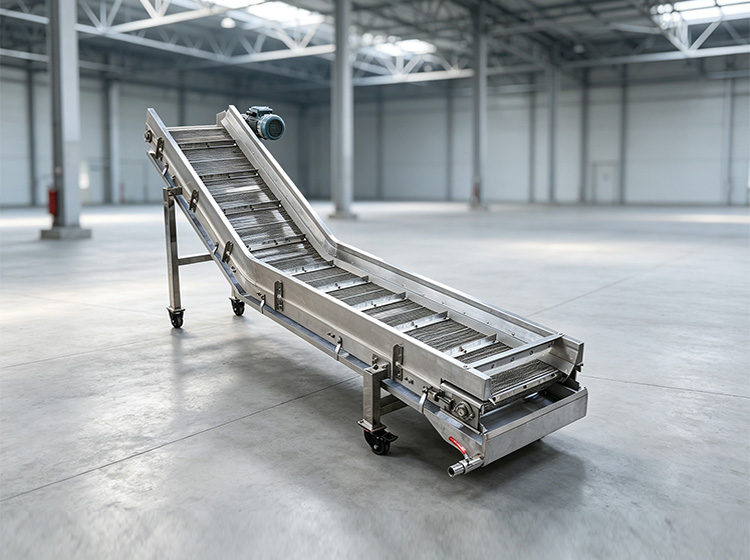
The characteristics of feed extrusion and puffing machines involve process, equipment selection, or operational management issues related to food processing and production equipment. Practical solutions must be confirmed based on raw material properties, target products, production capacity, and site conditions—not solely on individual equipment parameters.
Core Features of Feed Extrusion and Puffing Machines
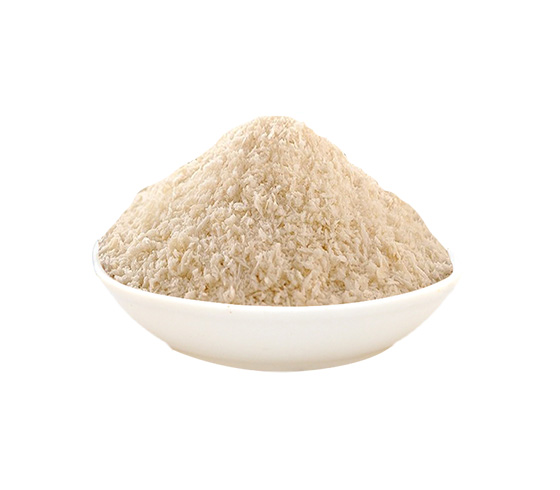
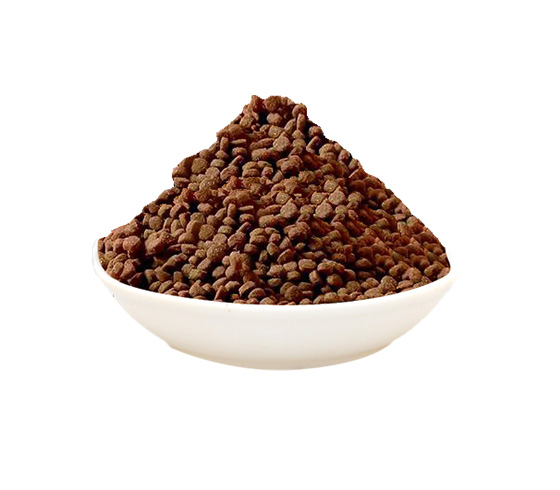
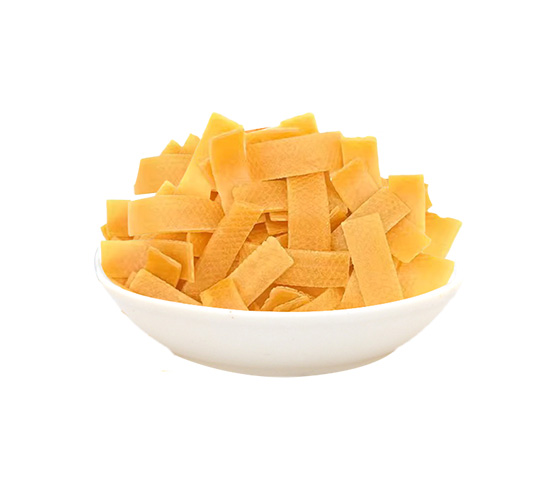
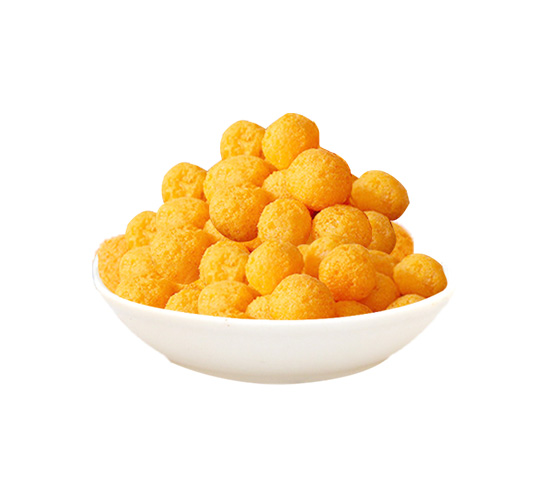
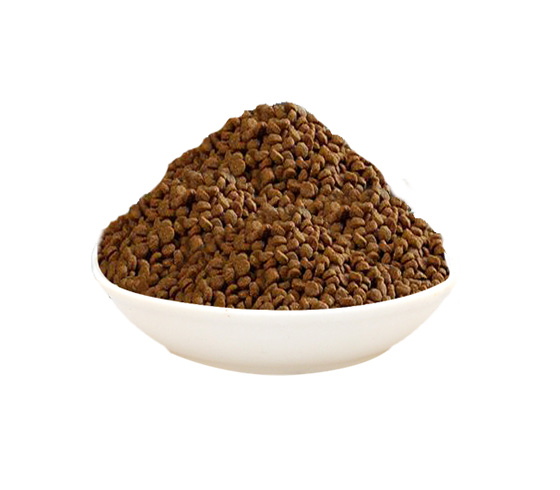
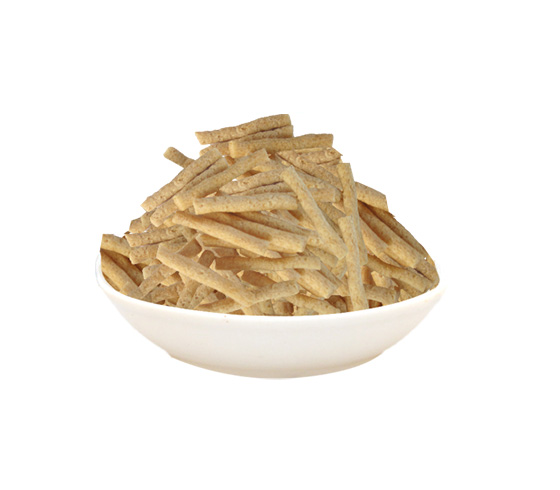
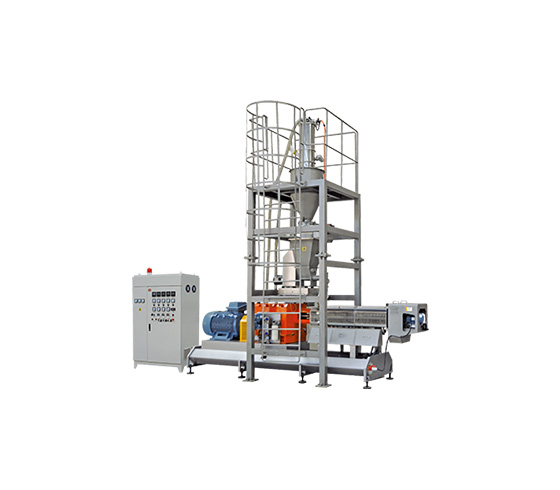
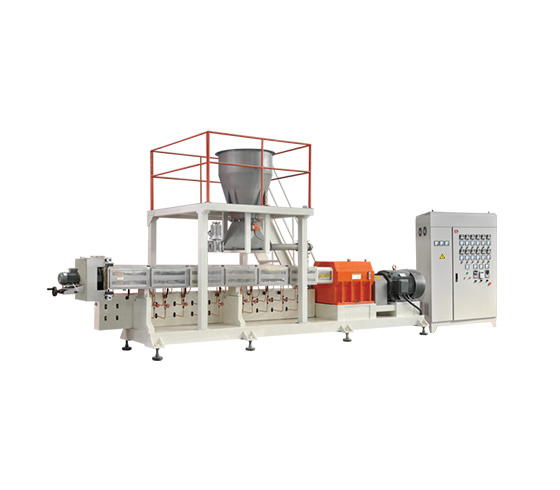
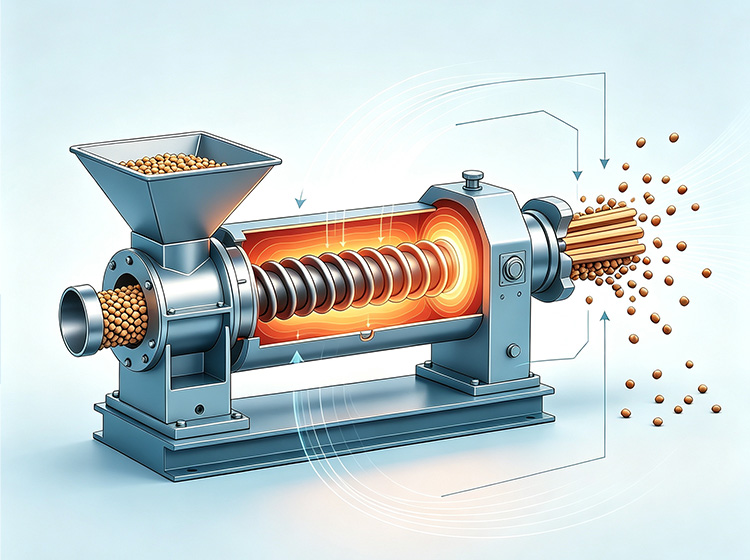
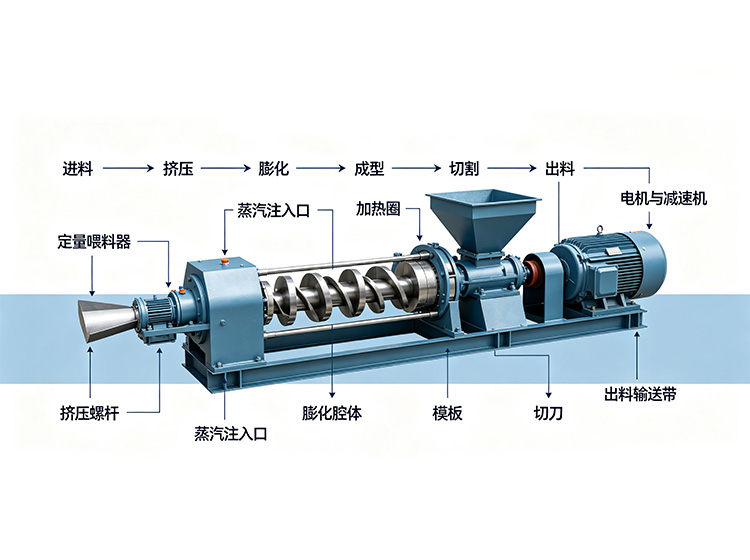
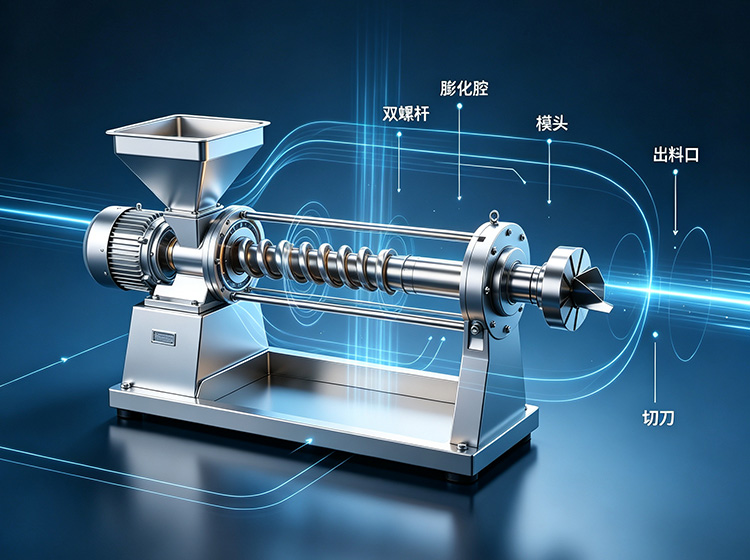
The feed extrusion puffing machine belongs to the single-screw extrusion puffing machine category. It is primarily used for food puffing, livestock and poultry feed or single-ingredient puffing processing, and can also serve as a raw material pre-treatment equipment in vegetable oil and alcoholic beverage production. The twin-screw extrusion puffing machine, on the other hand, is mainly used for producing high-end aquatic feed and pet food, especially suitable for processing highly viscous materials.
Subject: Features of Feed Extrusion and Puffing Machines
Key Features:
1. Innovative design, compact structure, and high production efficiency.
2. Reliable operation, long service life, low failure rate, and simple operation and maintenance.
3. Easy to use, smooth transmission, and low noise.
4. Key components are manufactured from special alloy materials subjected to heat treatment, ensuring extended service life and low feed production costs.
5. Dry extrusion puffing process adopted, utilizing self-heating principle—no steam system required.
6. Screw design features strong self-cleaning capability; screw grooves achieve self-purification. No shutdown cleaning is required when changing formulas or product types. Strong screw pumping action minimizes material residence time and dispersion, enabling rapid material advancement and relatively stable product quality.
7. Die plate holder adopts modular design for convenient adjustment and low cost.
8. Optional automatic feeding system: feeder driven by advanced switched reluctance variable-speed motor driving horizontal conveying screw; opposite end connects directly to extrusion puffing machine. Extrusion output can be controlled by adjusting feed rate (enabling quantitative feeding) and effectively prevents material arching.
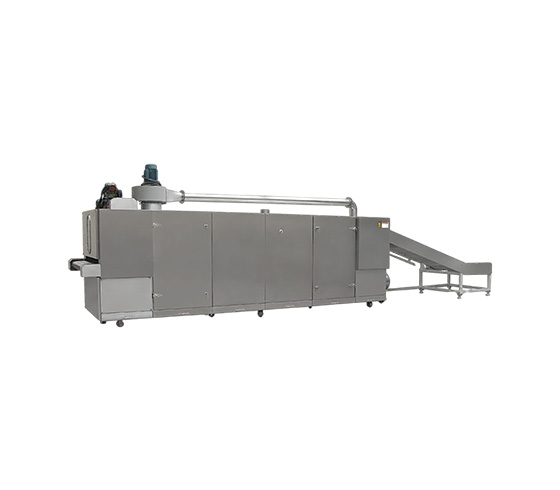
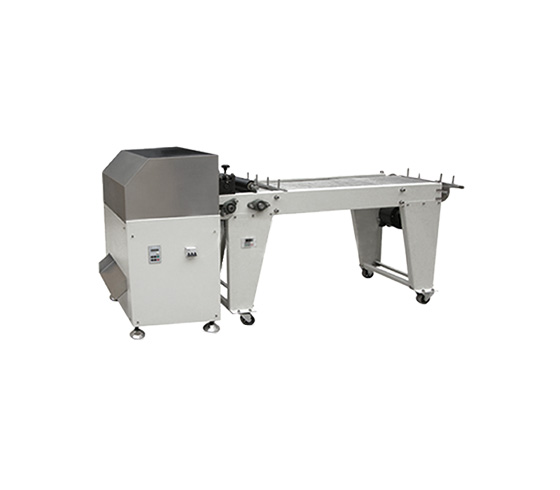
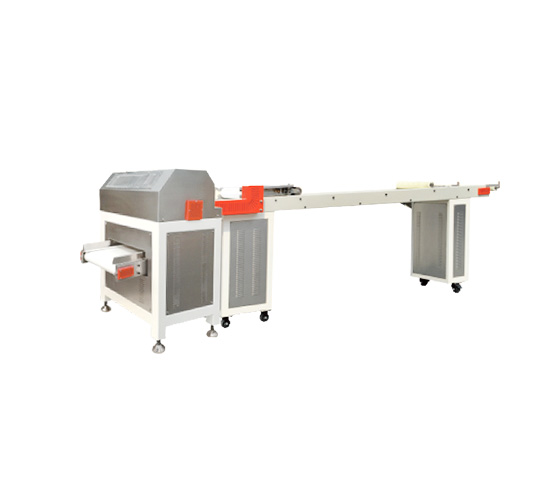
9. Cutting system: independent cutting unit connects quickly and easily to main machine; equipped with variable-speed cutting head; cutter adjustment is convenient, and clearance between cutter and die can be easily adjusted; dies of various specifications can be configured as required to ensure material achieves desired diameter and length, enabling production of products in different specifications and shapes.
Subject: Features of Feed Extrusion and Puffing Machines; Key Features: Floating feed processing without binder additives; maintains water stability for over 2 hours. 11. Capable of producing round products with diameters of Φ1–20 mm (dies customizable per requirement). 12. Main shaft employs a modular structure, allowing shaft extension to accommodate puffing of diverse raw materials. 13. Small- and medium-sized units are especially suitable for research institutes, specialty farms, or small- and medium-sized feed mills. 14. Dual dry/wet operation: Single-screw extruders with power exceeding 30 kW can be equipped with a conditioner for wet extrusion, enabling both dry and wet extrusion capabilities.
What conditions should be considered during implementation or selection?
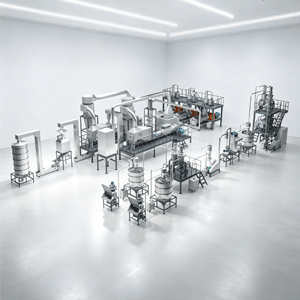
First, the product type, raw material condition, formulation direction, and expected finished product requirements must be clearly defined. For projects involving extrusion, forming, drying, frying, conveying, flavoring, or packaging, the processing capacity and cycle time of each stage must be matched to avoid mismatches between the capacity of individual equipment and the overall line requirements.
Secondly, the installation plan should be evaluated in conjunction with workshop space, power supply, water supply, steam or gas utility conditions. Equipment configuration should also consider long-term usage factors such as cleaning, maintenance, safety protection, spare parts availability, and operator training. Where process parameters or equipment capabilities are mentioned herein, they serve only as reference for preliminary discussion and initial assessment; specific model numbers, power ratings, production capacities, temperatures, and time settings shall be determined based on the formal technical proposal and confirmed through trial operation or on-site verification.
Frequently Asked Questions
Can the equipment be directly determined based on the standard configuration?
Not recommended. Different raw materials, product structures, target production capacities, and downstream processes affect equipment configuration. It is more reliable to first confirm the product and process conditions, then conduct a configuration assessment.
How can I obtain more targeted recommendations?
We recommend preparing product images or sample information, raw material and formulation details, target production capacity, existing workshop conditions, and planned downstream equipment configuration. Based on this information, Dayi Machinery can further discuss suitable process routes and equipment configuration options.
This article is compiled based on Dayi Machinery’s “Features of Feed Extrusion and Puffing Machines” documentation, intended to assist readers in understanding the relevant subject matter; for technical requirements pertaining to specific projects, refer to the actual product documentation and engineering confirmation results.