Development Trends and Equipment R&D for High-Quality Puffed Snack Foods

Published:2026-07-18

The development direction of high-quality extruded snack foods and equipment R&D involves process, equipment selection, or operational management issues related to food processing and production equipment. Practical solutions must be confirmed based on raw material characteristics, target products, production scale, and on-site conditions—not solely on the basis of a single equipment parameter.

Development Trends of High-Quality Extruded Snack Foods and Key Points in Equipment R&D

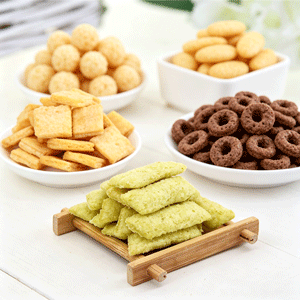
From childhood to adulthood, various types of snack foods have always been an indispensable part of our daily lives. Currently, as Millennials and Generation Z consumers become the “main force” in consumption, the snack food industry is undergoing tremendous transformation, with continuous expansion of industrial scale. Once regarded as “junk food,” the snack food industry is progressively enhancing product quality through automated processing equipment, packaging equipment, and other means.

According to data released by a research institution, the domestic snack food market size grew from over RMB 300 billion in 2012 to over RMB 570 billion in 2019, with a compound annual growth rate exceeding 6%. The market size is expected to surpass RMB 600 billion in 2020. For consumers, food quality and food safety remain key concerns when purchasing snack foods and are critical factors determining whether a snack food brand can sustain development in market competition.

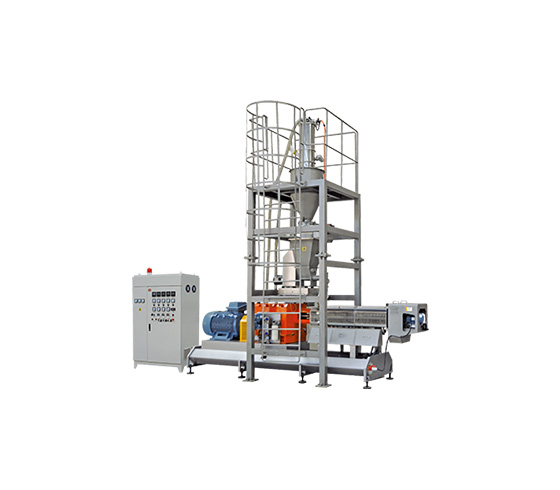
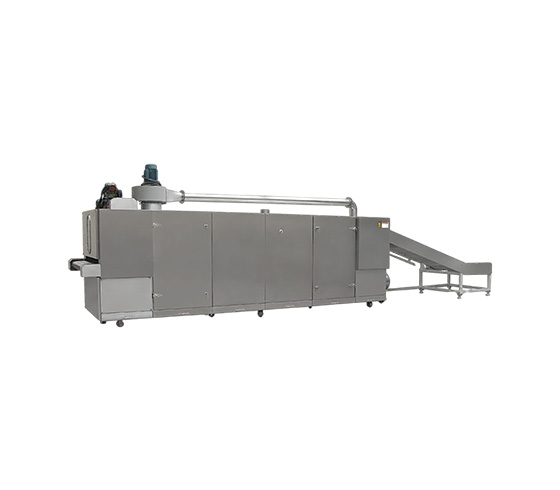
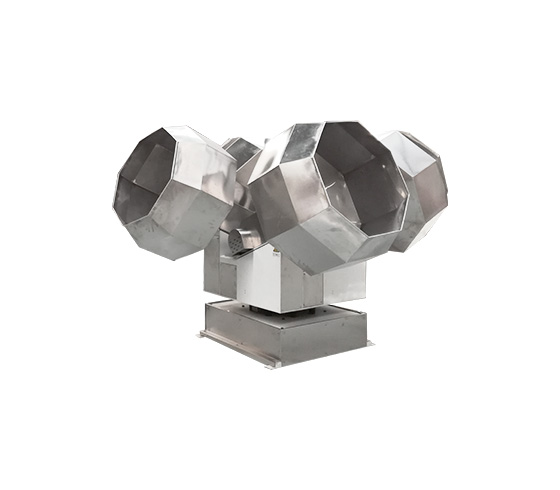
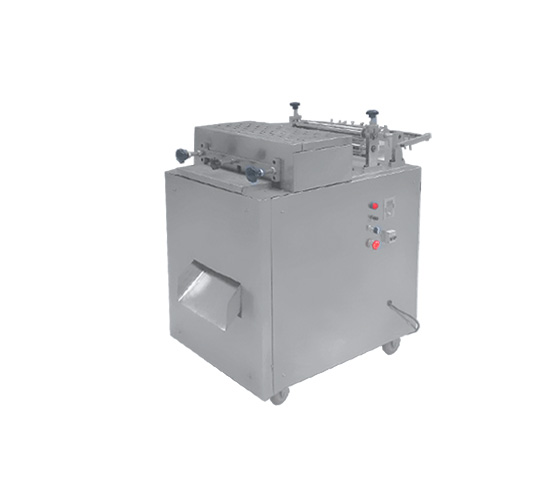
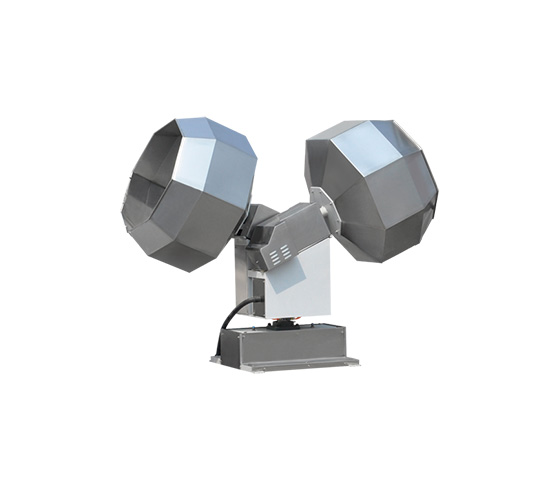
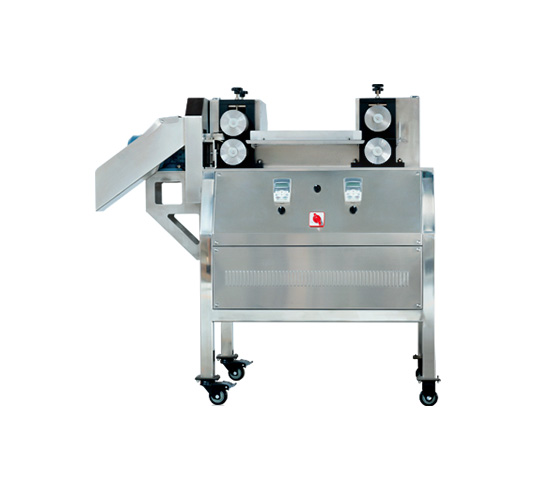
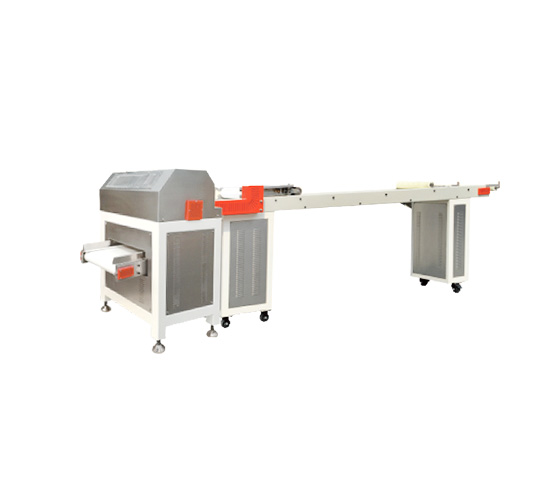
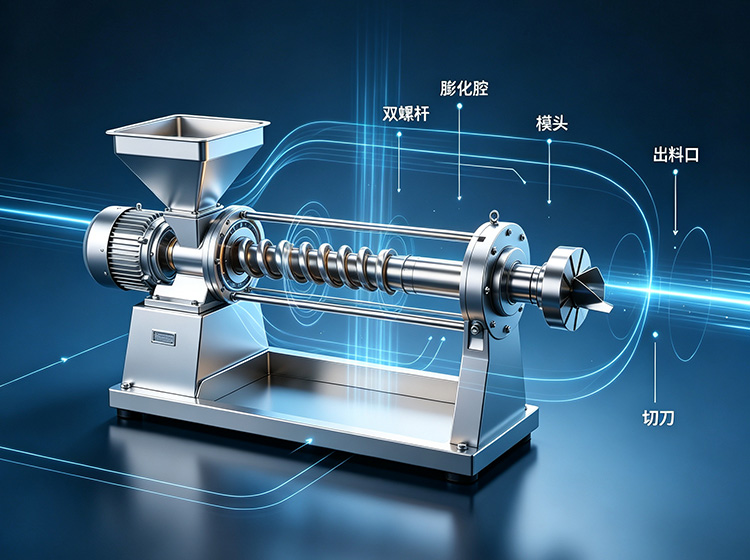
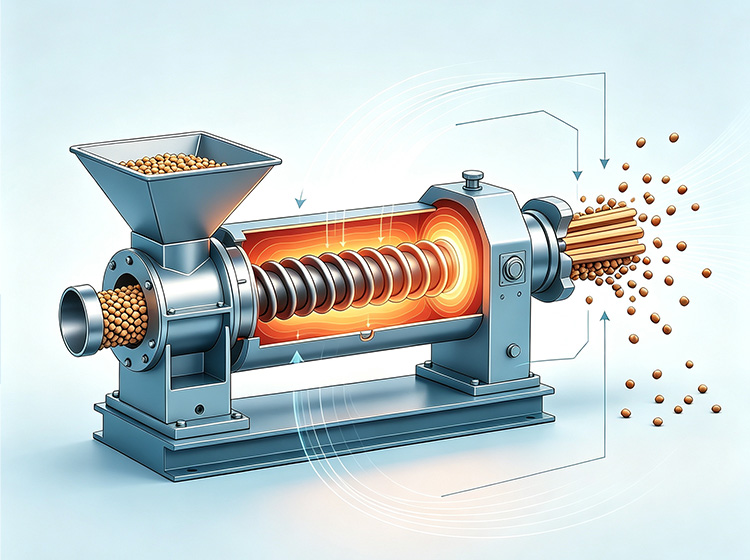
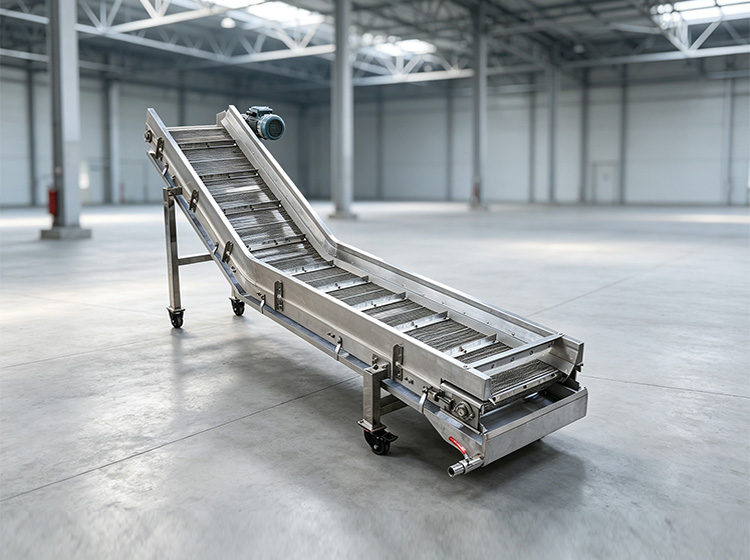
Today, the quality of snack foods has significantly improved compared to previous years—a development closely tied to the research, development, and application of automated production and packaging equipment. After years of development, China’s food processing equipment manufacturing industry has made substantial progress, producing a wide range of equipment suitable for food production—including machinery for cleaning, conveying, sorting, crushing, separation, mixing, concentration, homogenization, sterilization, drying, shaping, baking, and freezing/preservation.

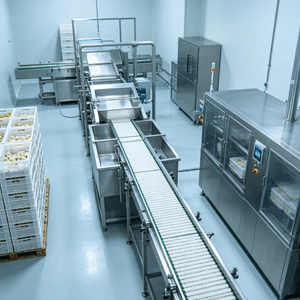
Applying automated processing equipment can reduce manual involvement to a certain extent, thereby lowering food safety risks associated with manual operations, and enabling management of food production lines via an automatic management system. During production, monitoring capability is significantly enhanced, and process instability is correspondingly reduced. In recent years, snack food manufacturers—while continuously improving product quality—have consistently increased investment in automated production lines and expanded production capacity.

For example, a domestic snack food manufacturer invested RMB 500 million this year to build an intelligent manufacturing project, establishing an intelligent baking manufacturing center. This center features a Class 70,000 cleanroom and 15 domestically advanced intelligent production lines, enabling precise control of each production process, minimizing human contact with food, and reducing labor requirements by 70%. The company expects its intelligent manufacturing production lines to expand to dozens in the future.

Moreover, packaging equipment is also critical for enhancing food quality. Packaging equipment refers to devices capable of performing operations such as filling, packaging, and sealing; automatic packaging equipment can package food into specified shapes and dimensions, ensuring compliance with standardization and regulation requirements. In addition, packaging methods—including vacuum packaging, gas-flushed packaging, and skin packaging—cannot be achieved manually.

As such, packaging formats currently available on the market are highly diverse, and correspondingly, packaging equipment types are also extremely varied. Based on different packaging processes, equipment can be categorized into primary packaging machines, vacuum packaging machines, nitrogen-flushed packaging machines, skin packaging machines, and thermoforming packaging machines, among others. At present, competition in China’s food packaging machine market is intensifying. In the future, food packaging machines will achieve deep integration with industrial automation, driving overall advancement of packaging equipment toward multifunctionality, high efficiency, and low energy consumption. With societal development, consumers’ food-related concepts have evolved beyond merely “what to eat” to place greater emphasis on health and leisure experiences. High quality has thus become one of the mainstream development directions for the snack food industry. Therefore, enterprises must expedite the automation and intelligent upgrading of production lines to realize automated production and ensure food safety. Simultaneously, they must select high-quality packaging equipment to guarantee food quality through premium packaging.

What conditions should be considered during implementation or selection?

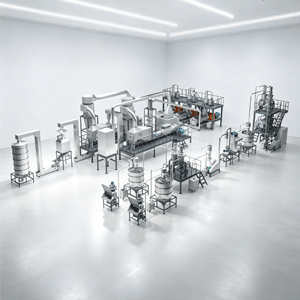
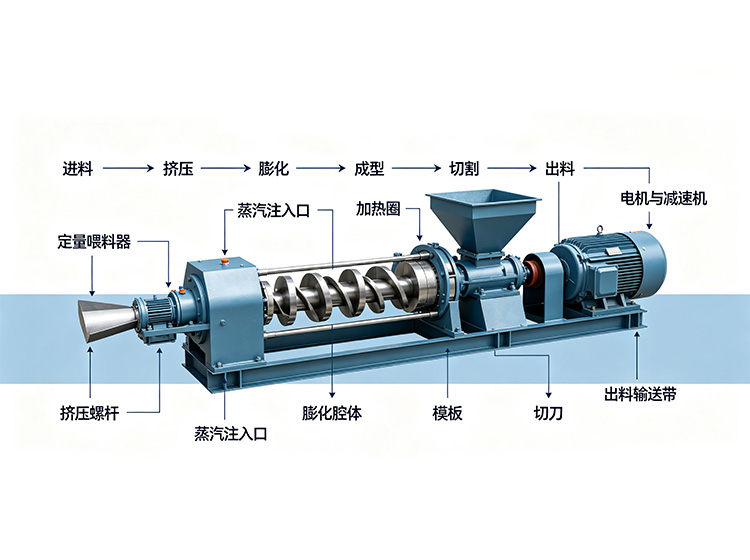
First, the product type, raw material condition, formulation direction, and expected finished product requirements must be clearly defined. For projects involving extrusion, forming, drying, frying, conveying, flavoring, or packaging, the processing capacity and cycle time of each stage must be matched to avoid inconsistencies between the capacity of individual equipment and the overall line requirements.

Next, the installation plan should be evaluated based on workshop space, power supply, water supply, steam or gas availability, and other utility conditions. Equipment configuration must also account for long-term operational factors such as cleaning, maintenance, safety protection, spare parts availability, and operator training. Any process parameters or equipment capabilities mentioned herein are intended solely for preliminary discussion and initial assessment; specific model numbers, power ratings, production capacities, temperatures, and time parameters shall be determined based on the formal technical proposal and confirmed through machine testing or on-site validation.

Frequently Asked Questions

Can the equipment be determined directly based on the standard configuration?

Not recommended. Different raw materials, product structures, target production capacities, and downstream processes affect equipment configuration. It is more reliable to first confirm the product and process conditions, then conduct a configuration assessment.

How can I obtain more targeted recommendations?

We recommend preparing product images or sample information, raw material and formulation details, target production capacity, existing workshop conditions, and planned downstream equipment configuration. Based on this information, Dayi Machinery can further discuss suitable process routes and equipment configuration options.

This article is compiled based on Dayi Machinery’s “Development Trends of High-Quality Extruded Snacks and Equipment R&D” documentation, intended to assist readers in understanding the relevant topics; for technical requirements concerning specific projects, refer to the actual product documentation and engineering confirmation results.