Are Puffed Foods Really Harmful?Issues related to the process, selection, or operational management of food processing and production equipment.The actual solution should be confirmed based on raw material characteristics, target product specifications, production scale, and on-site conditions, and should not be determined solely by single equipment parameters.
Are Puffed Foods Really Harmful?Key Points
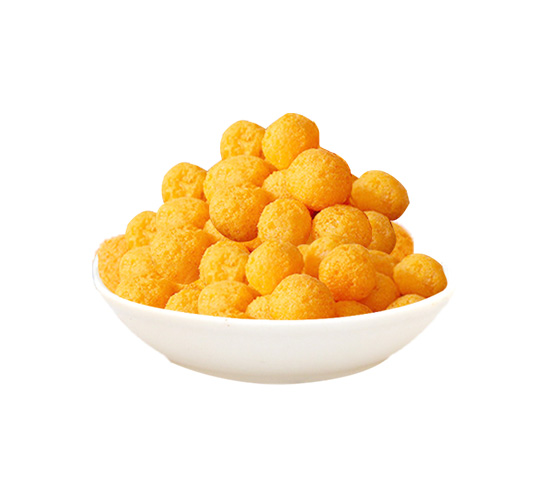
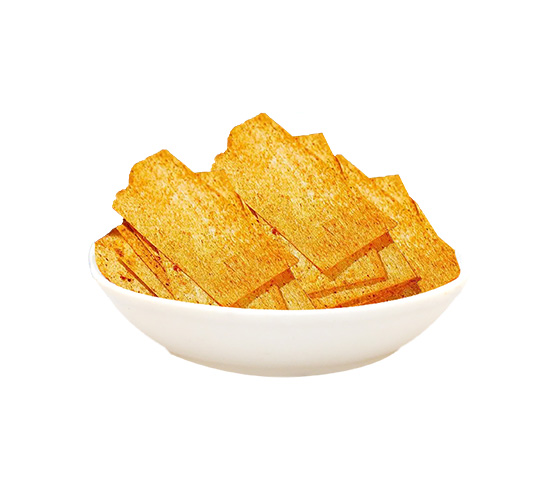
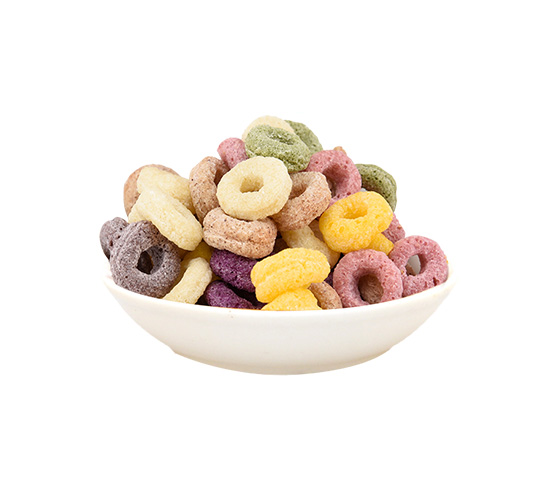
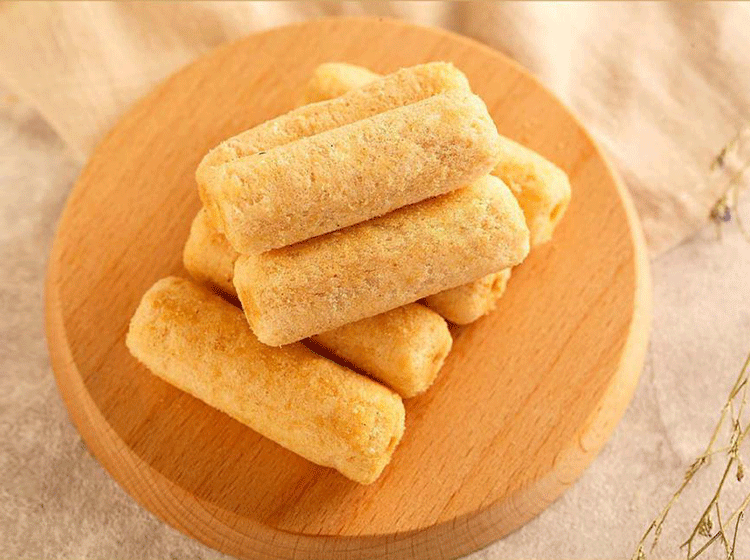
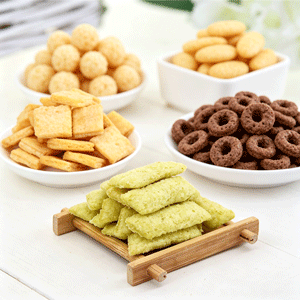
Extruded snacks entered the market in the 1960s.Thereafter, it rapidly gained popularity in various countries due to its unique taste, convenience of consumption, and diverse varieties.For a long time, it has ranked among the top snack categories most frequently purchased by consumers, alongside chocolate, wafers, and other similar products.
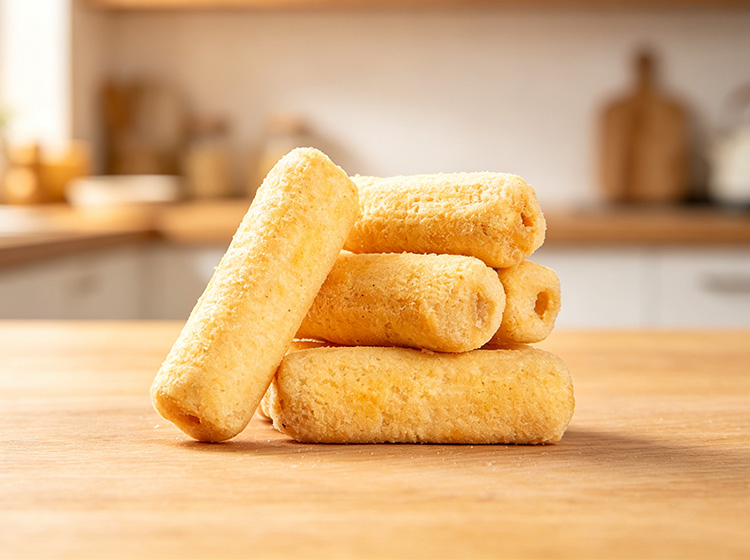
However, long-standing sales advertising and the nature of puffed snacks themselves have left us with stereotypes.Recently, many consumers have expressed concern that products labeled as “oil-containing puffed snacks” may be unhealthy snacks.People often assume that extrusion is harmful, and that extruded snacks are synonymous with high salt, high sugar, high calories, and high levels of additives—in short, they are considered unhealthy.
But is this really the case?Let's first understand what "extrusion" is.
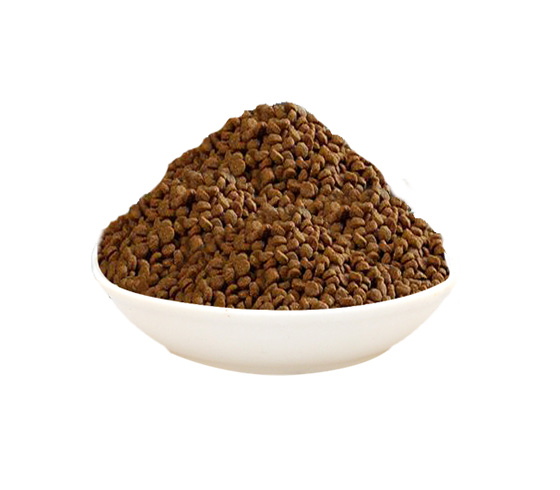
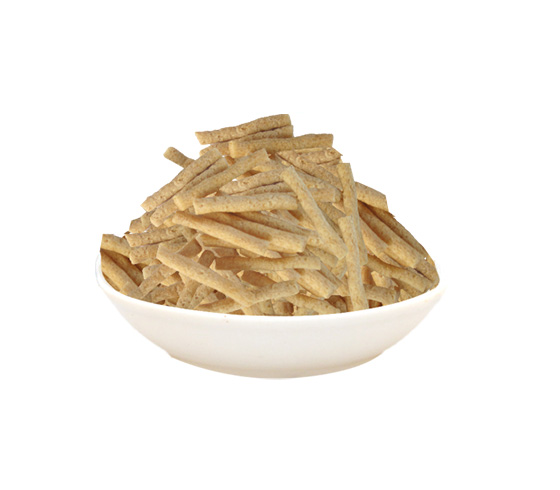
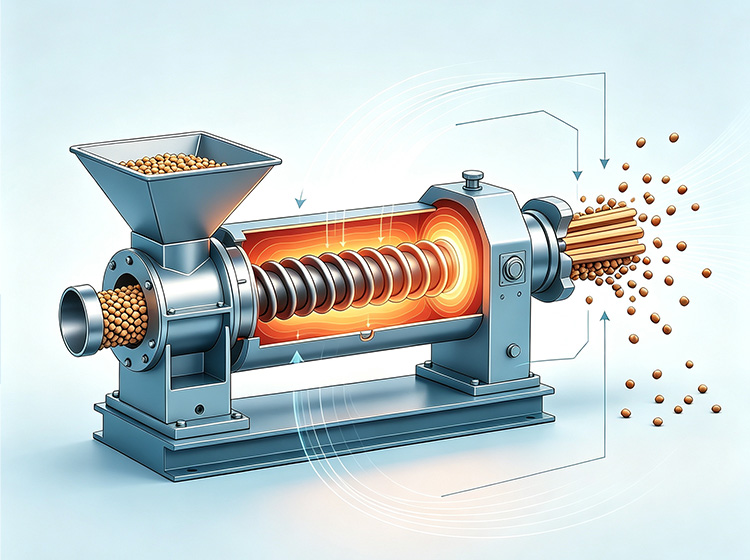
Extrusion refers to the process in which food raw materials undergo volume expansion or structural loosening after being subjected to heat or changes in pressure differential.The extrusion process refers to the stage in food production where raw materials are expanded.The processing methods vary depending on the type of puffed food.
According to GB 17401-2014 "National Food Safety Standard for Puffed Foods," puffed foods can be classified into "oil-containing puffed foods" and "non-oil-containing puffed foods."“Oil-containing puffed foods” are not equivalent to “fried foods.” They include both products made by deep-frying in edible oil and those produced by adding or spraying edible oil during the manufacturing process.
According to GB/T 22699-2008 "Puffed Foods," puffed foods can be classified into five categories based on processing technology: baked, fried, direct extrusion, specialty, and other types.
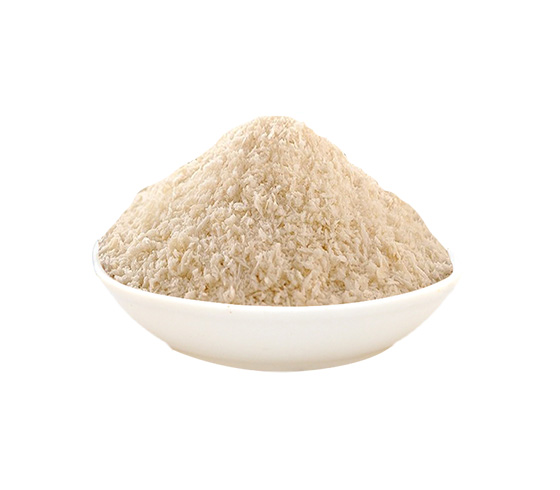
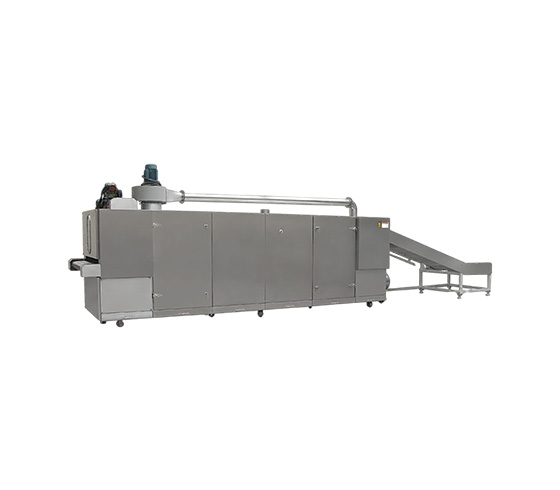
· Baking type: The raw materials are ground into powder, mixed with water and steam to form a dough, and then pressed by machinery into specific shapes.After the dough is dried, it is sprayed with edible oil and then baked with hot air or hot sand, causing the internal moisture to expand under heat and form puffing.
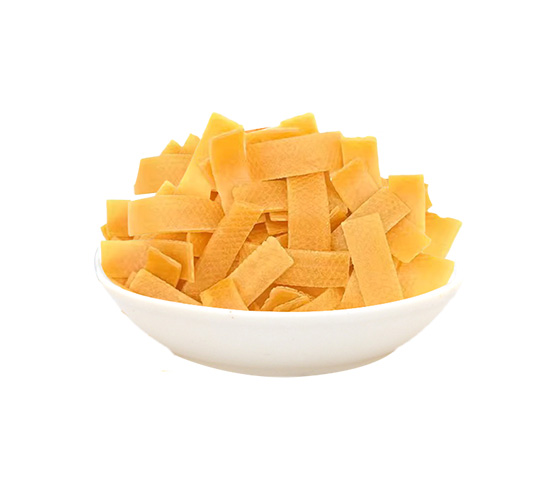
· Frying type: The raw materials are ground into powder, mixed with water and steam to form a dough, and then pressed by machinery into specific shapes.After the dough is dried, it is deep-fried in edible oil to achieve puffing.
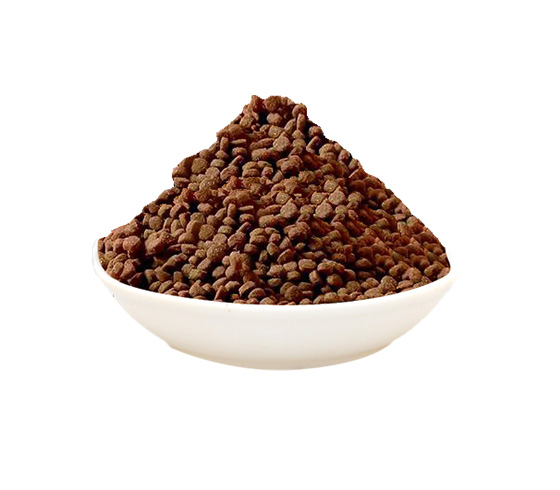
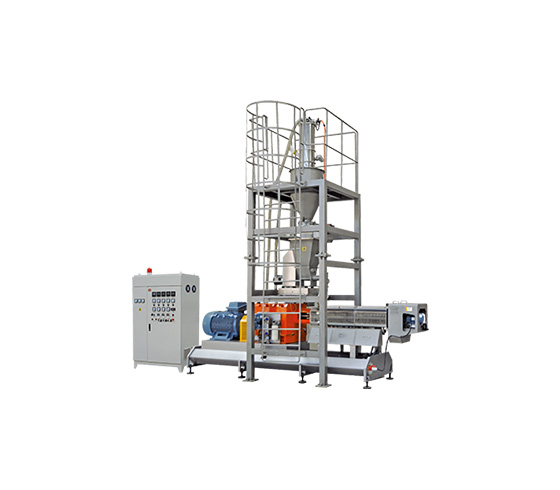
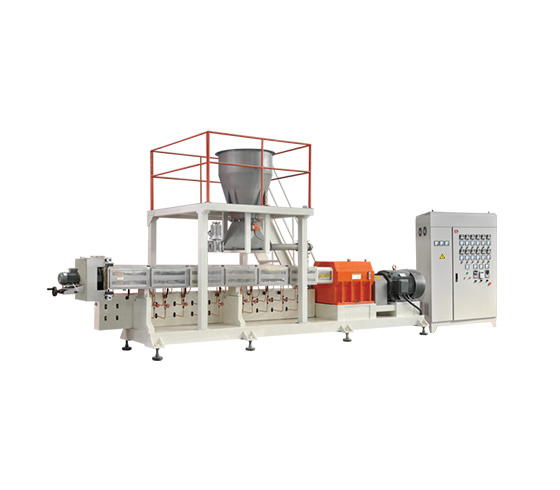
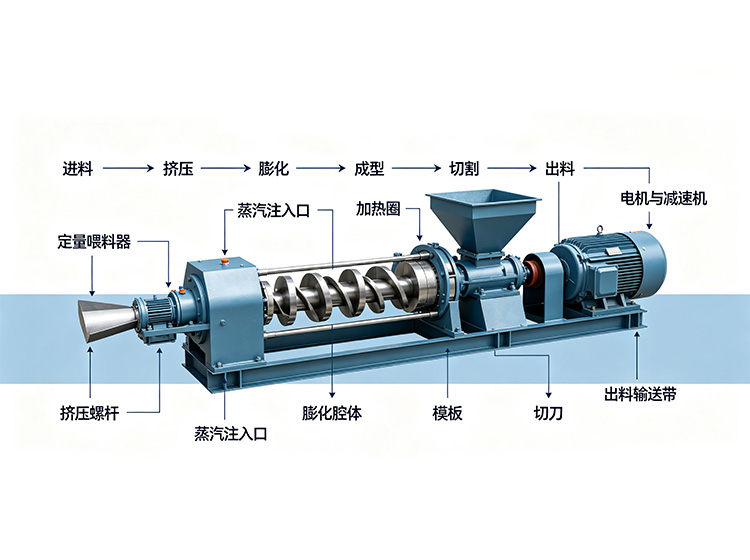
· Direct extrusion type: The raw material is extruded through an extrusion puffing machine, and under high temperature and high pressure conditions, the pressure difference between the inside and outside of the machine causes the moisture in the raw material to instantly vaporize, resulting in puffing.Extrusion technology is currently the mainstream technology for producing puffed snacks worldwide.
· Patterned type: Made from baked, fried, or directly extruded products as the base, with fillings, injected centers, or coatings of oils, sauces, nuts, and other auxiliary ingredients.
· Other types: Expanded through microwave, air flow, or vacuum methods.
As can be seen, except for fried products that appear to be associated with “high heat,” the “puffing” process for other foods is a physical processing method.Furthermore, frying and puffing do not necessarily result in oily puffed products.Oily puffing may simply refer to the addition of edible oil during baking, extrusion, or other puffing processes.
Currently, extrusion technology is the mainstream method for producing puffed snacks worldwide.Foods produced by extrusion puffing also offer advantages such as stable composition, minimal nutrient loss, and ease of digestion and absorption, playing a significant role in the production of infant formula rice cereal.
In summary, we should not demonize “puffed foods.”Puffed foods are not directly equivalent to unhealthy junk food.The main causes of stereotypes and harmful perceptions lie in the high caloric content of the raw materials themselves, as well as the use of certain seasonings and additives.Therefore, it is important to carefully check food labels when making a purchase.In addition to focusing on product types, it is more important to review the ingredient list and choose products that are free from flavor enhancers such as monosodium glutamate (MSG), as well as other excessive seasonings and additives.When cooking oil appears in the ingredient list, you may consult the merchant regarding the method and quantity of its addition.At the same time, pay attention to the fat and sodium content in the nutrition facts label, and try to choose products with low sodium and relatively low fat content.
Like other foods, puffed snacks have both advantages and disadvantages.Proper selection, attention to dietary balance, and nutritional equilibrium are more beneficial to our health.
What conditions should be considered during implementation or selection?
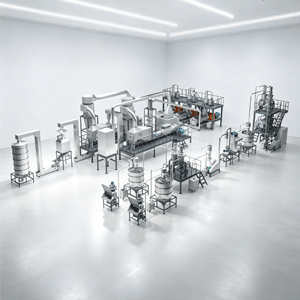
First, it is essential to clarify the product type, raw material state, formulation direction, and expected finished product requirements.For projects involving extrusion, forming, drying, frying, conveying, seasoning, or packaging, the processing capacity and cycle time of each stage must be matched to avoid discrepancies between individual equipment capacity and the overall line requirements.
Secondly, the installation plan should be evaluated in conjunction with the workshop's spatial layout and utility conditions, including power supply, water supply, steam, or gas.Equipment configuration should also take into account long-term operational factors such as cleaning, maintenance, safety protection, spare parts supply, and operator training.Any process or equipment capabilities mentioned in this document are for reference only in the context of solution discussions and preliminary assessments.Specific model numbers, power ratings, production capacities, temperatures, and times shall be subject to the formal technical proposal and the results of trial runs or on-site verification.
Frequently Asked Questions
Can the equipment be determined directly based on the standard configuration?
Not recommended.Different raw materials, product structures, target production capacities, and downstream processes can affect the equipment configuration.It is more prudent to confirm the product and process conditions before proceeding with the configuration assessment.
How to obtain more targeted advice?
It is recommended to prepare product images or sample information, raw material and formulation guidelines, target production capacity, existing workshop conditions, and planned downstream equipment configurations.Dayi Machinery can further discuss the applicable process routes and equipment configuration options based on this.
This article is based on the information provided by Dayi Machinery in "Are Extruded Snacks Really Harmful?"Data compilation, intended to help readers understand the relevant topics;For technical requirements related to specific projects, please refer to the actual product documentation and engineering confirmation results.