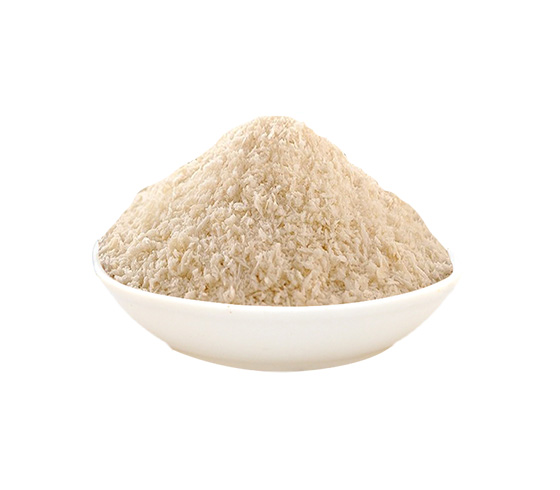
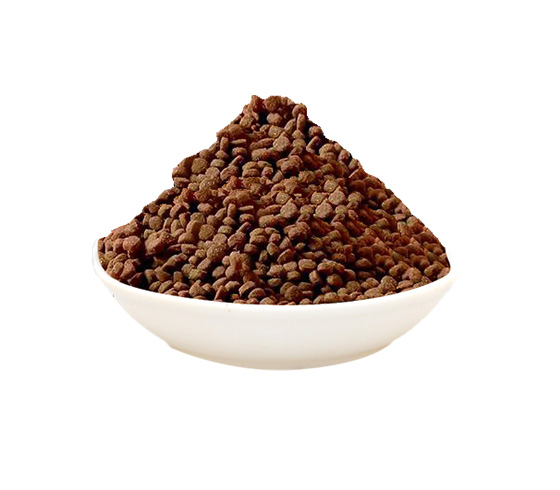
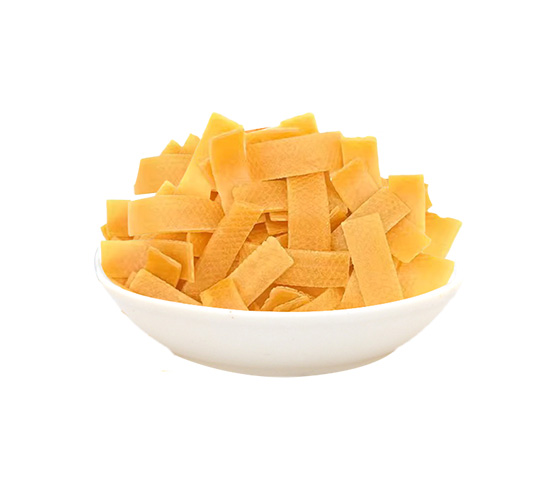
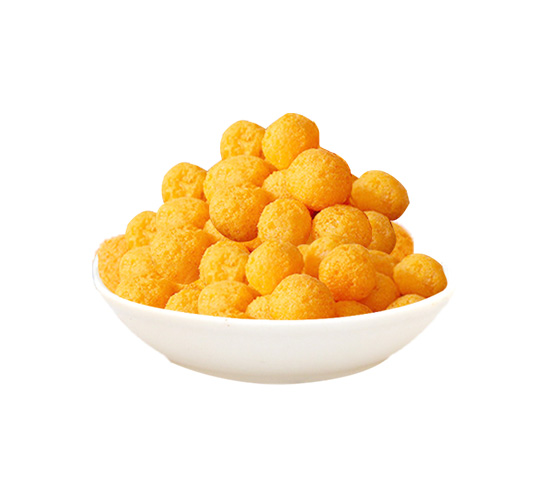
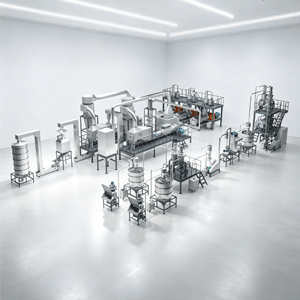
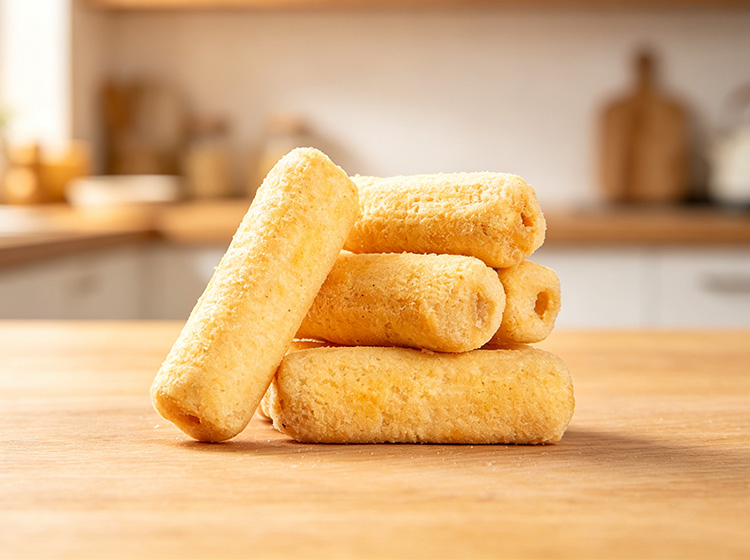
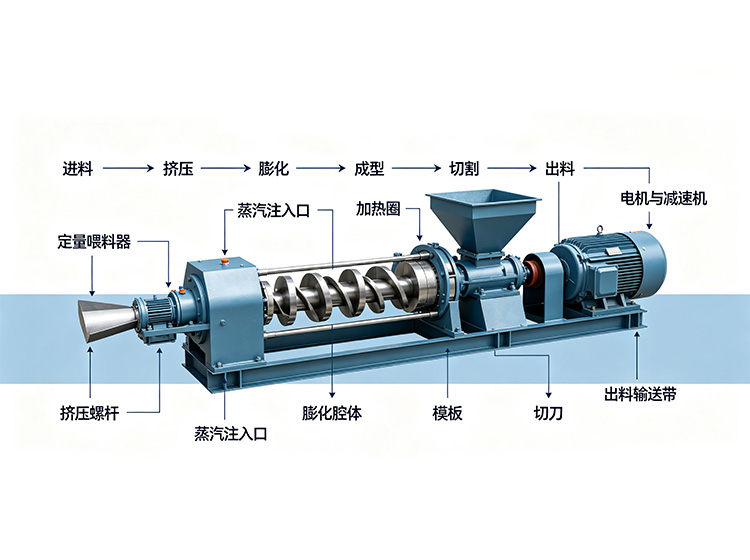
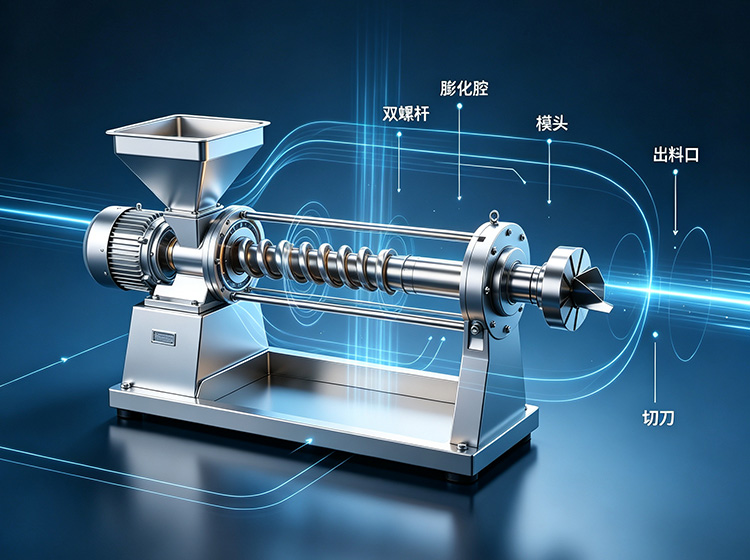
Customization and configuration of breakfast cereal production lines involve issues related to food processing and production equipment processes, selection, or operational management. Actual solutions must be confirmed based on raw material characteristics, target products, production scale, and site conditions—not solely on the parameters of a single piece of equipment.
Key Points for Customization and Configuration of Breakfast Cereal Production Lines
The earliest breakfast cereals were oat flakes, produced by steaming, flaking, and roasting. In the 1970s, developed countries in Europe and America began adopting extrusion puffing technology to manufacture breakfast cereals, after which this technology experienced rapid development and continuous upgrades. Currently, a wide variety of processing technologies are employed for breakfast cereals, primarily including: flaking-and-steaming process, grain-crushing-and-steaming process, extrusion puffing process, and microwave vacuum puffing process.
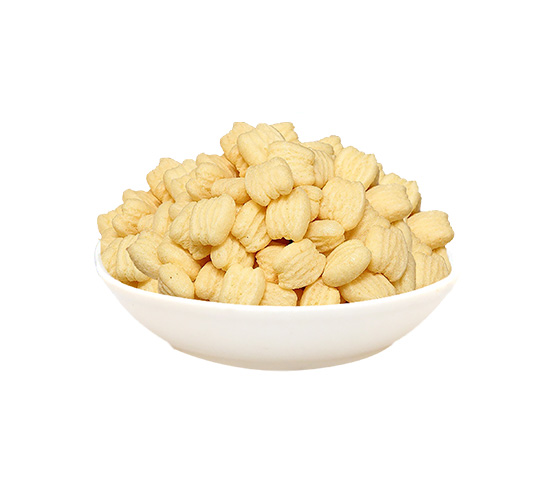
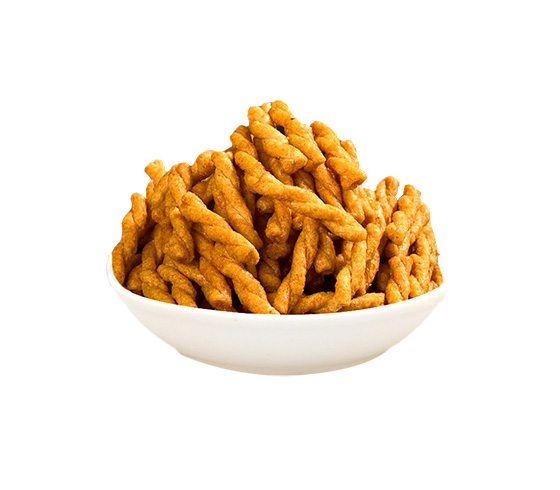
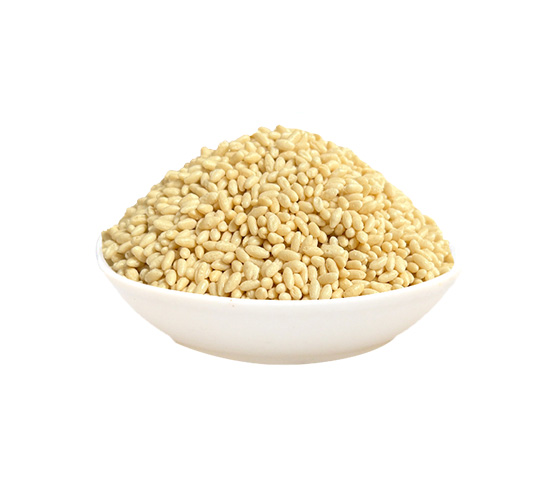
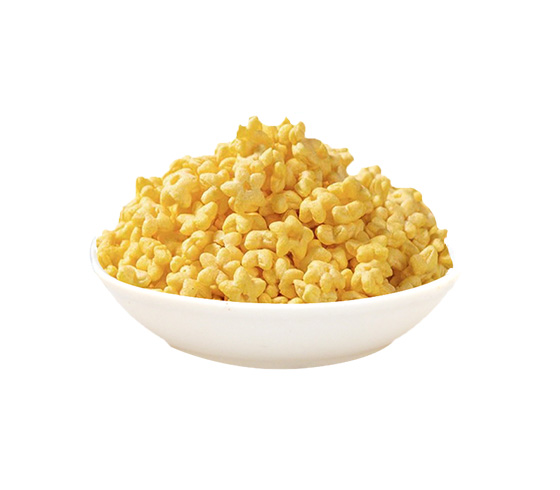
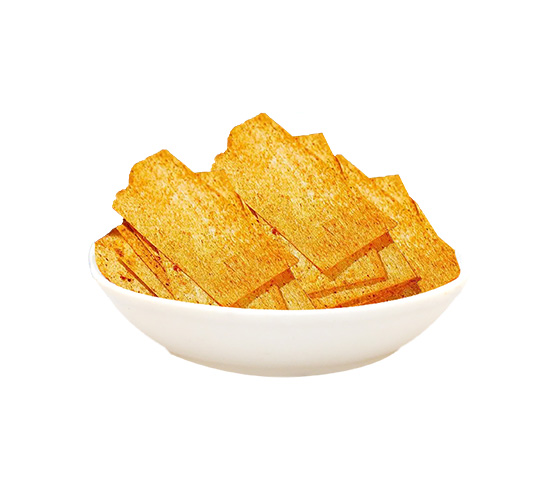
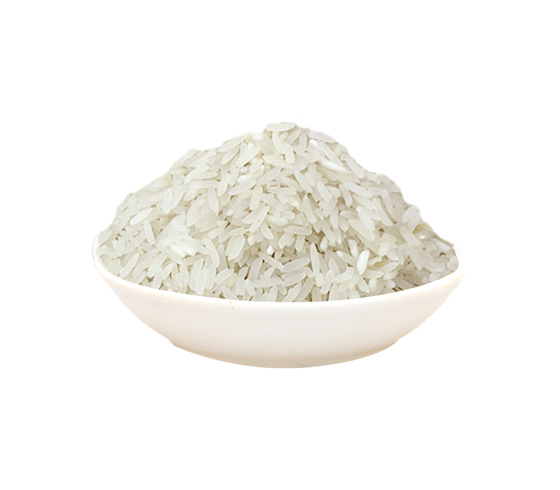
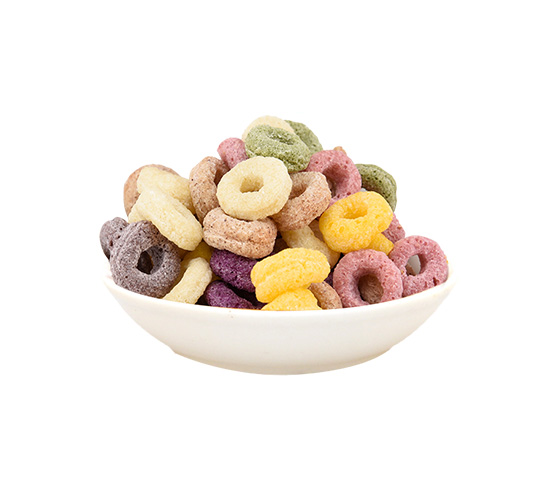
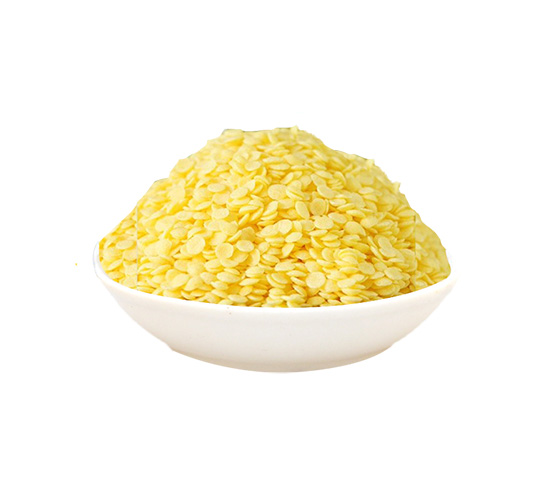
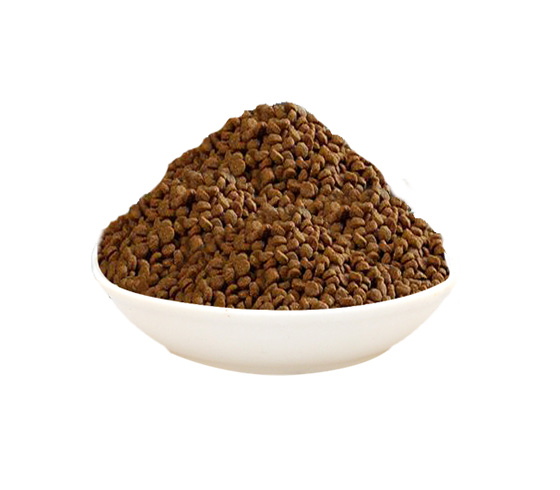
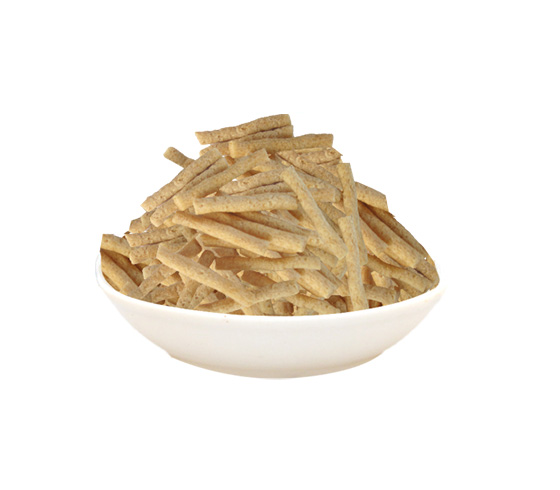
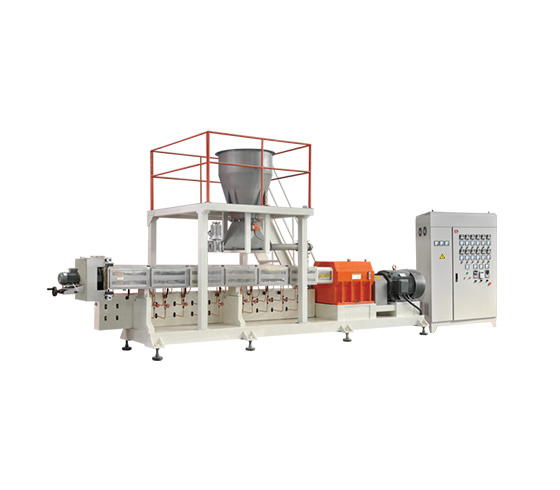
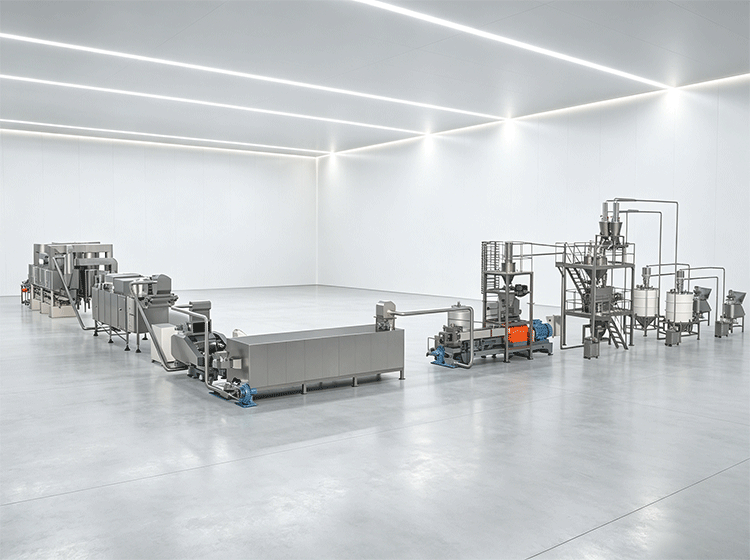
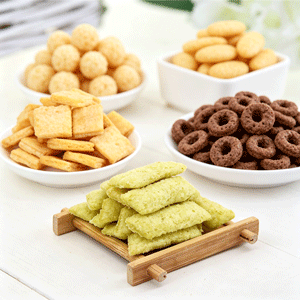
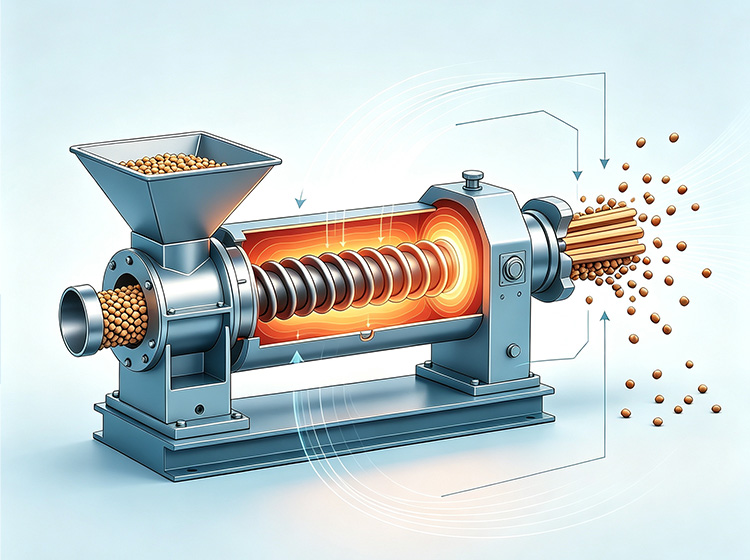
Extrusion and Expansion Process Corn Flake/Breakfast Cereal Production Line: Uses corn, wheat, oats, and other various cereals as raw materials; processed and shaped using high-quality twin-screw extruders for expansion and cooking. The resulting products are crispy in texture and highly nutritious, suitable for consumption by people of all age groups.
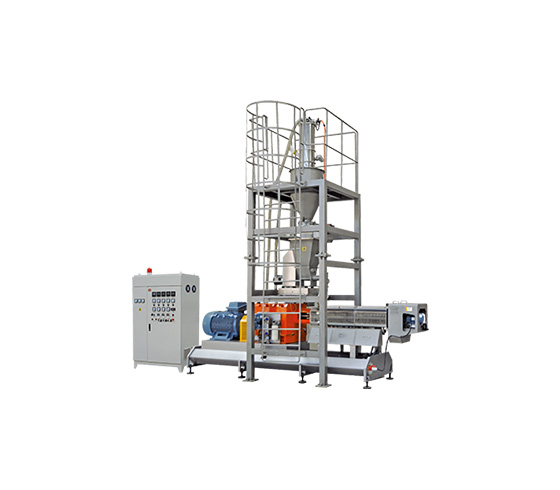
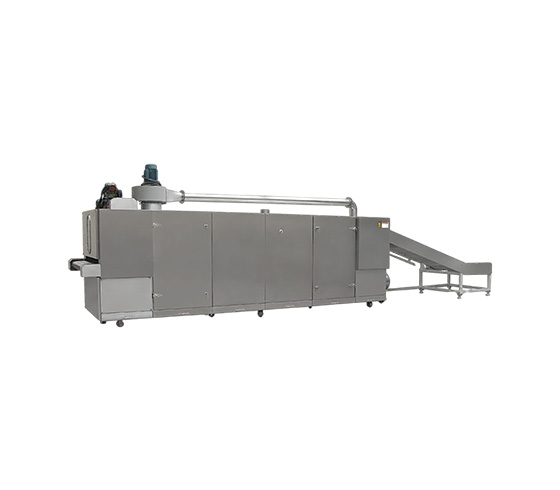
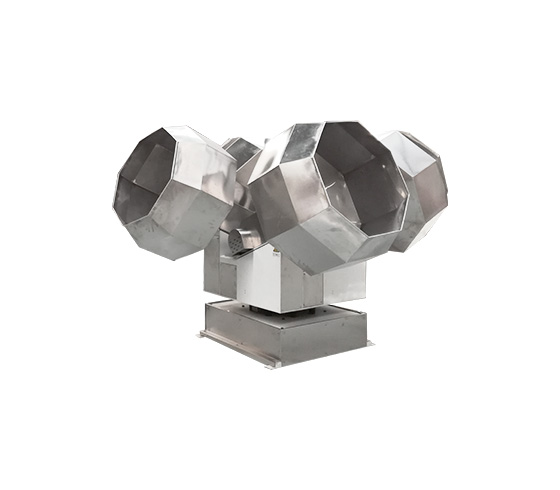
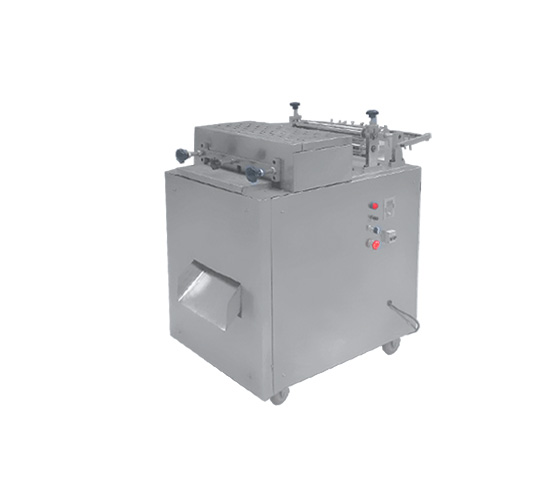
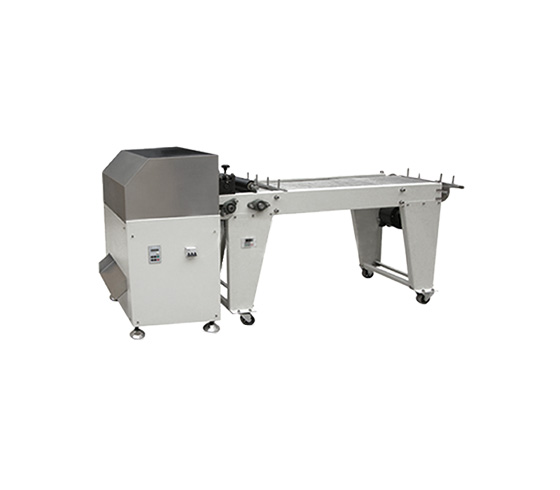
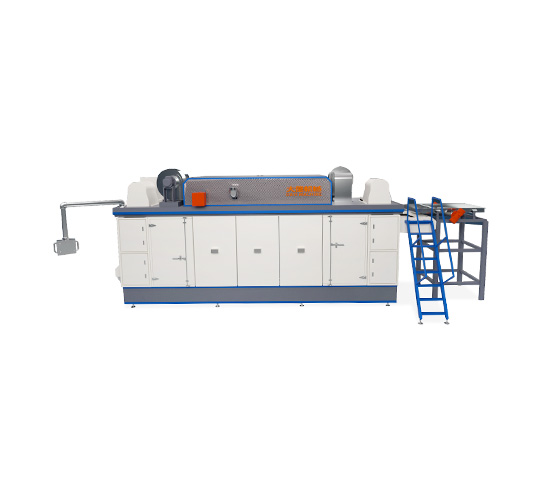
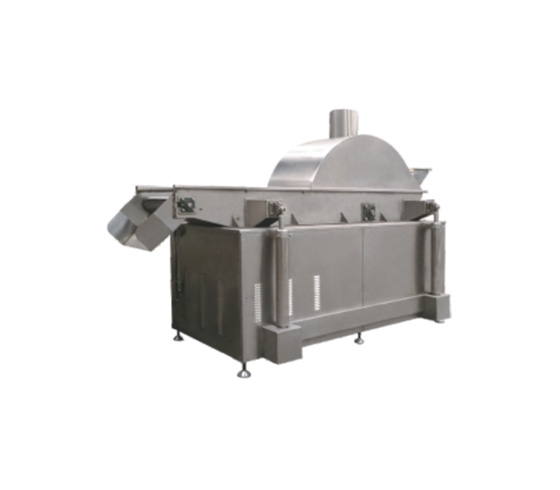
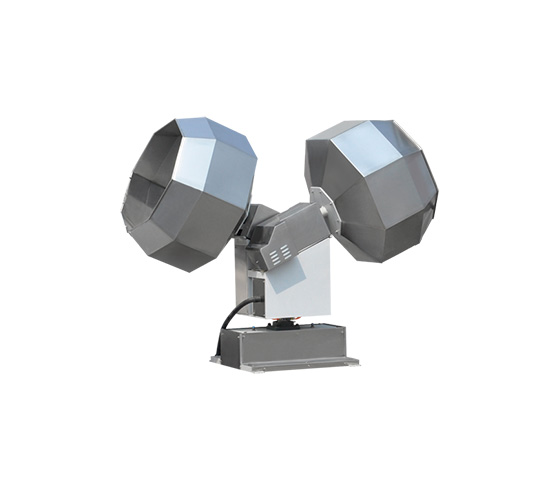
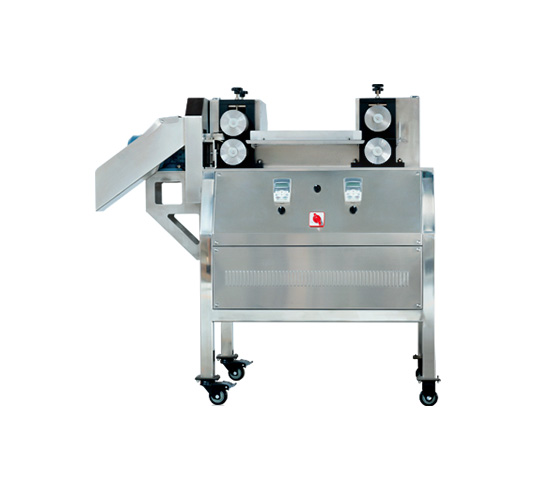
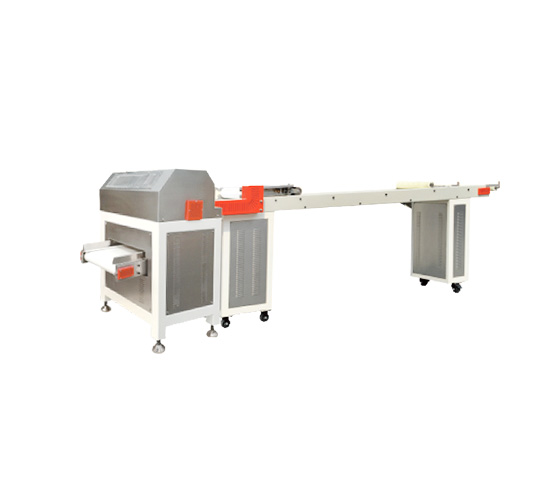
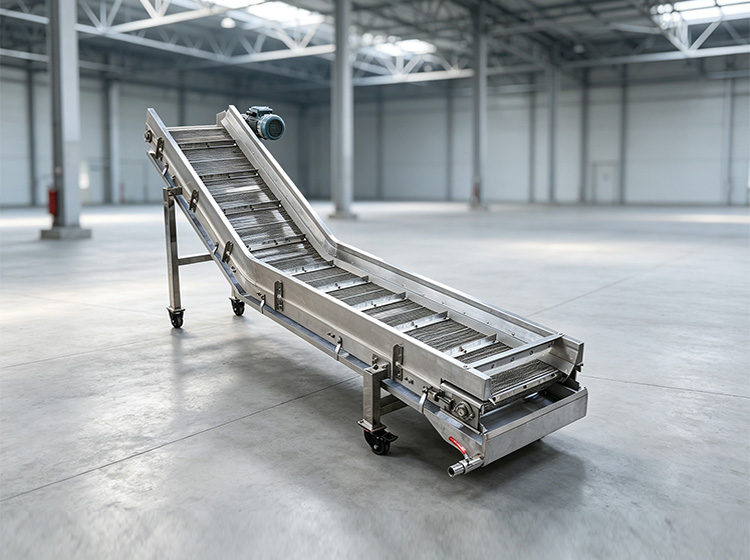
Subject: Customized and Configured Breakfast Cereal Production Line; Equipment Configuration: Flour Mixer → Screw Conveyor → Twin-Screw Extrusion Puffing Machine → Vibrating Cooler → Pneumatic Conveyor 1 → Flaking Machine → Pneumatic Conveyor 2 → Pre-Dryer → Elevator → Vibrating Feeder → Pneumatic Conveyor 3 → Sugar Spraying Machine → Oven → Cooler; Jinan Dayi Machinery Technology Co., Ltd. is located in the beautiful Spring City—Jinan. The company has long been engaged in the research and development of food production line machinery and processing technologies, adhering to standardized production processes and automated control operation concepts, and focusing on developing stable and reliable production equipment. The company’s design team possesses extensive experience in equipment design, R&D, commissioning, and production, and is supported by responsible on-site engineering personnel dedicated to production and commissioning tasks, enabling us to provide you with standardized design, production, and commissioning procedures.
What conditions should be considered during implementation or selection?
First, the product type, raw material condition, formulation direction, and expected finished product requirements must be clearly defined. For projects involving extrusion, forming, drying, frying, conveying, flavoring, or packaging, the processing capacity and cycle time of each stage must be matched to avoid inconsistencies between the capacity of individual equipment and the overall line requirements.
Next, the installation plan should be evaluated based on workshop space, power supply, water supply, steam or gas utility conditions. Equipment configuration should also consider long-term operational factors such as cleaning, maintenance, safety protection, spare parts availability, and operator training. Any process parameters or equipment capabilities mentioned herein are for reference only in preliminary discussions and initial assessments; specific model numbers, power ratings, production capacities, temperatures, and time settings shall be determined by the formal technical proposal and confirmed through machine testing or on-site validation.
Frequently Asked Questions
Can the equipment be determined directly based on the standard configuration?
Not recommended. Different raw materials, product structures, target production capacities, and downstream processes affect equipment configuration. It is more reliable to first confirm the product and process conditions, then conduct a configuration assessment.
How can I obtain more targeted recommendations?
It is recommended to prepare product images or sample information, raw material and formulation details, target production capacity, existing workshop conditions, and planned downstream equipment configuration. DAYI Machinery can then further discuss suitable process routes and equipment configuration options.
This article is compiled based on Dayi Machinery’s “Customization and Configuration of Breakfast Cereal Production Line” documentation, intended to assist readers in understanding the relevant subject matter; for technical requirements pertaining to specific projects, refer to the actual product documentation and engineering confirmation results.