Key considerations for the dog chew production line involve food processing and equipment-related issues, including process design, equipment selection, and operational management. Actual solutions must be confirmed based on raw material characteristics, target products, production capacity, and site-specific conditions—not solely on individual equipment parameters.
Core Production Points of the Dog Chew Production Line
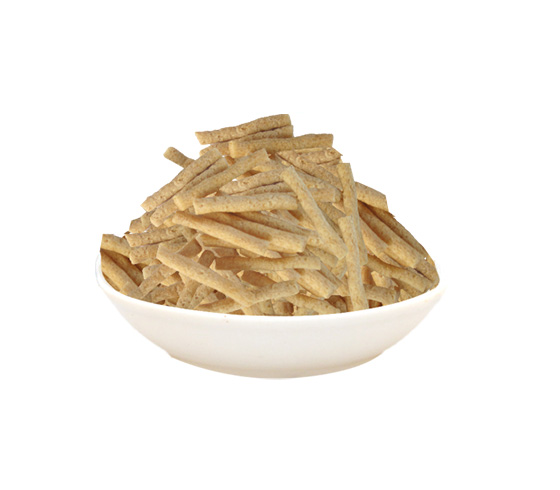
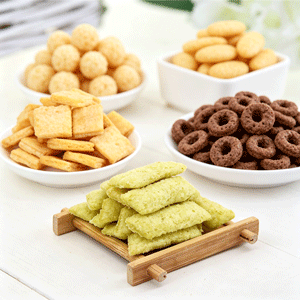
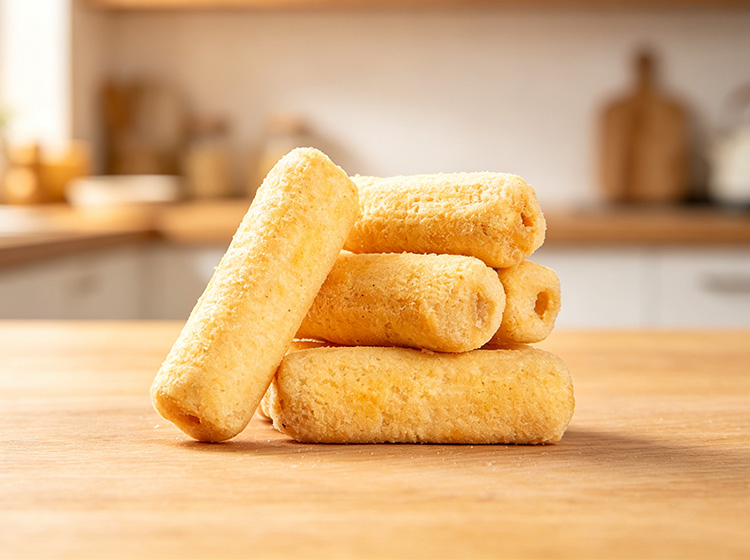
Pet chewing product production line specifically designed for manufacturing dog chews. This production line utilizes a unique extrusion process and molds to produce chewing products in various shapes, including strips, rods, knots, two-color, or multi-color filled varieties.
Dog Chew Production Process
Raw material preparation → Mixing → Extrusion forming → Cooling and conveying → Cutting machine → Conveying → Drying → Packaging.
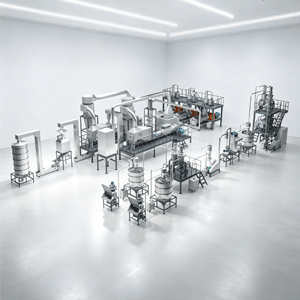
Dog Chew Equipment Configuration and Introduction
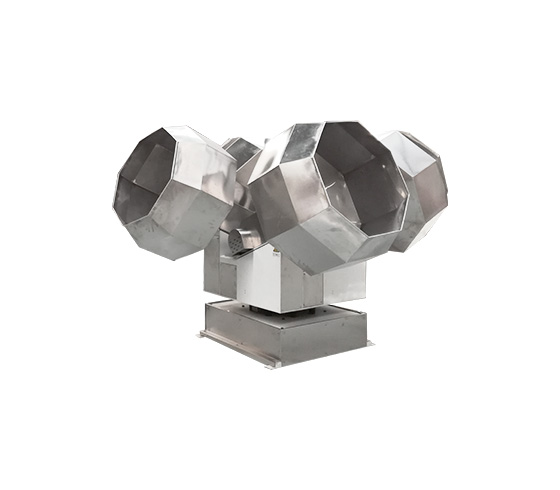
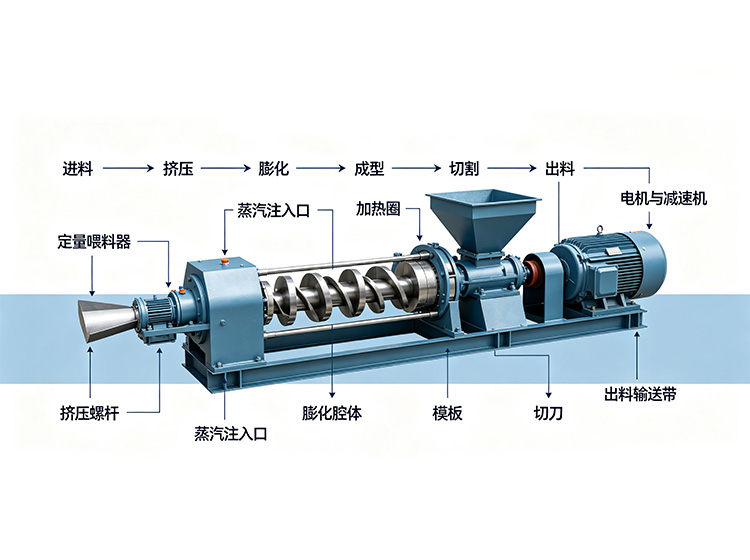
① Mixer → ② Screw Conveyor → ③ Single-Screw Extrusion Expander → ④ Cooler → ⑤ Cutter → ⑥ Elevator → ⑦ Oven.
Mixer: Adds water to raw materials at a specified ratio and mixes them uniformly.
Screw Conveyor: Powered by a motor to convey mixed raw materials to the feed hopper of the extrusion expander, ensuring convenient and rapid feeding.
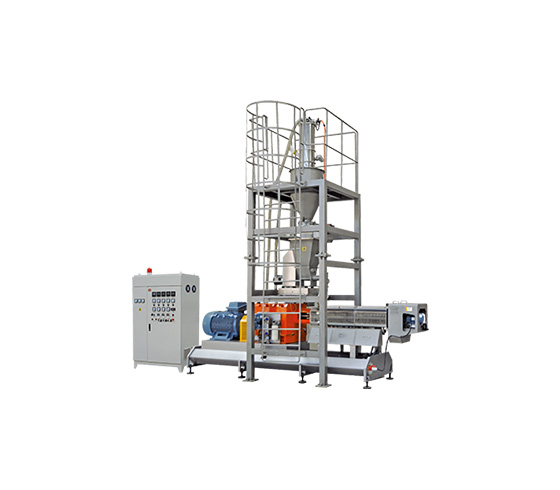
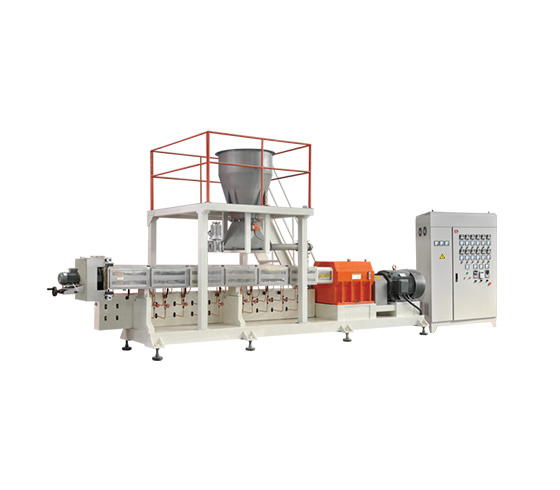
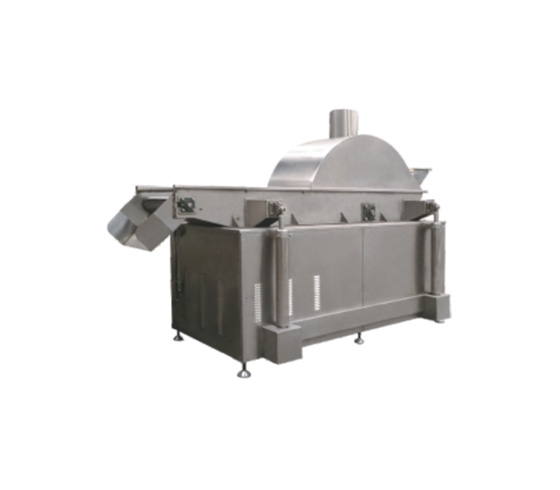
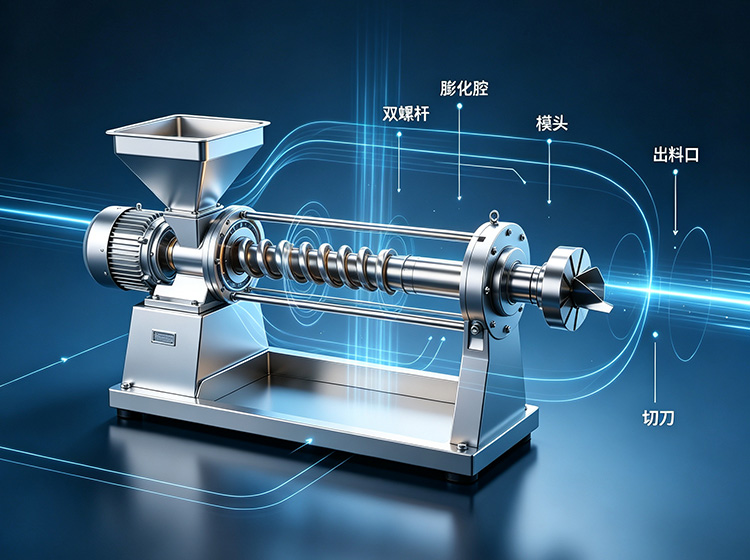
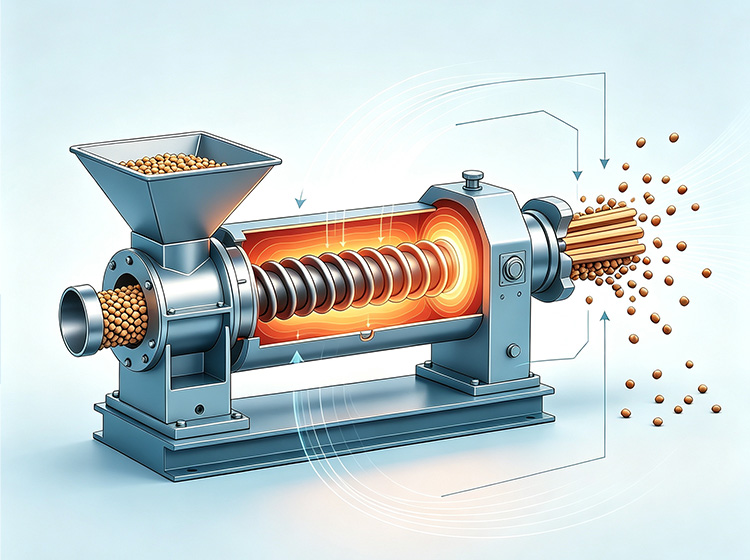
Single-Screw Extrusion Expander: Under high-temperature and high-pressure conditions and screw extrusion action, the specific particle size and shape of the product can be adjusted by varying the feed rate from different production departments (main machine).
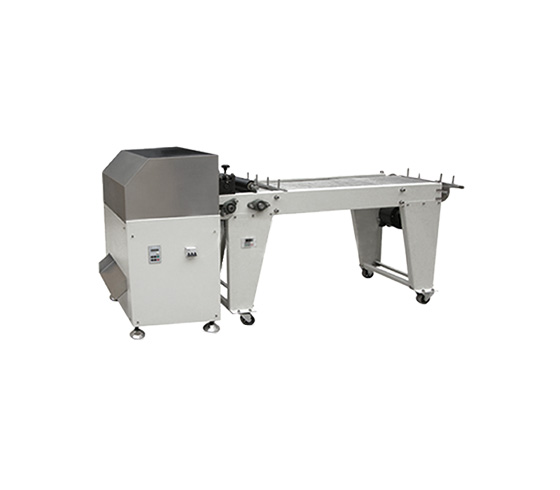
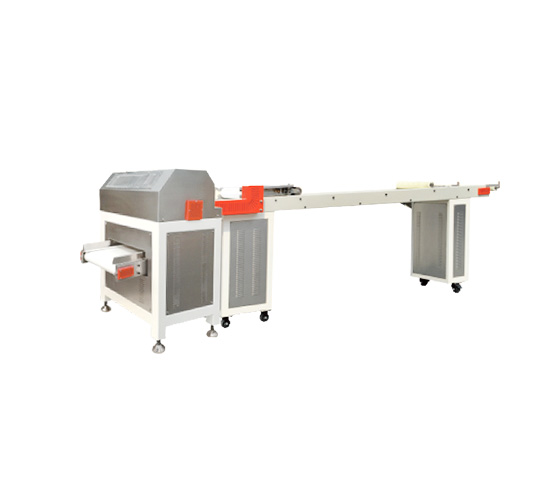
Cooler: Traction cooling and conveying of material.
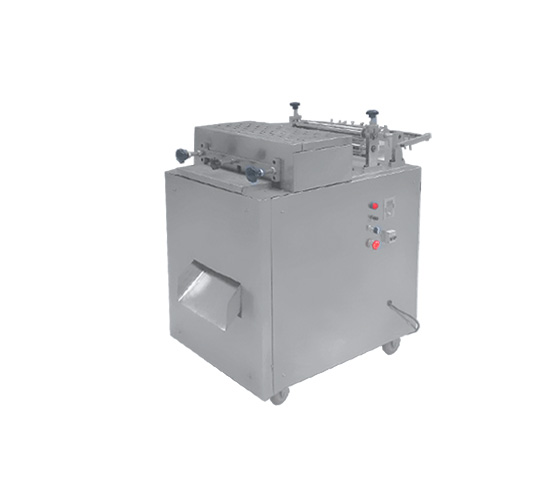
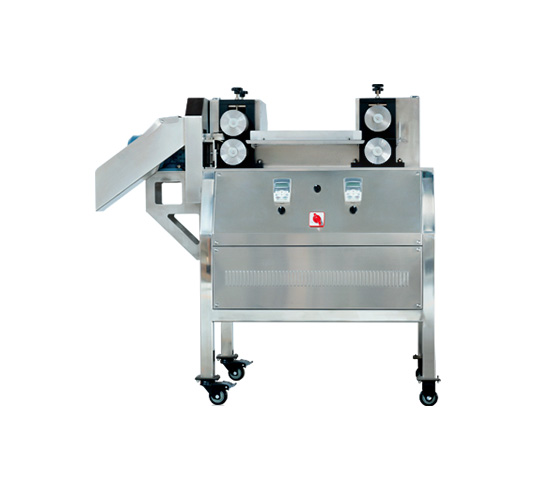
Cutting Machine: Cuts gels into different sizes as required.
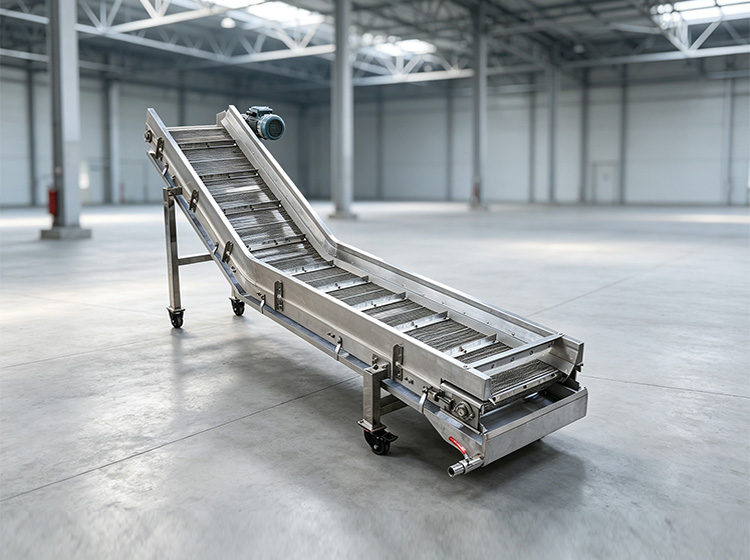
Elevator: Used for lifting and loading/unloading materials.
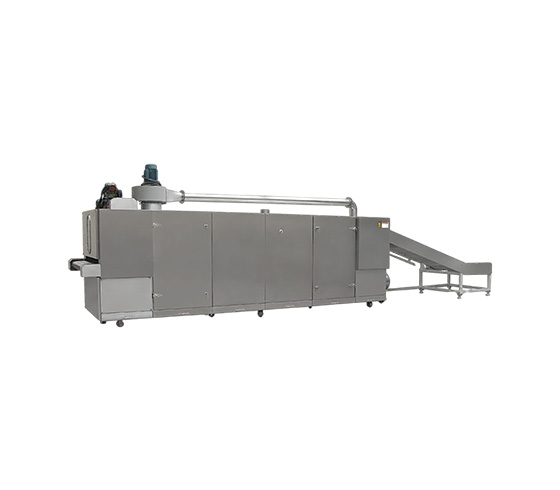
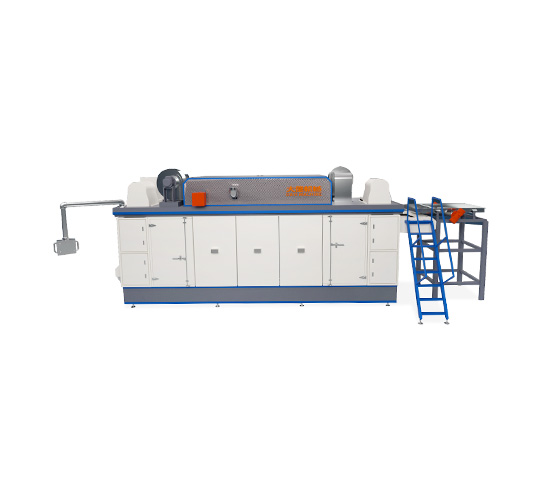
Oven: Dries materials, reduces moisture content of feed pellets, enhances gelatinization rate, and extends shelf life.
Advantages of This Dog Chew Production Line
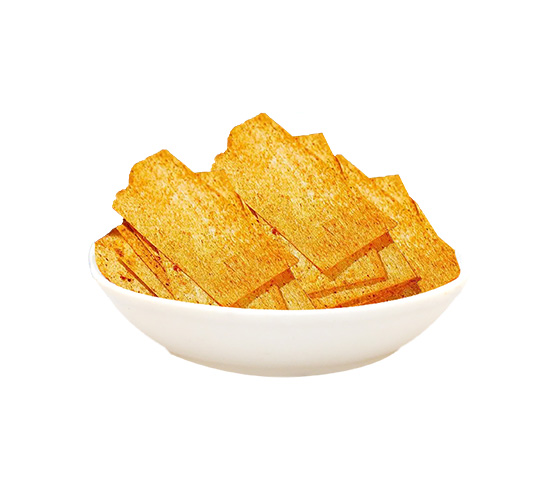
Technical Aspects: This pet food production line primarily uses powdered starch, gelatin, and other food-grade raw materials with high expansion rates. After extrusion cooking, the resulting products exhibit strong overall adhesion, high density, and rich nutrition. These products offer excellent palatability and strong appetite stimulation, meeting pets’ diverse needs—including dental cleaning, calcium supplementation, and mood enhancement—at different life stages. Therefore, compared to conventionally produced, non-intensive extruded pet chews (e.g., handcrafted pork skin jerky), the pet chews produced by this production line deliver superior texture, higher nutritional value, greater toughness, enhanced chew resistance, improved digestibility, and significantly lower parasite content—offering distinct advantages in terms of palatability.
Process aspect: This pet chew production line operates with no noise, dust, or other severe pollution.
Operation: This pet chew processing line occupies minimal floor space, is easy to operate, and requires no additional labor, thereby minimizing users’ labor costs.
What conditions should be considered during implementation or selection?
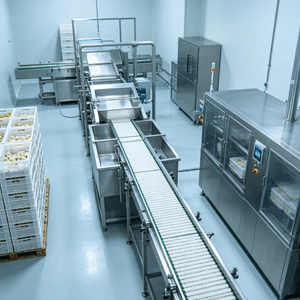
First, clarify the product type, raw material condition, formulation direction, and expected finished product requirements. For projects involving extrusion, forming, drying, frying, conveying, flavoring, or packaging, the processing capacity and cycle time of each stage must be matched to avoid mismatches between the capacity of individual equipment and the overall line requirements.
Secondly, the installation plan should be evaluated in conjunction with workshop space, power supply, water supply, steam or gas utility conditions. Equipment configuration should also consider long-term usage factors such as cleaning, maintenance, safety protection, spare parts availability, and operator training. Where process parameters or equipment capabilities are mentioned herein, they serve only as references for preliminary discussion and initial assessment; specific model numbers, power ratings, production capacities, temperatures, and time settings shall be determined based on the formal technical proposal and confirmed through machine testing or on-site verification.
Frequently Asked Questions
Can the equipment be determined directly based on the standard configuration?
Not recommended. Different raw materials, product structures, target production capacities, and downstream processes affect equipment configuration. It is more reliable to first confirm the product and process conditions, then conduct a configuration assessment.
How can I obtain more targeted recommendations?
We recommend preparing product images or sample information, raw material and formulation details, target production capacity, existing workshop conditions, and planned downstream equipment configuration. Based on this information, Dayi Machinery can further discuss suitable process routes and equipment configuration options.
This article is compiled based on Dayi Machinery’s “Key Production Points for Dog Chew Production Line” document, intended to assist readers in understanding the relevant subject matter; for technical requirements of specific projects, refer to the actual product documentation and engineering confirmation results.