Pet Food Drying Equipment

Published:2026-07-18

Pet food drying equipment involves process, selection, or operational management issues related to food processing and production equipment.The actual solution should be confirmed based on raw material characteristics, target product specifications, production scale, and on-site conditions, and should not be determined solely by single equipment parameters.

Key Points of Pet Food Drying Equipment

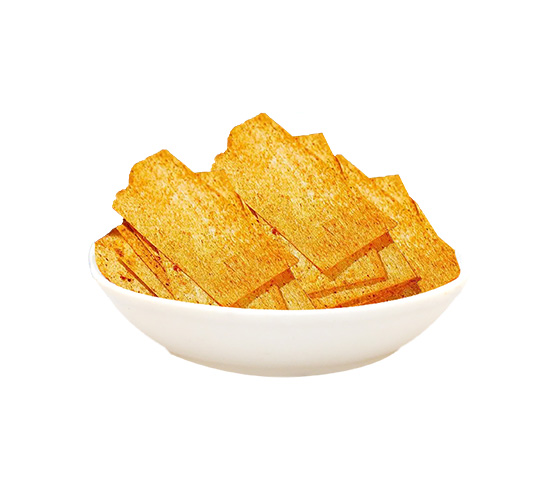
As is well known, Wenzhou was once a famous “leather capital,” with its leather bags, shoes, and other products enjoying nationwide renown.In recent years, as the government has increased its emphasis on environmental protection, the leather industry, which pollutes the environment, has been restricted. Resourceful businesspeople in Wenzhou have turned their attention to the production of “dog chews,” which also use pigskin, cowhide, and other raw materials. This shift not only enhances the added value of the products but also meets environmental protection requirements.Taking Pingyang County in Wenzhou City as an example, there are currently nearly a hundred pet food processing plants of varying sizes.

Pigskin or beefskin used for producing dog chews are first naturally sun-dried after cleaning, and then moisture is removed through drying equipment.Traditional drying methods often rely on firewood, coal, or biomass boilers for heat supply, resulting in severe environmental pollution.Furthermore, traditional drying methods suffer from a significant drawback: uneven drying. Due to variations in airflow, the degree of drying differs between upper and lower layers and across left and right sides, necessitating frequent material turning. This results in extremely high labor costs and increases the risk of severe secondary contamination of the materials.Given that traditional drying equipment pollutes the environment and coal-fired boilers are being gradually banned by the government, pet food processing plants are beginning to seek new drying methods.

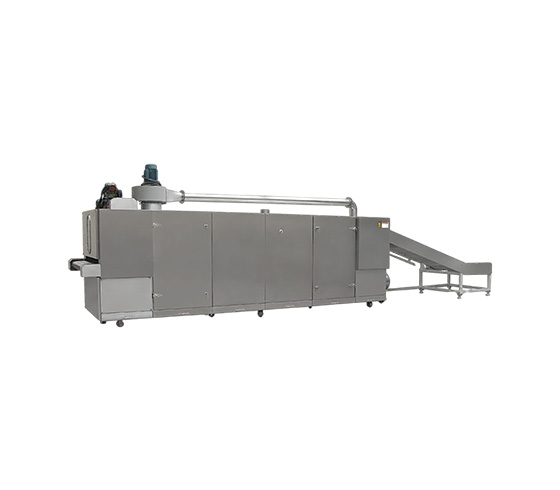
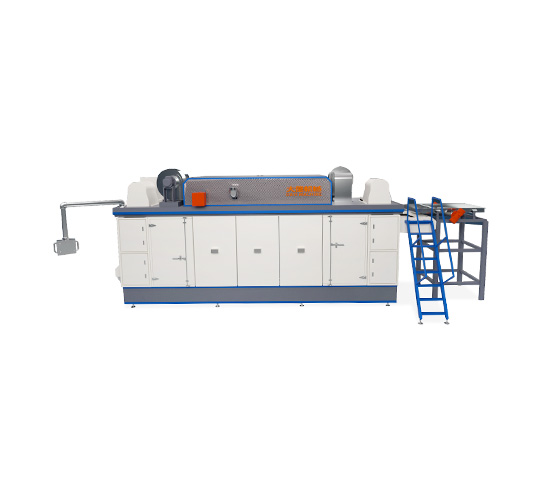
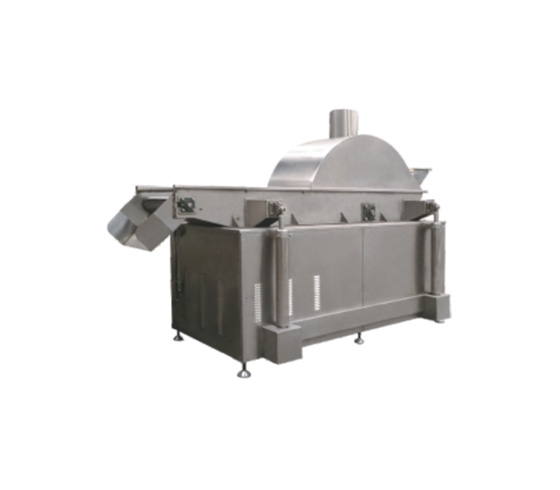
The pet food dryer is required to dry various types of pet food in different specifications. The drying time varies by product, typically ranging from 2 to 4 days (48–96 hours). Each drying cycle can process 4–6 tons of wet material, yielding 1–2 tons of finished product.During the drying process, hot air circulates within the drying chamber, with no exhaust gas or waste emissions, ensuring both environmental protection and the hygienic safety of the materials.The equipment can operate automatically for 24 hours without the need for dedicated personnel to monitor it.

The pet food dryer requires rapid heating in the initial stage to set the material's shape, followed by a two-hour high-temperature sterilization and disinfection process in the later stage.Throughout the entire drying process, high uniformity of temperature within the drying room and minimal temperature differences between the front and rear are required; the temperature difference between the front and rear of the drying room must not exceed 4°C.

Air-source heat pumps deliver excellent drying performance, with drying quality far superior to that of coal-fired drying. Their operating costs are roughly comparable to those of coal-fired systems, yet they eliminate concerns about environmental inspections and significantly reduce labor costs.

What conditions should be considered during implementation or selection?

First, it is essential to clarify the product type, raw material state, formulation direction, and expected finished product requirements.For projects involving extrusion, forming, drying, frying, conveying, seasoning, or packaging, the processing capacity and cycle time of each stage must be matched to avoid discrepancies between individual equipment capacity and the overall line requirements.

Secondly, the installation plan should be evaluated in conjunction with the workshop's spatial layout and utility conditions, including power supply, water supply, steam, or gas.Equipment configuration should also take into account long-term operational factors such as cleaning, maintenance, safety protection, spare parts supply, and operator training.Any process or equipment capabilities mentioned in this document are for reference only in the context of solution discussions and preliminary assessments.Specific model numbers, power ratings, production capacities, temperatures, and times shall be subject to the formal technical proposal and the results of trial runs or on-site verification.

Frequently Asked Questions

Can the equipment be determined directly based on the standard configuration?

Not recommended.Different raw materials, product structures, target production capacities, and downstream processes can affect the equipment configuration.It is more prudent to confirm the product and process conditions before proceeding with the configuration assessment.

How to obtain more targeted advice?

It is recommended to prepare product images or sample information, raw material and formulation guidelines, target production capacity, existing workshop conditions, and planned downstream equipment configurations.Dayi Machinery can further discuss the applicable process routes and equipment configuration options based on this.

This article is compiled based on the "Pet Food Drying Equipment" documentation provided by Dayi Machinery, with the aim of helping readers understand the relevant topics.For technical requirements related to specific projects, please refer to the actual product documentation and engineering confirmation results.