Selecting Direct-Puffed Snack Production Equipment

Published:2026-07-18

Selection of direct extrusion snack food production equipment involves issues related to food processing and production equipment technology, selection, or operational management. Actual solutions must be confirmed based on raw material characteristics, target products, production capacity, and site conditions—not solely on individual equipment parameters.

Core Selection Criteria for Direct Expansion Snack Food Production Equipment

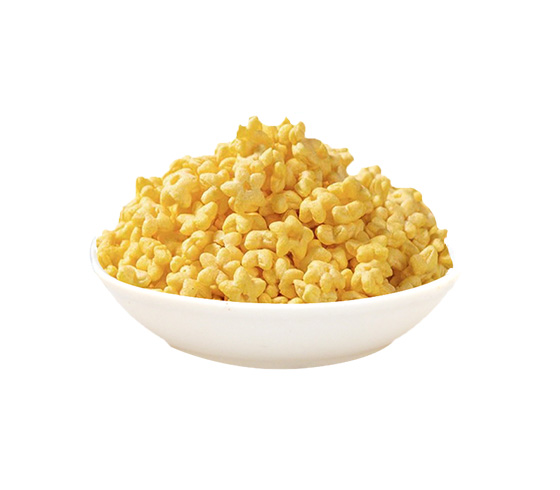
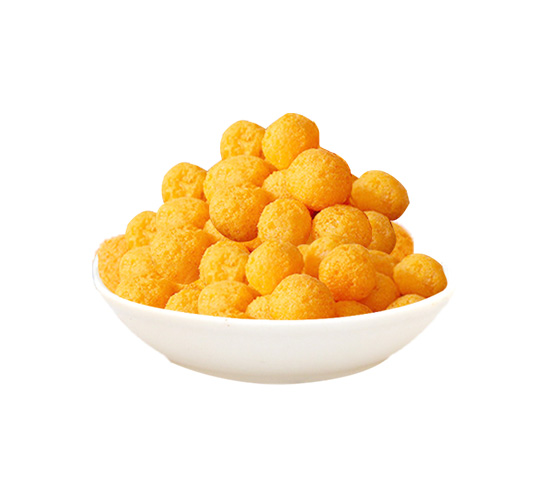
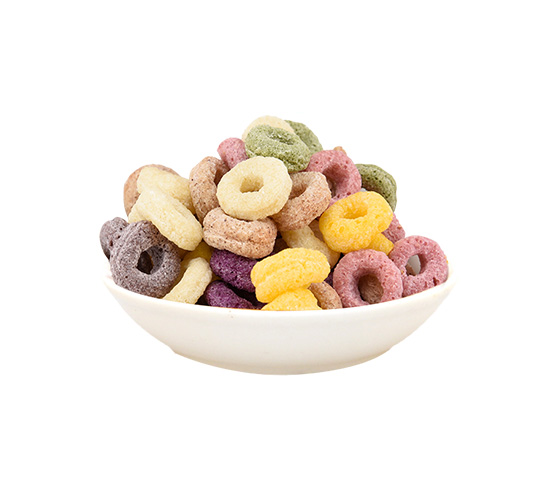
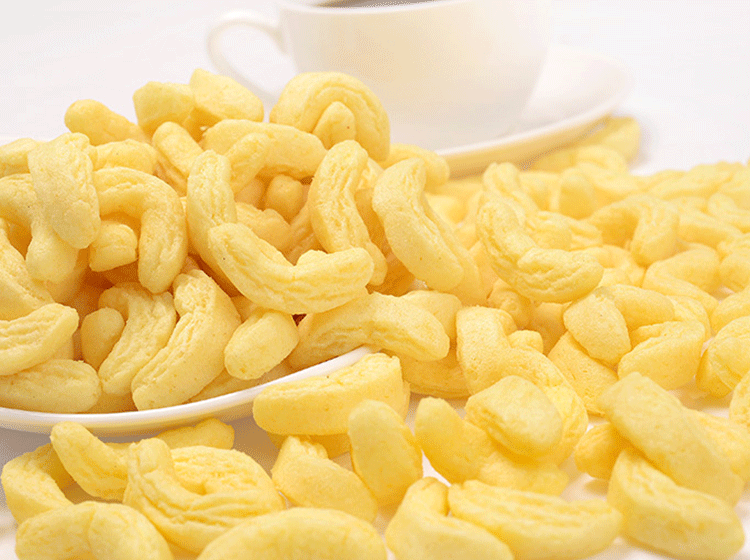
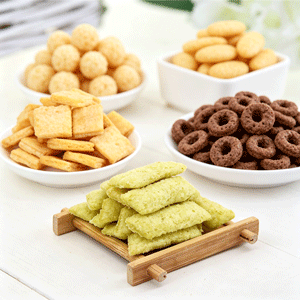
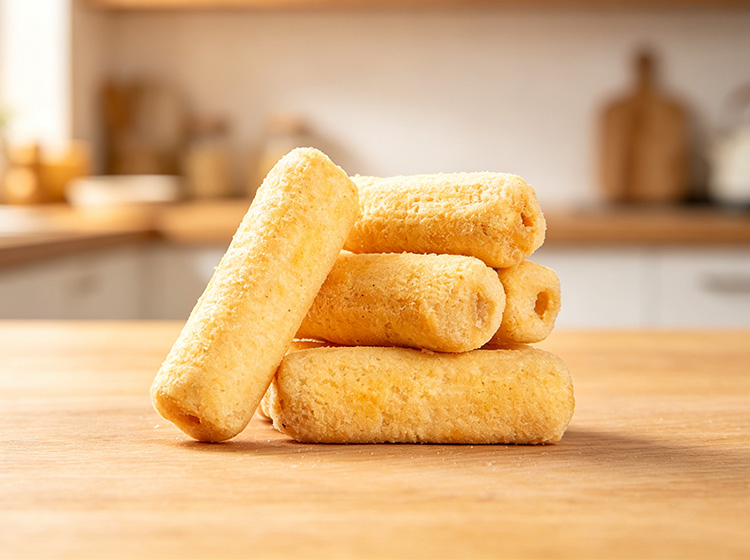
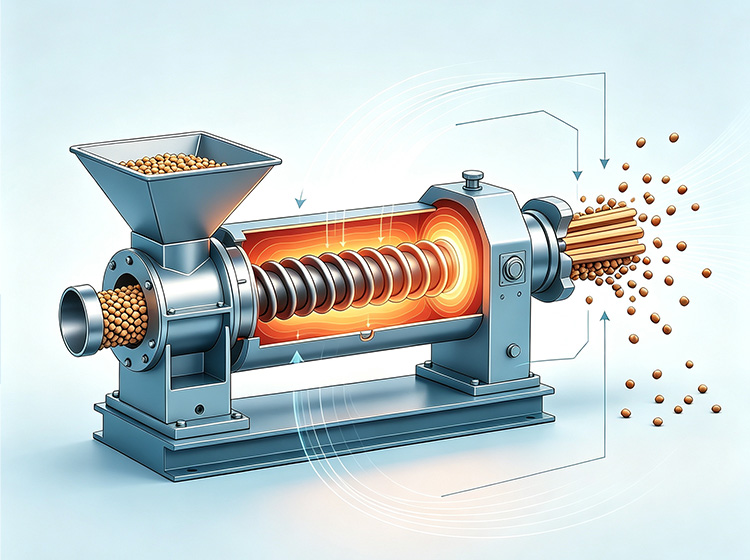
Direct-expanded snack foods are a category of food with extremely high consumption volumes.Depending on the characteristics of the extrusion expander used,This type of product is also known as corn puffs.In recent years,This type of food is collectively referred to as direct-expanded food.Usually,Direct-expanded food products are produced on high-shear cooking extruders.The name of this type of product derives from the fact thatThis is because the material undergoes direct expansion as it extrudes from the die of the extrusion expander.No additional post-processing steps required beyond drying.Typical examples of puffed snack foods include tacos (baked or fried),Onion rings,Potato chips and other three-dimensional snack foods that have emerged in recent years.

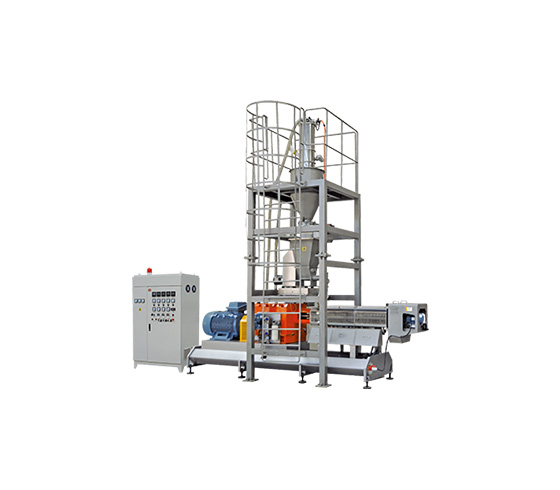
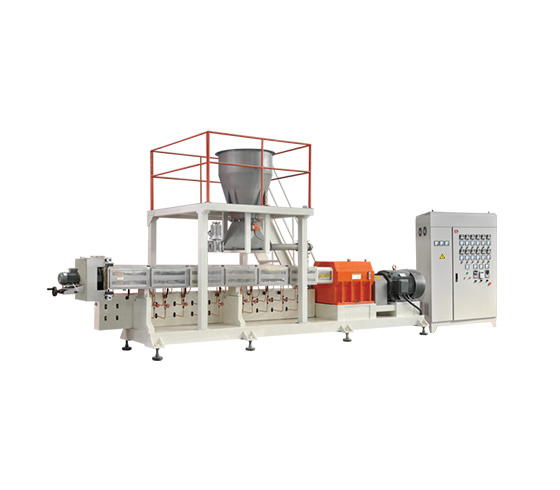
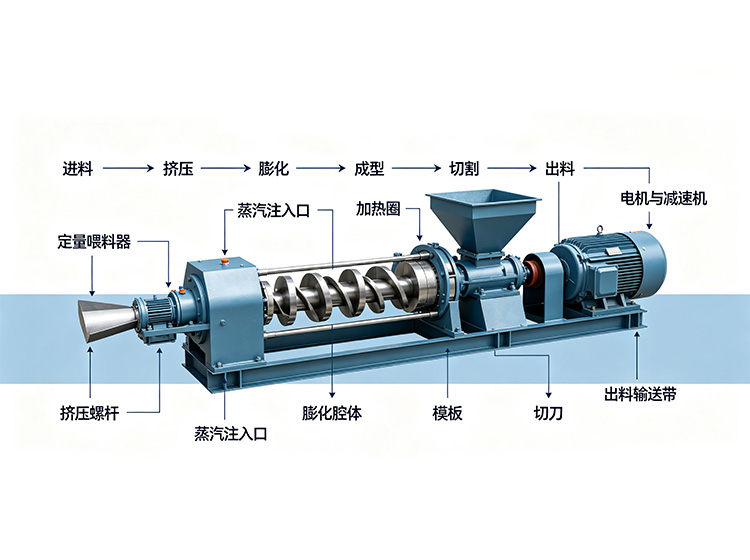
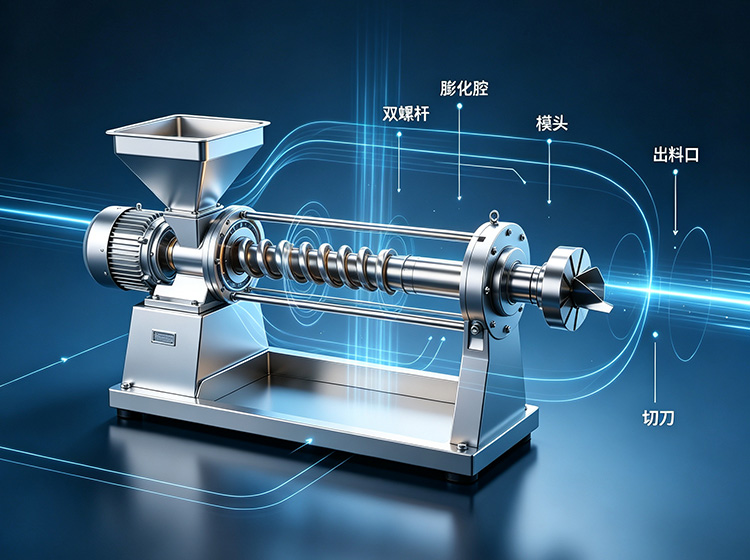
The puffing process for direct-expanded snack foods is achieved by heating the material to above 100 ℃. Inside the extrusion puffer, the dough remains under high pressure, keeping its moisture in liquid form; when the dough is extruded through the die, the superheated moisture is suddenly exposed to atmospheric pressure, causing a rapid pressure drop and instantaneous evaporation of moisture into steam. This results in a stretched, expanded starch matrix that imparts low density and a light texture to the product, with an overall density typically ranging from 50 to 160 g/L. The shape and size of such products depend on die design, viscoelastic properties of the extrudate, and cutting method. Equipment used to produce these products may be either simple jacketed extrusion puffers or twin-screw extrusion puffers. Jacketed extrusion puffers are commonly used for producing products such as corn curls. If higher requirements exist for raw material formulation, more complex single-screw extrusion puffers or twin-screw extrusion puffers should be selected. Typical production capacities of various equipment types are: jacketed extrusion puffer—50–200 kg/h; long-barrel single-screw extrusion puffer—100–600 kg/h; twin-screw extrusion puffer—150–1000 kg/h.

What conditions should be considered during implementation or selection?

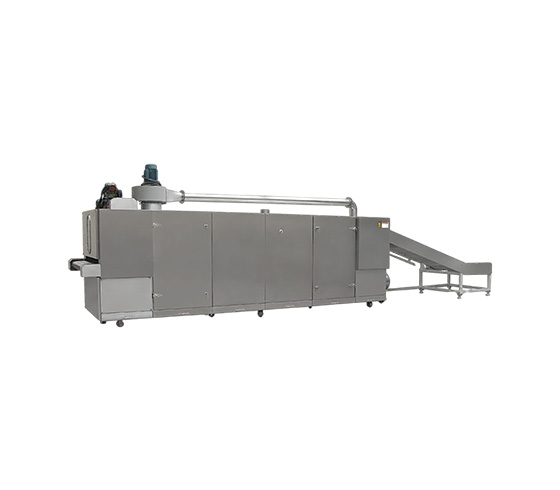
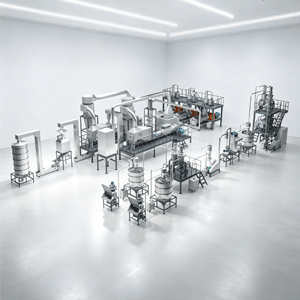
First, the product type, raw material condition, formulation direction, and expected finished product requirements must be clearly defined. For projects involving extrusion, forming, drying, frying, conveying, flavoring, or packaging, the processing capacity and cycle time of each stage must be matched to avoid inconsistencies between the capacity of individual equipment and the overall line requirements.

Next, the installation plan should be evaluated based on workshop space, power supply, water supply, steam or gas availability, and other utility conditions. Equipment configuration must also account for long-term operational factors such as cleaning, maintenance, safety protection, spare parts availability, and operator training. Where process parameters or equipment capabilities are mentioned herein, they serve only as reference for preliminary discussions and initial assessments; specific model numbers, power ratings, production capacities, temperatures, and time settings shall be determined based on the formal technical proposal and confirmed through trial operation or on-site verification.

Frequently Asked Questions

Can the equipment be finalized based on the standard configuration?

Not recommended. Different raw materials, product structures, target production capacities, and downstream processes affect equipment configuration. It is more reliable to first confirm the product and process conditions, then conduct a configuration assessment.

How can I obtain more targeted recommendations?

We recommend preparing product images or sample information, raw material and formulation details, target production capacity, existing workshop conditions, and planned downstream equipment configuration. Based on this information, Dayi Machinery can further discuss suitable process routes and equipment configuration options.

This article is compiled based on Dayi Machinery’s “Selection Guide for Direct Expansion Snack Food Production Equipment” and aims to assist readers in understanding the relevant topics; for technical requirements of specific projects, please refer to the actual product documentation and engineering confirmation results.