What is textured soy protein?

Published:2026-07-18

What is textured soy protein?Issues related to the process, selection, or operational management of food processing and production equipment.The actual solution should be confirmed based on raw material characteristics, target product specifications, production scale, and on-site conditions, and should not be determined solely by the parameters of a single piece of equipment.

What is textured soy protein?Key Points

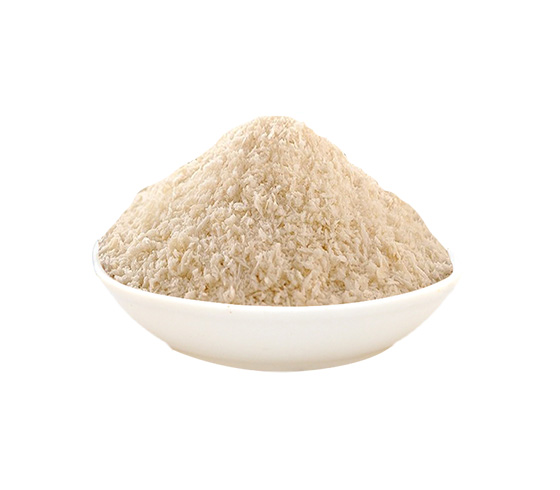
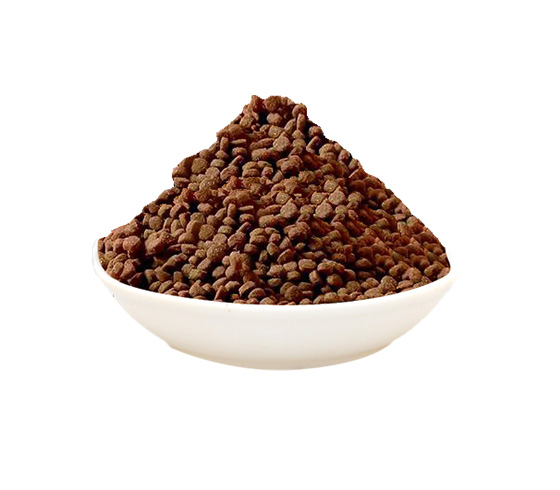
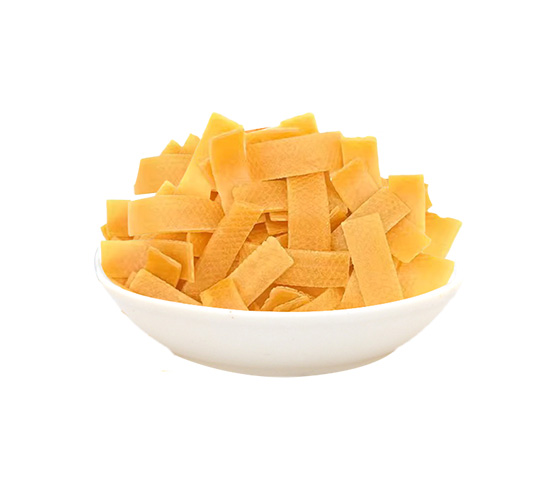
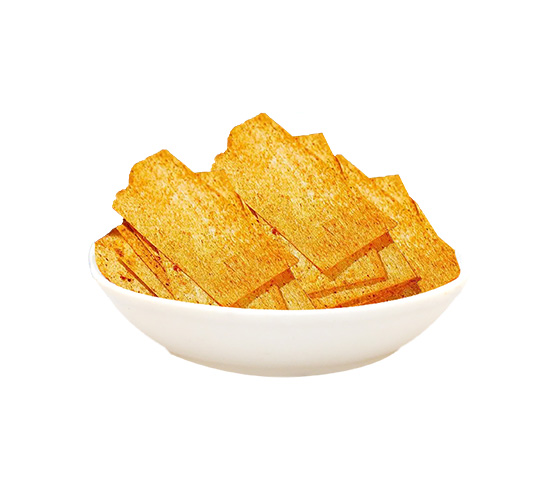
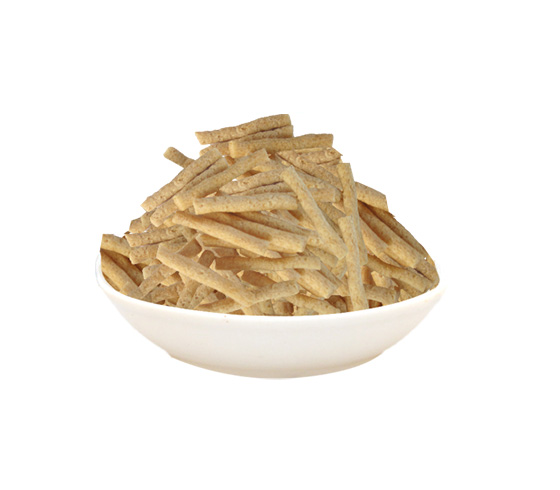
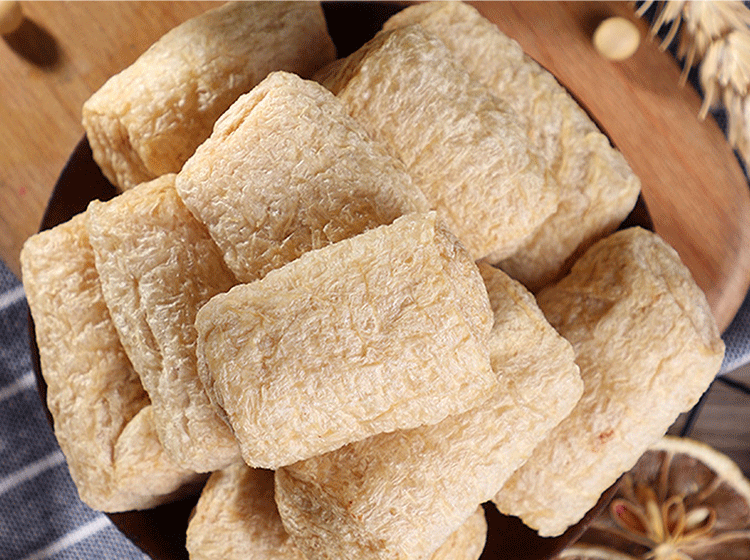
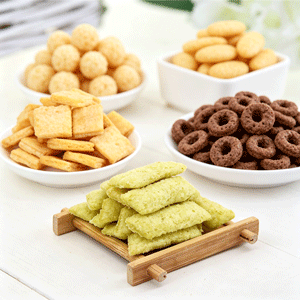
First, product application: Textured vegetable protein (TVP) is typically in a dry solid state (moisture content approximately 10%, water activity Aw approximately 0.43) and must be softened by water absorption before use.After fully absorbing water, the textured vegetable protein becomes completely softened and exhibits a juicy, fibrous texture.Fibrous protein products exhibit excellent structure and authentic meat-like fibrous texture, making them highly suitable for processing a wide range of premium vegetarian meat analogs, such as vegetarian ham, vegetarian chicken, vegetarian fish, vegetarian burgers, vegetarian hot dogs, vegetarian goose, vegetarian steak, and vegetarian shredded meat, among others.The product itself also exhibits excellent water absorption and oil retention properties.After appropriate processing, it is an ideal high-protein meat product additive.In meat product applications, it can enhance meatiness, reduce costs, and increase the protein content of the product.For example, it can be used for quick-frozen meat products such as minced meat sausages, Western-style ham, meatballs, restructured steaks (chicken steaks, pork steaks, etc.), fried chicken nuggets, hamburger patties, meat buns, and meat dumplings.Beef jerky, restructured beef cubes, meat floss, and vegetarian meat floss are also excellent choices for snack foods.After rehydration, textured vegetable protein (TVP) products can be used to cook dishes or partially replace meat products, making them directly procurable by cafeterias, catering companies, restaurants, and other similar establishments.This product is not only easy to operate but also promotes a new concept of healthy and nutritious eating.

At the same time, it reduces costs (to less than half the cost of lean meat), making it a novel and popular ingredient choice.

Secondly, general usage instructions: (1) Rehydration: Soak the fibrillated protein in water until it becomes soft (with no hard core inside).It can be soaked in water at room temperature for production use (soaking time varies depending on different product specifications, approximately 20 minutes to 1 hour).For microbial control, it is recommended to soak in clean ice water (0–10°C) for approximately 1 hour to soften.The soaked fibrous protein should be used as soon as possible;Unused soaked fibrillated protein must be stored at 0–6°C and used within 48 hours.(2) Dehydration: Place the soaked fibrous protein evenly into the dehydrator to remove excess moisture.The dehydration time for a centrifuge with a drum diameter of 70 cm and a rotational speed of 1000 rpm is approximately 3 minutes.During the first minute of the dehydration stage, the fibrous protein can be rinsed with water to help remove the strong beany odor.The weight of the fibrillated protein after dehydration is approximately three times its dry weight (the moisture content of the fibrillated protein can be adjusted according to the production requirements of different products).That is, 1 kg of textured vegetable protein becomes 3 kg after rehydration and dehydration.(3) Shredding: Loosen and shred the dehydrated fibrillar protein.Place the rehydrated and dewatered fibrillated protein into a high-speed mixer (with blunt blades, operating at approximately 500–1000 rpm) and mix for about 2–3 minutes.Shredding can also be performed using a shredder or mixer with a rotational speed exceeding 300 rpm.

Alternatively, run the cutter/chopper in reverse (using the back of the blades) for approximately 1 minute (cutter/chopper speed approximately 500–1000 rpm).

What conditions should be considered during implementation or selection?

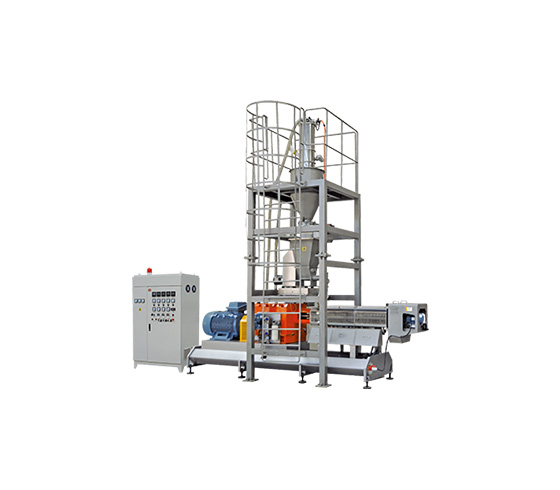
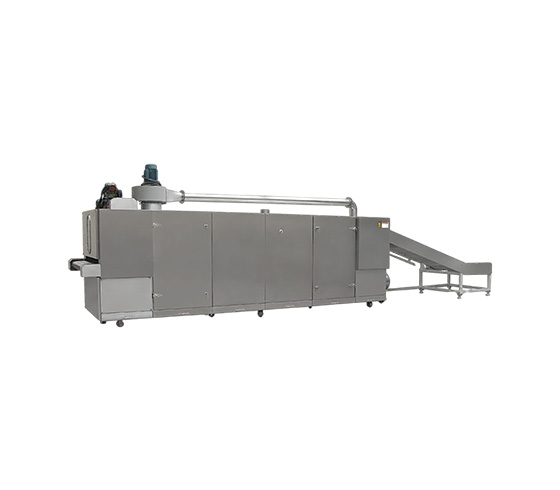
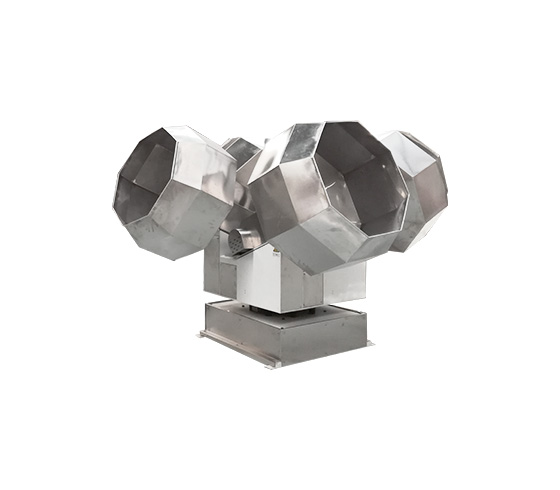
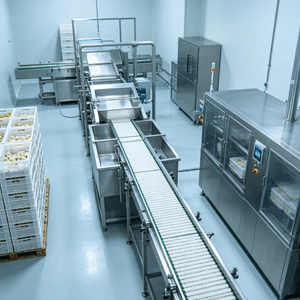
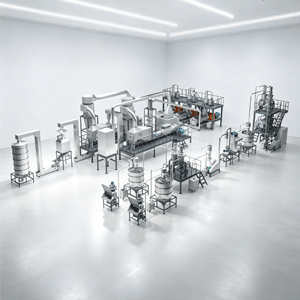
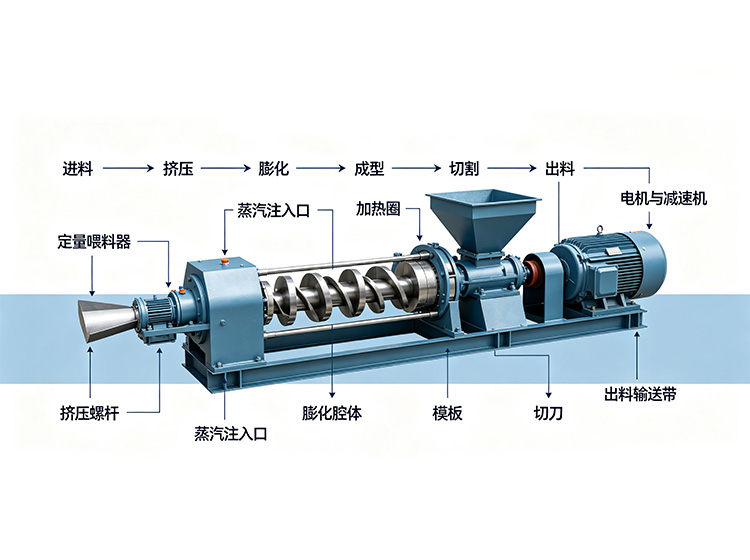
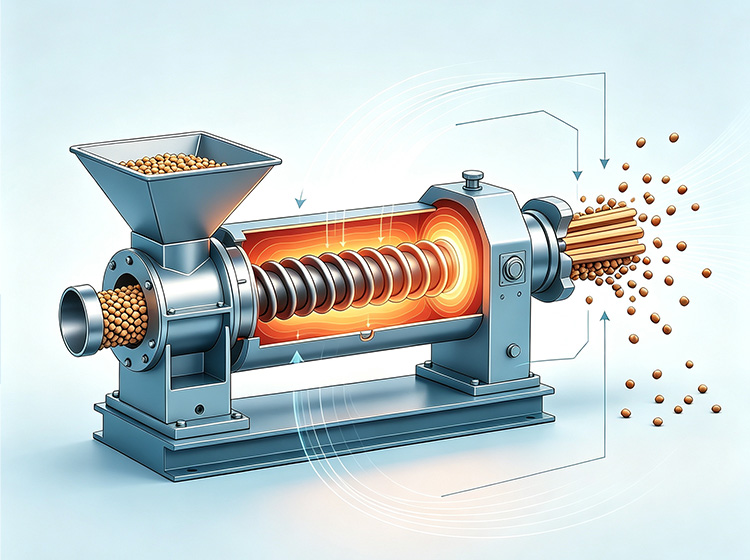
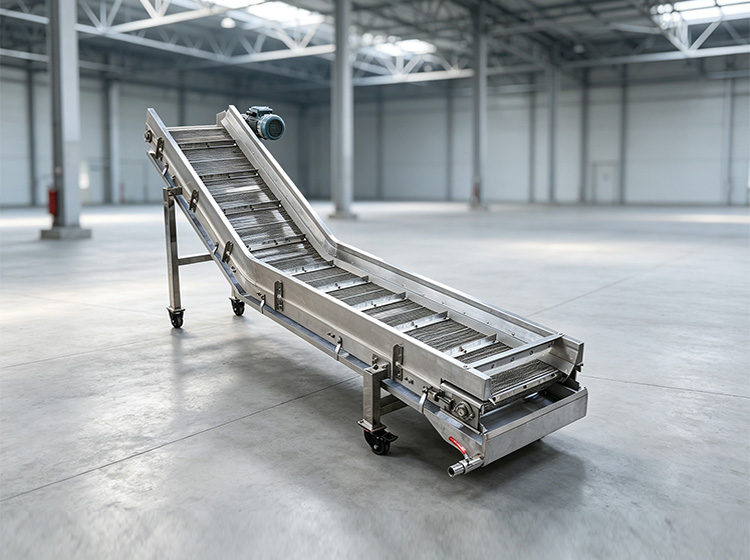
First, it is essential to clarify the product type, raw material state, formulation direction, and expected finished product requirements.For projects involving extrusion, forming, drying, frying, conveying, seasoning, or packaging, the processing capacity and cycle time of each stage must be matched to avoid discrepancies between individual equipment capacity and the overall line requirements.

Secondly, the installation plan should be evaluated in conjunction with the workshop's spatial layout and utility conditions, including power supply, water supply, steam, or gas.Equipment configuration should also take into account long-term operational factors such as cleaning, maintenance, safety protection, spare parts supply, and operator training.Any process or equipment capabilities mentioned in this document are for reference only in the context of solution discussions and preliminary assessments.Specific model numbers, power ratings, production capacities, temperatures, and times shall be subject to the official technical proposal and the results of trial runs or on-site verification.

Frequently Asked Questions

Can the equipment be determined directly based on the standard configuration?

Not recommended.The equipment configuration is influenced by different raw materials, product structures, target production capacities, and downstream processes.It is more prudent to confirm the product and process conditions before proceeding with the configuration assessment.

How to obtain more targeted advice?

It is recommended to prepare product images or sample information, raw material and formulation guidelines, target production capacity, existing workshop conditions, and planned downstream equipment configurations.Dayi Machinery can further discuss the applicable process routes and equipment configuration options based on this.

This article is based on the information provided by Dayi Machinery, "What is Textured Vegetable Protein (TVP) from Soybeans?"Data compilation, aimed at helping readers understand the relevant topics;For technical requirements related to specific projects, please refer to the actual product documentation and engineering confirmation results.