3D Printing Technology in Food Processing

Published:2026-07-18

The 3D printing technology in food processing involves process, equipment selection, or operational management issues related to food processing and production equipment.The actual solution should be confirmed based on raw material characteristics, target product specifications, production scale, and on-site conditions, and should not be determined solely by single equipment parameters.

Key Points of 3D Printing Technology in Food Processing

By feeding fresh ingredients into a 3D printer, dishes can be prepared—a technology once considered futuristic is now a reality.The combination of delicious cuisine and 3D printing technology has revolutionized people's perception of traditional eating habits.

The Meat & Livestock Australia (MLA) states that 3D meat printing technology remains rare for typical Australian households, yet it does create value-added opportunities in practical applications.

Meat products and by-products generated through secondary cutting and trimming during processing can all be utilized as “meat ink.”3D food printers can produce high-protein foods, significantly enhancing the nutritional value of existing foods.

MLA states that 3D food printing technology can produce foods in various shapes and sizes, making it more appealing to elderly consumers compared to the traditional pureed foods provided by nursing homes.Manufacturers are no longer confined to a one-size-fits-all product sales model; instead, they can introduce diversified products and innovate business models to meet the differentiated nutritional intake needs of various market segments.

Sean Starling, General Manager of R&D and Innovation at MLA, stated that the Australian meat industry needs to enhance its competitiveness in the global market by continuously integrating new technologies to ensure sustainable development, expand market opportunities, and strengthen the value chain.

3D-printed meat technology originated in the United States, aiming to produce specialty foods using “bio-ink,” and is a form of bio-tissue engineering technology.Bioink refers to meat materials made by mixing different types of cells;Using "bioink" as the raw material, the product is formed through 3D printing technology and subsequently processed in bioreactor equipment.

Using food printers to produce food not only significantly reduces the intermediate stages of product manufacturing and minimizes food loss caused by processing, transportation, and packaging, but also enables chefs to develop personalized dishes to meet the diverse needs of customers.

At the same time, 3D food printing technology is also expected to provide assistance to individuals with swallowing difficulties.We believe that as 3D food printing technology continues to improve, it will bring more surprises to consumers.

What conditions should be considered during implementation or selection?

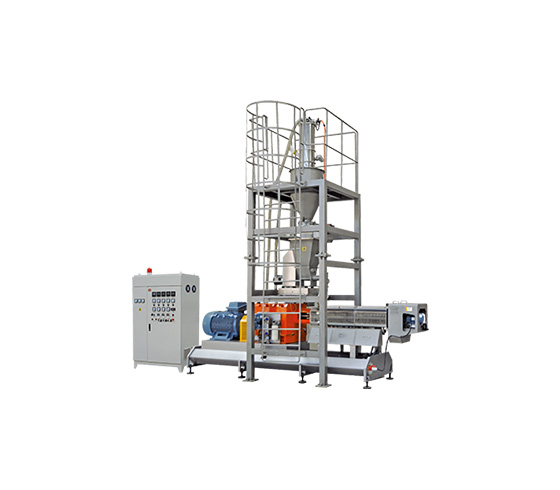
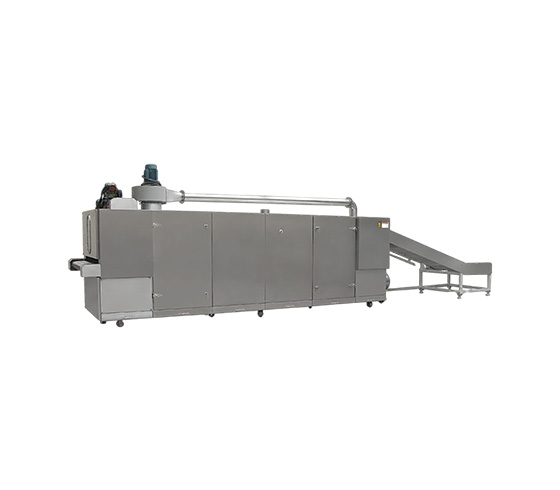
First, it is essential to clarify the product type, raw material state, formulation direction, and expected finished product requirements.For projects involving extrusion, forming, drying, frying, conveying, seasoning, or packaging, the processing capacity and cycle time of each stage must be matched to avoid discrepancies between individual equipment capacity and the overall line requirements.

Secondly, the installation plan should be evaluated in conjunction with the workshop's spatial layout and utility conditions, including power supply, water supply, steam, or gas.Equipment configuration should also take into account long-term operational factors such as cleaning, maintenance, safety protection, spare parts supply, and operator training.Any process or equipment capabilities mentioned in this document are for reference only in the context of solution discussions and preliminary assessments.Specific model numbers, power ratings, production capacities, temperatures, and times shall be subject to the formal technical proposal and the results of trial runs or on-site verification.

Frequently Asked Questions

Can the equipment be determined directly based on the standard configuration?

Not recommended.Different raw materials, product structures, target production capacities, and downstream processes can affect the equipment configuration.It is more prudent to confirm the product and process conditions before proceeding with the configuration assessment.

How to obtain more targeted advice?

It is recommended to prepare product images or sample information, raw material and formulation guidelines, target production capacity, existing workshop conditions, and planned downstream equipment configurations.Dayi Machinery can further discuss the applicable process routes and equipment configuration options based on this.

This article is compiled based on the document "3D Printing Technology in Food Processing" provided by Dayi Machinery, with the aim of helping readers understand the relevant topics.For technical requirements related to specific projects, please refer to the actual product documentation and engineering confirmation results.