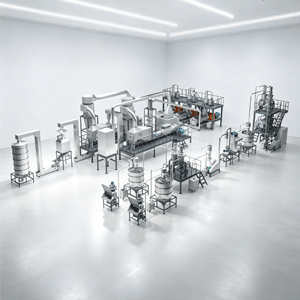
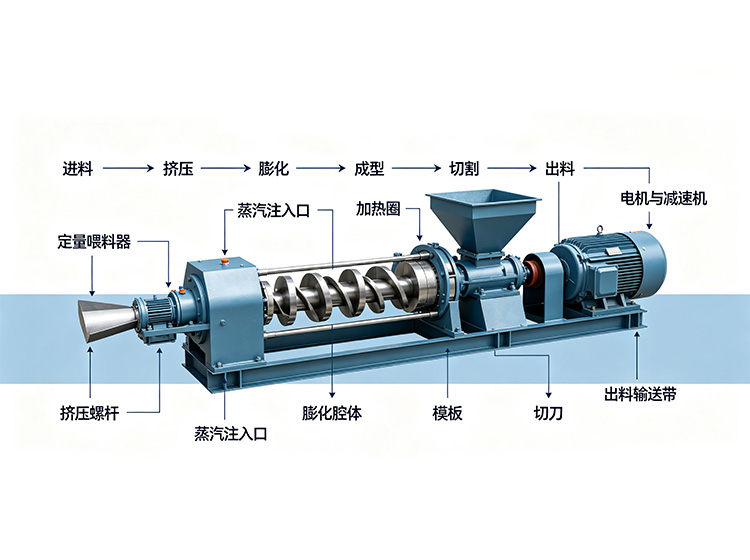
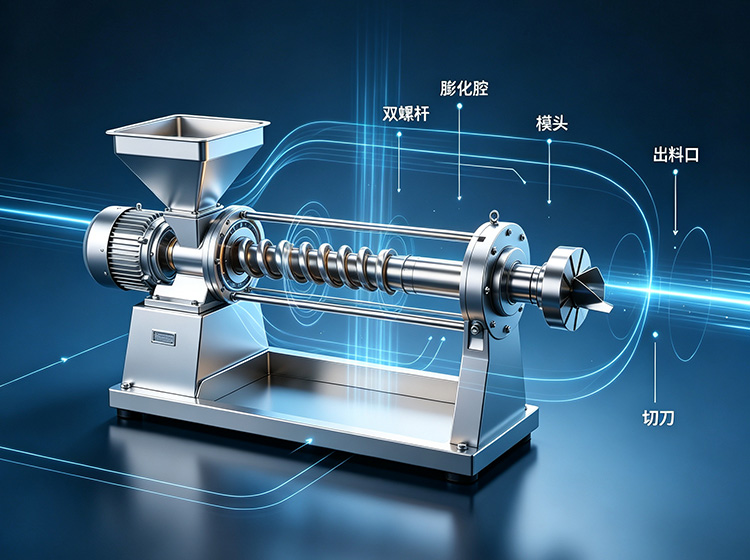
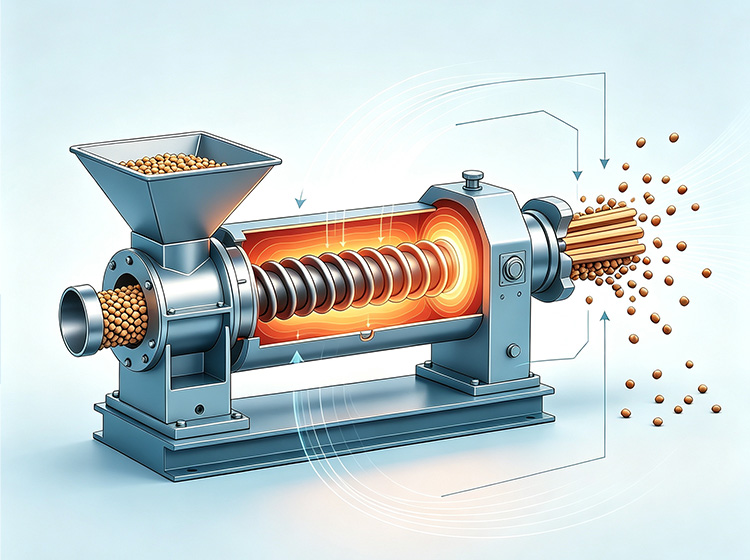
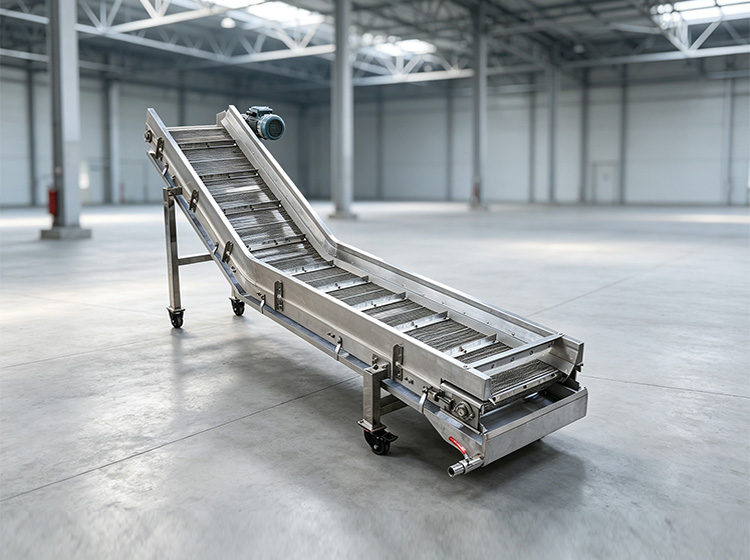
Foreign matter detection equipment in food processing involves issues related to the process, selection, or operational management of food processing and production equipment.The actual solution should be confirmed based on raw material characteristics, target product specifications, production scale, and on-site conditions, and should not be determined solely by single equipment parameters.
Key Points of Foreign Object Detection Equipment in Food Processing
On September 29, 2022, France notified the Rapid Alert System for Food and Feed (RASFF) of the European Union that its exported marshmallows were deemed non-compliant due to the detection of metal particles.It is reported that the batch of non-compliant products has been sold to Hong Kong, China, Latvia, South Africa, Uruguay, and other regions.
Whether abroad or domestically, incidents of foreign objects being found in food occur from time to time.During this year's Mid-Autumn Festival, plastic was found in mooncakes produced by a certain snack brand.Recently, black hair-like foreign matter was found in meringue products sold by a certain supermarket brand, and the company involved was fined more than 50,000 yuan.
Failure by enterprises to effectively detect foreign objects during production has led to the contamination of food with such materials, which not only infringes upon consumers' legitimate rights and interests but also jeopardizes food safety.If foreign objects are detected in exported products, as in the case of French marshmallows, it will also severely damage the country's image.
Foreign matter contamination in the food processing process is mainly divided into endogenous foreign matter and exogenous foreign matter.Among these, endogenous foreign matter refers to foreign materials inherent in the food raw materials and auxiliary ingredients themselves, such as bones in meat and rootstocks in vegetables.Exogenous foreign matter refers to substances that are not originally part of the raw material composition but have been introduced into the food, such as sand, soil, metal fragments, stones, plastics, and glass.
So, throughout the food processing operation, which factors are most likely to lead to the contamination of foreign matter?First, the production raw materials themselves are prone to containing foreign matter, which is difficult to completely remove in large-scale food production.
Secondly, during the food processing, jewelry, buttons, or debris from employees' clothing can easily contaminate the materials.Additionally, during the operation and maintenance of food processing machinery, metal shavings may be generated.Finally, improper operation during the packaging process can easily lead to packaging materials being mixed into the product.
Therefore, for food processing entities, standardizing production processes and implementing foreign matter detection are crucial.In terms of standardized production, employees must perform disinfection and sterilization before entering the production workshop. They should select work uniforms that do not easily shed or accumulate debris, and correctly wear work uniforms and caps to prevent hair from falling.
In terms of foreign matter detection, in addition to strengthening manual supervision, professional foreign matter detection equipment such as metal detectors and X-ray foreign matter detection machines should be introduced.These inspection devices feature high sensitivity and stability, effectively detecting impurities and helping manufacturers substantially improve finished product quality.
In summary, food safety is an inviolable bottom line, and producers have the obligation to safeguard “safety on the tip of the tongue.”Food production enterprises should standardize operational procedures, rigorously implement inspection processes during production, fully utilize various inspection equipment, and strengthen the food safety defense line.For export enterprises, it is even more critical to strictly ensure product safety, mitigate export risks, and safeguard the image of both the company and the nation.
What conditions should be considered during implementation or selection?
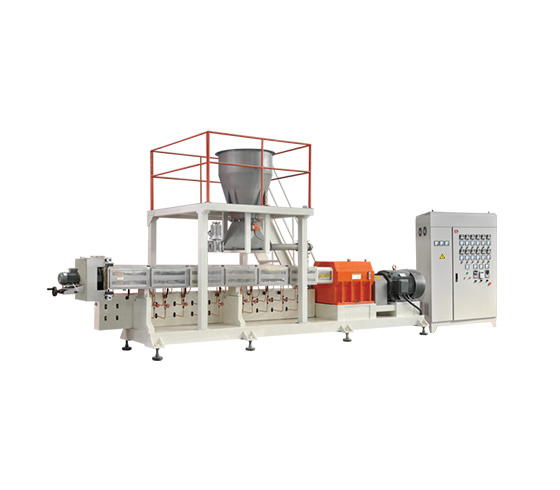
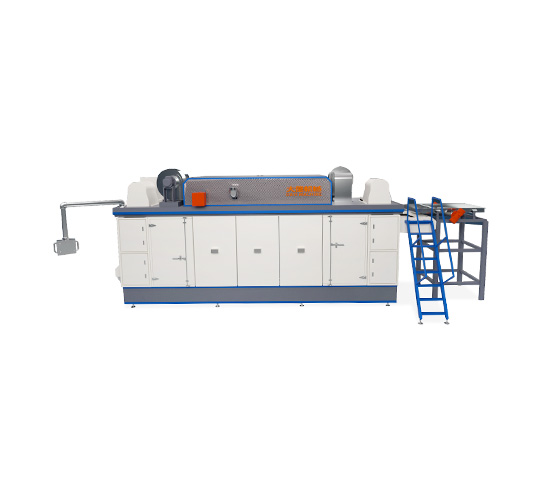
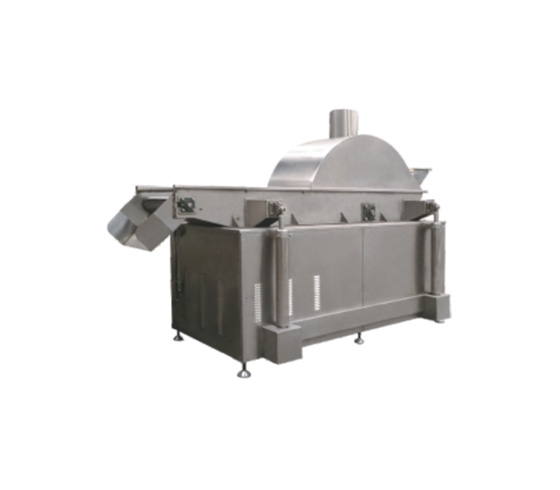
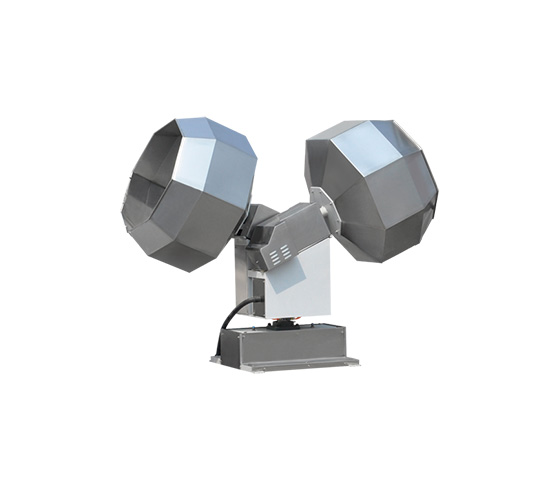
First, it is essential to clarify the product type, raw material state, formulation direction, and expected finished product requirements.For projects involving extrusion, forming, drying, frying, conveying, seasoning, or packaging, the processing capacity and cycle time of each stage must be matched to avoid discrepancies between individual equipment capacity and the overall line requirements.
Secondly, the installation plan should be evaluated in conjunction with the workshop's spatial layout and utility conditions, including power supply, water supply, steam, or gas.Equipment configuration should also take into account long-term operational factors such as cleaning, maintenance, safety protection, spare parts supply, and operator training.Any process or equipment capabilities mentioned in this document are for reference only in the context of solution discussions and preliminary assessments.Specific model numbers, power ratings, production capacities, temperatures, and times shall be subject to the formal technical proposal and the results of trial runs or on-site verification.
Frequently Asked Questions
Can the equipment be determined directly based on the standard configuration?
Not recommended.Different raw materials, product structures, target production capacities, and downstream processes can affect the equipment configuration.It is more prudent to confirm the product and process conditions before proceeding with the configuration assessment.
How to obtain more targeted advice?
It is recommended to prepare product images or sample information, raw material and formulation guidelines, target production capacity, existing workshop conditions, and planned downstream equipment configurations.Dayi Machinery can further discuss the applicable process routes and equipment configuration options based on this.
This article is compiled based on the document "Foreign Object Detection Equipment in Food Processing" provided by Dayi Machinery, with the aim of helping readers understand the relevant topics.For technical requirements related to specific projects, please refer to the actual product documentation and engineering confirmation results.