Food Processing Lines and Frozen Vegetables

Published:2026-07-18

Food processing production lines and frozen vegetables involve issues related to the process, selection, or operational management of food processing and production equipment.The actual solution should be confirmed based on raw material characteristics, target product specifications, production scale, and on-site conditions, and should not be determined solely by single equipment parameters.

Key Points of Food Processing Production Lines and Frozen Vegetables

As the name suggests, frozen vegetables refer to fresh vegetables such as chili peppers, cilantro, broccoli, carrots, radishes, corn, and cucumbers that undergo washing, cutting, sterilization, dehydration, and pre-treatment.The vegetable freezing process reduces its core temperature to below -15°C.This not only effectively preserves the original nutritional content of vegetables and saves subsequent cooking time, but also enables longer shelf life without the use of food additives, offering the combined advantages of convenience, nutrition, and safety.

Furthermore, early studies have shown that frozen vegetables have higher vitamin content than fresh vegetables, enabling the rapid “locking in” of freshness.In particular, in recent years, the continuous iteration and upgrading of food freezing processes, along with the application of new technologies such as ultra-low temperature freezing, ultrasonic freezing, and liquid nitrogen quick-freezing, have significantly improved the flavor, texture, and quality of frozen vegetables.

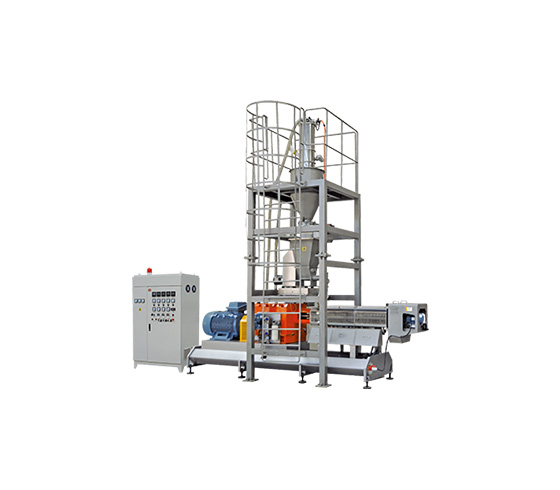
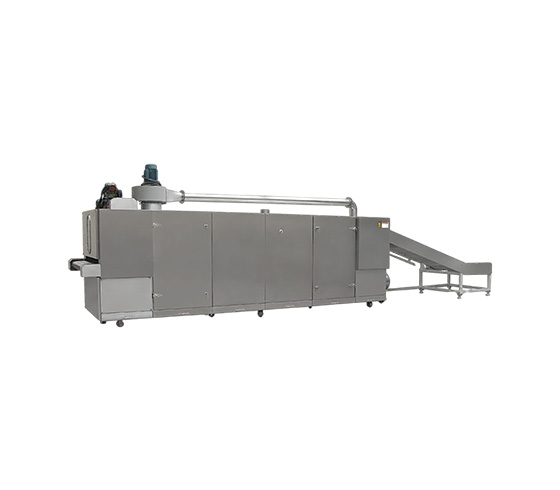
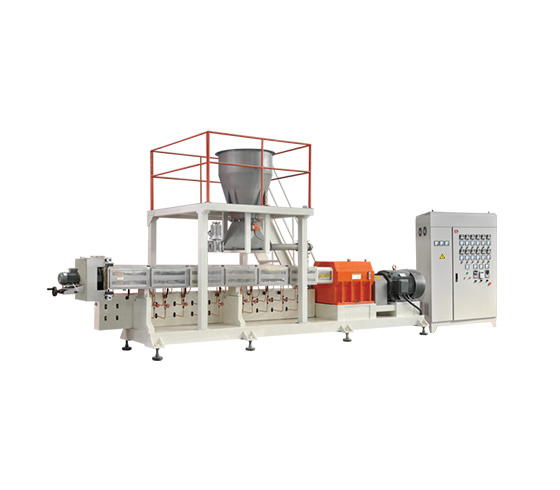
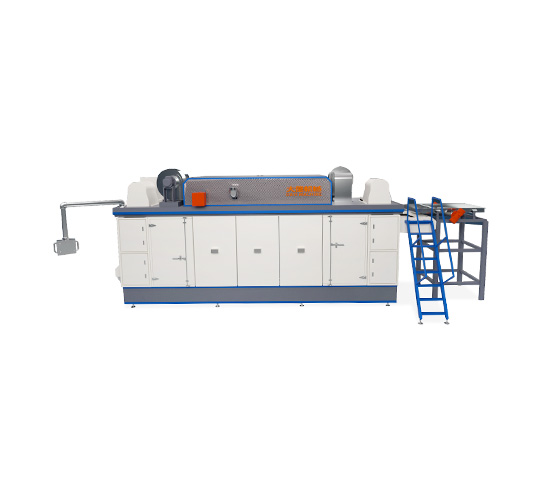
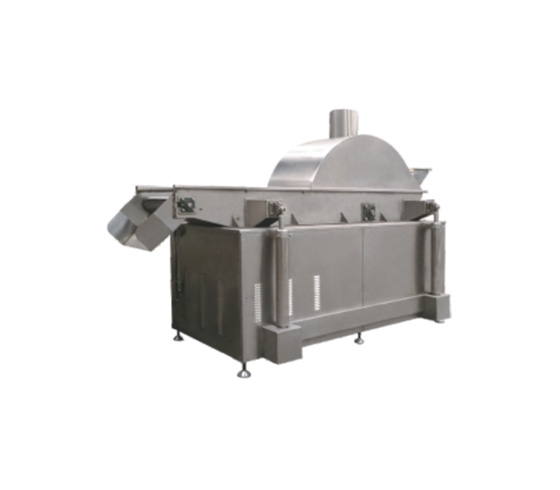
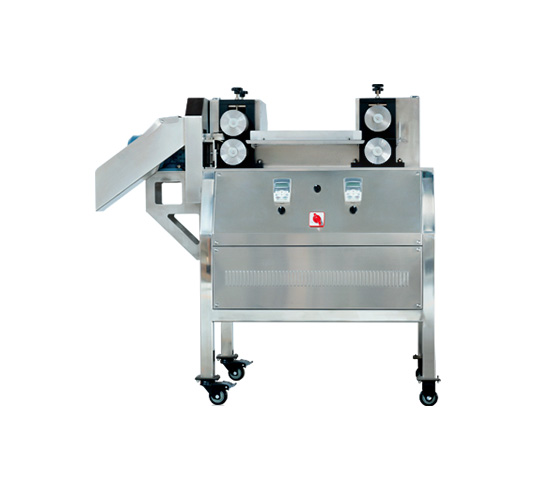
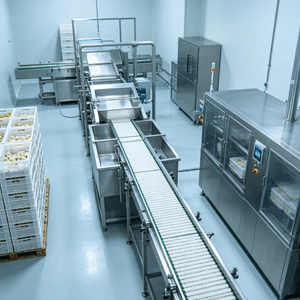
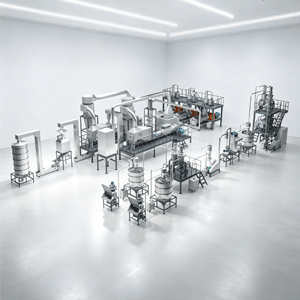
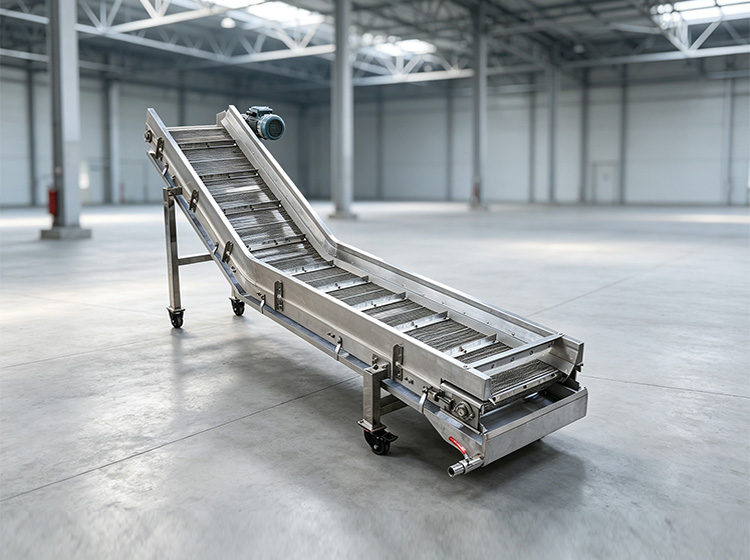
The processing technology for frozen vegetables is relatively simple, offering high throughput and low costs.In response to this, with the rapid development and growing strength of the food machinery industry, the introduction of mechanized equipment has also become a striking feature in frozen vegetable processing workshops.The introduction of an intelligent packaging system that integrates collection, filling, and vacuum packaging has doubled the daily food production capacity.Meanwhile, on mechanized and automated production lines, vegetables and meat products can be rapidly processed through cleaning, mixing, drying, conveying, freezing, and packaging, while simultaneously enhancing product quality.

What conditions should be considered during implementation or selection?

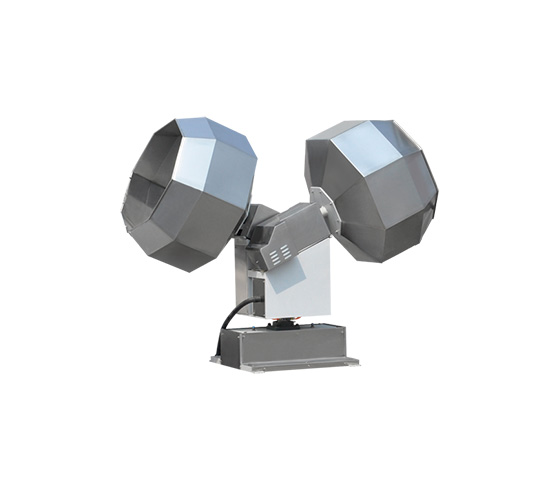
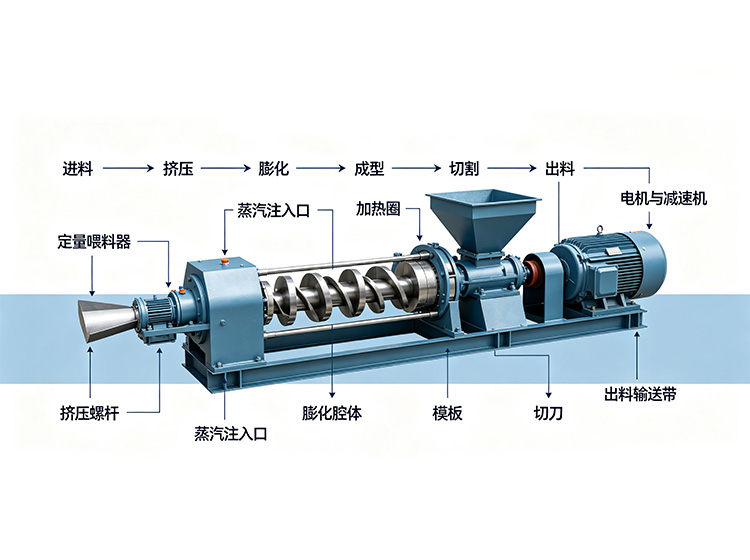
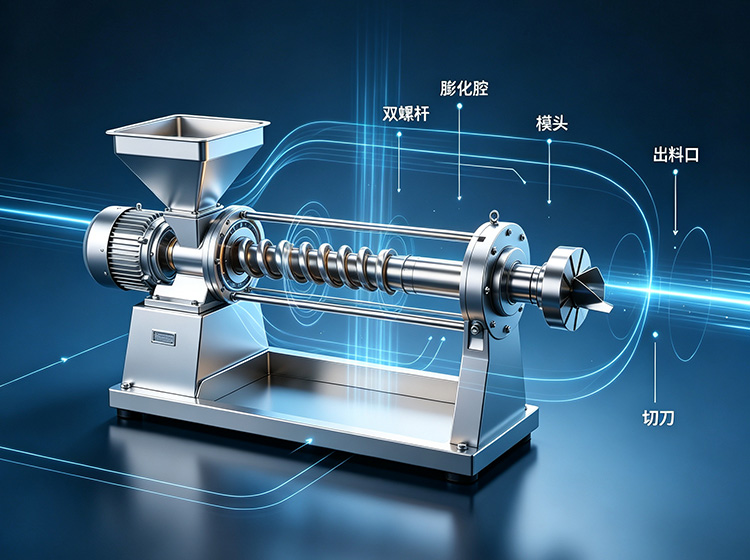
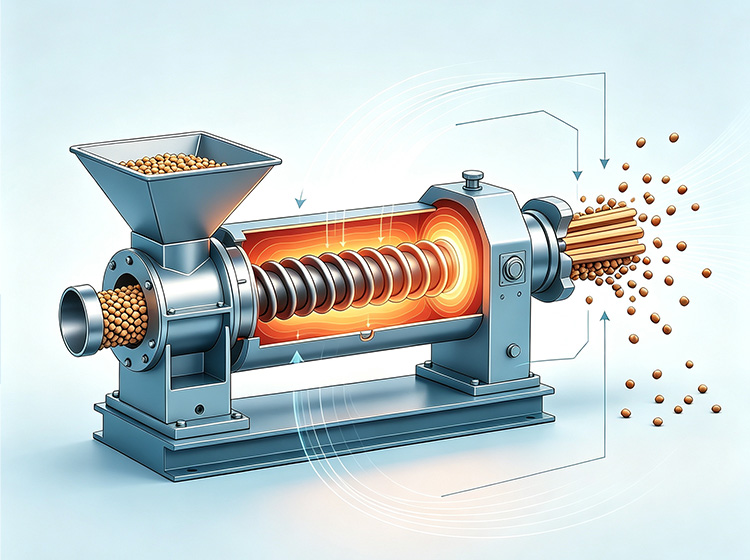
First, it is essential to clarify the product type, raw material state, formulation direction, and expected finished product requirements.For projects involving extrusion, forming, drying, frying, conveying, seasoning, or packaging, the processing capacity and cycle time of each stage must be matched to avoid discrepancies between individual equipment capacity and the overall line requirements.

Secondly, the installation plan should be evaluated in conjunction with the workshop's spatial layout and utility conditions, including power supply, water supply, steam, or gas.Equipment configuration should also take into account long-term operational factors such as cleaning, maintenance, safety protection, spare parts supply, and operator training.Any process or equipment capabilities mentioned in this document are for reference only in the context of solution discussions and preliminary assessments.Specific model numbers, power ratings, production capacities, temperatures, and times shall be subject to the formal technical proposal and the results of trial runs or on-site verification.

Frequently Asked Questions

Can the equipment be determined directly based on the standard configuration?

Not recommended.Different raw materials, product structures, target production capacities, and downstream processes can affect the equipment configuration.It is more prudent to confirm the product and process conditions before proceeding with the configuration assessment.

How to obtain more targeted advice?

It is recommended to prepare product images or sample information, raw material and formulation guidelines, target production capacity, existing workshop conditions, and planned downstream equipment configurations.Dayi Machinery can further discuss the applicable process routes and equipment configuration options based on this.

This article is compiled based on the materials provided by Dayi Machinery, titled "Food Processing Production Lines and Frozen Vegetables," with the aim of helping readers understand the relevant topics.For technical requirements related to specific projects, please refer to the actual product documentation and engineering confirmation results.