Food Processing Lines and Breakfast Cereals

Published:2026-07-18

Food processing production lines and breakfast cereals involve process, equipment selection, or operational management issues related to food processing and production equipment.The actual solution should be confirmed based on raw material characteristics, target product specifications, production scale, and on-site conditions, and should not be determined solely by single equipment parameters.

Key Points of Food Processing Production Lines and Breakfast Cereals

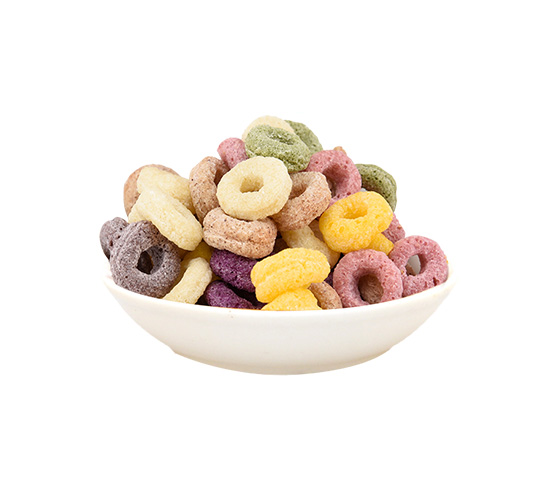
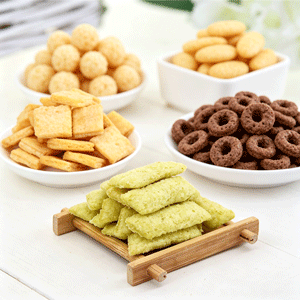
With the introduction of innovative mixed grains such as nut-grain, fruit-grain, and fruit-nut-grain blends, these products have gained widespread popularity among young consumers.Driven by the growing popularity of the healthy, light-meal concept, many young consumers are choosing oatmeal meal-replacement products that are healthy, delicious, and convenient as their breakfast option.

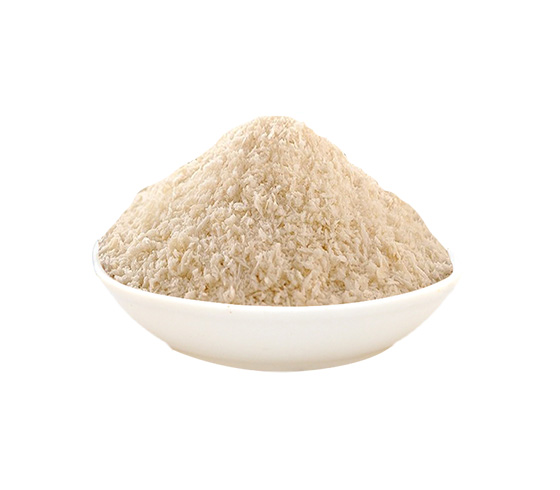
Innovative mixed grain products, such as nut and cereal, fruit and cereal, and fruit, nut, and cereal blends, have become the top choice for many young consumers due to their rich fruity aroma, crispy texture, balanced and healthy nutrition, sweet-and-sour flavor, and convenient consumption.It is understood that such fruit, nut, and oatmeal products are primarily composed of oat flakes, freeze-dried fruit pieces, and nuts.Although it may seem simple, maintaining the fine and soft texture of oats, the sweet and tangy fullness of fruit pieces, and the crispness of nuts requires higher standards for processing technology and equipment.

In the early days, most oats were processed using high-temperature roasting.Under high-temperature baking and maturation, although oats develop a rich flavor, their nutritional components are severely compromised under high-temperature conditions.In recent years, with the advancement of baking processing technology, low-temperature baking has begun to be widely applied in the processing of fruits, nuts, and grains.Oats are roasted and cooked at low temperatures, preserving their original nutritional value while maximizing the freshness and nutritional integrity of the oat raw materials.

The fruit pieces in fruit, nut, and cereal blends are made using advanced vacuum freeze-drying technology.The fruit pieces are first frozen and crystallized into a solid state at low temperatures, and then the moisture is removed through temperature-controlled sublimation in a vacuum environment, resulting in fruit pieces with a moisture content of 3%-5%.Compared with traditional high-temperature drying processes, vacuum freeze-drying technology does not damage the original flavor and nutritional value of fruit pieces, fully preserving their nutrition, natural aroma, and texture, thereby giving fruit, nuts, and cereals a sweet, sour, crispy, and crunchy flavor profile.

What conditions should be considered during implementation or selection?

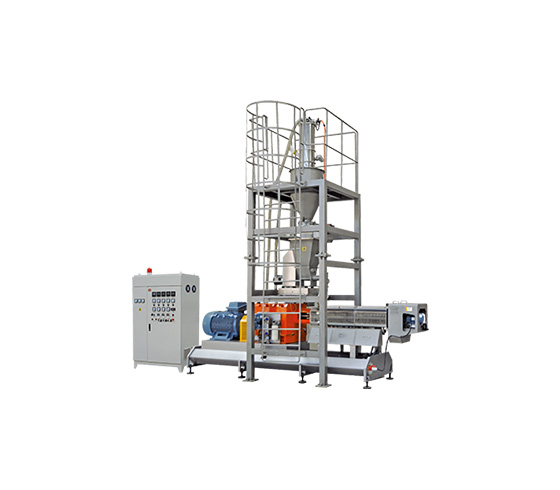
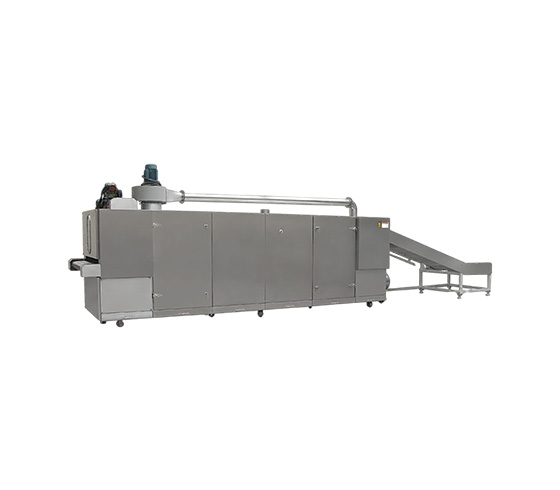
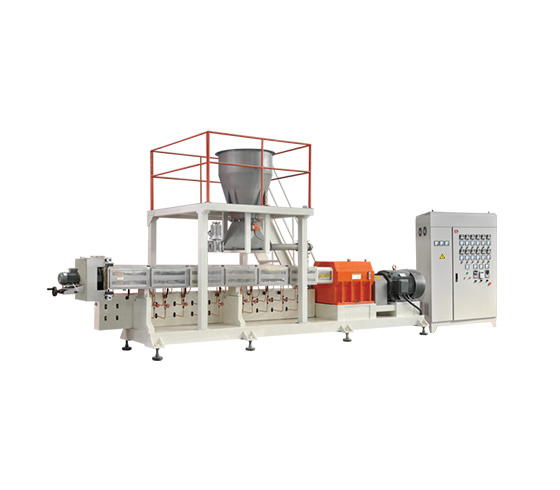
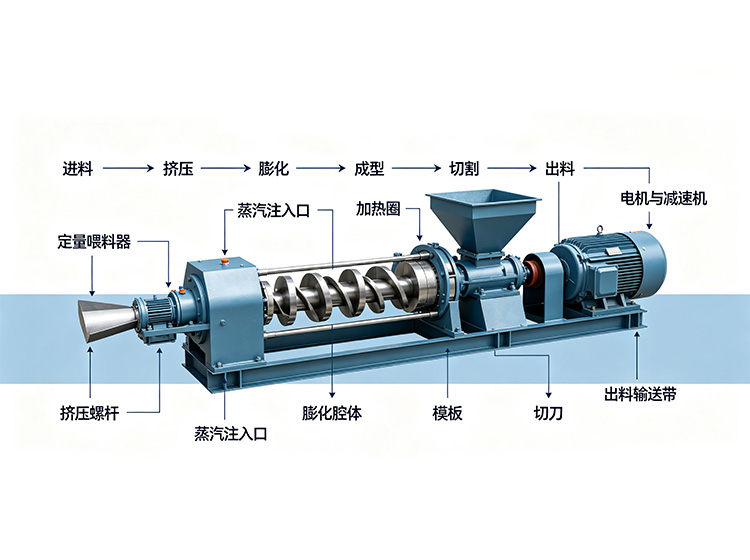
First, it is essential to clarify the product type, raw material state, formulation direction, and expected finished product requirements.For projects involving extrusion, forming, drying, frying, conveying, seasoning, or packaging, the processing capacity and cycle time of each stage must be matched to avoid discrepancies between individual equipment capacity and the overall line requirements.

Secondly, the installation plan should be evaluated in conjunction with the workshop's spatial layout and utility conditions, including power supply, water supply, steam, or gas.Equipment configuration should also take into account long-term operational factors such as cleaning, maintenance, safety protection, spare parts supply, and operator training.Any process or equipment capabilities mentioned in this document are for reference only in the context of solution discussions and preliminary assessments.Specific model numbers, power ratings, production capacities, temperatures, and times shall be subject to the formal technical proposal and the results of trial runs or on-site verification.

Frequently Asked Questions

Can the equipment be determined directly based on the standard configuration?

Not recommended.Different raw materials, product structures, target production capacities, and downstream processes can affect the equipment configuration.It is more prudent to confirm the product and process conditions before proceeding with the configuration assessment.

How to obtain more targeted advice?

It is recommended to prepare product images or sample information, raw material and formulation guidelines, target production capacity, existing workshop conditions, and planned downstream equipment configurations.Dayi Machinery can further discuss the applicable process routes and equipment configuration options based on this.

This article is compiled based on the materials provided by Dayi Machinery, titled "Food Processing Production Lines and Breakfast Cereals," with the aim of helping readers understand the relevant topics.For technical requirements related to specific projects, please refer to the actual product documentation and engineering confirmation results.