Food processing production lines and pet food involve process, equipment selection, or operational management issues related to food processing and production equipment.The actual solution should be confirmed based on raw material characteristics, target product specifications, production scale, and on-site conditions, and should not be determined solely by single equipment parameters.
Key Points of Food Processing Production Lines and Pet Food
According to relevant data from JD.com, in the 40 minutes before the November 1 pre-sale launch, sales in the pet category reached the same day’s total from the previous year, ranking among the top five categories, with year-on-year growth exceeding 3.5 times.Among these, the daily transaction volume for cat staple wet food and freeze-dried cat food increased by as much as 1,200% and 400%, respectively, year-on-year.According to Tmall’s pet data, pet foods represented by baked food, prescription food, and freeze-dried cat food also show a clear growth trend, with growth rates reaching 700%, 150%, and 140%, respectively.
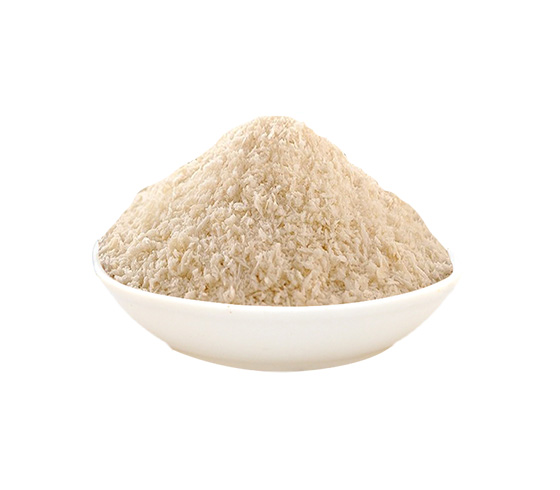
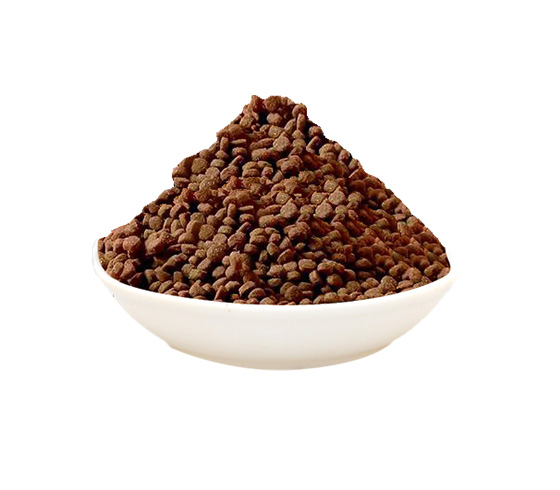
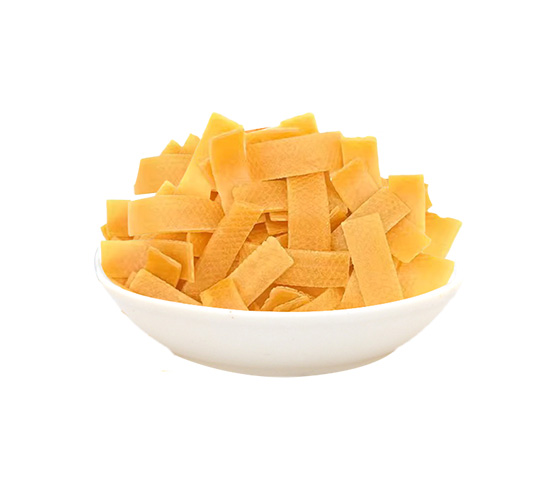
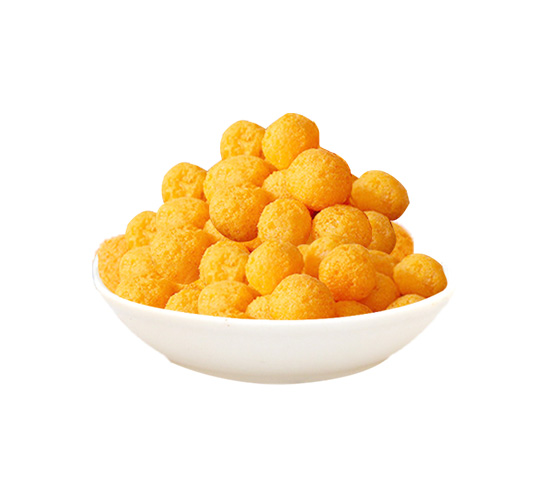
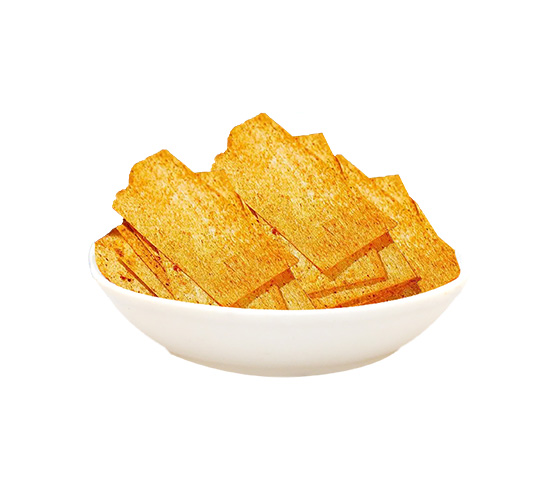
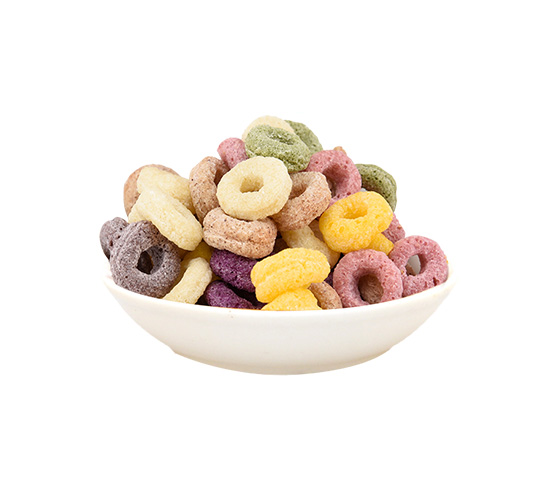
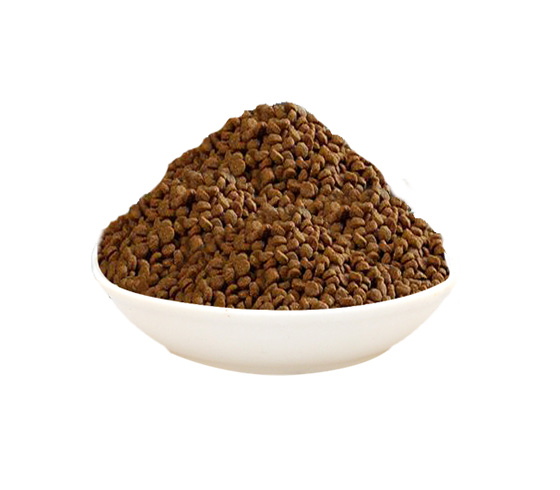
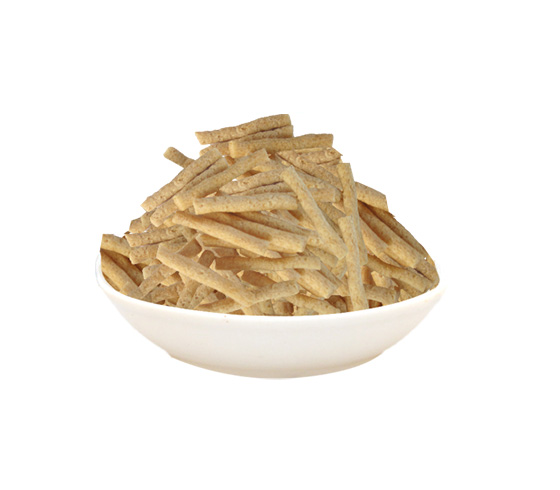
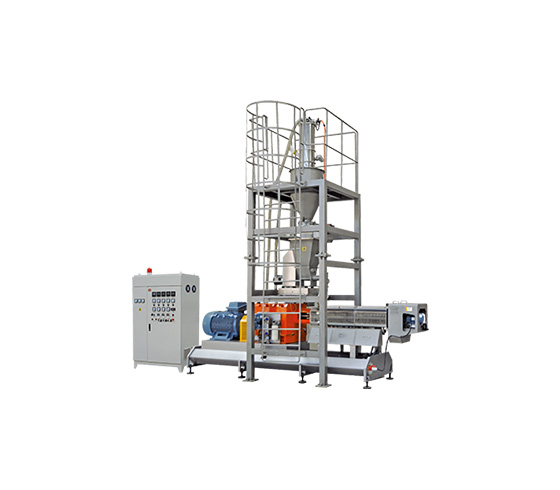
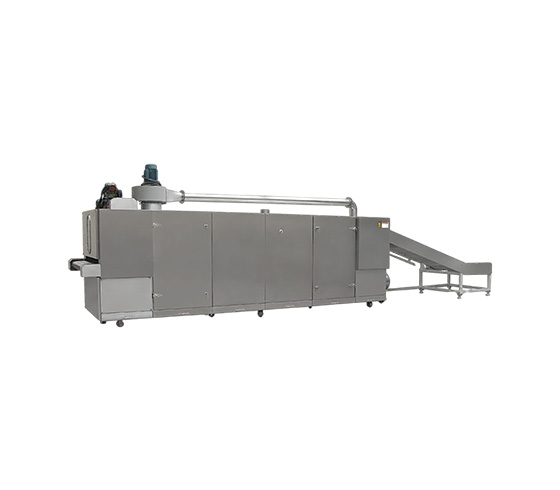
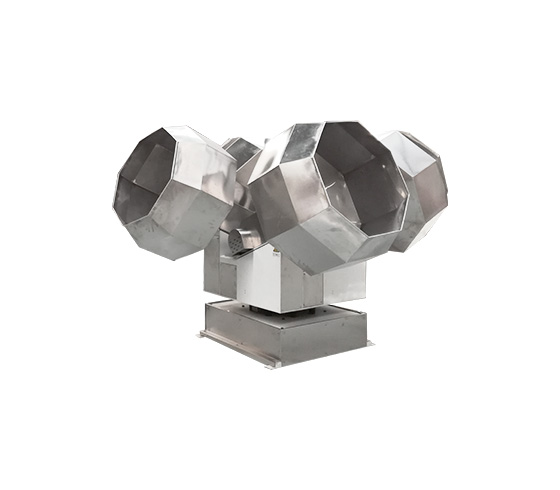
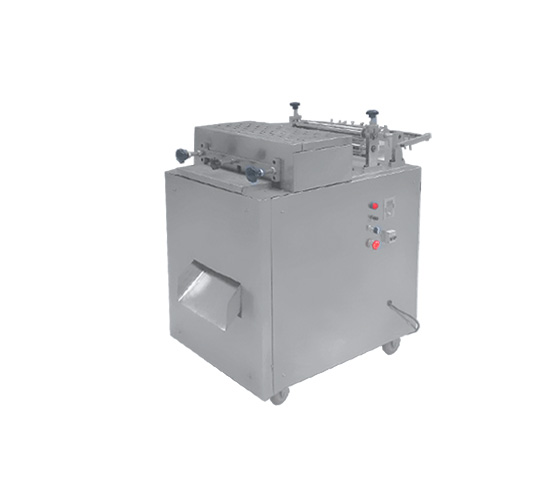
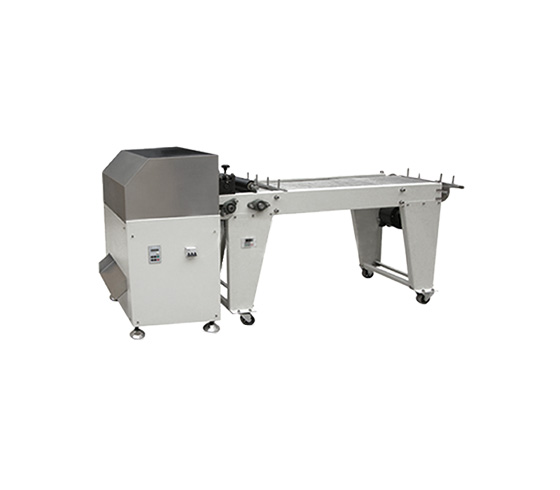
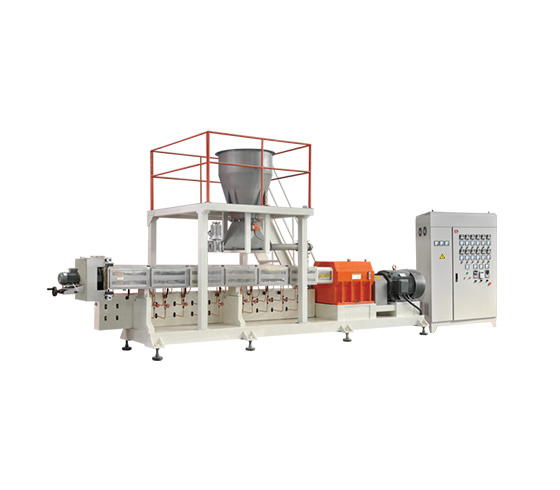
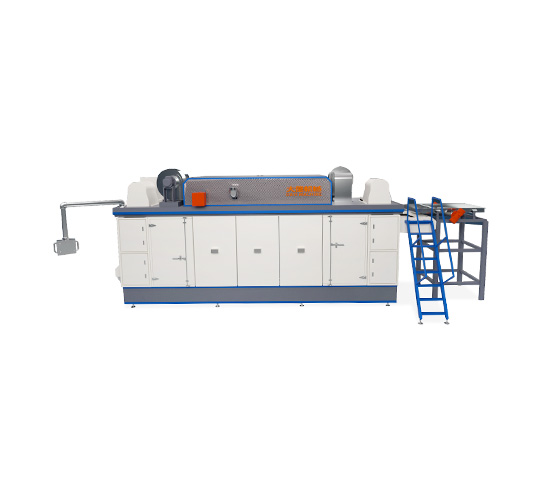
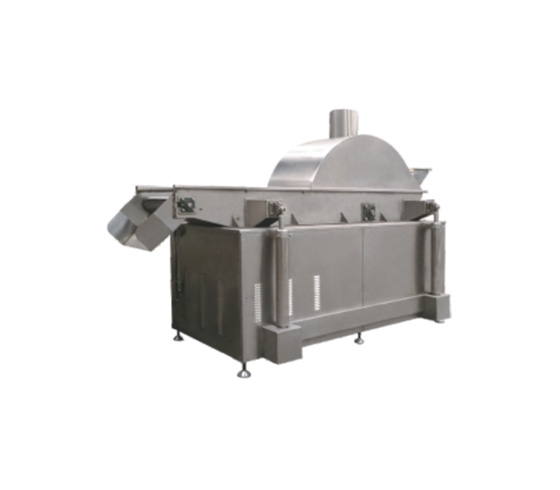
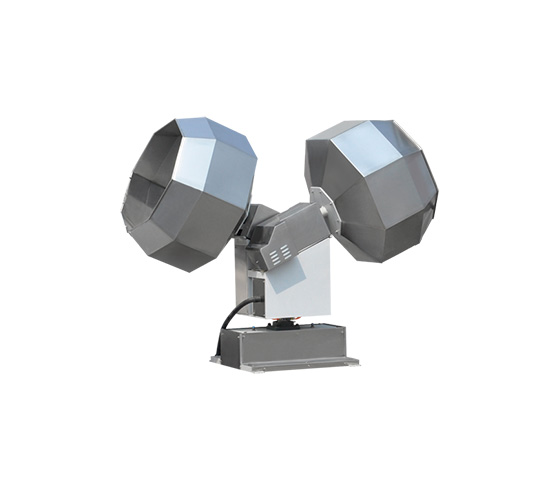
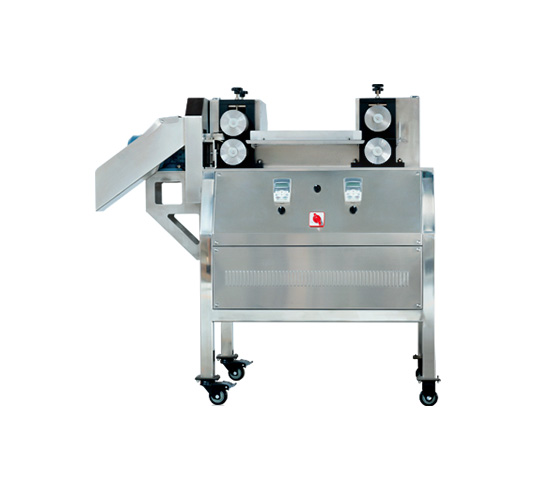
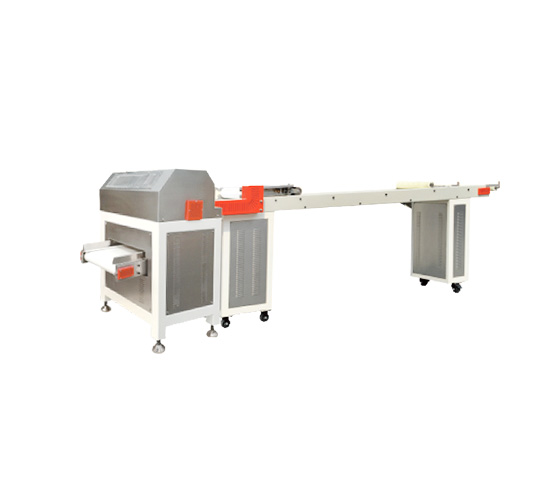
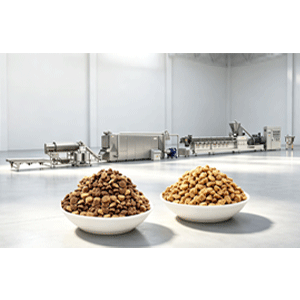
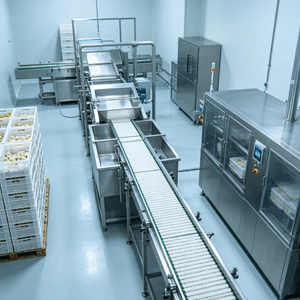
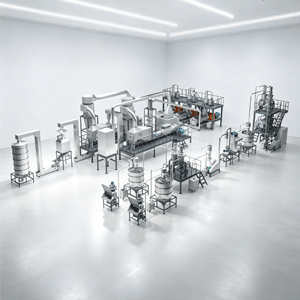
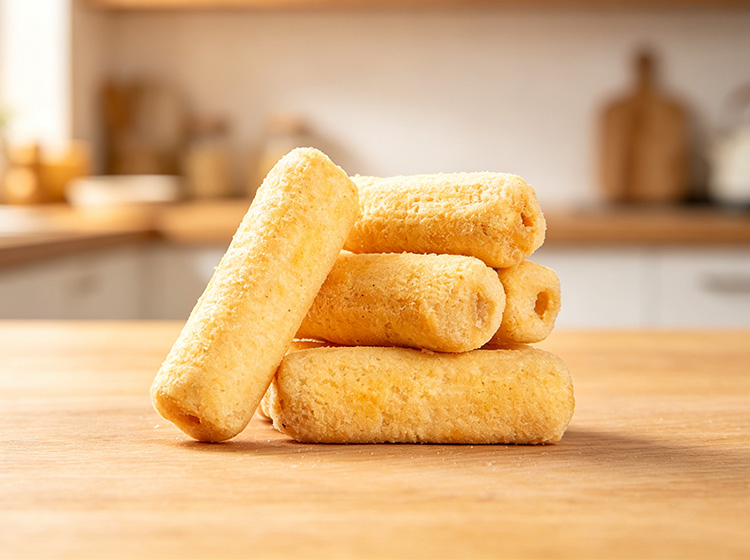
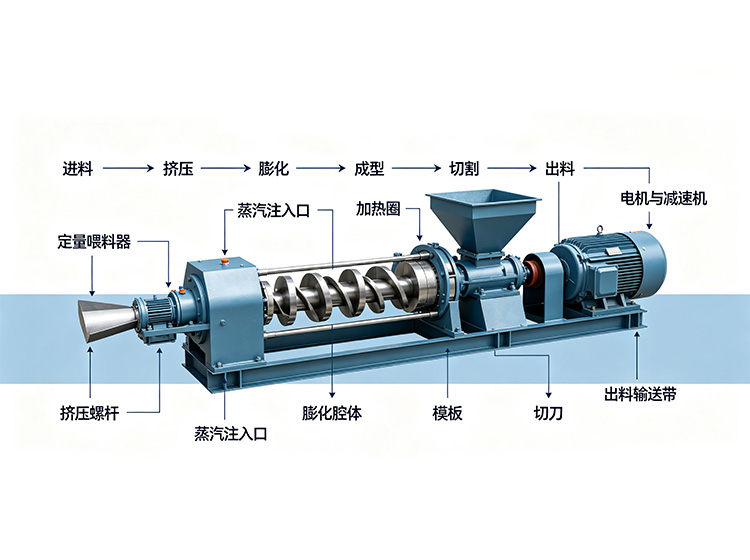
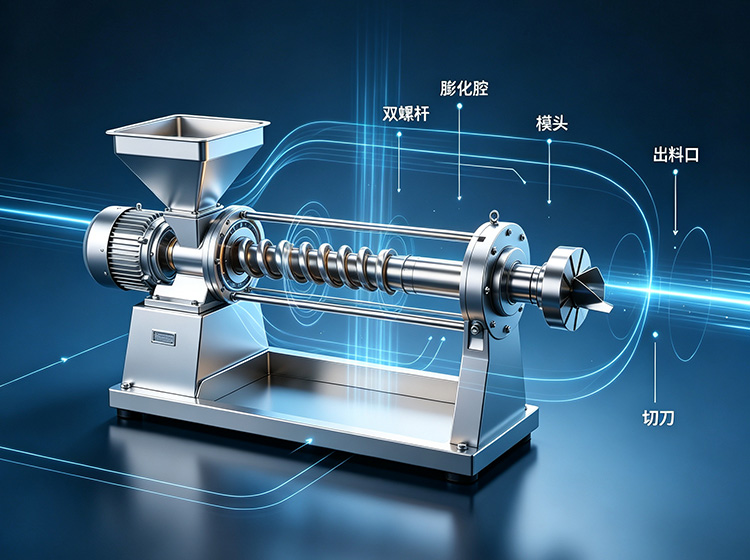
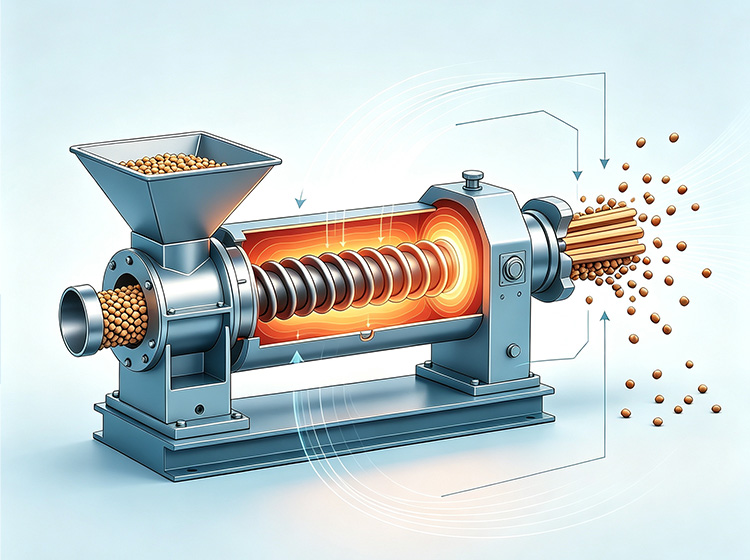
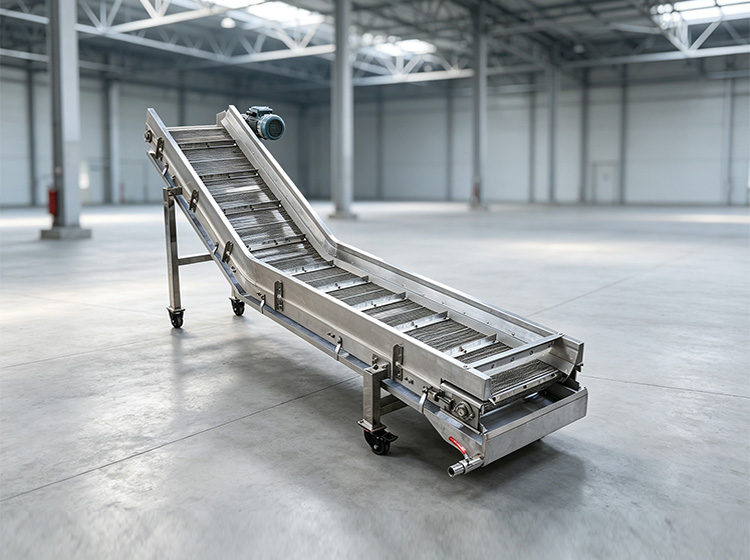
Using dozens of primary and auxiliary raw materials such as chicken, fish meal, chicken meal, beef meal, cassava starch, cheese powder, chicken fat, and salmon, the process of crushing, mixing, cooking, shaping, low-temperature hot air drying, and freeze-drying is employed to produce fresh, delicious, and easily digestible pet food.Innovatively incorporating pure steam technology, light processing technology, and ideal protein technology to create nutritionally balanced pet snacks and staple foods, meeting the diverse dietary needs of pets.Relying on production lines composed of mixing equipment, sterilization equipment, extrusion puffing equipment, freeze-drying equipment, microwave drying equipment, conveying equipment, and others, the various stages of pet food processing have basically achieved automation, resulting in higher production efficiency and better stability.Furthermore, the quality and safety of pet food are more controllable with the use of equipment such as metal detectors and water activity meters.
What conditions should be considered during implementation or selection?
First, it is essential to clarify the product type, raw material state, formulation direction, and expected finished product requirements.For projects involving extrusion, forming, drying, frying, conveying, seasoning, or packaging, the processing capacity and cycle time of each stage must be matched to avoid discrepancies between individual equipment capacity and the overall line requirements.
Secondly, the installation plan should be evaluated in conjunction with the workshop's spatial layout and utility conditions, including power supply, water supply, steam, or gas.Equipment configuration should also take into account long-term operational factors such as cleaning, maintenance, safety protection, spare parts supply, and operator training.Any process or equipment capabilities mentioned in this document are for reference only in the context of solution discussions and preliminary assessments.Specific model numbers, power ratings, production capacities, temperatures, and times shall be subject to the formal technical proposal and the results of trial runs or on-site verification.
Frequently Asked Questions
Can the equipment be determined directly based on the standard configuration?
Not recommended.Different raw materials, product structures, target production capacities, and downstream processes can affect the equipment configuration.It is more prudent to confirm the product and process conditions before proceeding with the configuration assessment.
How to obtain more targeted advice?
It is recommended to prepare product images or sample information, raw material and formulation guidelines, target production capacity, existing workshop conditions, and planned downstream equipment configurations.Dayi Machinery can further discuss the applicable process routes and equipment configuration options based on this.
This article is compiled based on the materials provided by Dayi Machinery, titled "Food Processing Production Lines and Pet Food," with the aim of helping readers understand the relevant topics.For technical requirements related to specific projects, please refer to the actual product documentation and engineering confirmation results.