The application of food dryers involves process, selection, or operational management issues related to food processing and production equipment.The actual solution should be confirmed based on raw material characteristics, target product specifications, production scale, and on-site conditions, and should not be determined solely by single equipment parameters.
Key Points in the Application of Food Dryers
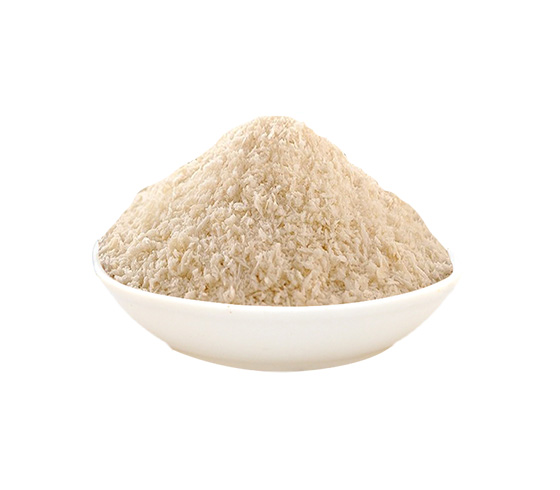
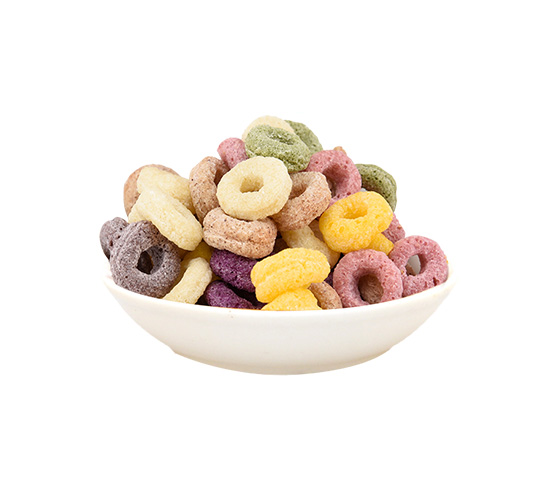
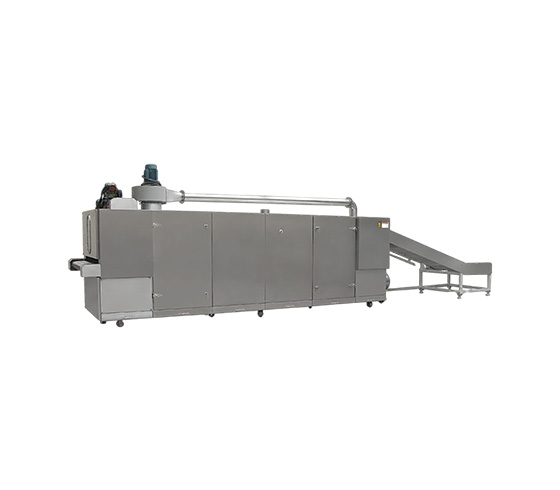
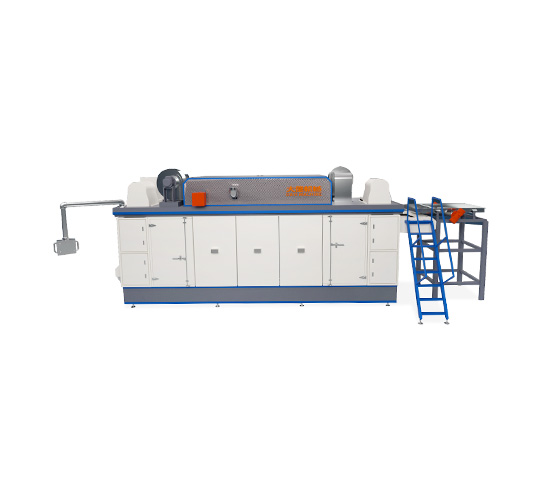
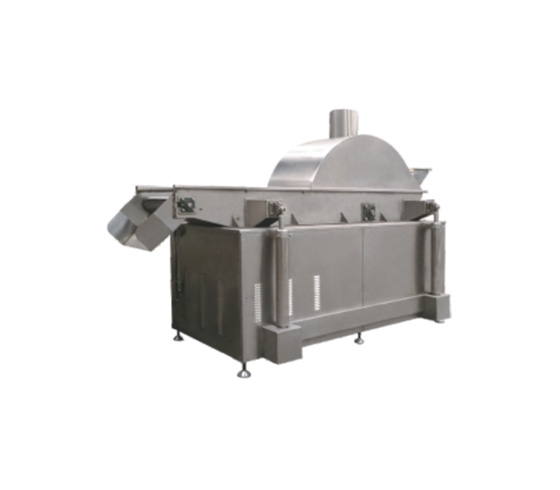
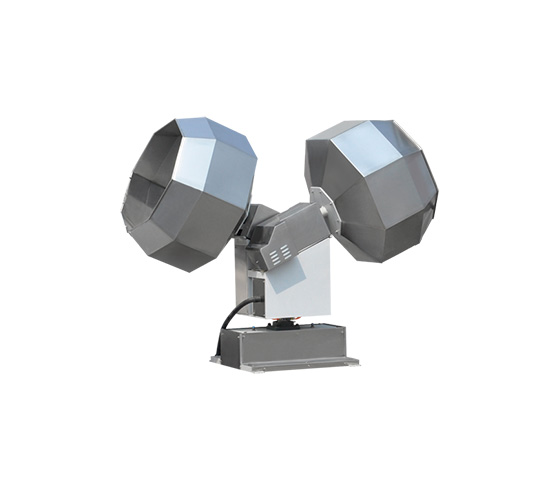
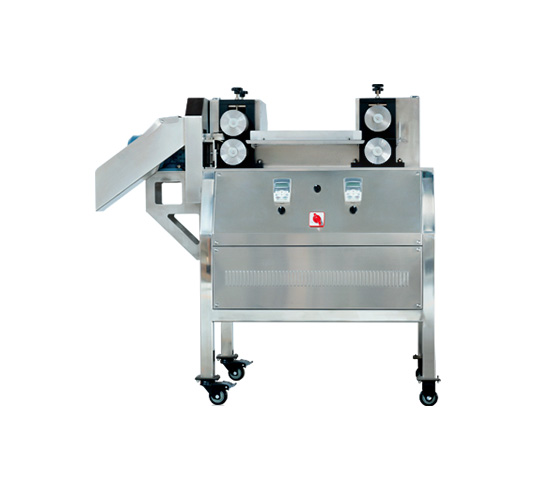
Cereals, coffee, and pet food are mostly dried to facilitate long-term storage, transportation, and use, reduce unnecessary waste and loss, and better meet subsequent processing requirements.With the continuous “upgrade and replacement” of drying equipment, the application of grain dryers, rotary dryers, and low-temperature dryers in the drying processes for grains, coffee, and pet food has further enhanced drying capacity, expanded drying scale, met the needs of industrialized and standardized development, and laid a solid foundation for ensuring product quality and safety.
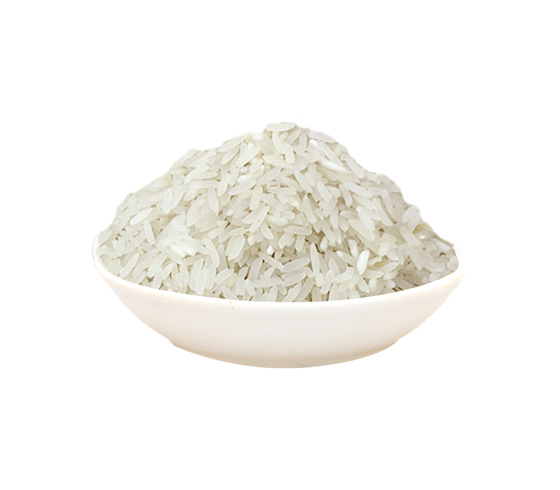
Subject: Applications of Food Dryers;Grain dryers thoroughly solve the grain drying challenges for farmers: newly harvested grains typically have high moisture content, and if not dried promptly, they are highly susceptible to mold.In China in particular, reducing grain loss and waste has become a key strategic measure to ensure food security, making timely grain drying essential.In recent years, with increased investment by national and local governments in grain drying equipment, large, medium, and small grain dryers have been widely adopted, playing a crucial role in timely grain drying, preventing mold, and ensuring grain quality and safety.
Subject: Applications of Food Dryers;Grain dryers thoroughly resolve the grain drying challenges for farmers: It is understood that Qihe County makes full use of the drying equipment already built within the county to carry out centralized grain drying.The 13 drying sites across the county can dry 5,000 tons of corn for local residents each day, making every effort to ensure that all autumn grain is safely harvested and stored.This not only enhances food security but also liberates labor and increases farmers' income.For example, the Yin Nong Town Grain Drying Center has been completed and put into operation, equipped with six dryers and complete drying equipment, with a daily drying capacity of 160 tons. This is more convenient, efficient, and reliable than natural sun-drying, effectively solving the grain drying problem.
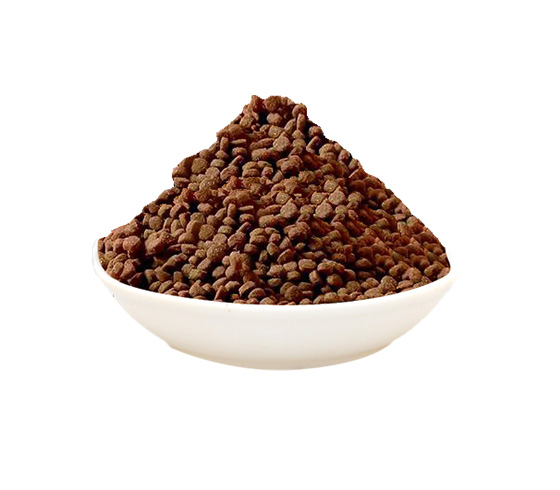
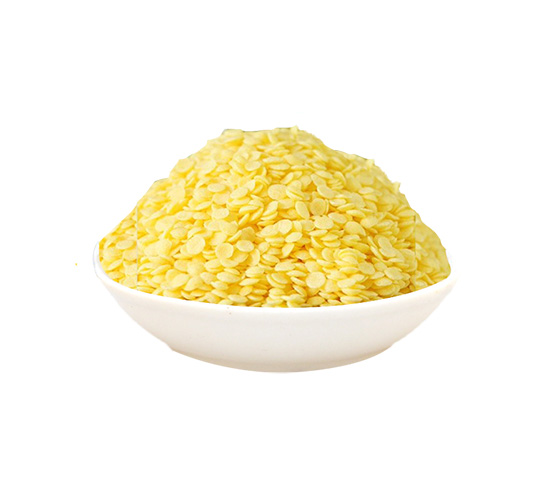
Subject: Applications of Food Dryers;Drum dryers enhance coffee quality and safety: As Western and Chinese cultures and consumption habits converge, coffee is gaining increasing popularity among domestic consumers, driving rapid growth in the coffee bean cultivation and drying industries.In fact, whether it is instant coffee, freshly ground coffee, drip coffee, freeze-dried coffee, capsule coffee, or ready-to-drink coffee, all of them rely on coffee beans as the raw material.Driven by the rapid growth in market demand, traditional natural drying methods for coffee beans can no longer meet the requirements of industry development;Furthermore, with the upgrading of consumer preferences, the market has higher demands for the drying quality of coffee beans.
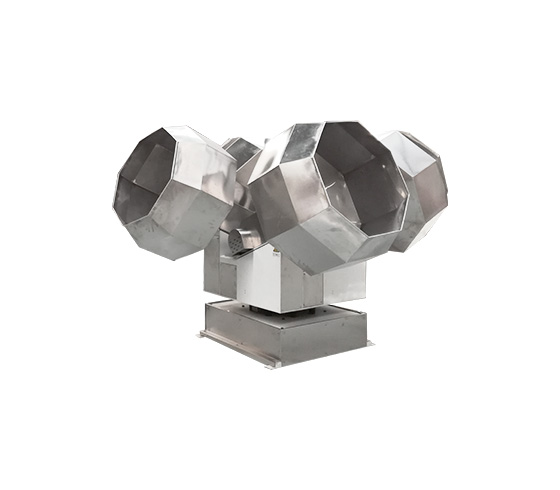
Subject: Applications of Food Dryers;Drum dryers enhance coffee quality and safety: Currently, some enterprises use drum dryers in the coffee bean drying process.Wet coffee beans acquire heat transferred from the exterior of the drum through thermal conduction, thereby removing moisture. This equipment features high thermal efficiency, typically reaching 80% to 90%.Its short drying time and high speed reduce the burnt flavor caused by prolonged contact between coffee beans and the drum, while ensuring high productivity and consistent quality.At the same time, it avoids excessive manual intervention in the drying process and frequent turning of coffee beans, which could cause contamination, thereby ensuring the cleanliness and hygiene of the coffee bean raw materials.
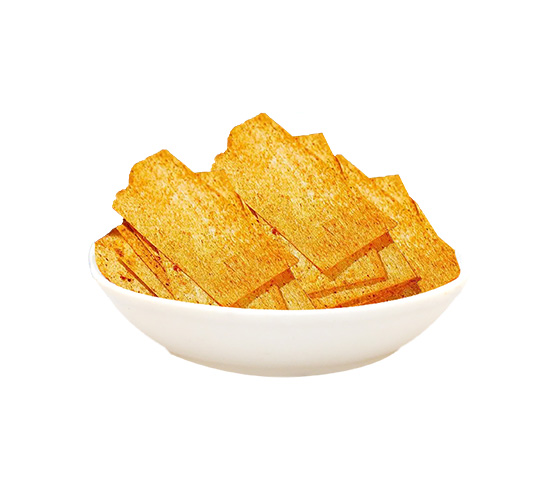
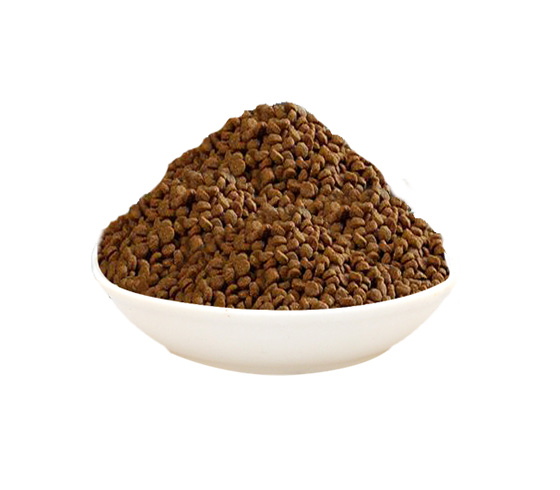
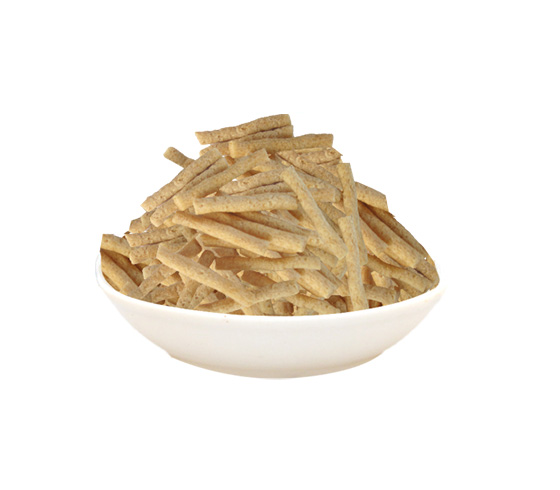
Subject: Applications of Food Dryers;Low-temperature dryers create fresh, nutritious staple food for pets: With rising household incomes, an increasing number of single and solo-living individuals, and an accelerating aging population, the pet industry has expanded rapidly in recent years, driving the fast growth of the pet food market.At the same time, driven by the upgrading of dietary consumption patterns, pet owners are increasingly focusing on the health and nutrition of pet food.Nutritious, safe, fresh, and delicious pet foods, represented by freeze-dried and air-dried diets, are gaining increasing popularity among pet owners.
Subject: Applications of Food Dryers;Low-temperature dryers create fresh and nutritious pet staple food: With the continuous growth of the market share of freeze-dried food, air-dried food, and other pet foods, new-generation drying technologies such as vacuum freeze-drying and low-temperature air-drying play an important role in the production and processing of pet food.Freeze-dried pet food is rapidly dried under low-temperature and low-pressure conditions using vacuum freeze-drying technology, ensuring the freshness, nutrition, and health of pet food.Air-dried food utilizes low-temperature air-drying technology to dehydrate pet food under low-temperature conditions, minimizing the loss of nutrients in the staple diet while maintaining a moderate texture that is easy to digest and absorb.
Subject: Applications of Food Dryers;Conclusion: With the expansion of grain and coffee cultivation areas, increased production, and the growing market demand for pet foods such as freeze-dried and air-dried products, traditional drying processes are clearly no longer sufficient to meet these needs.The application of drying equipment such as grain dryers, rotary dryers, and low-temperature dryers not only prevents mold and waste losses in grains and coffee caused by the inability to sun-dry during rainy days, effectively solving traditional drying challenges, but also promotes quality improvements in pet staple foods in terms of freshness and nutrition, while playing a significant role in preventing mold and waste in grains and coffee during storage, transportation, and sales.
What conditions should be considered during implementation or selection?
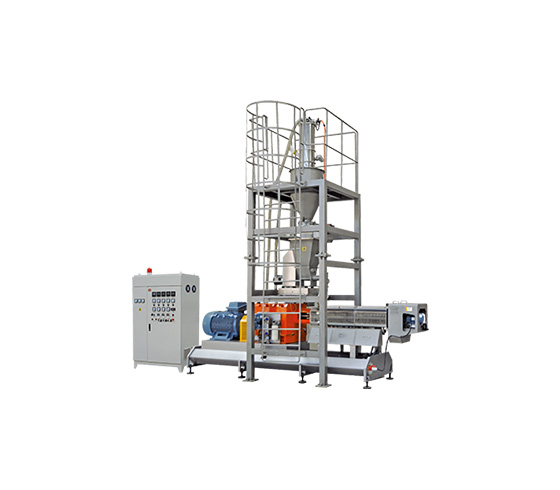
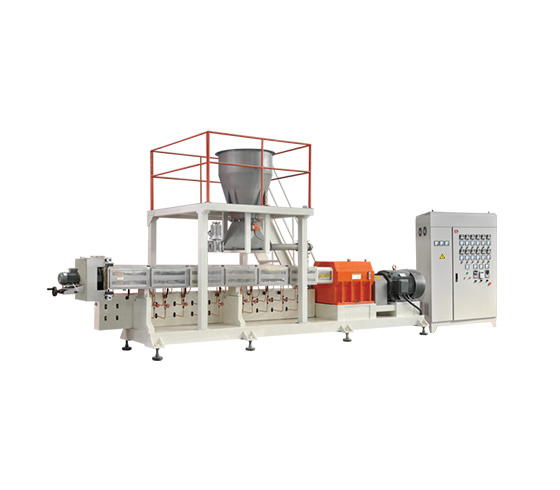
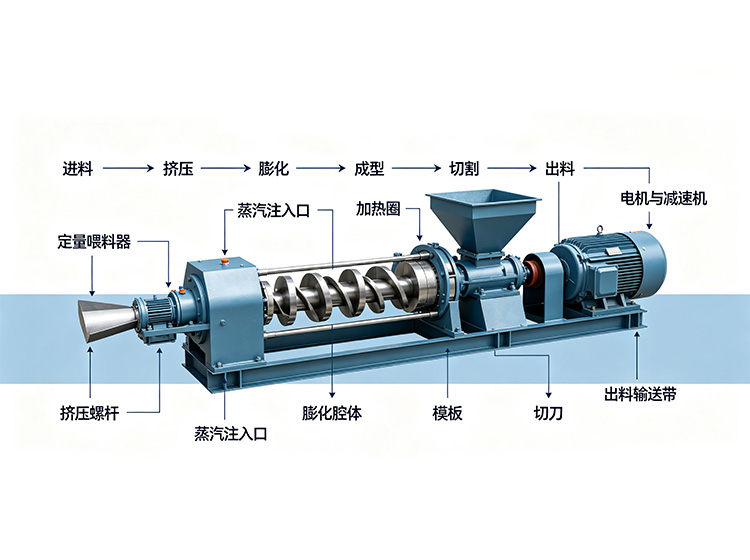
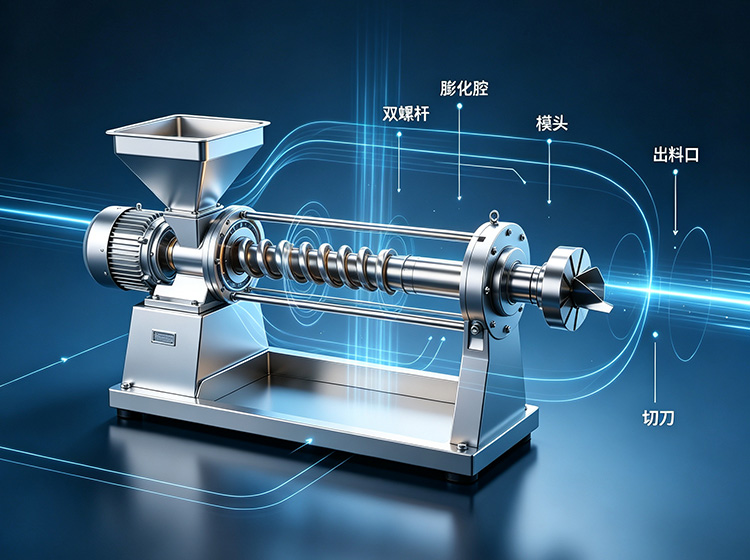
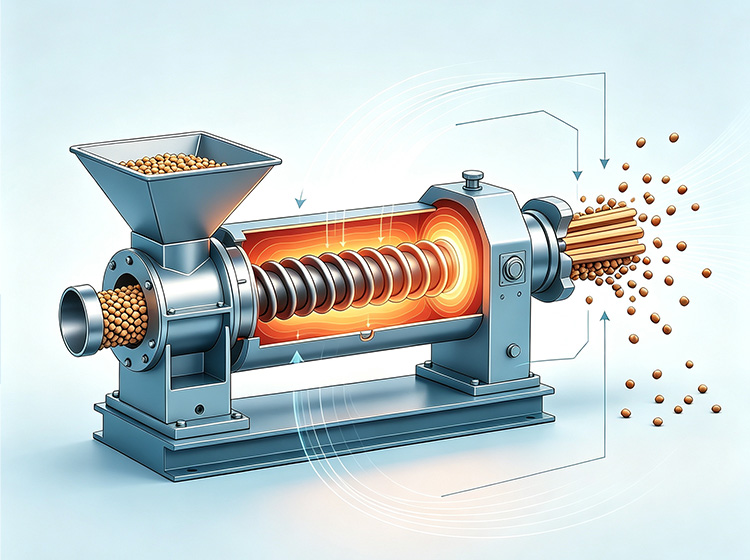
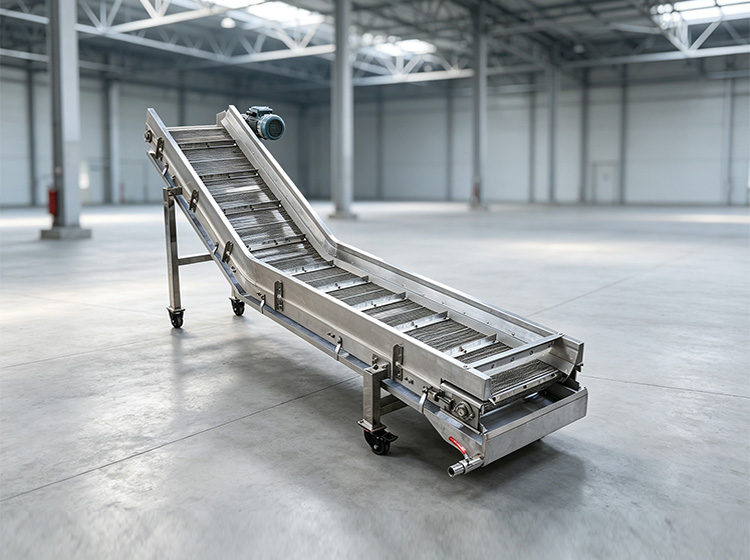
First, it is essential to clarify the product type, raw material state, formulation direction, and expected finished product requirements.For projects involving extrusion, forming, drying, frying, conveying, seasoning, or packaging, the processing capacity and cycle time of each stage must be matched to avoid discrepancies between individual equipment capacity and the overall line requirements.
Secondly, the installation plan should be evaluated in conjunction with the workshop's spatial layout and utility conditions, including power supply, water supply, steam, or gas.Equipment configuration should also take into account long-term operational factors such as cleaning, maintenance, safety protection, spare parts supply, and operator training.Any process or equipment capabilities mentioned in this document are for reference only in the context of solution discussions and preliminary assessments.Specific model numbers, power ratings, production capacities, temperatures, and times shall be subject to the formal technical proposal and the results of trial runs or on-site verification.
Frequently Asked Questions
Can the equipment be determined directly based on the standard configuration?
Not recommended.Different raw materials, product structures, target production capacities, and downstream processes can affect the equipment configuration.It is more prudent to confirm the product and process conditions before proceeding with the configuration assessment.
How to obtain more targeted advice?
It is recommended to prepare product images or sample information, raw material and formulation guidelines, target production capacity, existing workshop conditions, and planned downstream equipment configurations.Dayi Machinery can further discuss the applicable process routes and equipment configuration options based on this.
This article is compiled based on the document "Applications of Food Dryers" provided by Dayi Machinery, with the aim of helping readers understand the relevant topics.For technical requirements related to specific projects, please refer to the actual product documentation and engineering confirmation results.