Best Cleaning Methods for Food Production Lines

Published:2026-07-18

The optimal cleaning methods for food production lines involve process design, equipment selection, and operational management of food processing and production equipment.The actual solution should be confirmed based on raw material characteristics, target product specifications, production scale, and on-site conditions, and should not be determined solely by single equipment parameters.

Key Points for the Best Cleaning Methods of Food Production Lines

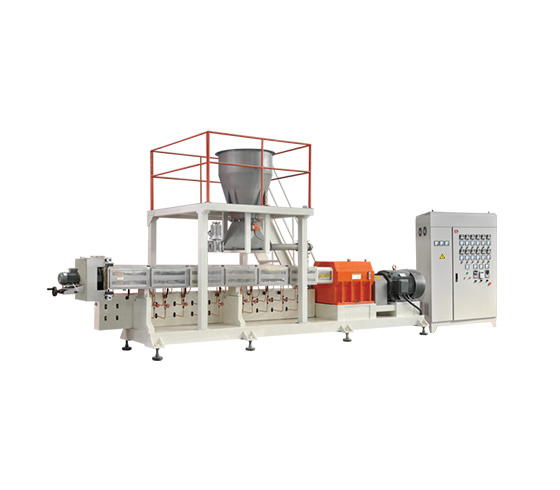
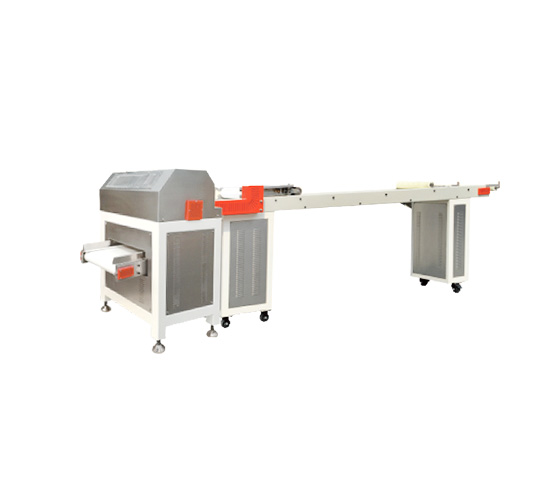
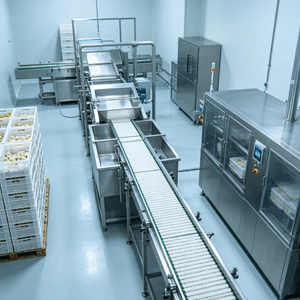
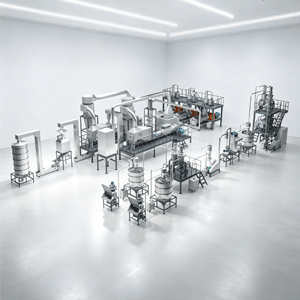
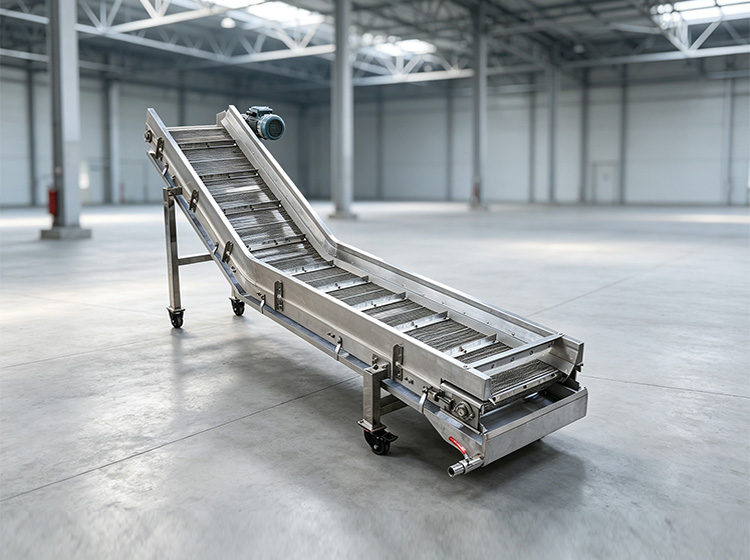
Food production lines play a crucial role in food processing, conveying, and manufacturing.This equipment features a simple structure, easy maintenance, high versatility, and low cost, and is widely used in mechanical equipment for the food, pharmaceutical, and dairy industries.

In the production process of food processing enterprises, thorough cleaning of the food production line is crucial.After use, the production line will generate some deposits. If not cleaned thoroughly and promptly, this will directly affect product quality.After equipment cleaning, not only is the absolute number of microorganisms reduced, but the nutrient sources for microorganisms (primarily proteins and carbohydrates) are also washed away, thereby preventing microbial proliferation.Therefore, maintaining a clean production line environment and preventing secondary microbial contamination are the most effective means of preventing food poisoning and other incidents.In different food processing applications, appropriate cleaning conditions should be selected based on the type, nature, and cleaning requirements of the soil.Dry ice blasting is an ideal method for cleaning equipment and pipelines without dismantling the production line.

Dry ice cleaning enables automated integration and control, features short cleaning times, and ensures high equipment utilization rates.No equipment disassembly is required; the cleaning process can be performed semi-automatically or fully automatically, ensuring high labor efficiency, safety, and reliability.

Dry ice cleaning technology eliminates many of the drawbacks associated with traditional cleaning methods.This method not only doubles the equipment cleaning efficiency but also ensures cleanliness.It makes equipment cleaning more convenient and rapid, thoroughly resolving a long-standing challenge for food factories.Due to the non-conductive, moisture-free, and pollution-free characteristics of dry ice, dry ice cleaning machines can perform online cleaning without cooling or dismantling the production line.Dry ice sublimates directly during the cleaning process, eliminating secondary pollution and associated cleanup costs.Online dry ice cleaning saves significant downtime, improves efficiency, and increases production capacity without the need for additional labor or production equipment.Dry ice pellets are non-abrasive, which can extend the service life of equipment.Dry ice cleaning does not damage equipment, and online cleaning prevents accidental damage during disassembly and reassembly.Dry ice cleaning causes no damage to electrical circuits, control components, or switches.Compared with water-based cleaning, the likelihood of equipment rusting after cleaning is also significantly reduced.Therefore, dry ice cleaning is widely used in the cleaning of food processing machinery.

What conditions should be considered during implementation or selection?

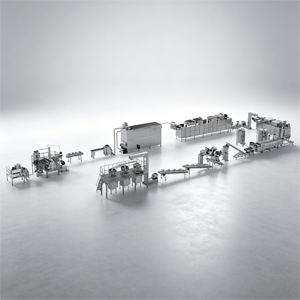
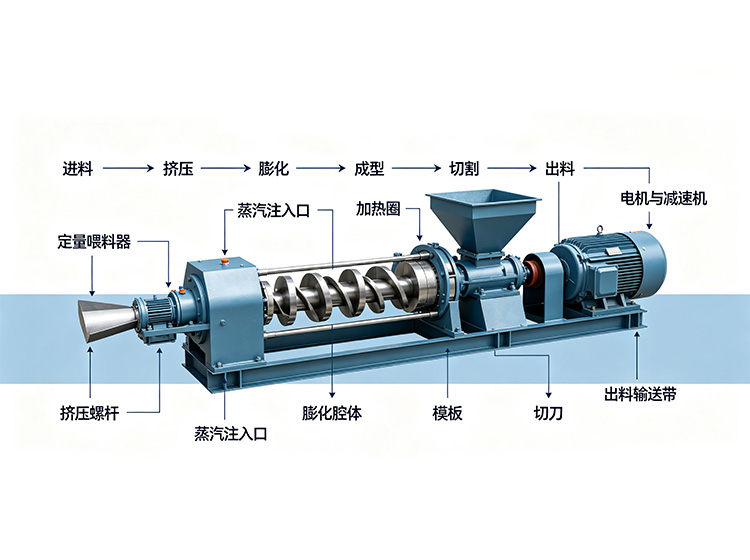
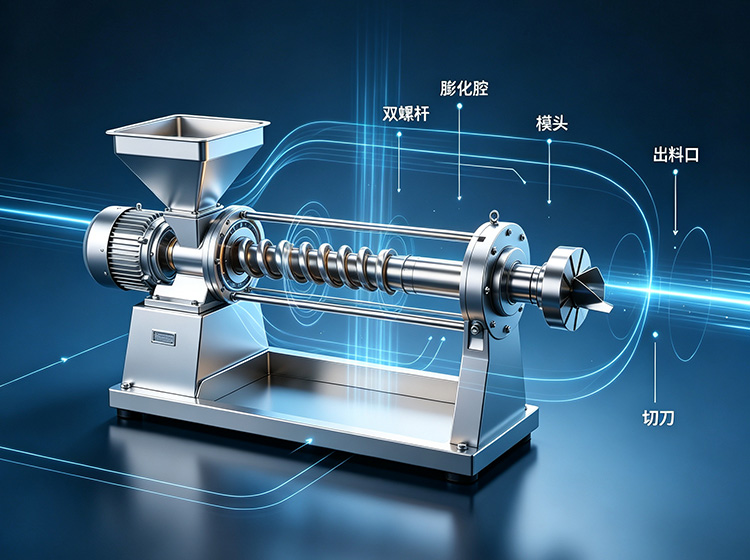
First, it is essential to clarify the product type, raw material state, formulation direction, and expected finished product requirements.For projects involving extrusion, forming, drying, frying, conveying, seasoning, or packaging, the processing capacity and cycle time of each stage must be matched to avoid discrepancies between individual equipment capacity and the overall line requirements.

Secondly, the installation plan should be evaluated in conjunction with the workshop's spatial layout and utility conditions, including power supply, water supply, steam, or gas.Equipment configuration should also take into account long-term operational factors such as cleaning, maintenance, safety protection, spare parts supply, and operator training.Any process or equipment capabilities mentioned in this document are for reference only in the context of solution discussions and preliminary assessments.Specific model numbers, power ratings, production capacities, temperatures, and times shall be subject to the formal technical proposal and the results of trial runs or on-site verification.

Frequently Asked Questions

Can the equipment be determined directly based on the standard configuration?

Not recommended.Different raw materials, product structures, target production capacities, and downstream processes can affect the equipment configuration.It is more prudent to confirm the product and process conditions before proceeding with the configuration assessment.

How to obtain more targeted advice?

It is recommended to prepare product images or sample information, raw material and formulation guidelines, target production capacity, existing workshop conditions, and planned downstream equipment configurations.Dayi Machinery can further discuss the applicable process routes and equipment configuration options based on this.

This article is compiled based on the document "Best Cleaning Methods for Food Production Lines" provided by Dayi Machinery, with the aim of helping readers understand the relevant topics.For technical requirements related to specific projects, please refer to the actual product documentation and engineering confirmation results.