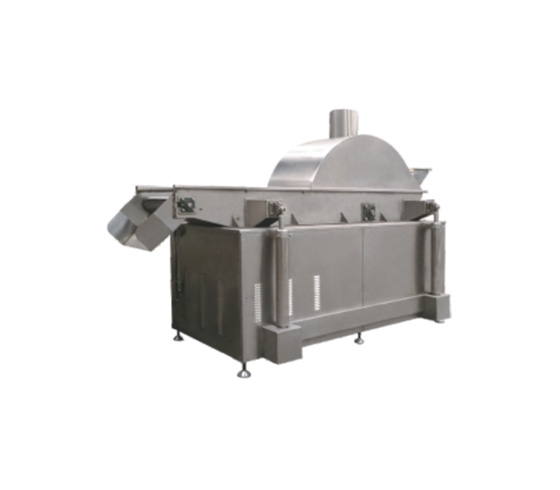
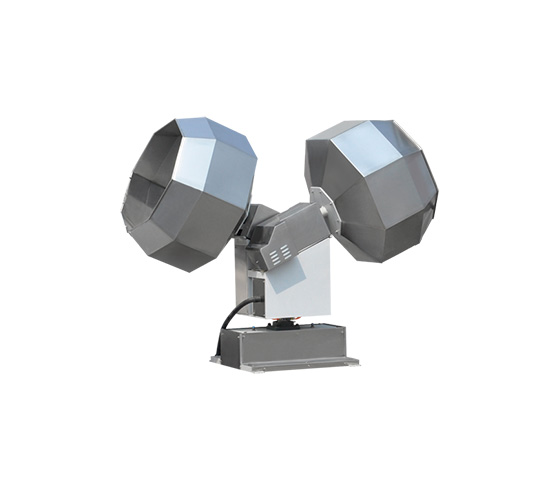
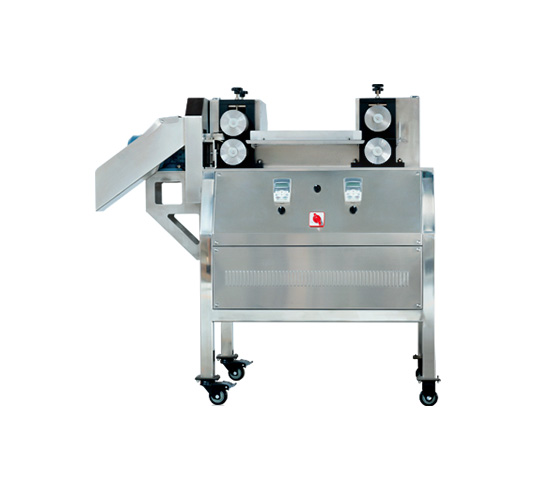
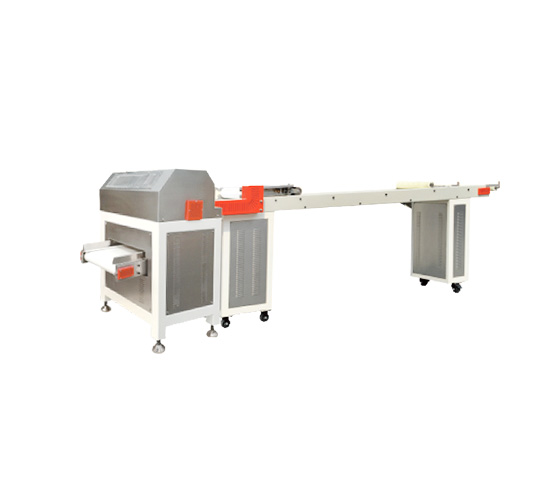
Conveying equipment in automated food production lines involves process, selection, or operational management issues related to food processing and production equipment.The actual solution should be confirmed based on raw material characteristics, target product specifications, production scale, and on-site conditions, and should not be determined solely by single equipment parameters.
Key Points of Conveying Equipment in Automated Food Production Lines
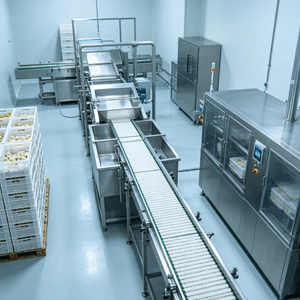
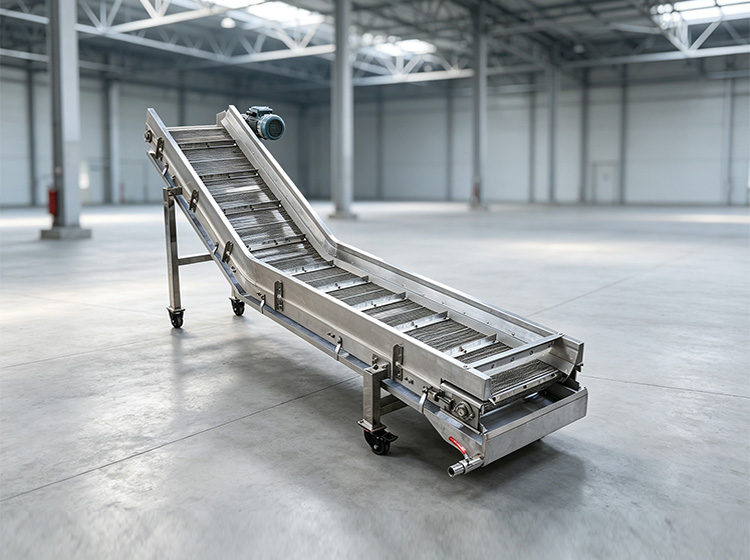
In various food production enterprises, there are numerous issues related to the supply and discharge of materials, such as food raw materials, auxiliary materials, waste, and finished or semi-finished products.From raw material intake to finished product output, as well as each process step within production units, a large volume of materials requires conveying.To reduce workers' physical strain, modern food factories must employ a variety of conveying equipment to carry out these operations.
Therefore, the rational selection of material handling equipment is of great significance for ensuring production continuity, improving labor productivity and product quality, reducing labor intensity, improving working conditions, minimizing contamination during the conveying process, and shortening the production cycle.
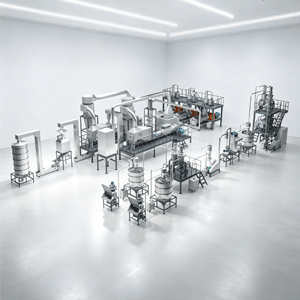
After adopting advanced technologies and equipment and achieving single-machine automation, it is even more important to organically connect each standalone machine. This is accomplished by using conveying machinery to transport semi-finished products processed by one machine to the next, gradually completing the processing and forming an automated production line.Especially in large-scale industrial production, conveying machinery and equipment are indispensable.
Based on their working principles, conveying machinery can be classified into continuous and intermittent types.Based on the movement mode during conveying, they can be classified into linear and rotary types;Based on the drive method, they can be classified into mechanical drive, hydraulic drive, pneumatic drive, and electromagnetic drive.Based on the state of the conveyed material, they can be classified into solid material conveying machinery and fluid material conveying machinery.
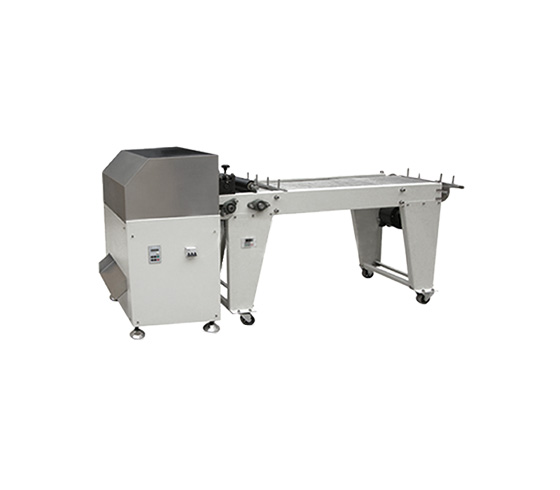
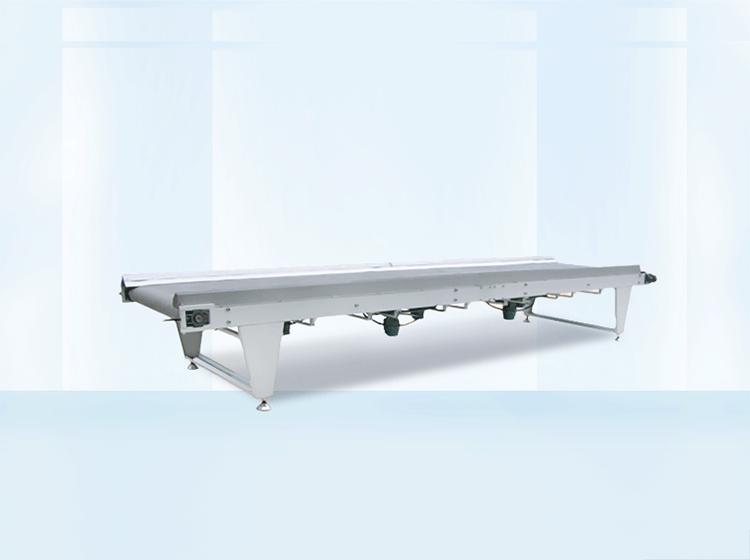
When conveying solid materials, various types of belt conveyors, bucket elevators, screw conveyors, pneumatic conveying systems, or chutes can be selected as conveying equipment.When conveying fluid materials, various types of pumps (such as centrifugal pumps, screw pumps, gear pumps, vane pumps, etc.) and vacuum conveying systems can be selected as conveying equipment.Since conveying equipment is widely used in various types of food enterprises, it should be selected and matched according to actual requirements during production line design.
What conditions should be considered during implementation or selection?
First, it is essential to clarify the product type, raw material state, formulation direction, and expected finished product requirements.For projects involving extrusion, forming, drying, frying, conveying, seasoning, or packaging, the processing capacity and cycle time of each stage must be matched to avoid discrepancies between individual equipment capacity and the overall line requirements.
Secondly, the installation plan should be evaluated in conjunction with the workshop's spatial layout and utility conditions, including power supply, water supply, steam, or gas.Equipment configuration should also take into account long-term operational factors such as cleaning, maintenance, safety protection, spare parts supply, and operator training.Any process or equipment capabilities mentioned in this document are for reference only in the context of solution discussions and preliminary assessments.Specific model numbers, power ratings, production capacities, temperatures, and times shall be subject to the formal technical proposal and the results of trial runs or on-site verification.
Frequently Asked Questions
Can the equipment be determined directly based on the standard configuration?
Not recommended.Different raw materials, product structures, target production capacities, and downstream processes can affect the equipment configuration.It is more prudent to confirm the product and process conditions before proceeding with the configuration assessment.
How to obtain more targeted advice?
It is recommended to prepare product images or sample information, raw material and formulation guidelines, target production capacity, existing workshop conditions, and planned downstream equipment configurations.Dayi Machinery can further discuss the applicable process routes and equipment configuration options based on this.
This article is compiled based on the document "Conveying Equipment in Automated Food Production Lines" provided by Dayi Machinery, with the aim of helping readers understand the relevant topics.For technical requirements related to specific projects, please refer to the actual product documentation and engineering confirmation results.