Methods for Detecting Metal Elements in Food Machinery

Published:2026-07-18

The detection methods for metal elements in food machinery involve process, selection, or operational management issues related to food processing and production equipment.The actual solution should be confirmed based on raw material characteristics, target product specifications, production scale, and on-site conditions, and should not be determined solely by single equipment parameters.

Key Points for Detecting Metal Elements in Food Machinery

Food is an indispensable material foundation for human survival.Since the mechanization era, industrialization has permeated every aspect of life, and food production is no exception.To improve productivity, food production lines have introduced a large number of automated and high-speed processing machines, but this has also led to the problem of potential foreign metal contamination of food on the production line.In the food processing process, materials pass through the filters, conveyor belts, rollers, and storage tanks of multiple pieces of equipment, most of which are made of metal alloys.These metal components increase the risk of foreign metal contamination, making food safety issues a matter that cannot be overlooked.So, how should food production enterprises ensure food safety and non-toxicity?Inspection has become the primary step, and a fluorescence spectrometer can be used for metal element detection.

Why is it important to trace metal contamination sources?From production start to packaging completion, food passes through various pieces of equipment. Different processes use equipment made of different materials, so contamination caused by equipment issues must be identified and addressed.In food automation production lines, a single equipment malfunction can trigger countless potential food contamination risks downstream.The use of a fluorescence spectrometer aims to eliminate these issues at the source and reduce the likelihood of metal contamination in food.The X-ray fluorescence spectrometer can effectively identify alloy grades, even metal fragments, and provide exclusive chemical composition analysis results within seconds, which are then compared with specific alloys in the built-in alloy grade database.Matching the analyzed grades with the metal components on the production line can significantly improve work efficiency.

What conditions should be considered during implementation or selection?

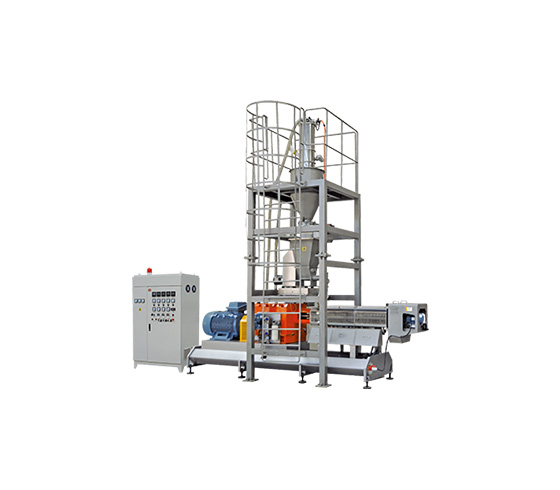
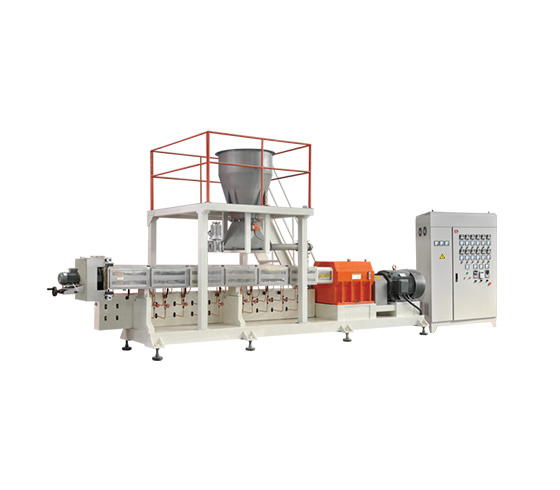
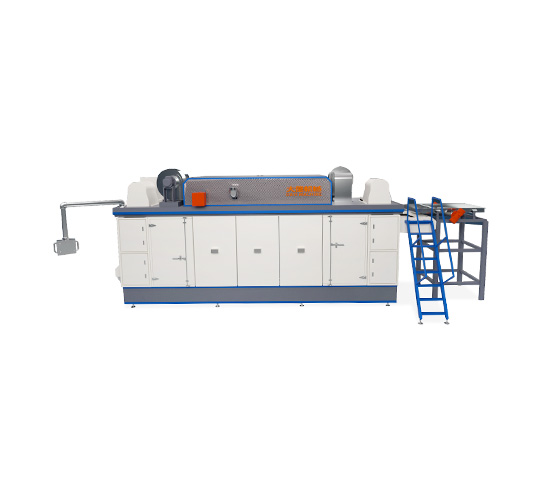
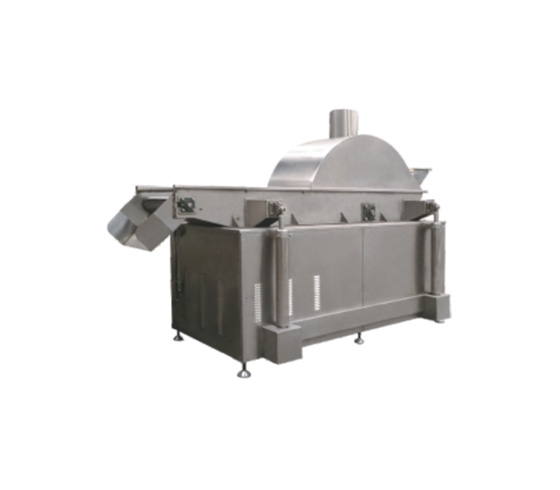
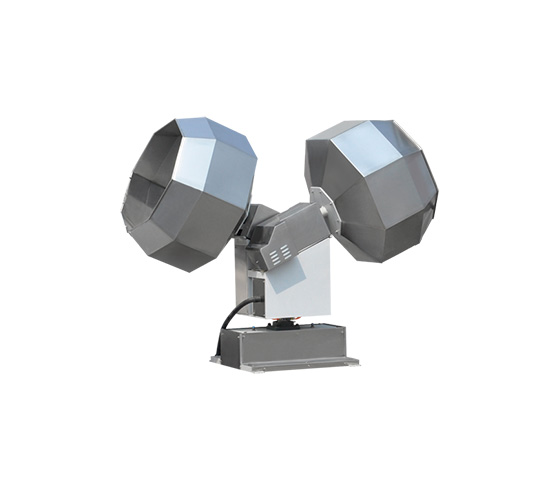
First, it is essential to clarify the product type, raw material state, formulation direction, and expected finished product requirements.For projects involving extrusion, forming, drying, frying, conveying, seasoning, or packaging, the processing capacity and cycle time of each stage must be matched to avoid discrepancies between individual equipment capacity and the overall line requirements.

Secondly, the installation plan should be evaluated in conjunction with the workshop's spatial layout and utility conditions, including power supply, water supply, steam, or gas.Equipment configuration should also take into account long-term operational factors such as cleaning, maintenance, safety protection, spare parts supply, and operator training.Any process or equipment capabilities mentioned in this document are for reference only in the context of solution discussions and preliminary assessments.Specific model numbers, power ratings, production capacities, temperatures, and times shall be subject to the formal technical proposal and the results of trial runs or on-site verification.

Frequently Asked Questions

Can the equipment be determined directly based on the standard configuration?

Not recommended.Different raw materials, product structures, target production capacities, and downstream processes can affect the equipment configuration.It is more prudent to confirm the product and process conditions before proceeding with the configuration assessment.

How to obtain more targeted advice?

It is recommended to prepare product images or sample information, raw material and formulation guidelines, target production capacity, existing workshop conditions, and planned downstream equipment configurations.Dayi Machinery can further discuss the applicable process routes and equipment configuration options based on this.

This article is compiled based on the document "Detection Methods for Metal Elements in Food Machinery" provided by Dayi Machinery, with the aim of helping readers understand the relevant topics.For technical requirements related to specific projects, please refer to the actual product documentation and engineering confirmation results.