Classification of Food Machinery

Published:2026-07-18

The classification of food machinery involves issues related to the processes, selection, or operational management of food processing and production equipment.The actual solution should be confirmed based on raw material characteristics, target product specifications, production scale, and on-site conditions, and should not be determined solely by single equipment parameters.

Key Points in the Classification of Food Machinery

The food industry features a wide variety of raw materials and products, along with diverse processing techniques, resulting in highly complex machinery for food enterprises.

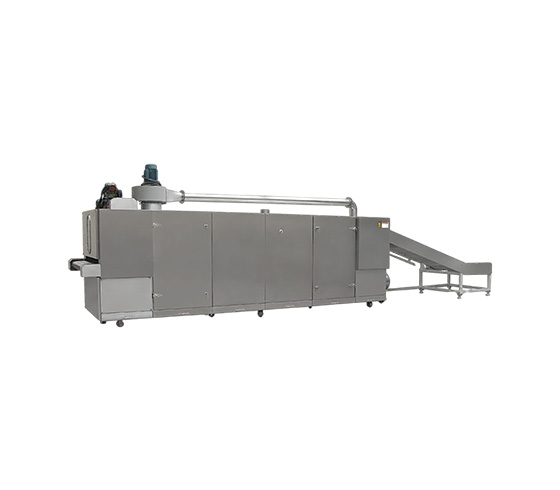
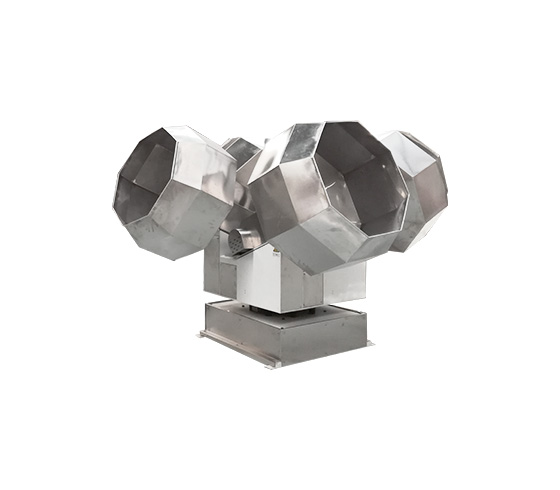
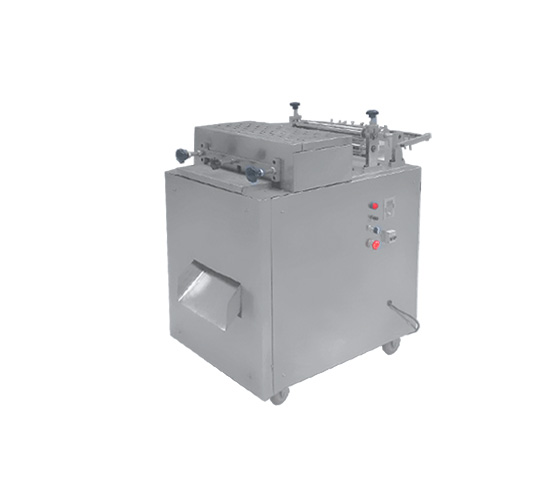
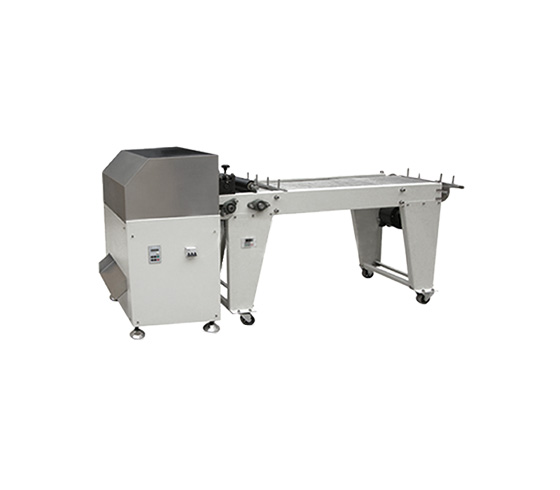
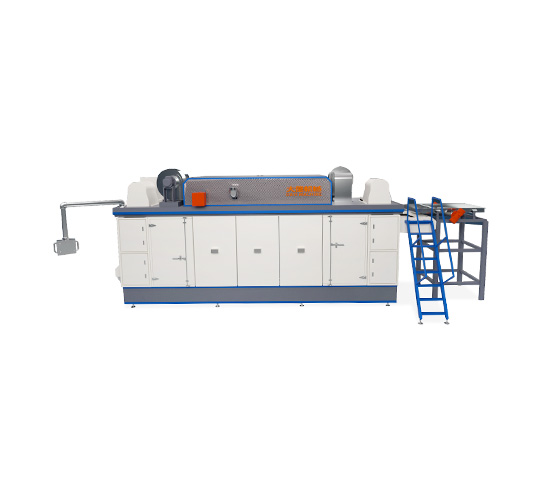
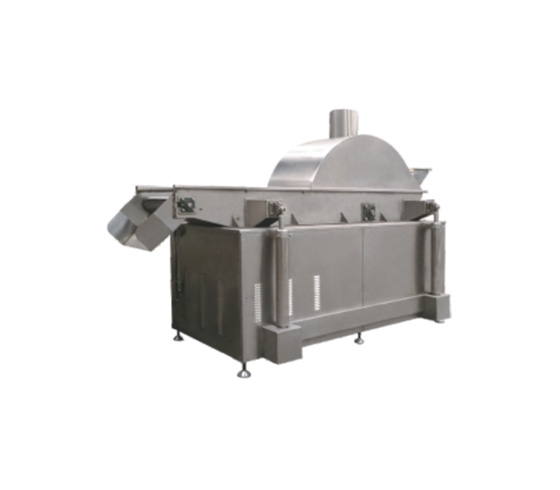
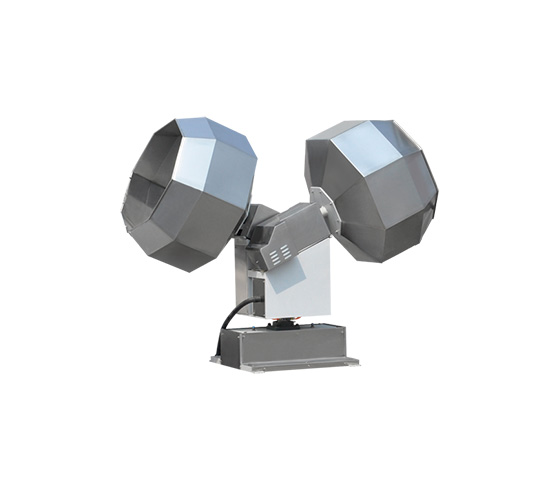
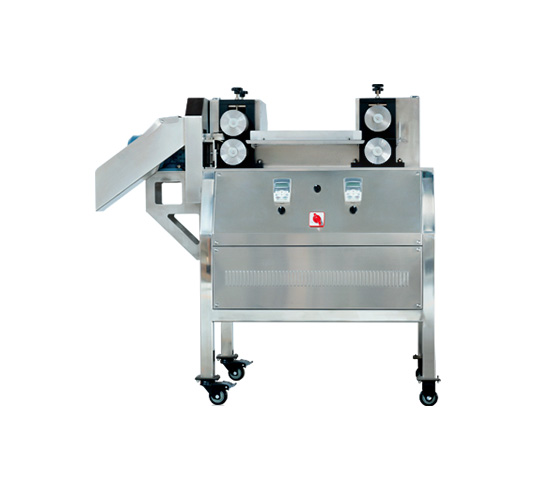
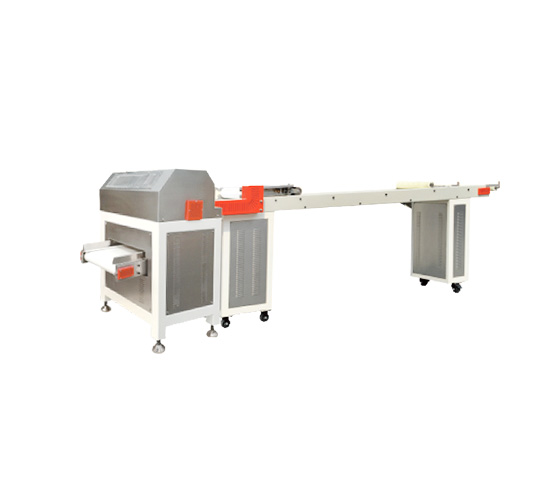
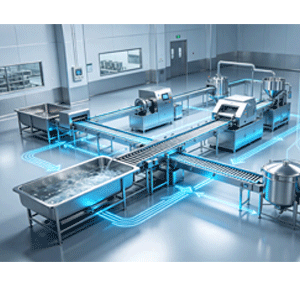
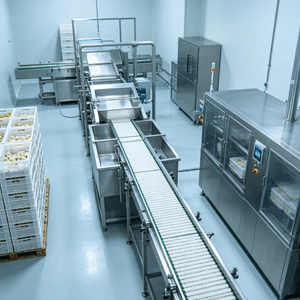
Raw material processing machinery: includes mechanical equipment for decontamination, cleaning, sorting, and other processes.Crushing, Cutting, and Dividing Machinery: Includes mechanical equipment for crushing, pulverizing, grinding, dividing, and cutting.Mixing Machinery: Includes powder mixing equipment.Sorting machinery: Refers to machinery for sorting powdery and bulk materials.Forming machinery: such as equipment for forming biscuits, pastries, and confectionery.Multiphase separation machinery: such as filters, centrifuges, etc.Mixing and Homogenizing Machinery: Primarily refers to mixing and processing equipment for liquid materials, including colloid mills, among others.Ripening machinery: includes equipment for steaming, cooking, sterilization, blanching, sugar boiling, frying, and other processes.Evaporation and concentration machinery: rising-film and falling-film concentration equipment, single-effect and multiple-effect concentration equipment.Drying machinery and equipment: including various atmospheric and vacuum drying machines.They can be classified by machine type into box-type, tunnel-type, rotary drum-type, belt-type, spray-type, pipe-type, fluidized bed-type, and others;Based on the heat source, they can be classified into flue gas heating, fuel oil heating, gas heating, steam heating, electric heating, far-infrared heating, microwave heating, high-frequency heating, and so on.Baking machinery: including fixed box-type, rotary, and chain-type.Freezing and Quick-Freezing Machinery: Includes various types of quick-freezing machines and cold beverage freezing equipment, and may also encompass refrigeration machinery.Metering Machinery: Equipment for the quantitative, volumetric, or weighing measurement of various liquids and solids in the process flow.

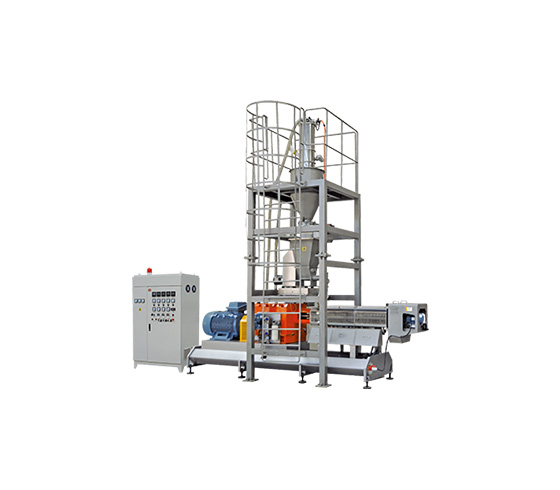
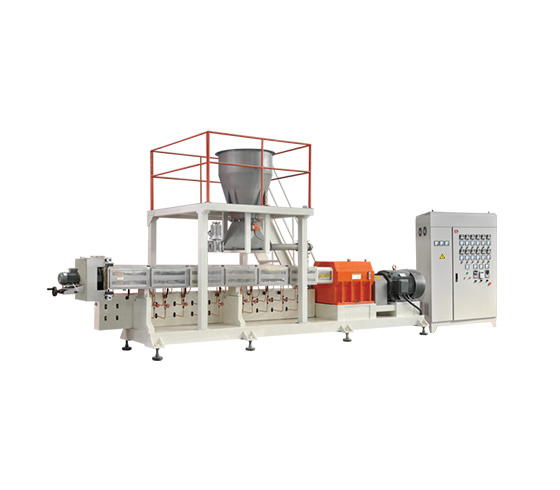
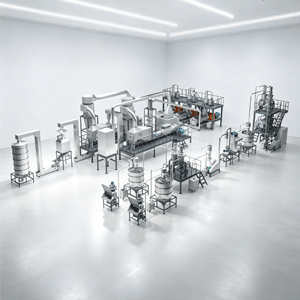
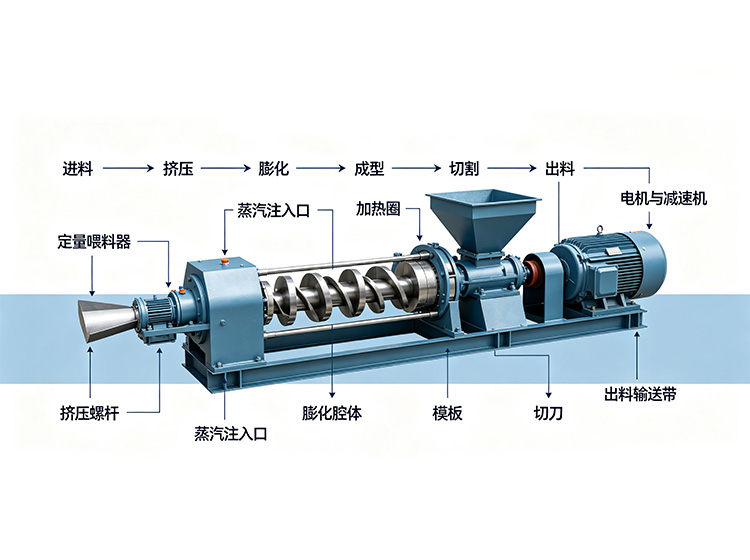
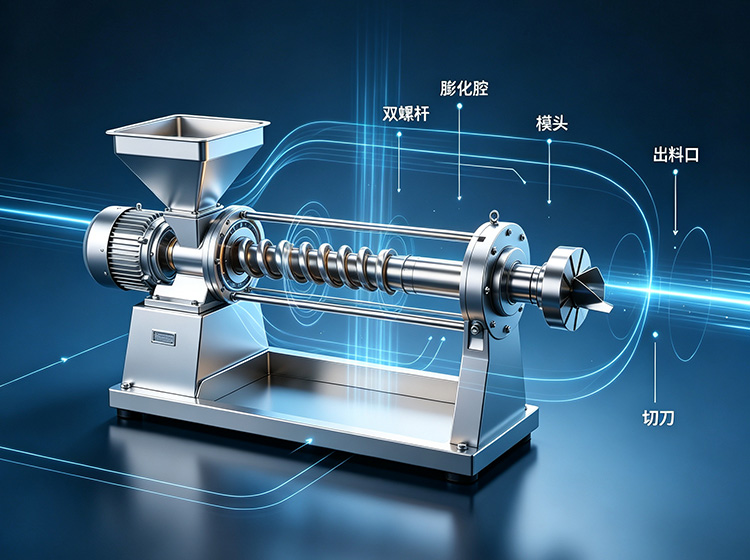
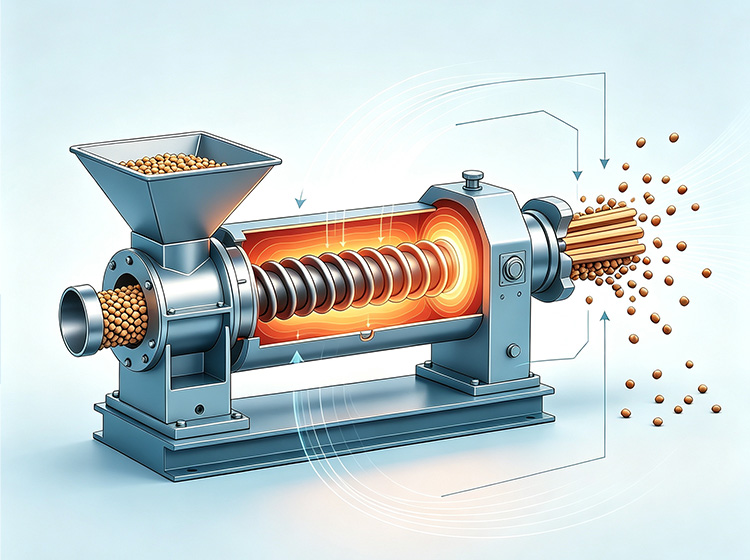
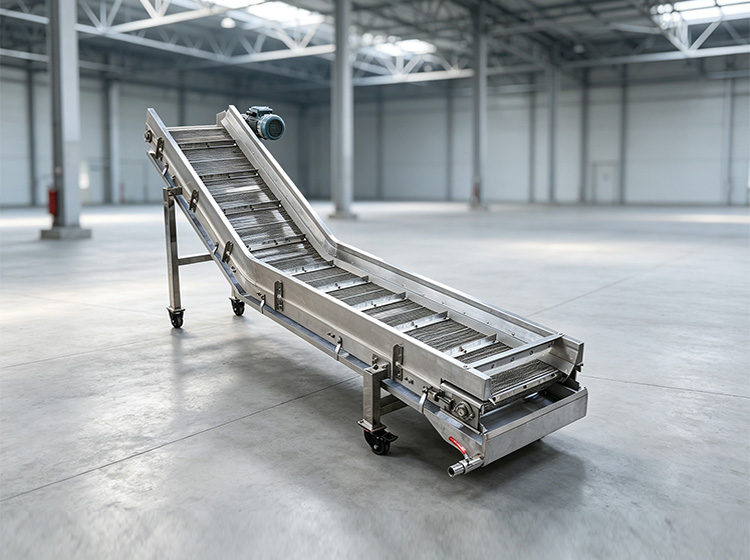
Packaging Machinery: Includes canning, bottling, and bagging equipment for various solid and liquid materials.Extrusion and puffing machinery and other machinery that is difficult to classify.In addition, various general-purpose equipment such as conveying machinery (including belt conveyors, bucket elevators, and pneumatic conveyors), various types of pumps, and heat transfer equipment and vessels are also widely used in food processing plants.In summary, from the perspectives of research design, manufacturing, and equipment selection and matching, the two classification methods mentioned above have certain guiding significance for production development.It is necessary to study the intrinsic connections among various types of processing machinery in different food production processes to facilitate the development of integrated production lines, as well as to examine the production efficiency and mechanical structures of individual unit operations, thereby achieving localized technological breakthroughs that drive overall advancement.

What conditions should be considered during implementation or selection?

First, it is essential to clarify the product type, raw material state, formulation direction, and expected finished product requirements.For projects involving extrusion, forming, drying, frying, conveying, seasoning, or packaging, the processing capacity and cycle time of each stage must be matched to avoid discrepancies between individual equipment capacity and the overall line requirements.

Secondly, the installation plan should be evaluated in conjunction with the workshop's spatial layout and utility conditions, including power supply, water supply, steam, or gas.Equipment configuration should also take into account long-term operational factors such as cleaning, maintenance, safety protection, spare parts supply, and operator training.Any process or equipment capabilities mentioned in this document are for reference only in the context of solution discussions and preliminary assessments.Specific model numbers, power ratings, production capacities, temperatures, and times shall be subject to the formal technical proposal and the results of trial runs or on-site verification.

Frequently Asked Questions

Can the equipment be determined directly based on the standard configuration?

Not recommended.Different raw materials, product structures, target production capacities, and downstream processes can affect the equipment configuration.It is more prudent to confirm the product and process conditions before proceeding with the configuration assessment.

How to obtain more targeted advice?

It is recommended to prepare product images or sample information, raw material and formulation guidelines, target production capacity, existing workshop conditions, and planned downstream equipment configurations.Dayi Machinery can further discuss the applicable process routes and equipment configuration options based on this.

This article is compiled based on the "Classification of Food Machinery" document provided by Dayi Machinery, with the aim of helping readers understand the relevant topics.For technical requirements related to specific projects, please refer to the actual product documentation and engineering confirmation results.