Current Status and Prospects of Extrusion Puffing Technology

Published:2026-07-18

The current status and prospects of extrusion puffing technology involve issues related to the process, equipment selection, and operational management of food processing and production equipment.The actual solution should be confirmed based on raw material characteristics, target product specifications, production scale, and on-site conditions, and should not be determined solely by single equipment parameters.

Key Points on the Current Status and Prospects of Extrusion Puffing Technology

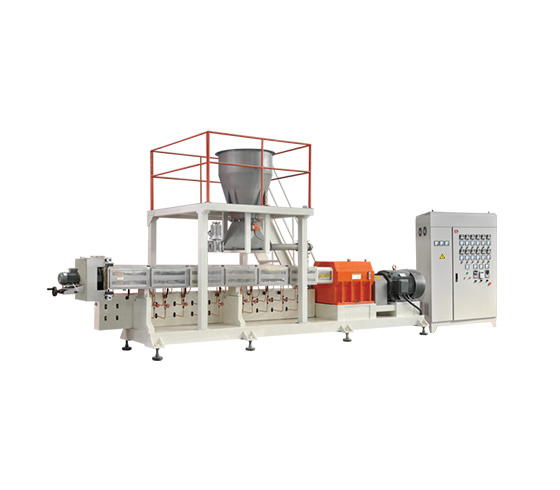
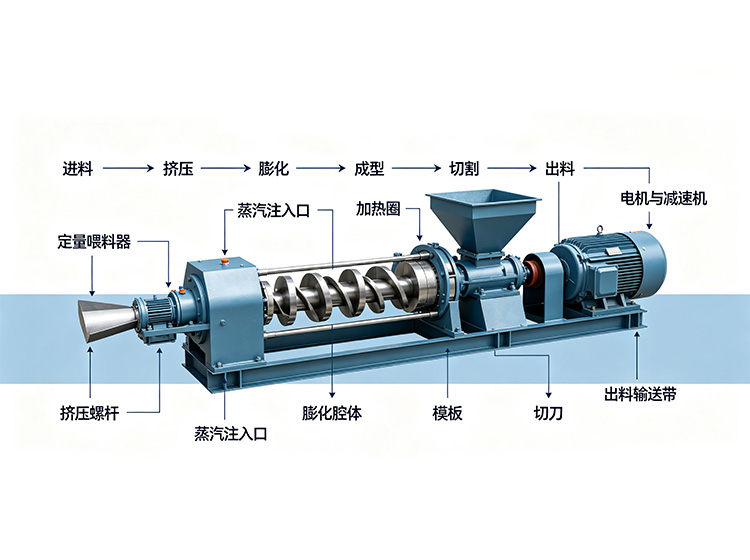
Currently, European and American countries are at the forefront of research on cereal breakfast foods.Countries have conducted research based on the dietary habits and taste preferences of their local populations, resulting in cereal breakfast product systems tailored to regional conditions.China's extrusion puffing technology is mainly focused on puffed foods and textured vegetable protein, while research on producing cereal breakfast foods using extrusion puffing technology remains relatively weak, indicating that the field is still in its early stages.The technology for processing cereal breakfast foods has evolved from scratch, undergoing multiple transformations through continuous innovation of traditional techniques, and has now established a new technological process.However, as an essential food item in residents' daily lives, cereal breakfast products should intensify R&D efforts in texture, variety, flavor, and nutritional content to meet market demand.At the same time, as a driving force for the development of cereal breakfast foods, extrusion puffing technology should actively implement an innovation strategy, conduct in-depth research into its principles, improve equipment functions and performance, and develop more comprehensive and advanced process flows.

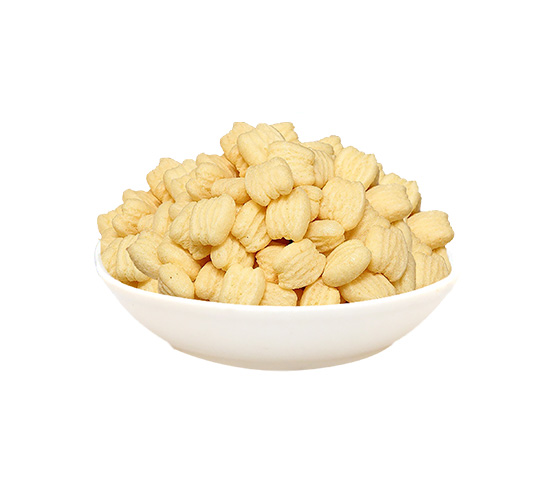
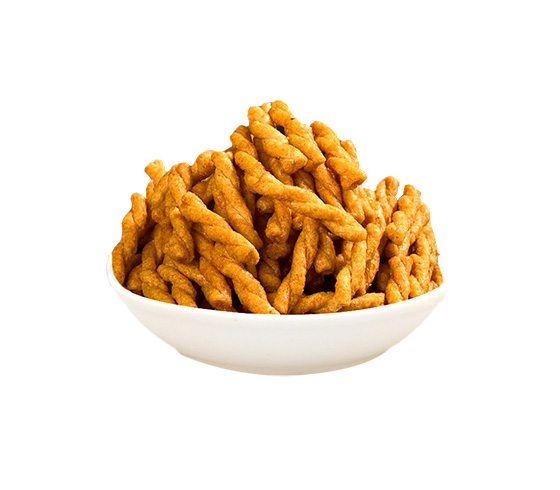
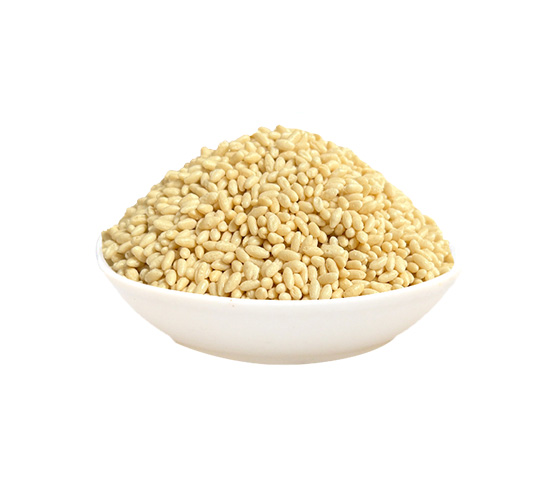
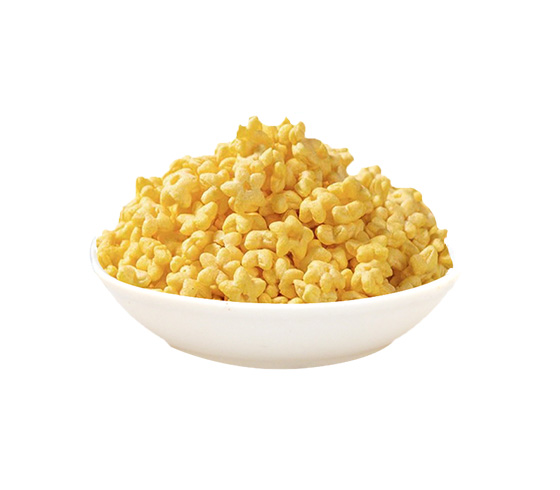
Currently, widely used single-ingredient extruded puffed products have a single nutritional profile and cannot meet people's demand for comprehensive nutrition.Compound powder extruded puffed foods can significantly increase the nutrient content of foods, improve the physicochemical properties, physiological functions, and storage performance of raw materials.Extrusion puffing technology enables deep processing of agricultural products such as cereals, legumes, and tubers.China is rich in agricultural and sideline products, with many raw materials containing a variety of nutrients.Traditional food processing methods not only lead to nutrient loss but also make it difficult for the human body to digest and absorb nutrients, whereas extrusion puffing technology can effectively address this issue.The natural proteins, fats, carbohydrates, vitamins, minerals, and dietary fiber contained in the formula plant-based composite powder meet the body's optimal intake ratios and possess extremely high nutritional value.This product category features a wide variety of items, relatively simple processes, high production efficiency, and good product quality. It enables the production of puffed snacks with diverse flavors from low-cost raw materials, achieving low-cost, high-output, fully automated, and continuous production.Extrusion puffing is a food texture modification technology that can alter the content of nutrients such as carbohydrates, proteins, amino acids, fats, and vitamins in food raw materials to meet diverse nutritional needs.

With the development of society, fast food has captured a significant market share. Puffed products are enjoyed by people of all ages, and some plant-based composite powder puffed foods also offer health benefits. Therefore, extrusion puffing technology has broad development prospects.

What conditions should be considered during implementation or selection?

First, it is essential to clarify the product type, raw material state, formulation direction, and expected finished product requirements.For projects involving extrusion, forming, drying, frying, conveying, seasoning, or packaging, the processing capacity and cycle time of each stage must be matched to avoid discrepancies between individual equipment capacity and the overall line requirements.

Secondly, the installation plan should be evaluated in conjunction with the workshop's spatial layout and utility conditions, including power supply, water supply, steam, or gas.Equipment configuration should also take into account long-term operational factors such as cleaning, maintenance, safety protection, spare parts supply, and operator training.Any process or equipment capabilities mentioned in this document are for reference only in the context of solution discussions and preliminary assessments.Specific model numbers, power ratings, production capacities, temperatures, and times shall be subject to the formal technical proposal and the results of trial runs or on-site verification.

Frequently Asked Questions

Can the equipment be determined directly based on the standard configuration?

Not recommended.Different raw materials, product structures, target production capacities, and downstream processes can affect the equipment configuration.It is more prudent to confirm the product and process conditions before proceeding with the configuration assessment.

How to obtain more targeted advice?

It is recommended to prepare product images or sample information, raw material and formulation guidelines, target production capacity, existing workshop conditions, and planned downstream equipment configurations.Dayi Machinery can further discuss the applicable process routes and equipment configuration options based on this.

This article is compiled based on the materials provided by Dayi Machinery, titled “Current Status and Prospects of Extrusion Puffing Technology,” with the aim of helping readers understand the relevant topics.For technical requirements related to specific projects, please refer to the actual product documentation and engineering confirmation results.