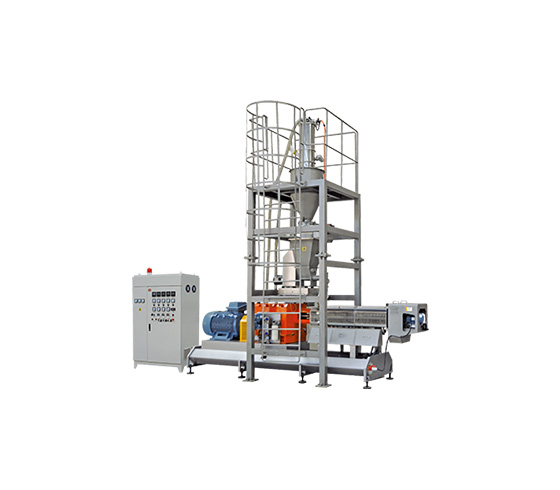
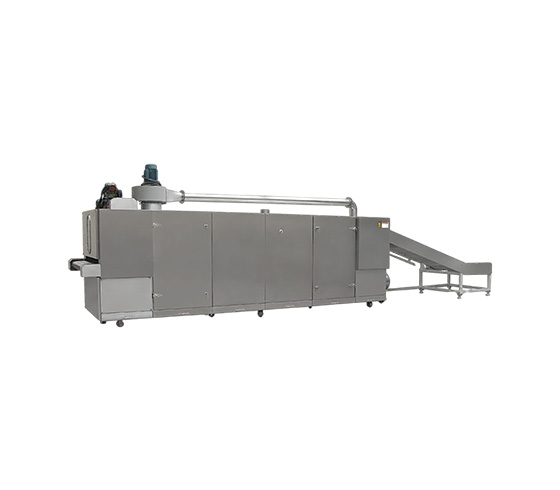
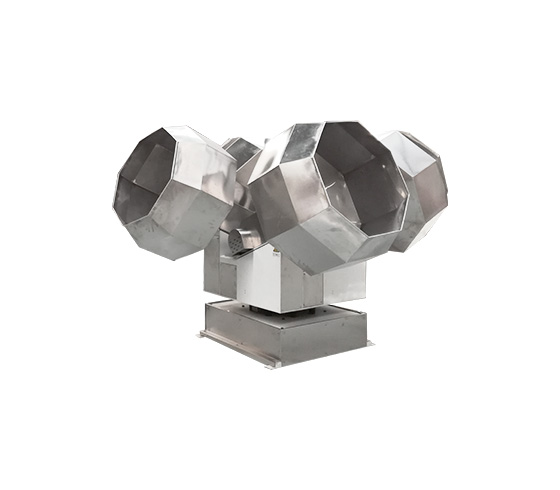
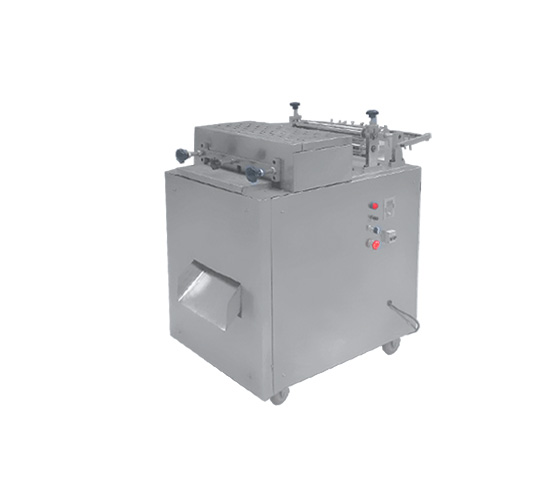
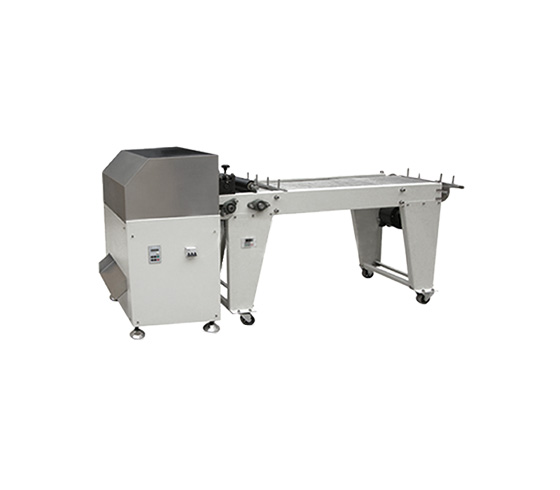
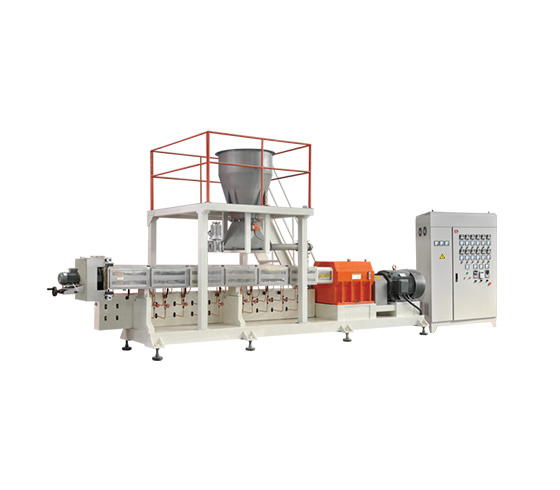
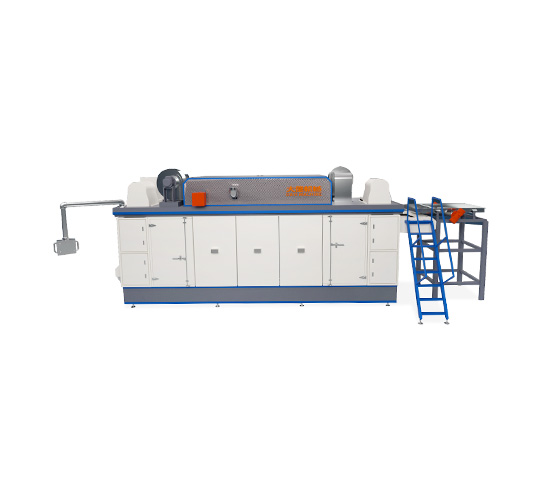
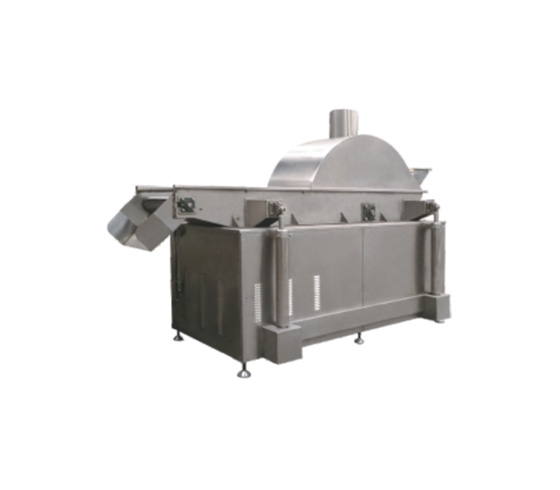
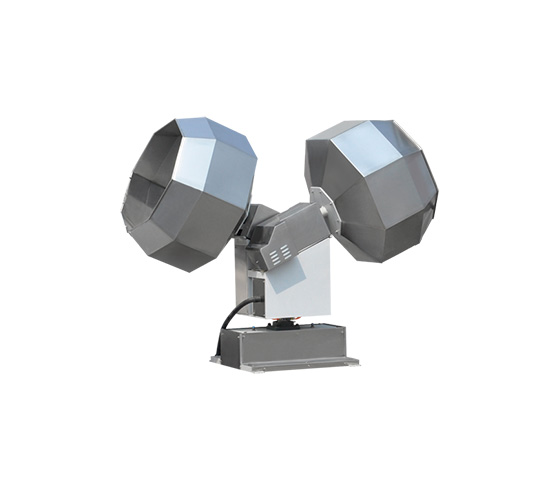
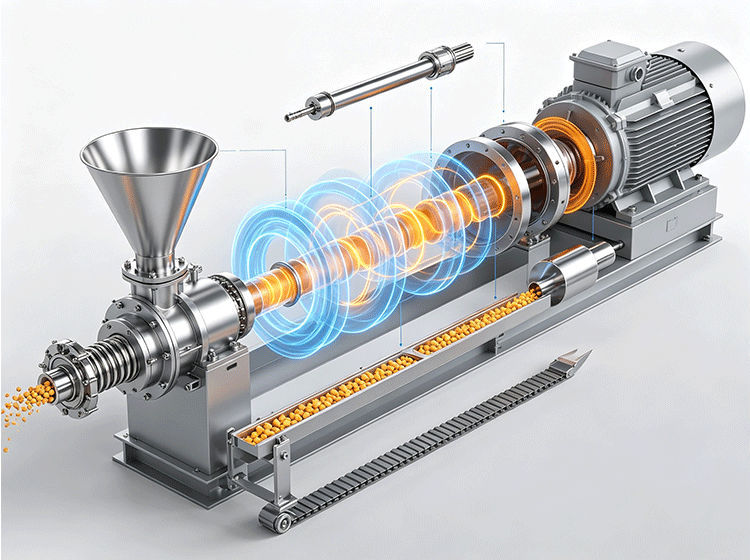
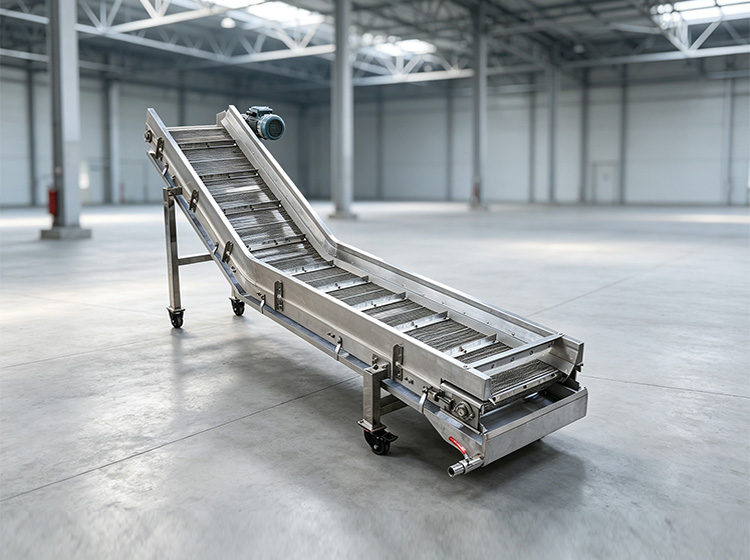
Domestic extrusion puffing machines hold a market advantage due to their high cost-performance ratio, addressing issues related to the process, selection, and operational management of food processing and production equipment.The actual solution should be confirmed based on raw material characteristics, target product specifications, production scale, and on-site conditions, and should not be determined solely by single equipment parameters.
Key Points Behind the Market Advantage of Domestic Extrusion Puffing Machines Based on High Cost-Performance
In the past, China's extrusion puffing equipment was mainly concentrated in the low-end market.However, with continuous technological innovation, domestic extrusion puffing machines have established a cost-performance advantage, not only seizing market opportunities early but also securing a place in the international market.
Through long-term development, the international influence of China's plastic machinery industry has continued to grow, its capacity to address trade protectionism has strengthened, and its manufacturing technology and comprehensive competitiveness have further improved, creating numerous favorable conditions for the foreign trade and export of China's extrusion puffing industry.Since China's extrusion puffing products are closely linked to strategic emerging industries, they offer advantages such as high efficiency, energy savings, and superior cost-effectiveness. Primarily exported to the mid-to-low-end markets of developed countries, their demand is characterized by inelasticity.Therefore, the extrusion puffing industry still has broad market potential.
However, despite the rapid development of China's extrusion puffing market, the export share remains relatively low.Rising pressures from raw material and energy costs have made energy and material conservation a focal point in the extrusion and puffing industry.Meanwhile, extrusion puffing technology suppliers have developed various energy-saving solutions from different perspectives to best meet users' energy-saving needs.
Taking 2014 as an example, in October 2013, China imported 179 extrusion puffing machines, with an import value of USD 66.79 million, representing a year-on-year increase of 61.3%.Since China's extrusion puffing products are closely linked to strategic emerging industries, they offer advantages such as high efficiency, energy savings, and superior cost-effectiveness. Primarily exported to the mid-to-low-end markets of developed countries, their demand is characterized by inelasticity.Therefore, the extrusion puffing industry still has broad market potential.
What conditions should be considered during implementation or selection?
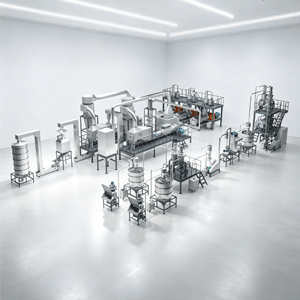
First, it is essential to clarify the product type, raw material state, formulation direction, and expected finished product requirements.For projects involving extrusion, forming, drying, frying, conveying, seasoning, or packaging, the processing capacity and cycle time of each stage must be matched to avoid discrepancies between individual equipment capacity and the overall line requirements.
Secondly, the installation plan should be evaluated in conjunction with the workshop's spatial layout and utility conditions, including power supply, water supply, steam, or gas.Equipment configuration should also take into account long-term operational factors such as cleaning, maintenance, safety protection, spare parts supply, and operator training.Any process or equipment capabilities mentioned in this document are for reference only in the context of solution discussions and preliminary assessments.Specific model numbers, power ratings, production capacities, temperatures, and times shall be subject to the formal technical proposal and the results of trial runs or on-site verification.
Frequently Asked Questions
Can the equipment be determined directly based on the standard configuration?
Not recommended.Different raw materials, product structures, target production capacities, and downstream processes can affect the equipment configuration.It is more prudent to confirm the product and process conditions before proceeding with the configuration assessment.
How to obtain more targeted advice?
It is recommended to prepare product images or sample information, raw material and formulation guidelines, target production capacity, existing workshop conditions, and planned downstream equipment configurations.Dayi Machinery can further discuss the applicable process routes and equipment configuration options based on this.
This article is compiled based on the materials provided by Dayi Machinery, titled “Domestic Extrusion Puffing Machines Gain Market Advantage Through High Cost-Performance,” with the aim of helping readers understand the relevant topics.For technical requirements related to specific projects, please refer to the actual product documentation and engineering confirmation results.