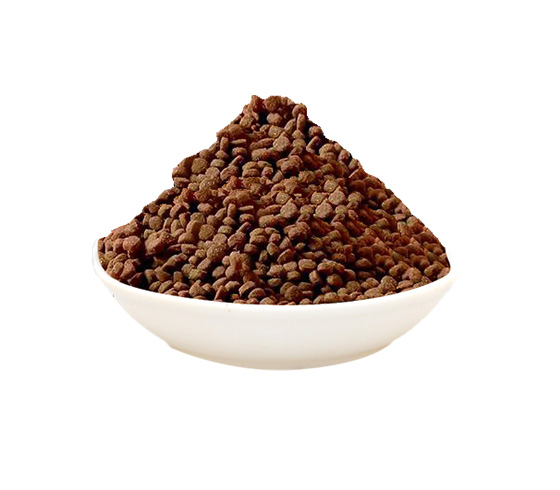
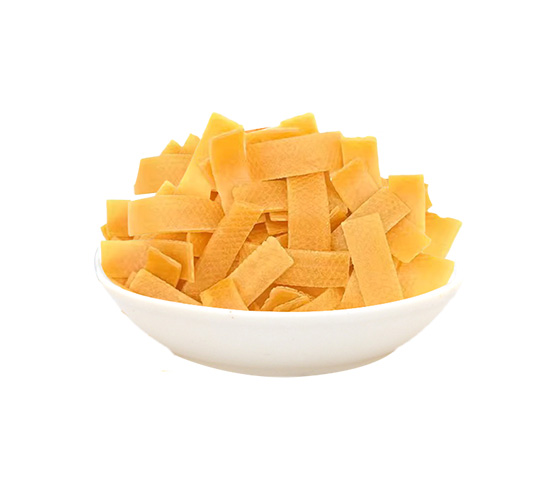
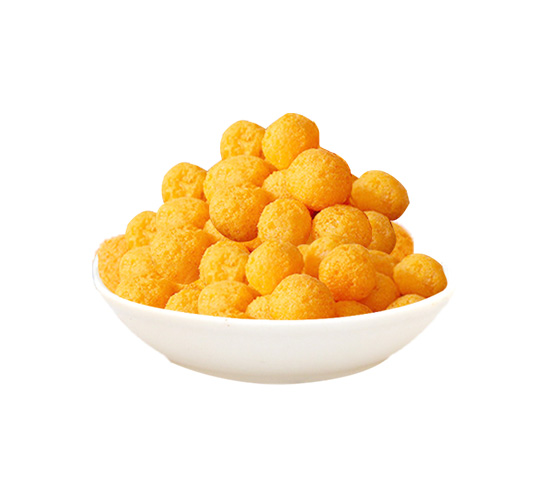
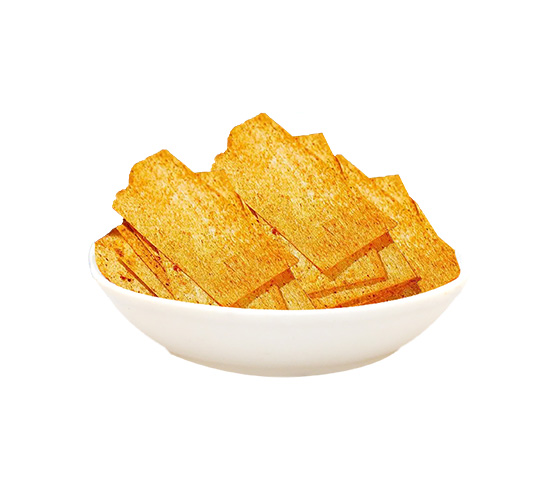
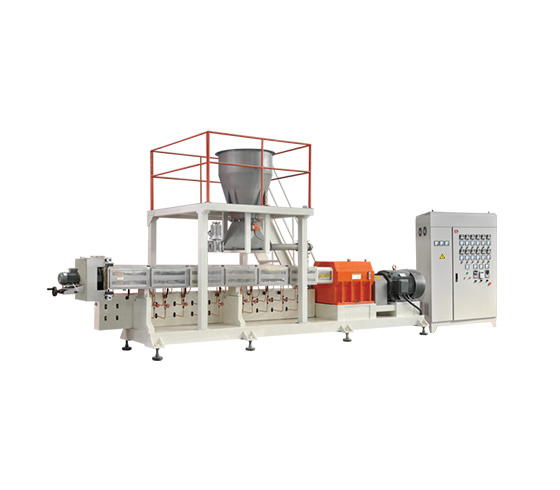
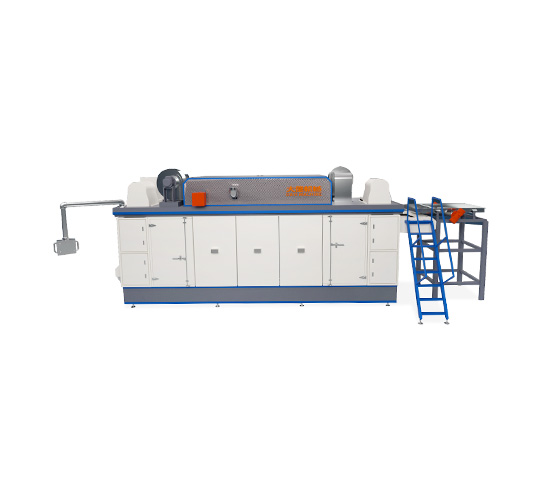
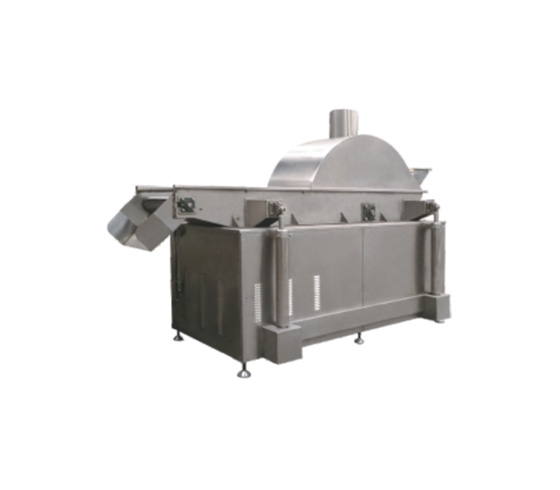
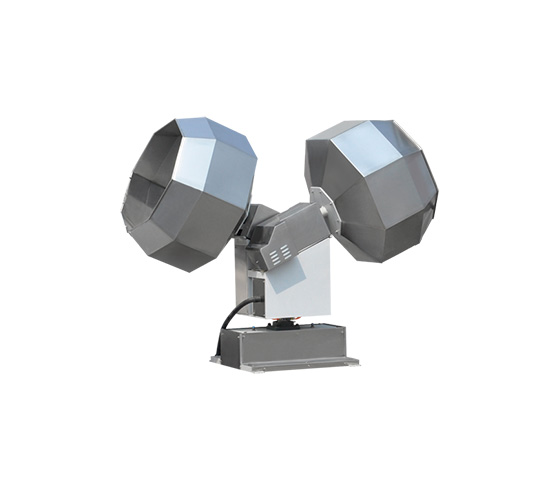
Drying and seasoning after food extrusion puffing machines involve process, equipment selection, or operational management issues in food processing and production equipment.The actual solution should be confirmed based on raw material characteristics, target product specifications, production scale, and on-site conditions, and should not be determined solely by single equipment parameters.
Key Points in Drying and Seasoning After Food Extrusion Puffing
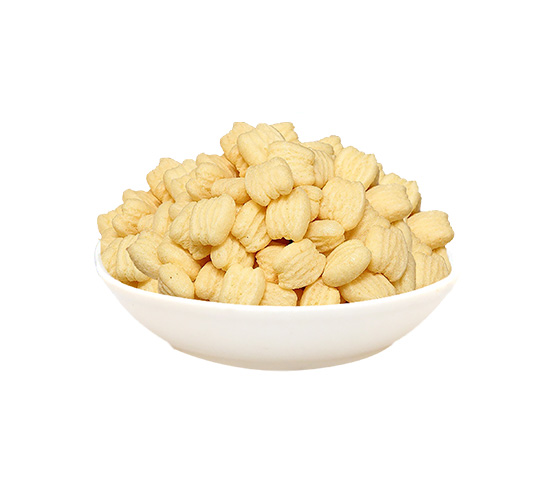
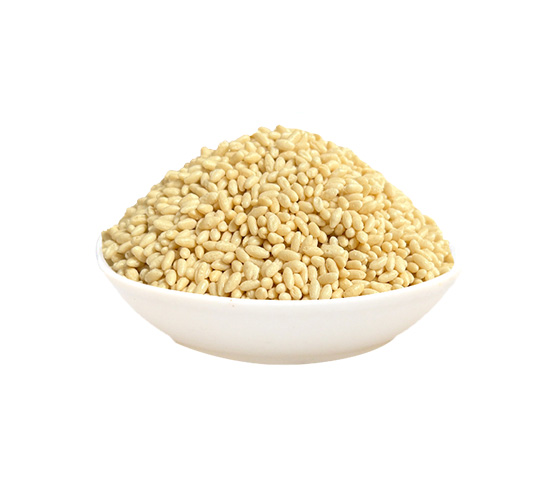
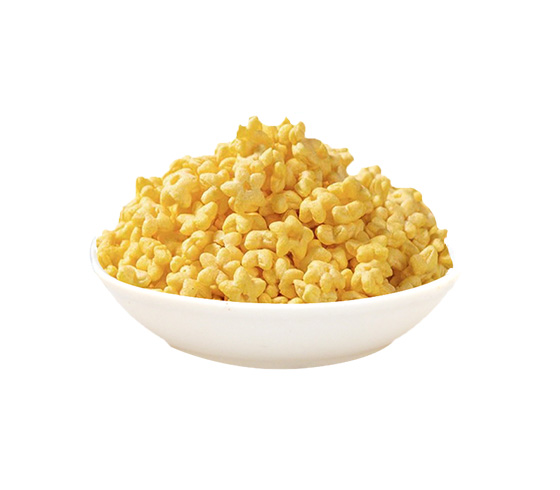
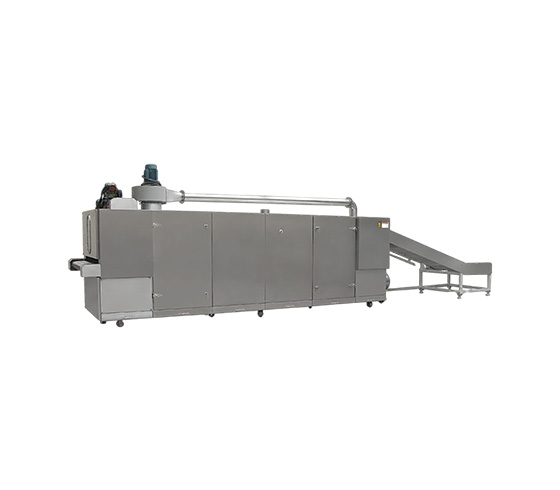
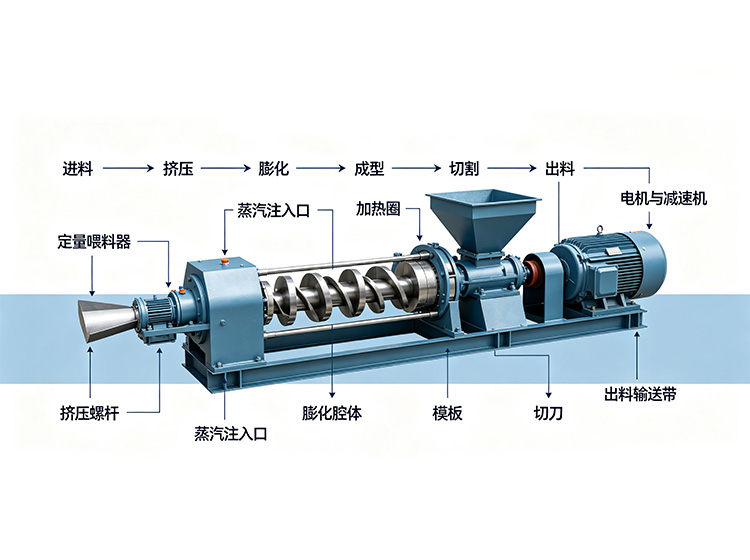
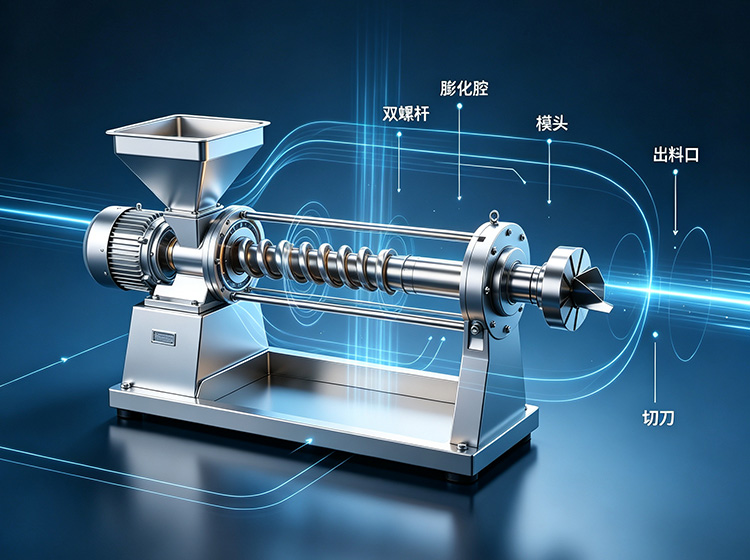
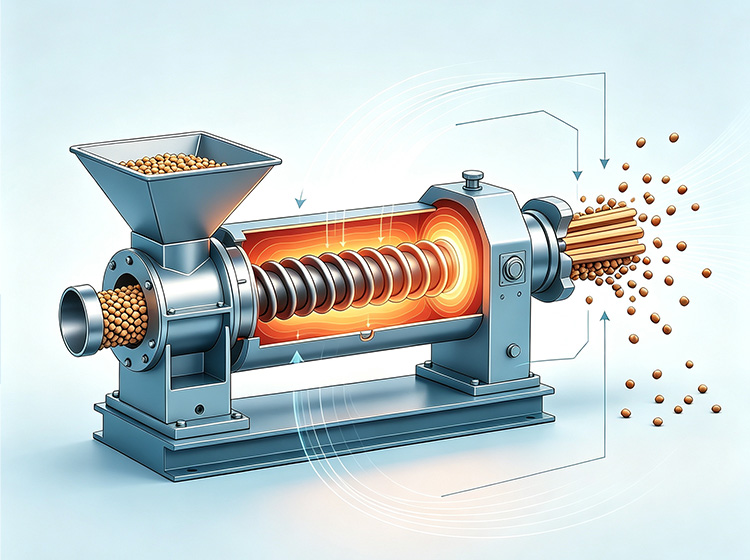
Directly expanded foods typically require drying after extrusion processing.The moisture content of the dough in the extrusion puffing machine is 15%~20%.The product is then dried to reduce the moisture content to 2%–3%, creating the conditions necessary for a crispy texture and ensuring shelf-life stability.Due to the low product density, drying times are typically short, so the process should be carried out in an insulated workshop.
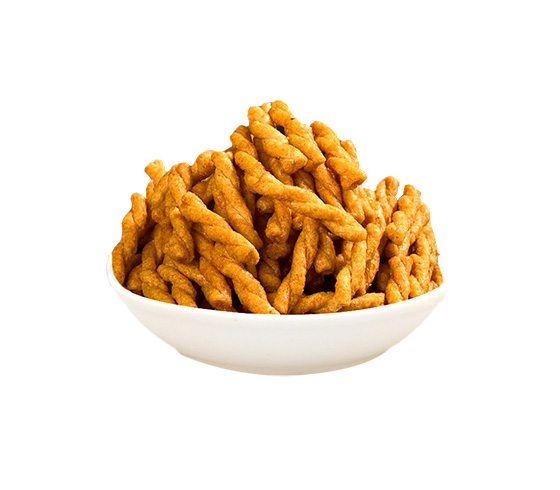
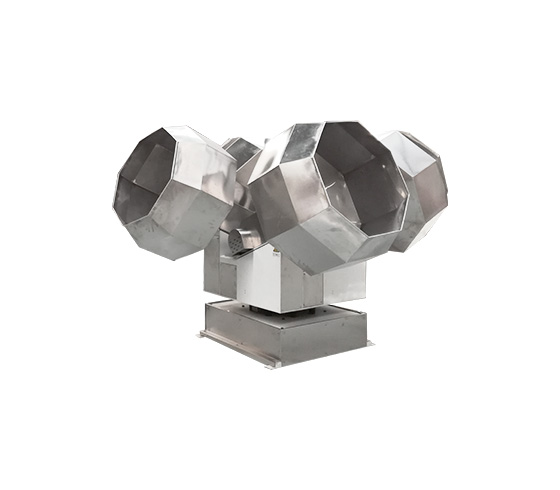
Coating process for direct-expanded products: After extrusion and drying, the final product is sprayed with oil and seasonings.Oils can improve the texture of products, while flavorings impart different flavors.The coating of oils and seasonings typically accounts for about 35% of the finished product's mass.
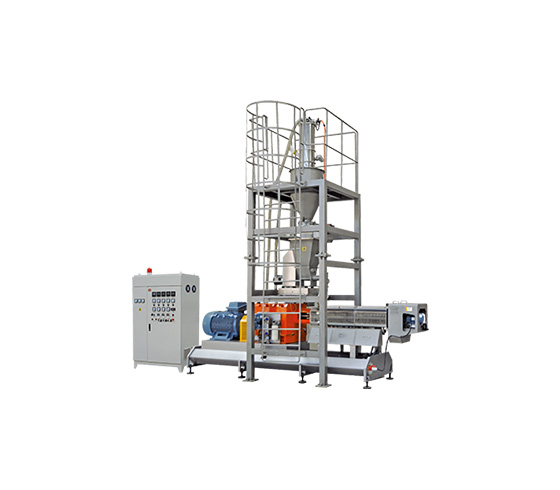
Jinan Dayi Machinery Technology Co., Ltd. is located in the beautiful spring city of Jinan.The company has long been engaged in the research and development of food production line machinery and production processes, adopting standardized production processes and automated control concepts, and focusing on the development of stable and reliable production equipment.Our company's design team possesses extensive experience in equipment design, R&D, commissioning, and production, and is supported by dedicated on-site engineering personnel who handle production and commissioning tasks, enabling us to provide you with standardized design, production, and commissioning processes.
What conditions should be considered during implementation or selection?
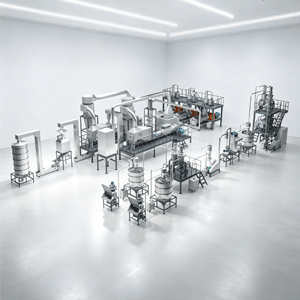
First, it is essential to clarify the product type, raw material state, formulation direction, and expected finished product requirements.For projects involving extrusion, forming, drying, frying, conveying, seasoning, or packaging, the processing capacity and cycle time of each stage must be matched to avoid discrepancies between individual equipment capacity and the overall line requirements.
Secondly, the installation plan should be evaluated in conjunction with the workshop's spatial layout and utility conditions, including power supply, water supply, steam, or gas.Equipment configuration should also take into account long-term operational factors such as cleaning, maintenance, safety protection, spare parts supply, and operator training.Any process or equipment capabilities mentioned in this document are for reference only in the context of solution discussions and preliminary assessments.Specific model numbers, power ratings, production capacities, temperatures, and times shall be subject to the formal technical proposal and the results of trial runs or on-site verification.
Frequently Asked Questions
Can the equipment be determined directly based on the standard configuration?
Not recommended.Different raw materials, product structures, target production capacities, and downstream processes can affect the equipment configuration.It is more prudent to confirm the product and process conditions before proceeding with the configuration assessment.
How to obtain more targeted advice?
It is recommended to prepare product images or sample information, raw material and formulation guidelines, target production capacity, existing workshop conditions, and planned downstream equipment configurations.Dayi Machinery can further discuss the applicable process routes and equipment configuration options based on this.
This article is compiled based on the document "Drying and Seasoning after Food Extrusion Puffing" provided by Dayi Machinery, with the aim of helping readers understand the relevant topics.For technical requirements related to specific projects, please refer to the actual product documentation and engineering confirmation results.