Food Extrusion Puffing Machine Process Flow

Published:2026-07-18

The process flow of food extrusion puffing machines involves issues related to the process, selection, or operational management of food processing and production equipment.The actual solution should be confirmed based on raw material characteristics, target product specifications, production scale, and on-site conditions, and should not be determined solely by single equipment parameters.

Key Points of the Process Flow for Food Extrusion Puffing Machines

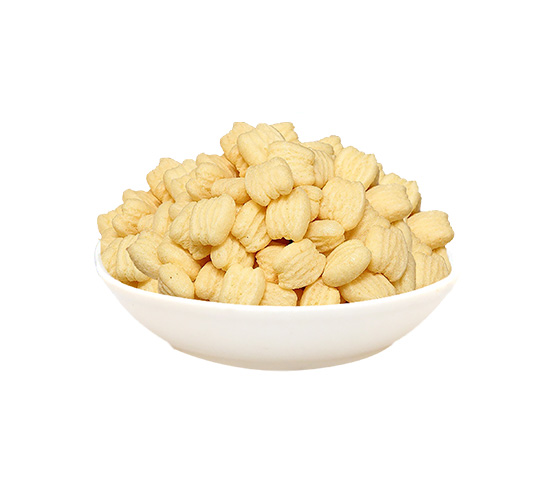
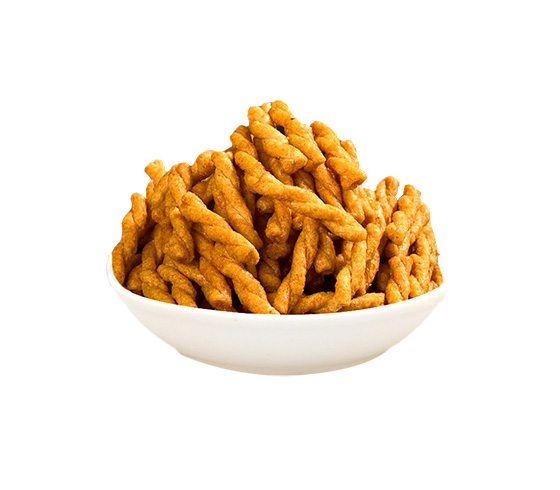
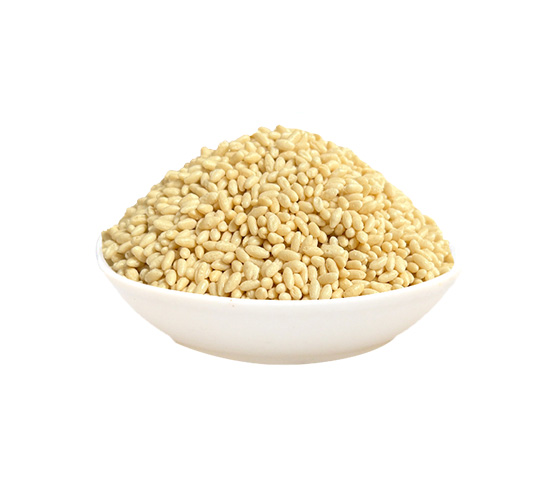
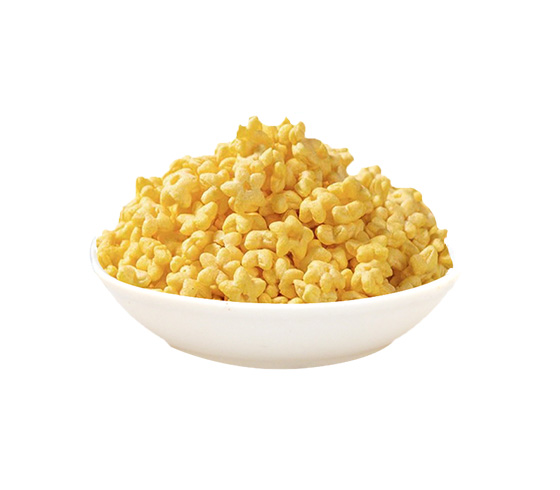
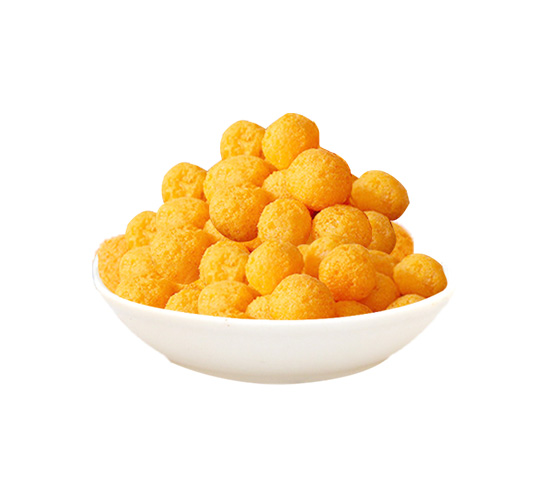
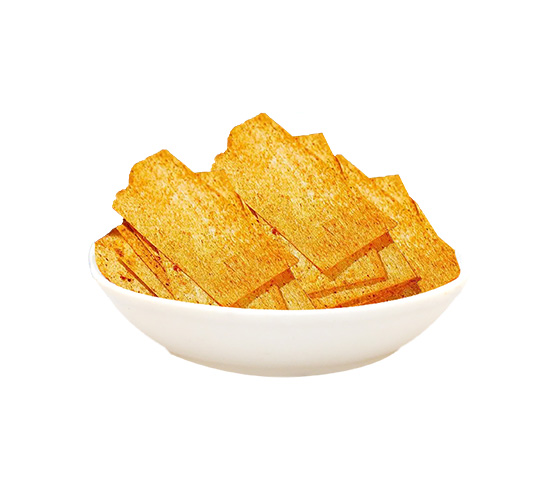
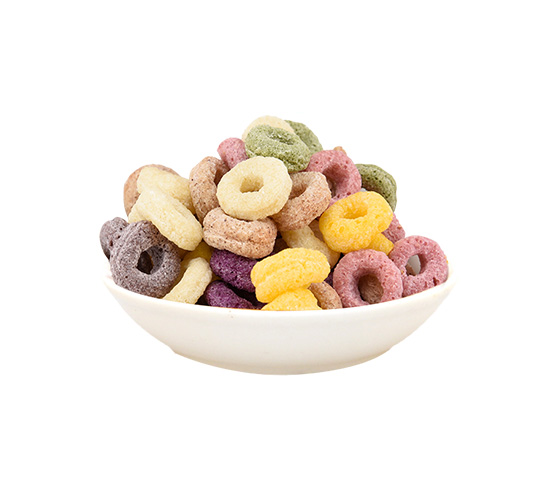
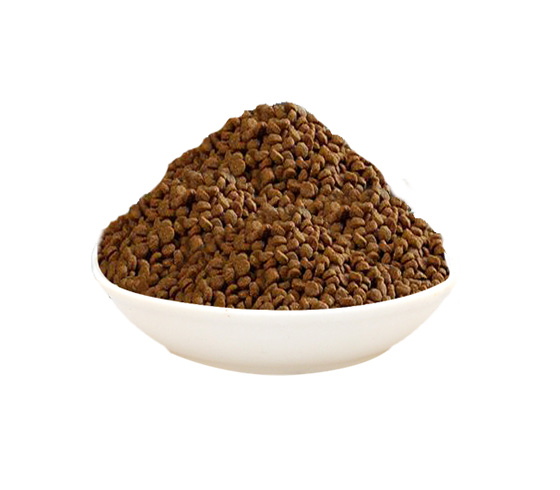
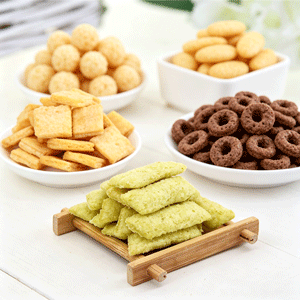
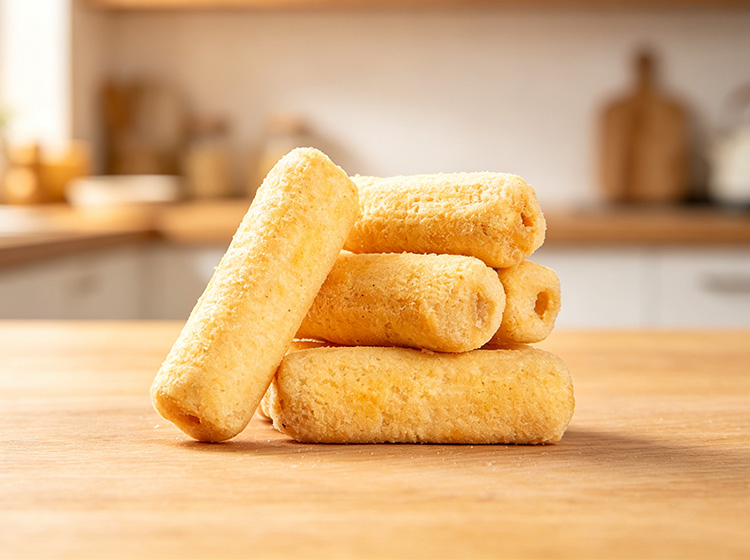
Extruded snacks are food products made from raw materials such as cereals or proteins, which undergo extrusion and mechanical processing to expand several times in volume, forming a porous, loose, sponge-like internal structure.

In a broad sense, puffed foods refer to products that use frying, extrusion, sand roasting, baking, microwave technology, and other methods as maturation processes, and whose volume increases significantly before and after maturation.

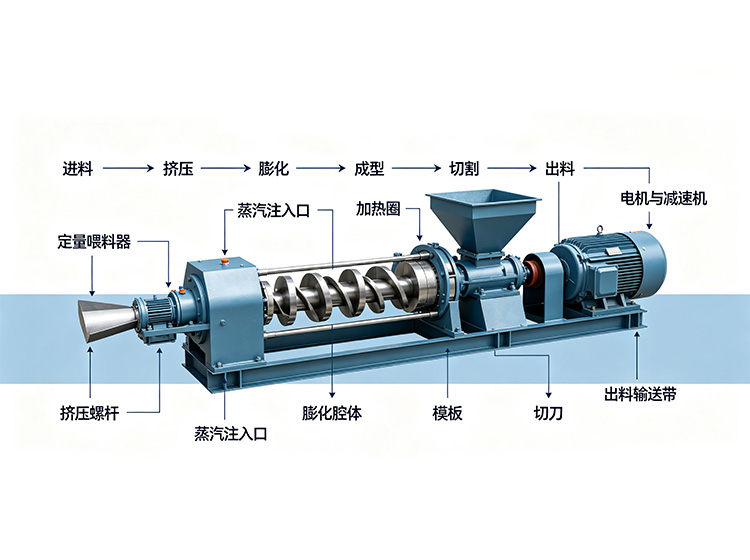
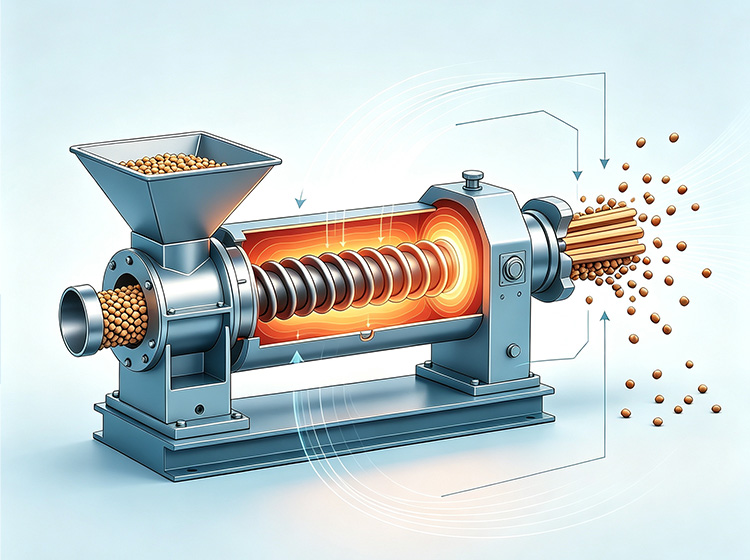
Food puffing is mainly achieved through two methods: one is to rapidly vaporize moisture by rapid heating;Second, the moisture-containing raw material is subjected to a sudden pressure drop under high-pressure heating conditions.Extrusion utilizes the principle of phase change and the thermal pressure effect of gases to rapidly heat, vaporize, pressurize, and expand the liquid within the processed material. The expansion force of the gas drives the structural denaturation of high-molecular-weight components, thereby forming a network structure and completing the shaping process of porous materials.

Food materials are continuously passed through a die under pressure to form products, and the resulting cooked or semi-cooked, expanded or non-expanded foods are collectively referred to as “extruded foods.”

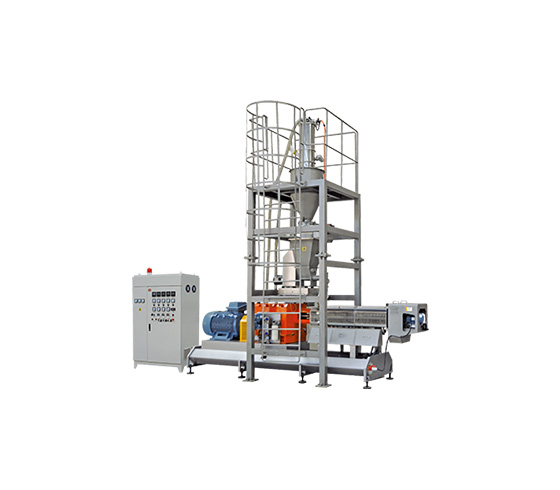
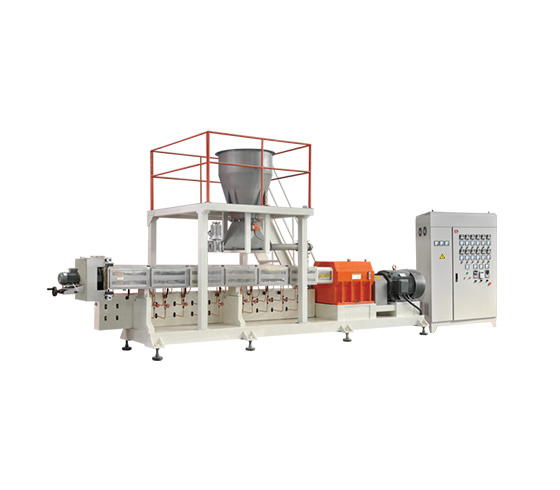
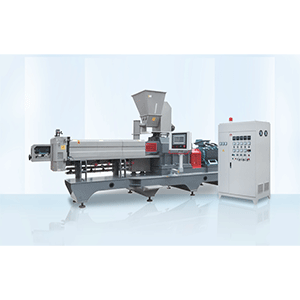
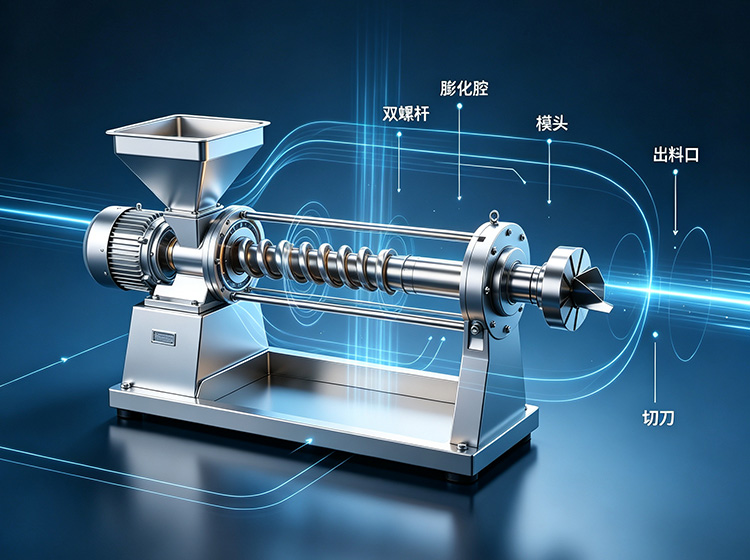
Foods produced by screw extrusion puffing machines are known as extruded foods.The screw extrusion puffing machine can produce both puffed and non-puffed foods.Extruded products have a porous structure and can be consumed immediately after drying;Non-puffed products are semi-finished and must be baked or fried to puff, then seasoned before consumption.In a narrow sense, extruded foods specifically refer to puffed foods produced by extruders, i.e., extruded puffed foods.

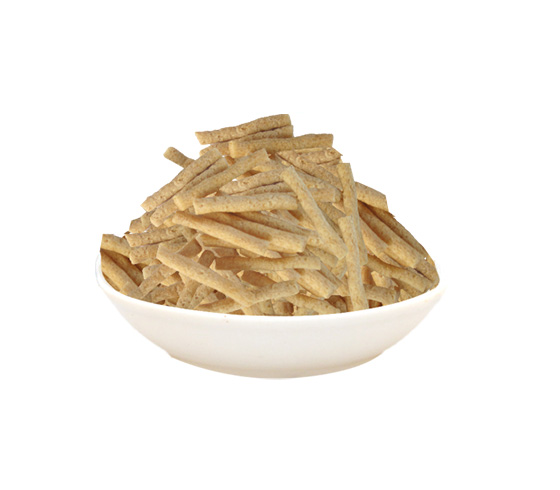
As a novel food processing technology, extrusion technology has developed rapidly.As early as 1856, Ward in the United States applied for a patent on food puffing technology.Modern food extrusion puffing technology originated in the 1930s, with extruders initially used for the production of ready-to-eat cereal foods.By the late 1940s, extrusion technology had gradually expanded to other food sectors.In the 1950s, extruded animal feed made from raw materials such as grains, oils, proteins, seasonings, and semi-dried foods emerged.In the 1970s, extrusion cookers were used to produce chewy, flake- or strand-shaped soy protein products as meat alternatives, known as “artificial meat.”

Jinan Dayi Machinery Technology Co., Ltd. is located in the beautiful spring city of Jinan.The company has long been engaged in the research and development of food production line machinery and production processes, adhering to standardized production processes and automated control concepts, and focusing on the development of stable and reliable production equipment.Our company's design team possesses extensive experience in design, R&D, commissioning, and production, and is supported by dedicated on-site engineering personnel who handle production and commissioning tasks, enabling us to provide you with standardized design, production, and commissioning processes.

What conditions should be considered during implementation or selection?

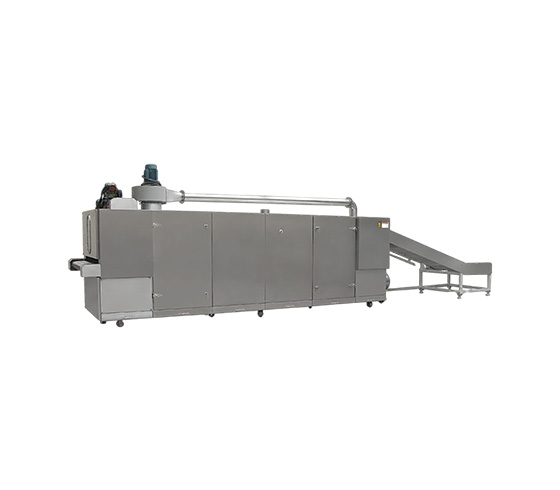
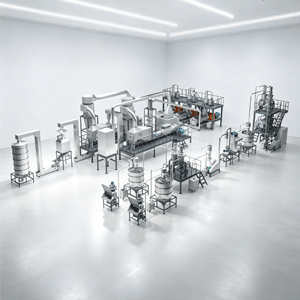
First, it is essential to clarify the product type, raw material state, formulation direction, and expected finished product requirements.For projects involving extrusion, forming, drying, frying, conveying, seasoning, or packaging, the processing capacity and cycle time of each stage must be matched to avoid discrepancies between individual equipment capacity and the overall line requirements.

Secondly, the installation plan should be evaluated in conjunction with the workshop's spatial layout and utility conditions, including power supply, water supply, steam, or gas.Equipment configuration should also take into account long-term operational factors such as cleaning, maintenance, safety protection, spare parts supply, and operator training.Any process or equipment capabilities mentioned in this document are for reference only in the context of solution discussions and preliminary assessments.Specific model numbers, power ratings, production capacities, temperatures, and times shall be subject to the formal technical proposal and the results of trial runs or on-site verification.

Frequently Asked Questions

Can the equipment be determined directly based on the standard configuration?

Not recommended.Different raw materials, product structures, target production capacities, and downstream processes can affect the equipment configuration.It is more prudent to confirm the product and process conditions before proceeding with the configuration assessment.

How to obtain more targeted advice?

It is recommended to prepare product images or sample information, raw material and formulation guidelines, target production capacity, existing workshop conditions, and planned downstream equipment configurations.Dayi Machinery can further discuss the applicable process routes and equipment configuration options based on this.

This article is compiled based on the "Food Extrusion Puffing Machine Process Flow" document provided by Dayi Machinery, with the aim of helping readers understand the relevant topics.For technical requirements related to specific projects, please refer to the actual product documentation and engineering confirmation results.