Common Faults and Solutions for Food Extrusion Puffing Machines

Published:2026-07-18

Common faults and solutions for food extrusion puffing machines involve process, equipment selection, or operational management issues in food processing and production equipment.The actual solution should be confirmed based on raw material characteristics, target product specifications, production scale, and on-site conditions, and should not be determined solely by single equipment parameters.

Key Points on Common Faults and Solutions for Food Extrusion Puffing Machines

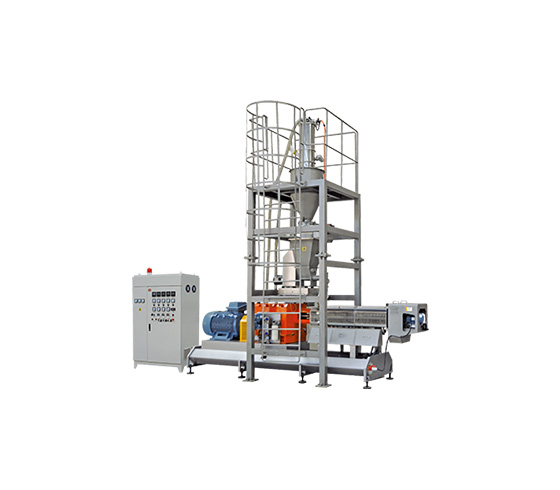
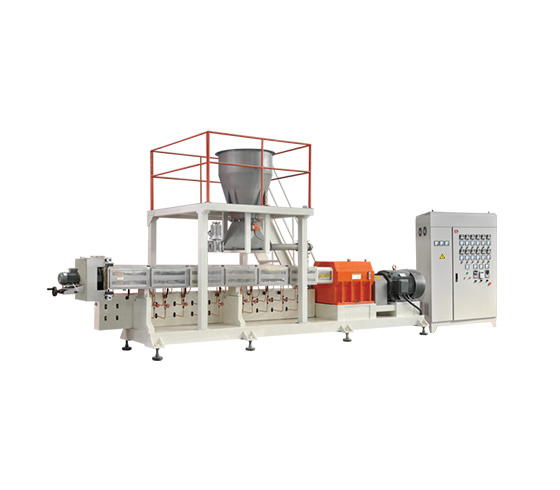
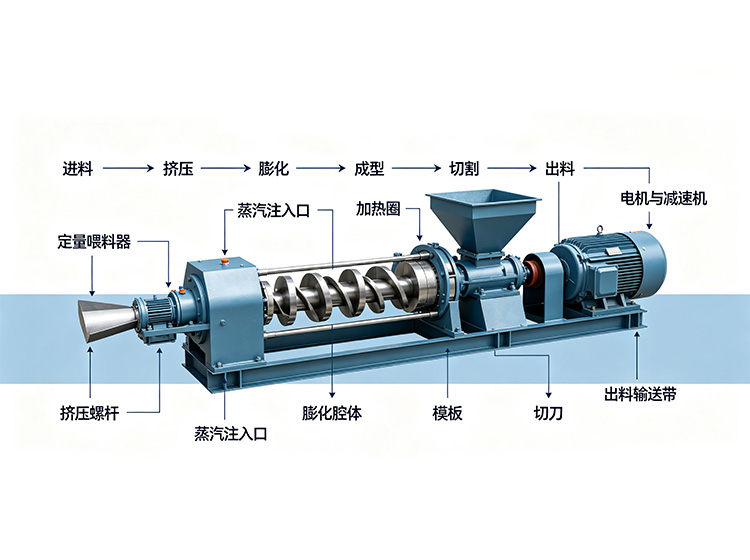
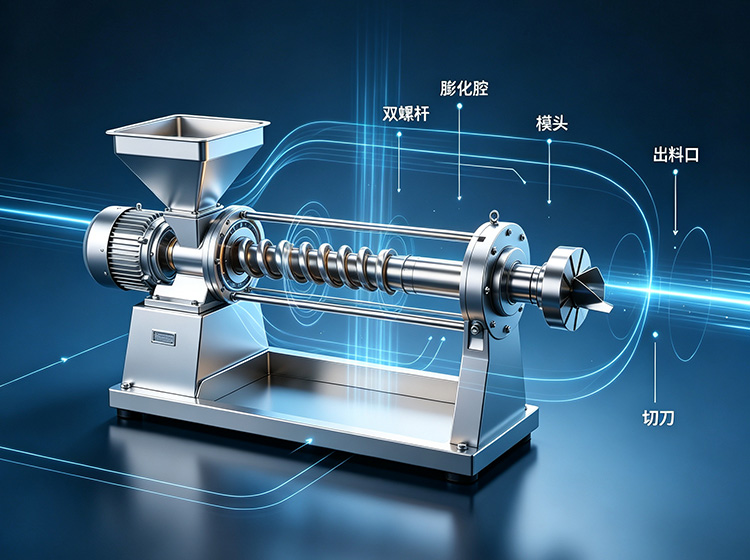
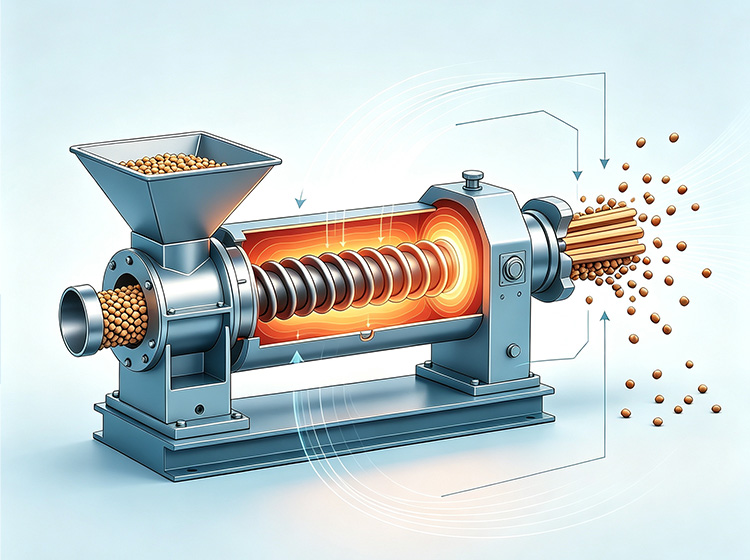
The food extrusion puffing machine is a food processing equipment used for puffing processing.The materials processed by this equipment are typically common grains such as rice, corn, and soybeans.Its working principle is easy to understand: mechanical energy is converted into thermal energy.During operation, various faults may occur due to the extrusion puffing machines in the plant processing large quantities of grains and running for extended periods.

Causes of Spray Application in Extrusion Puffing Machines

Interlocked shutdown in the feeding workshop causes the extrusion puffing machine to stop

Obstruction in the feed screw inlet of the extrusion puffing machine

Excessive direct steam volume in the extrusion puffing machine

Instantaneous reduction in feed rate of the extrusion puffing machine

High material level alarm in the counter-current dryer caused the interlock to stop the extrusion and puffing machine's feed screw.

Handling method:

(1) When material ejection occurs, the direct steam valve of the extrusion puffing machine must first be closed via the computer or on-site, and the conical die must be retracted.

(2) Analyze the causes of spray and take corrective actions

(3) Eliminate the cause of the fault and clear accumulated material from the feed screw discharge port (when cleaning the screw, it is mandatory to disconnect and lock out the main motor of the extrusionSwellingTransformMachine and the feed screw);Caution: Prevent scalding from reverse steam)

(4) Unlock and restore power to start the extrusionSwellingTransform machine and resume production.

2. Slippage of Extrusion Puffing Machine Belts

Slippage of the extrusion puffing machine's drive belt due to excessive looseness

Excessive load on the extrusion puffing machine (large feeding volume, low steam supply, poor discharge from the conical die, etc.).

(1) If slippage occurs due to a loose belt, stop the extrusionSwellingTransform machine, lock out the motor circuit breaker, and contact maintenance personnel to adjust and tension the belt.

(2) If the belt slips due to excessive load and the slippage is severe, first withdraw the conical mold, close the steam valve, and reduce the feed rate of the extrusion puffing machine;After the current of the extrusion puffing machine drops to the normal value, readjust the feeding.When feeding material into the mold, pay attention to the current changes of the extrusionSwellingTransform machine motor, then gradually increase the feeding amount and steam amount until the extrusionSwellingTransform machine reaches full load.If the belt slips slightly, appropriately adjust the steam or feed amount, with the steam amount being the primary adjustment.

3. Power Loss and Overload of Extrusion Puffing Machine

When the extrusion puffing machine loses power, close the direct steam valve, retract the conical die, and activate the indirect heating steam for the extruder barrel to maintain the temperature of the material and chamber, preventing the material from cooling, clumping, and blocking the extruder, which could make it difficult to restart once power is restored.After power is restored,

Start the extrusion puffing machine.If the machine cannot be started within half an hour, it is necessary to manually rotate the shaft to discharge the material from the chamber.

In the event of a complete power outage in the workshop, promptly open the bypass valve of the pneumatic steam supply valve for the extrusion puffing machine, close the direct steam valve, and open the indirect steam valve for the barrel of the extrusion puffing machine to maintain the temperature of the material inside the machine and the chamber.

What conditions should be considered during implementation or selection?

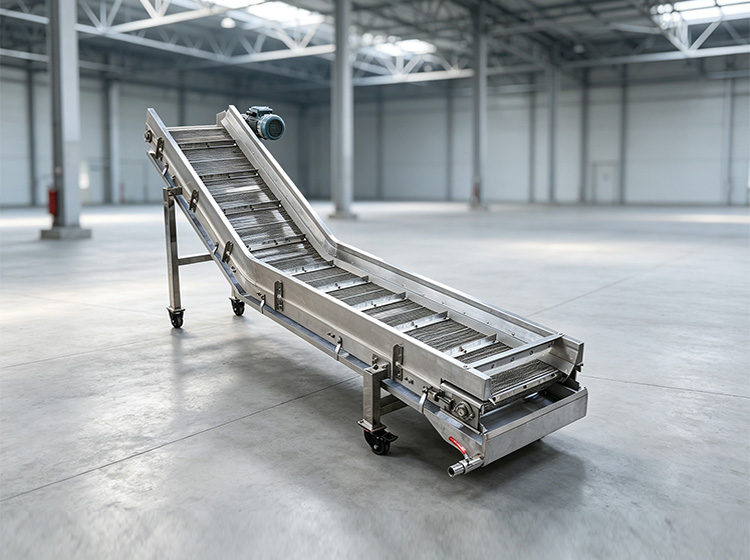
First, it is essential to clarify the product type, raw material state, formulation direction, and expected finished product requirements.For projects involving extrusion, forming, drying, frying, conveying, seasoning, or packaging, the processing capacity and cycle time of each stage must be matched to avoid discrepancies between individual equipment capacity and the overall line requirements.

Secondly, the installation plan should be evaluated in conjunction with the workshop's spatial layout and utility conditions, including power supply, water supply, steam, or gas.Equipment configuration should also take into account long-term operational factors such as cleaning, maintenance, safety protection, spare parts supply, and operator training.Any process or equipment capabilities mentioned in this document are for reference only in the context of solution discussions and preliminary assessments.Specific model numbers, power ratings, production capacities, temperatures, and times shall be subject to the formal technical proposal and the results of trial runs or on-site verification.

Frequently Asked Questions

Can the equipment be determined directly based on the standard configuration?

Not recommended.Different raw materials, product structures, target production capacities, and downstream processes can affect the equipment configuration.It is more prudent to confirm the product and process conditions before proceeding with the configuration assessment.

How to obtain more targeted advice?

It is recommended to prepare product images or sample information, raw material and formulation guidelines, target production capacity, existing workshop conditions, and planned downstream equipment configurations.Dayi Machinery can further discuss the applicable process routes and equipment configuration options based on this.

This article is compiled based on the document "Common Faults and Solutions for Food Extruders" provided by Dayi Machinery, with the aim of helping readers understand the relevant topics.For technical requirements related to specific projects, please refer to the actual product documentation and engineering confirmation results.