Equipment Required for Fried Potato Chip Production Lines

Published:2026-07-18

Equipment required for a potato chip frying production line involves process design, equipment selection, and operational management of food processing and production equipment. The actual solution must be confirmed based on raw material characteristics, target product, production capacity, and site conditions—not solely on individual equipment parameters.

Core Equipment Requirements for Potato Chip Frying Production Line

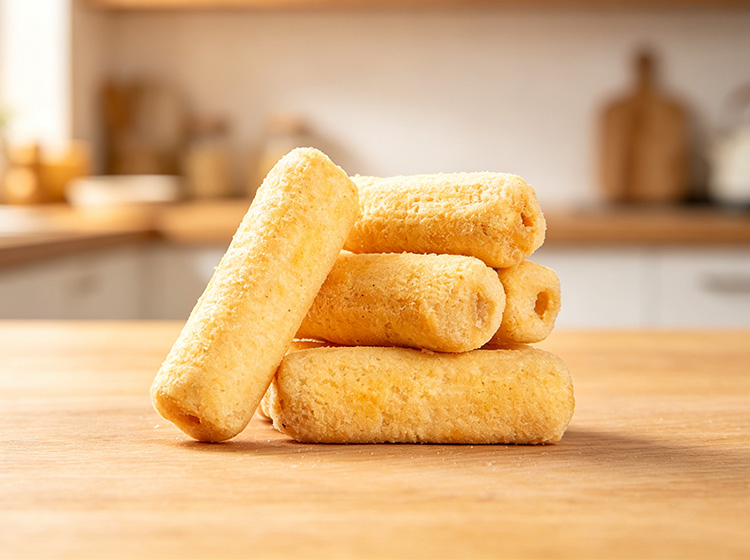
Rapid economic development and an accelerated pace of life have prompted people to change their traditional lifestyles. As consumers increasingly prefer to spend less time in the kitchen, a new generation of consumers continues to expand, driving steady growth in convenient foods and snack foods in recent years. This enormous business opportunity has attracted numerous enterprises, and convenient foods and snack foods are expected to capture a large share of the food market. This sector has become the world’s largest and most attractive market today; the influx of advanced foreign products and technologies has also created new development opportunities for the convenient food industry. Potato chips—representative of convenient foods—have already secured an important position in today’s food market. Their taste and rich nutritional value are increasingly accepted and appreciated worldwide. Therefore, investing in potato food processing is a highly promising industry.

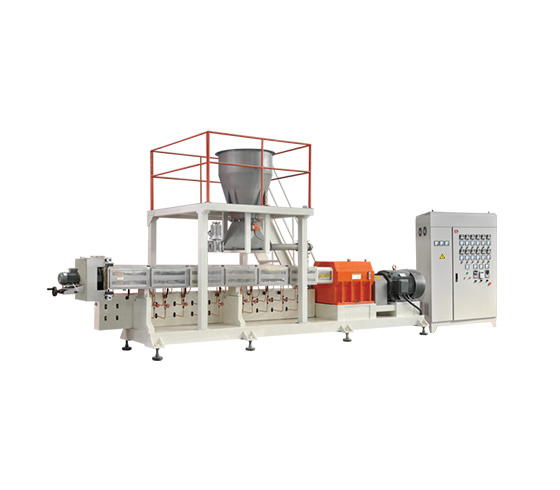
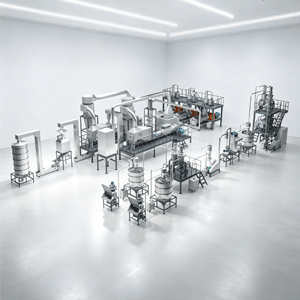
Frying potato chip production line process: Elevating feeding → Washing and peeling → Sorting and trimming → Elevating feeding → Slicing (or cutting into strips) → Rinsing → Blanching for color protection → Cooling → Dewatering → Frying → Oil removal → Seasoning → Conveying → Packaging.

Detailed Introduction to the French Fry Production Line:

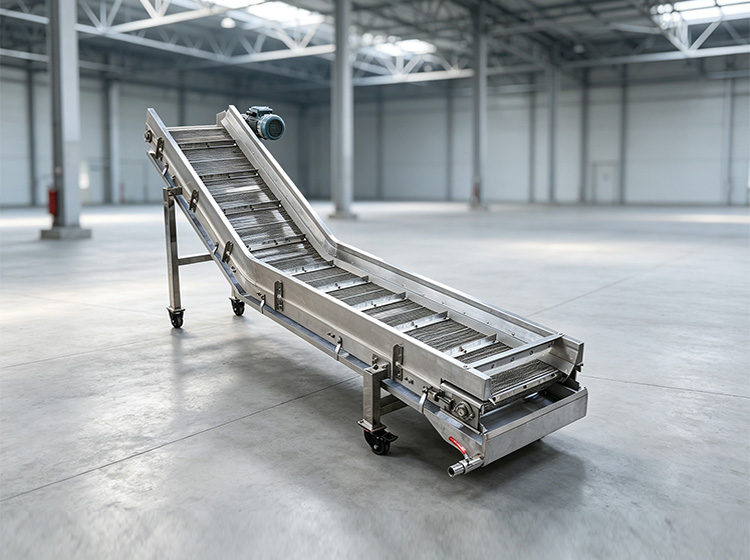
Elevator: Used for material lifting and conveying. Potatoes can be manually loaded into the hopper with ease; materials are then continuously and evenly elevated to the next process via the conveyor belt, significantly reducing labor requirements and offering convenient, practical operation.

Potato Washing and Peeling Machine: Cleans and peels incoming potatoes; feeding and discharging occur simultaneously, enabling continuous operation.

Selection Line: Selects and trims potatoes after washing and peeling; removes damaged tubers and processes raw materials requiring trimming.

Elevator: lifts peeled and washed potatoes to the slicer.

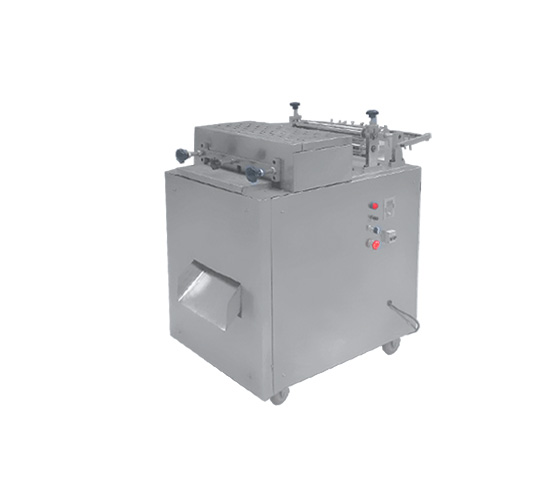
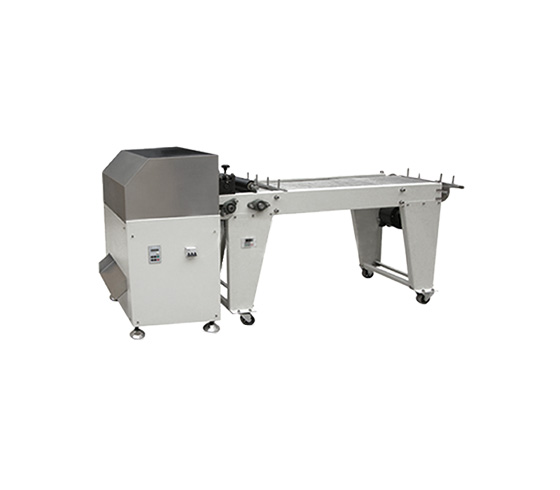
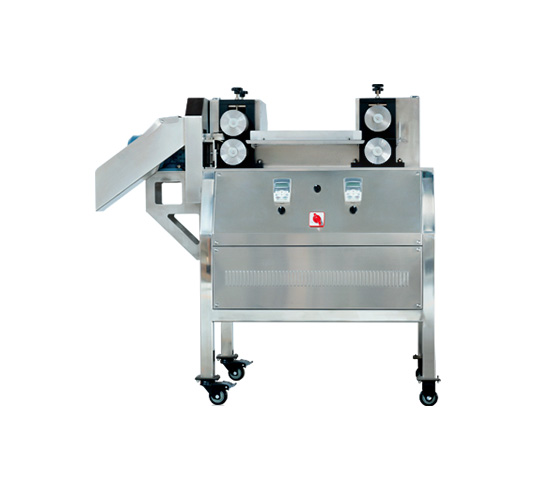
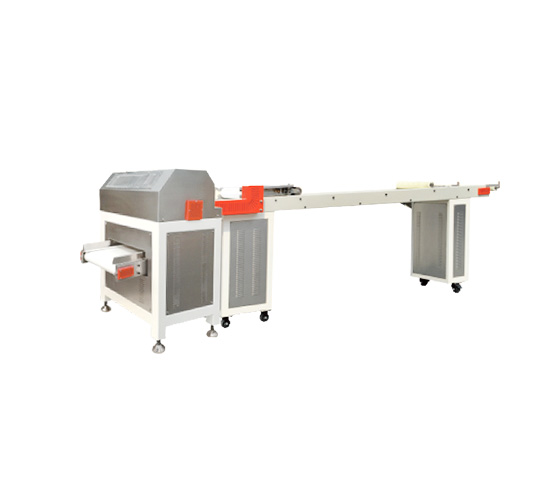
Potato Chip/French Fry Cutter: Peeled and washed potatoes are continuously fed into the feed inlet and automatically cut into chips or french fries. Finished products feature standardized dimensions, no debris, and excellent shaping.

Rinsing line: cleans cut potato chips and fries to remove surface starch.

Blanching line: for blanching and color protection of potato chips and French fries, with optional food additive addition.

Cooling line: Cools blanched potato chips and french fries to prevent sticking.

Air-Cooled Dehydrator: Removes surface moisture from chips and fries after drying and blanching, preparing them for frying.

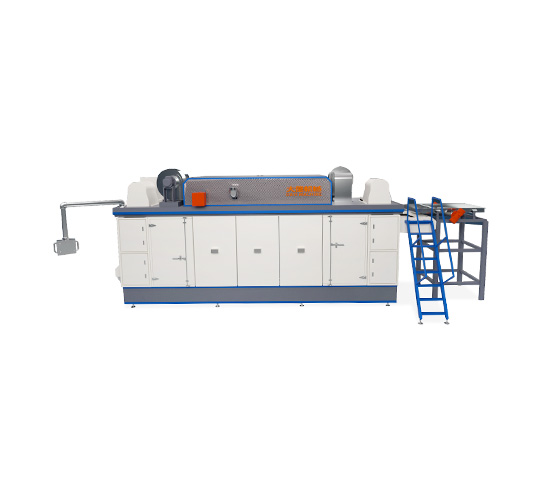
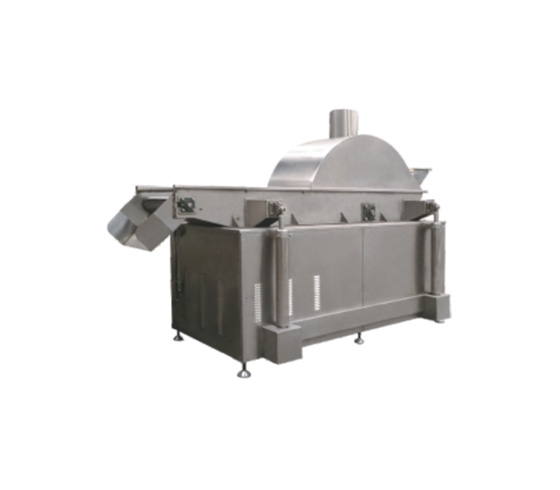
Frying Line: For frying potato chips and French fries. Temperature is automatically controlled, supporting continuous operation.

Oil Removal Line: Removes oil from the surface of chips and French fries after frying.

Sorting Line: Air-cools chips and fries for packaging and removes defective products.

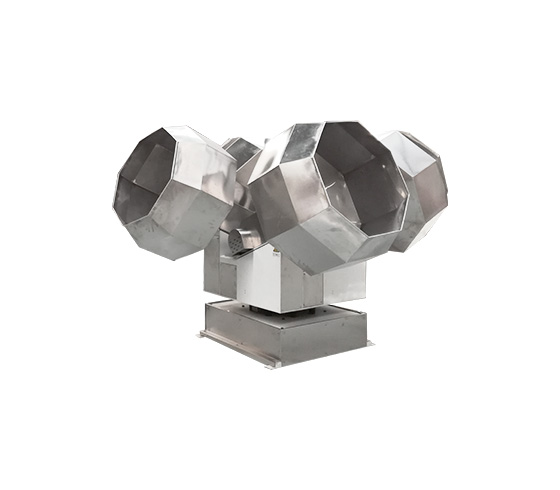
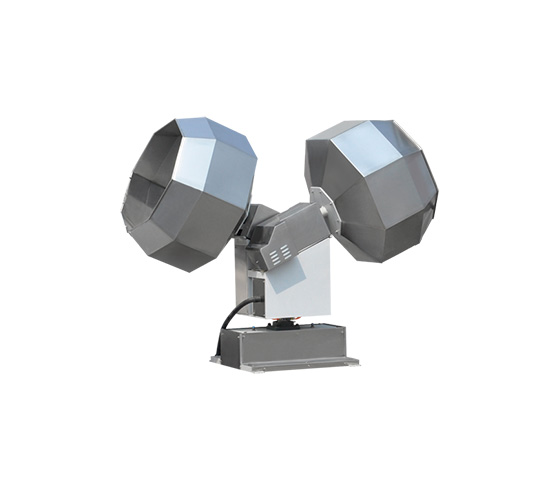
Seasoning Line: Seasoning of chips and fries that have passed screening.

Packaging Machine: Packages potato chips and french fries.

What conditions should be considered during implementation or selection?

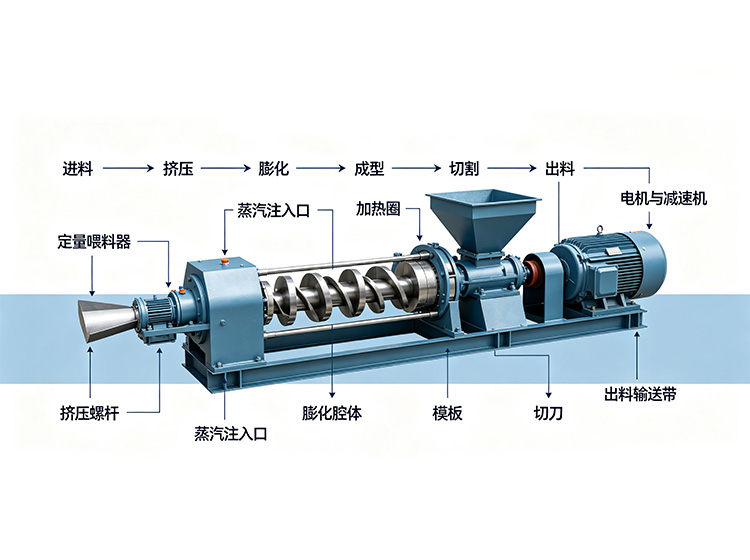
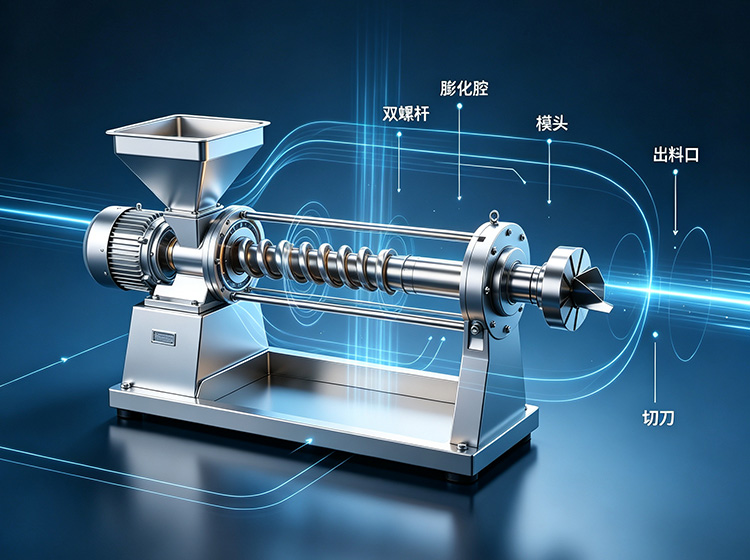
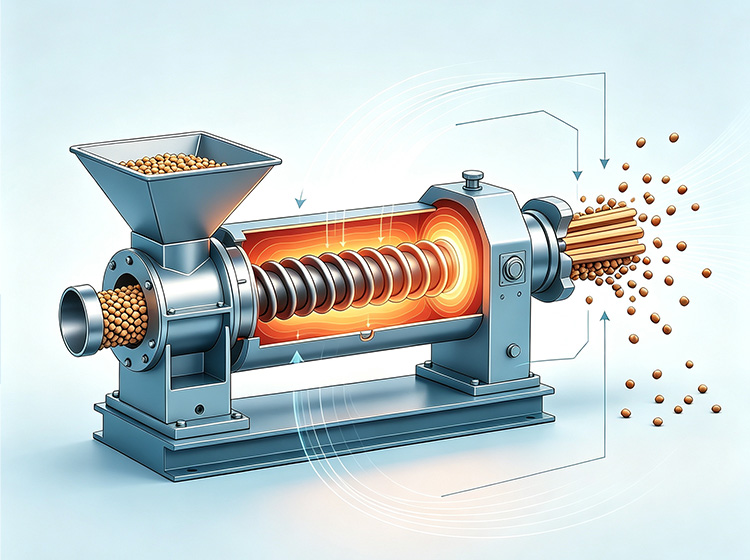
First, the product type, raw material condition, formulation direction, and expected finished product requirements must be clearly defined. For projects involving extrusion, forming, drying, frying, conveying, flavoring, or packaging, the processing capacity and cycle time of each stage must be matched to avoid inconsistencies between the capacity of individual equipment and the overall line requirements.

Next, the installation plan should be evaluated based on workshop space, power supply, water supply, steam or gas utility conditions. Equipment configuration must also consider long-term operational factors such as cleaning, maintenance, safety protection, spare parts availability, and operator training. Where process parameters or equipment capabilities are mentioned in this document, they serve only as reference for preliminary discussion and initial assessment; specific model numbers, power ratings, production capacities, temperatures, and time parameters shall be determined strictly according to the formal technical proposal and verified through machine testing or on-site validation.

FAQ

Can the equipment be finalized based on the standard configuration?

Not recommended. Different raw materials, product structures, target production capacities, and downstream processes affect equipment configuration. It is more reliable to first confirm the product and process conditions, then conduct a configuration assessment.

How can I obtain more targeted recommendations?

We recommend preparing product images or sample information, raw material and formulation details, target production capacity, existing workshop conditions, and planned downstream equipment configuration. Based on this information, Dayi Machinery can further discuss suitable process routes and equipment configuration options.

This article is compiled based on Dayi Machinery’s “Equipment Required for Potato Chip Frying Production Line” documentation, intended to assist readers in understanding the relevant topic; for specific project technical requirements, refer to the actual product documentation and engineering confirmation results.