Goji Berries: A New Trend in the Food Machinery Industry

Published:2026-07-18

Goji berry: A new trend in the food machinery industry involves process, equipment selection, or operational management issues related to food processing and production equipment.The actual solution should be confirmed based on raw material characteristics, target product specifications, production scale, and on-site conditions, and should not be determined solely by single equipment parameters.

Key Points on Goji Berries: The Core Trend in the Food Machinery Industry

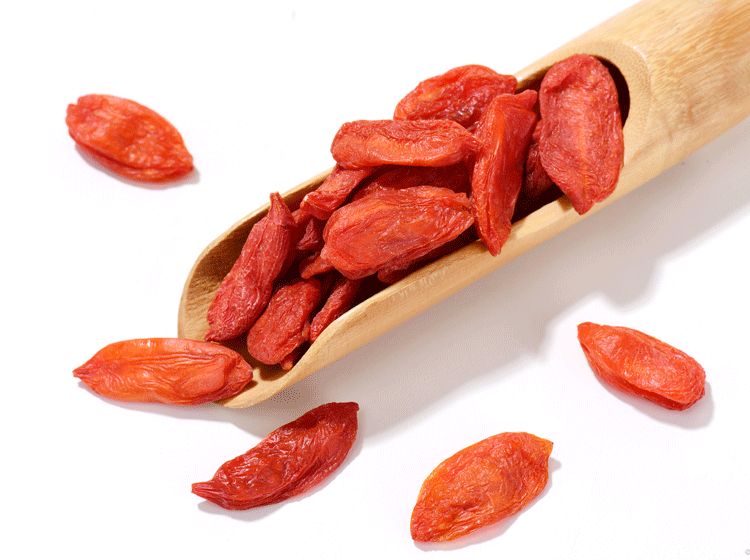
Goji berries in beer glasses, goji berries in cola cups... The contemporary young people's "punk wellness" approach is truly eye-opening.However, in the new wave of health-conscious trends, the market's heightened focus on goji berries has provided new development insights for the upstream industry.In recent years, goji berry producing areas represented by Jinghe have leveraged their resource endowments to vigorously introduce new processes and equipment, develop new products, extend the goji berry industry chain, and open up new pathways for increasing income and achieving prosperity.

Jinghe goji berries are characterized by their bright red color, plump fruits, thin skin, thick flesh, rich nutrition, and pure taste. They are a local specialty and have received national agricultural product geographical indication certification.Over the years, Jinghe County has leveraged its geographical and resource advantages to vigorously develop its goji berry industry.Last year, the local goji berry planting area increased to approximately 100,000 mu.This year, the local government plans to expand cultivation by an additional 100,000 mu on top of the existing acreage.Currently, it is the season when Jinghe goji berries are ripening in succession. The bright red goji berries on the branches not only enhance the appeal of the peak tourist season, but the continuous improvement of their deep-processing industry chain and product innovation also reflect the high-quality development of the goji berry industry.

As is well known, goji berries have long been primarily available in the consumer market in dried form.Despite a certain level of market demand, it is an undeniable fact that the room for profit growth remains relatively limited.In response to the recent consumer trend of incorporating dried goji berries into various beverages, more than 30 goji processing enterprises in Jinghe County have actively intensified their innovation efforts, successively developing over 20 deep-processed products, including goji berry puree, goji berry concentrated juice, goji beer, and goji tea.These products not only better meet consumers' health needs but also expand income-generating opportunities for the goji berry industry.

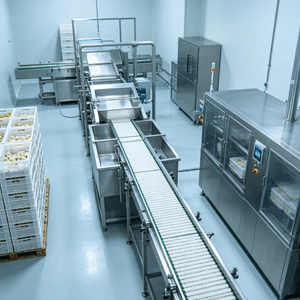
Moreover, as Jinghe County accelerates the transformation and upgrading of its goji berry industry, a key highlight—alongside expanding planting areas to meet the raw material demands of deep processing—has been the introduction of food processing machinery and complete production lines. This complements product innovation and R&D, enhancing the added value of goji berries and infusing them with a “soul.”The author notes that in the goji berry deep-processing enterprises in Jinghe County, newly commissioned goji berry beverage production lines in recent years require only minimal manual assistance to complete automated operations such as filling, inkjet coding, and packaging, with a processing capacity of approximately 100,000 cans.This development strategy, focused on cost reduction, efficiency enhancement, and stable supply, has significantly increased the added value of the goji berry industry.With the growth of goji berry beverage orders and sufficient supply of downstream products, the value of signed orders for goji berry processing enterprises has exceeded RMB 5 million.

Amid the trend of “goji berries soaked in beer,” goji processing enterprises have, in recent years, introduced complete beer brewing production equipment, laying a solid foundation for the innovative R&D and commercialization of goji beer.It is reported that Jinghe Goji Berry Beer is first made by carefully selecting raw materials such as Jinghe goji berries and malt, and then combining traditional brewing techniques with modern filling technology to perform aseptic filling of goji berry beer suitable for low-temperature fermentation and natural sedimentation.After processing through the production line, it is transformed into market-ready products.For consumers, goji berry beer combines a rich malt aroma with a distinctive beer fragrance, while the goji berries themselves provide added nutritional benefits, making it an ideal choice for young people who seek both indulgence and wellness.Currently, Jinghe goji berry beer is primarily packaged in cans, with some companies planning to add glass bottle filling lines to open up the consumer market with a diversified range of beer products.

With the rise of health-conscious trends, goji berries, which embody the concept of food and medicine sharing the same origin, have broad development prospects.As one of China’s major production areas for high-quality goji berries, Jinghe County has recently accelerated efforts to extend, supplement, and strengthen the goji berry industry chain, injecting new development momentum into traditional agriculture and simultaneously driving robust economic growth in the local area.

What conditions should be considered during implementation or selection?

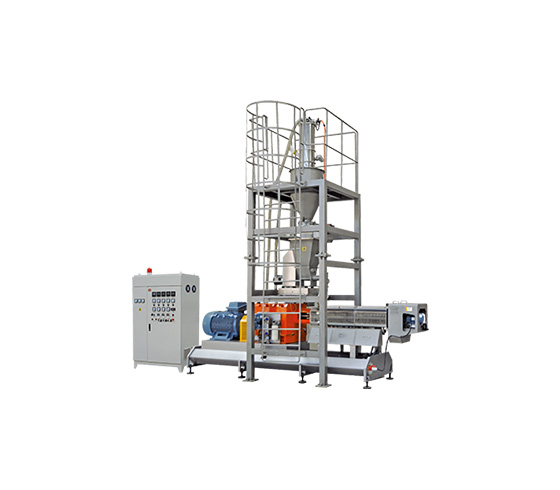
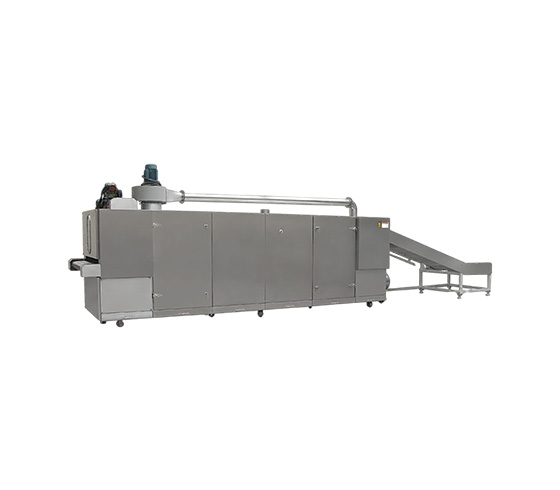
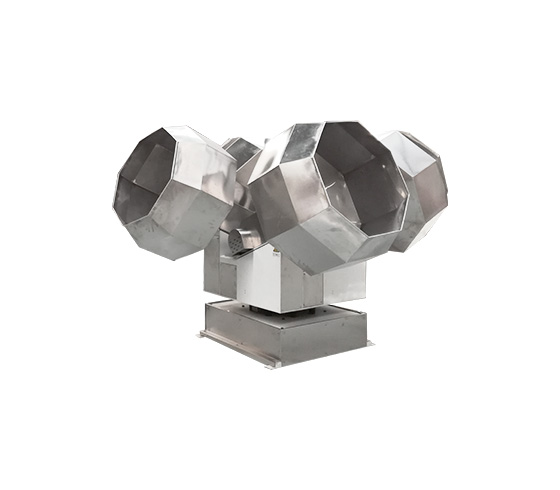
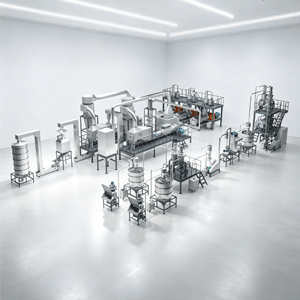
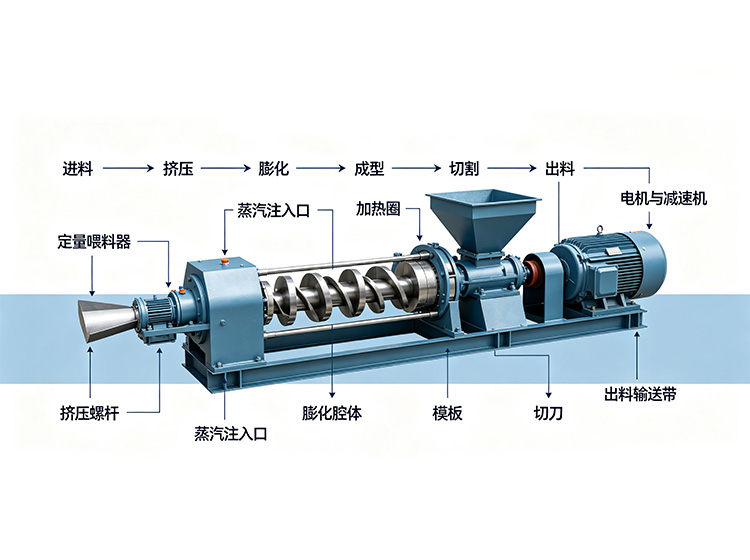
First, it is essential to clarify the product type, raw material state, formulation direction, and expected finished product requirements.For projects involving extrusion, forming, drying, frying, conveying, seasoning, or packaging, the processing capacity and cycle time of each stage must be matched to avoid discrepancies between individual equipment capacity and the overall line requirements.

Secondly, the installation plan should be evaluated in conjunction with the workshop's spatial layout and utility conditions, including power supply, water supply, steam, or gas.Equipment configuration should also take into account long-term operational factors such as cleaning, maintenance, safety protection, spare parts supply, and operator training.Any process or equipment capabilities mentioned in this document are for reference only in the context of solution discussions and preliminary assessments.Specific model numbers, power ratings, production capacities, temperatures, and times shall be subject to the formal technical proposal and the results of trial runs or on-site verification.

Frequently Asked Questions

Can the equipment be determined directly based on the standard configuration?

Not recommended.Different raw materials, product structures, target production capacities, and downstream processes can affect the equipment configuration.It is more prudent to confirm the product and process conditions before proceeding with the configuration assessment.

How to obtain more targeted advice?

It is recommended to prepare product images or sample information, raw material and formulation guidelines, target production capacity, existing workshop conditions, and planned downstream equipment configurations.Dayi Machinery can further discuss the applicable process routes and equipment configuration options based on this.

This article is compiled based on the materials provided by Dayi Machinery, titled "Goji Berry: A New Trend in the Food Machinery Industry," with the aim of helping readers understand the relevant topics.For technical requirements related to specific projects, please refer to the actual product documentation and engineering confirmation results.