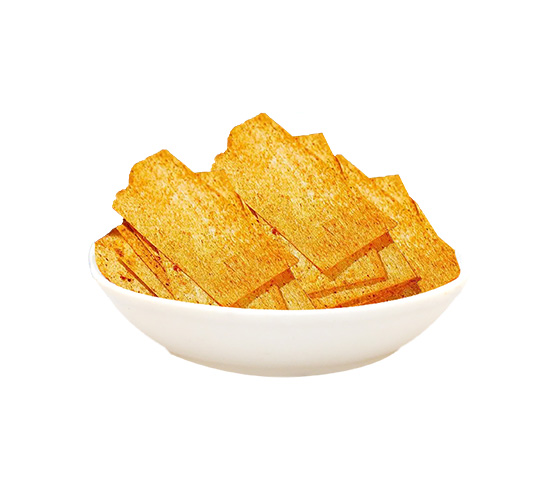
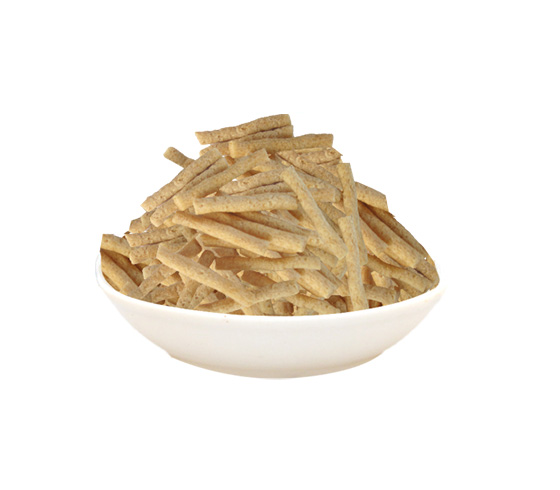
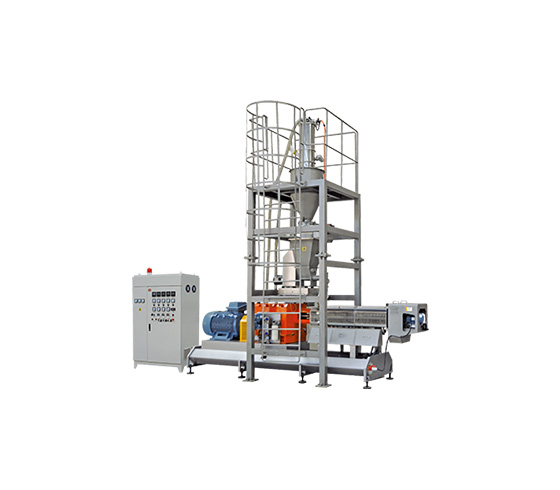
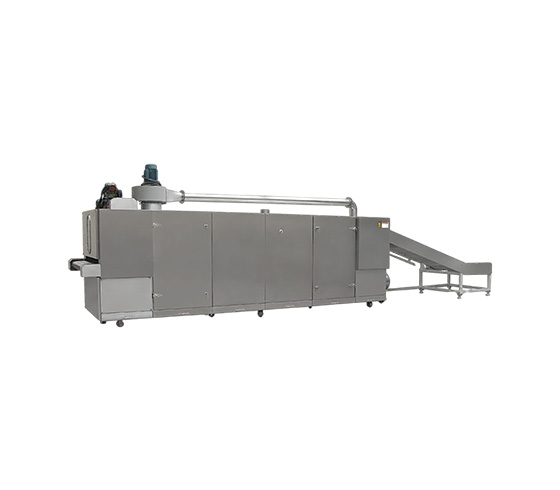
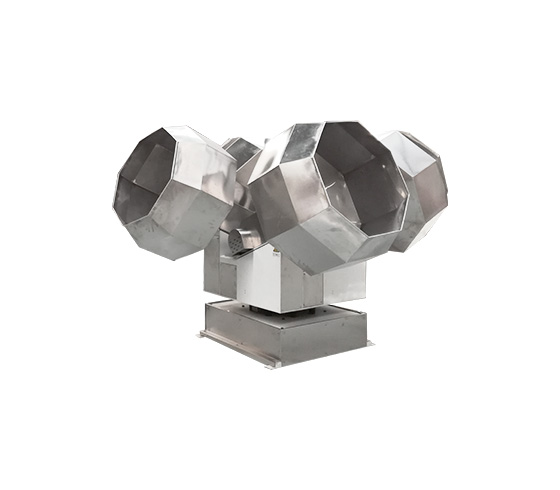
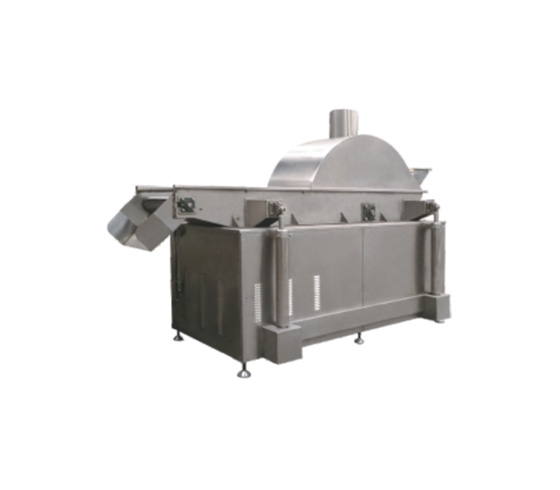
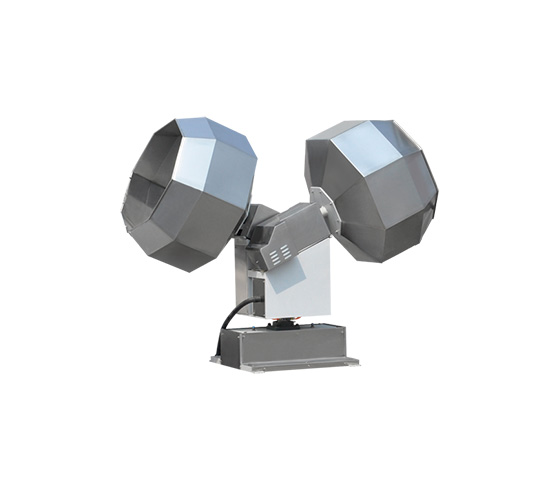
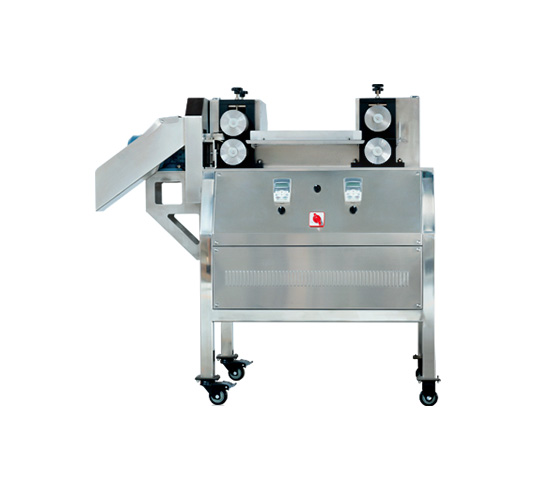
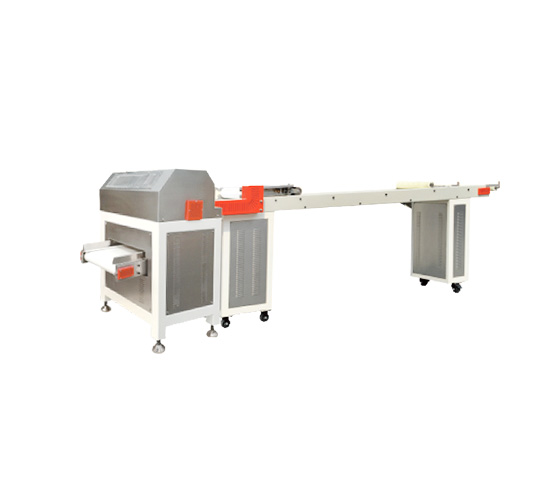
Selecting a food screw extrusion puffing machine involves addressing process, equipment selection, or operational management issues related to food processing and production equipment.The actual solution should be confirmed based on raw material characteristics, target product specifications, production scale, and on-site conditions, and should not be determined solely by single equipment parameters.
Key Considerations for Selecting a Food Screw Extrusion Puffing Machine Based on Your Needs
Features of Single-Screw and Twin-Screw Extruders for Snack Food Expansion:
The single-screw extrusion puffing machine has a relatively simple structure and a lower price.Its disadvantage is a limited scope of application, mainly used for the production of materials with high starch content.For materials with high moisture and high oil content, production still presents certain challenges.Furthermore, the process parameters of this equipment are difficult to control, cleaning is inconvenient, the product forming effect is poor, and the production capacity is relatively low.
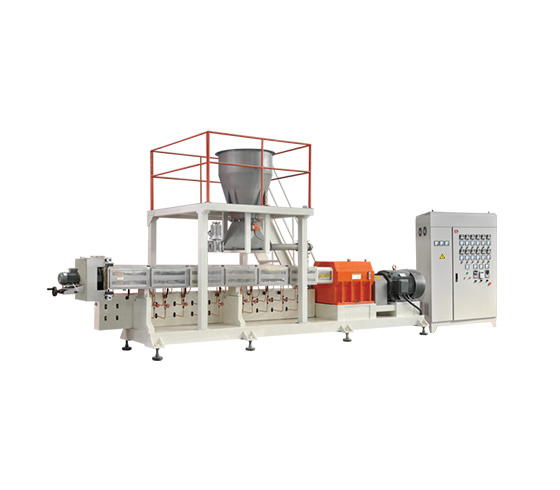
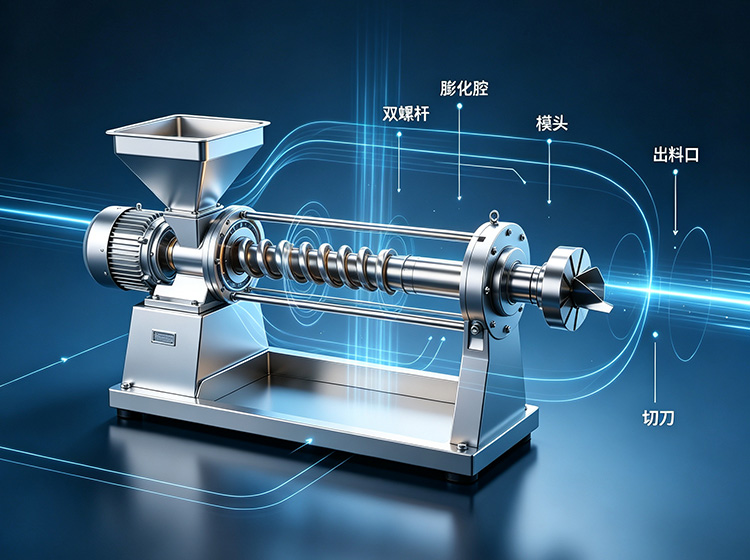
The twin-screw extrusion puffing machine offers numerous advantages.Even when processing materials with high moisture and high oil content, backflow is unlikely to occur, and extrusion can be performed at higher pressures and temperatures.Therefore, twin-screw extruders are widely used in the food, feed, oil and fat, fermentation, and grain processing industries, owing to their excellent performance, broad applicability, high efficiency, and superior product quality.
Working principle of the snack food extrusion puffing machine:
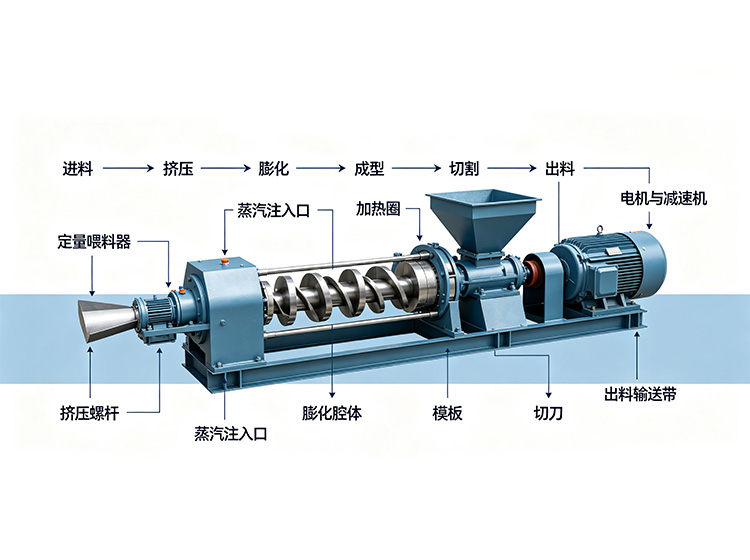
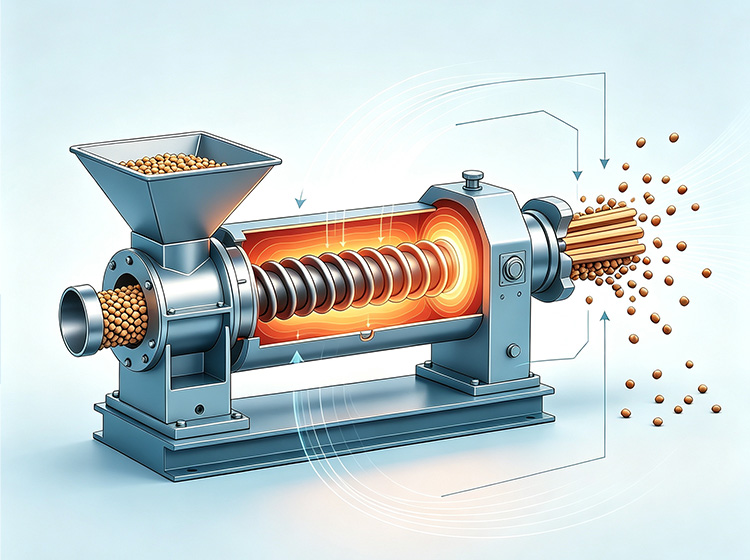
The snack food extrusion puffing machine crushes, mixes, and adjusts the moisture content of food raw materials containing a certain proportion of starch and oil, and then feeds them into the extrusion barrel via the feeding device.Within the extrusion barrel, the relative rotation between the screw and the barrel wall generates thrust, propelling the material forward.Through the extrusion of the material and the high temperature and pressure generated by external heating, the material undergoes mixing, shearing, kneading, melting, sterilization, and cooking processes within the extrusion barrel, resulting in a sharp increase in temperature and pressure.When the material is suddenly released from the end forming die to atmospheric pressure, its shape, internal structure, and properties undergo drastic changes and it expands rapidly, ultimately producing puffed food products.
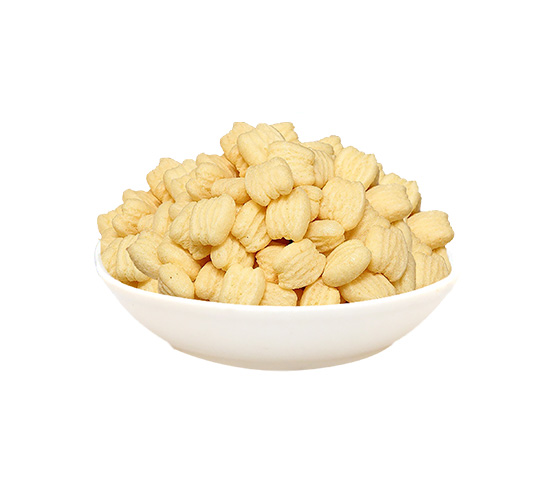
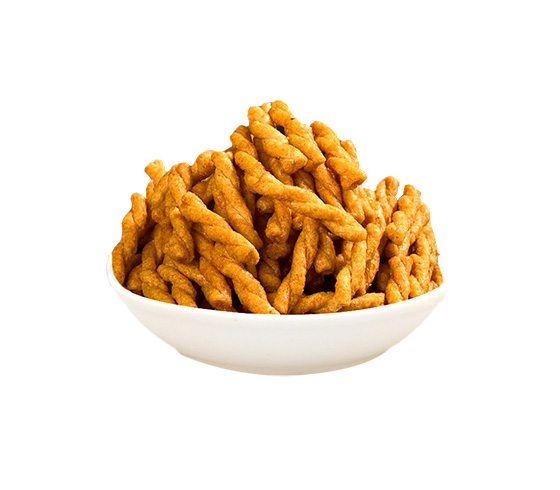
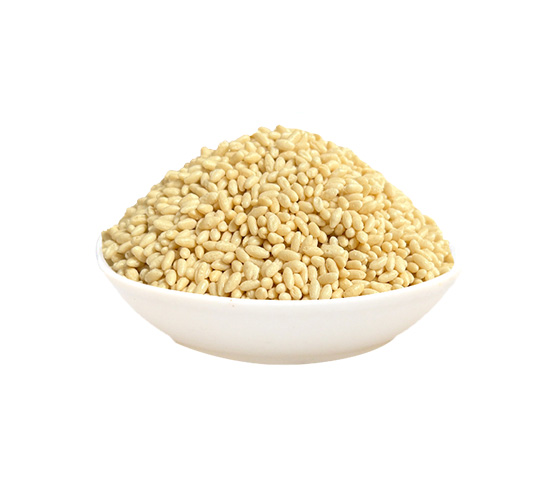
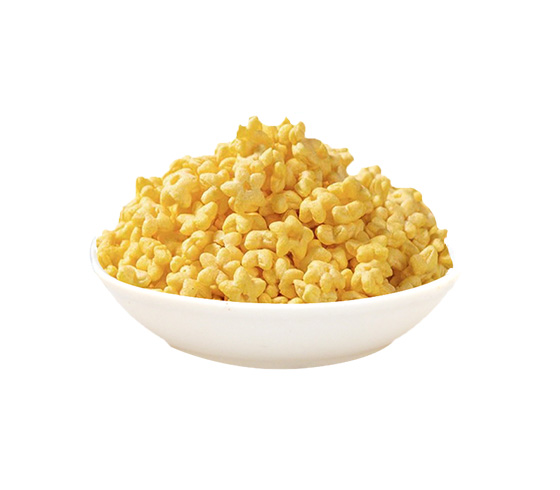
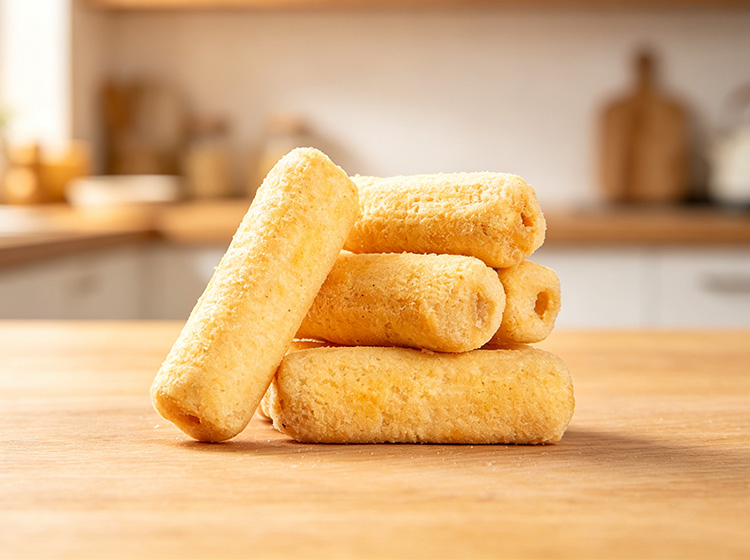
The snack food extrusion puffing machine is equipped with die holes of various shapes, enabling the production of products in different shapes.Under high temperature and high pressure, the material undergoes a series of physicochemical changes, such as starch gelatinization and protein denaturation.This process destroys harmful factors in some raw materials and eliminates a large number of bacteria and microorganisms.Even various enzymes that could potentially cause material deterioration are inactivated during this high-temperature, high-pressure, and puffing process, thereby making the processed food easier to store and maintain its quality.
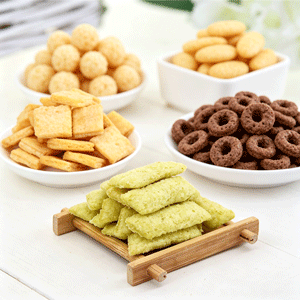
With the development of society, fast-moving consumer goods (FMCG) have captured a significant market share.Puffed products are enjoyed by people of all ages, and some plant-based composite powder puffed foods also offer health benefits.Therefore, snack food extrusion puffing machines and snack food production lines have broad development prospects.
What conditions should be considered during implementation or selection?
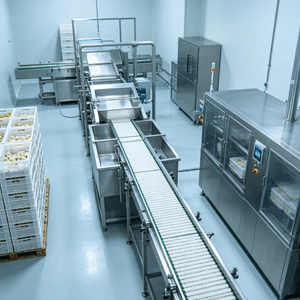
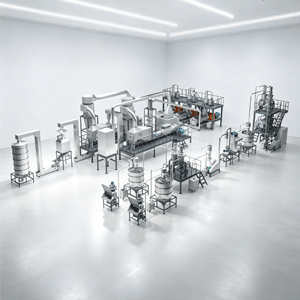
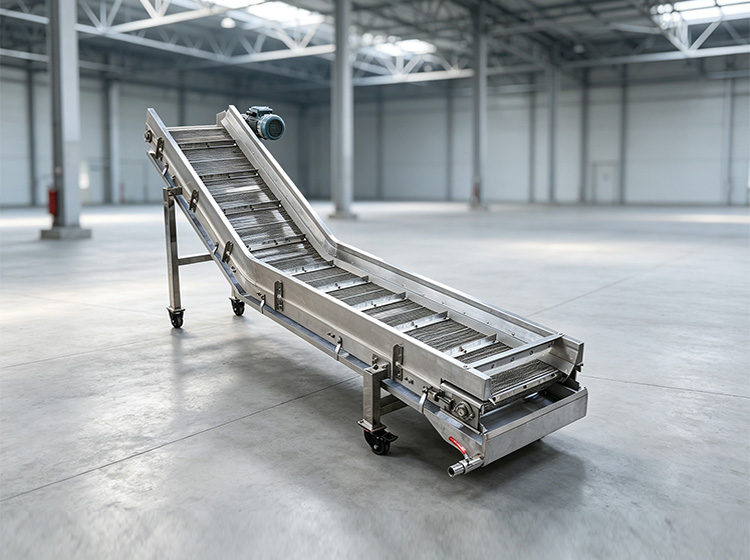
First, it is essential to clarify the product type, raw material state, formulation direction, and expected finished product requirements.For projects involving extrusion, forming, drying, frying, conveying, seasoning, or packaging, the processing capacity and cycle time of each stage must be matched to avoid discrepancies between individual equipment capacity and the overall line requirements.
Secondly, the installation plan should be evaluated in conjunction with the workshop's spatial layout and utility conditions, including power supply, water supply, steam, or gas.Equipment configuration should also take into account long-term operational factors such as cleaning, maintenance, safety protection, spare parts supply, and operator training.Any process or equipment capabilities mentioned in this document are for reference only in the context of solution discussions and preliminary assessments.Specific model numbers, power ratings, production capacities, temperatures, and times shall be subject to the formal technical proposal and the results of trial runs or on-site verification.
Frequently Asked Questions
Can the equipment be determined directly based on the standard configuration?
Not recommended.Different raw materials, product structures, target production capacities, and downstream processes can affect the equipment configuration.It is more prudent to confirm the product and process conditions before proceeding with the configuration assessment.
How to obtain more targeted advice?
It is recommended to prepare product images or sample information, raw material and formulation guidelines, target production capacity, existing workshop conditions, and planned downstream equipment configurations.Dayi Machinery can further discuss the applicable process routes and equipment configuration options based on this.
This article is compiled based on the materials provided by Dayi Machinery, titled “Selecting a Food Screw Extrusion Puffing Machine According to Your Needs,” with the aim of helping readers understand the relevant topics.For technical requirements related to specific projects, please refer to the actual product documentation and engineering confirmation results.