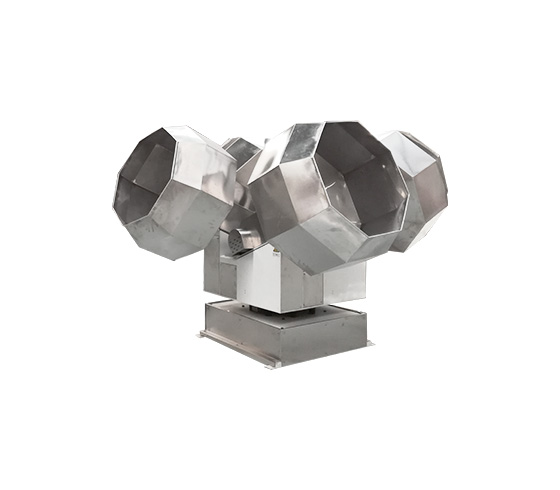
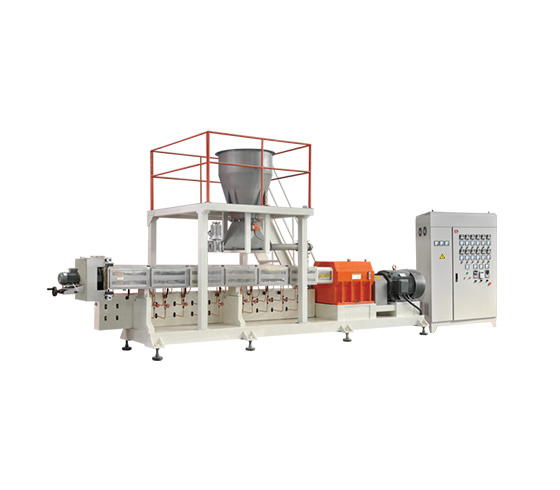
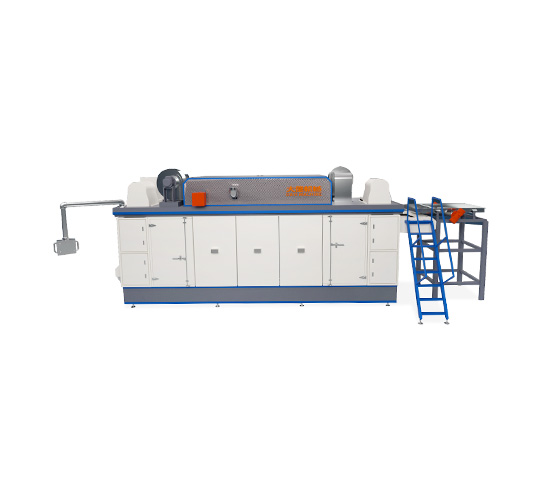
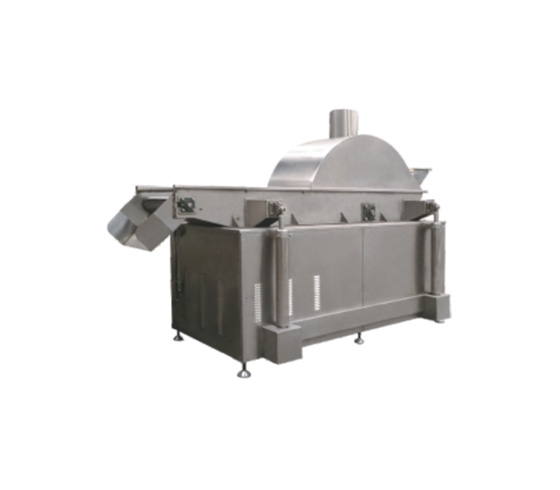
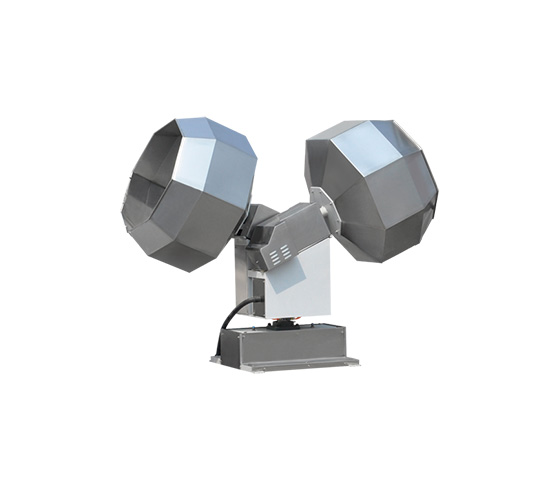
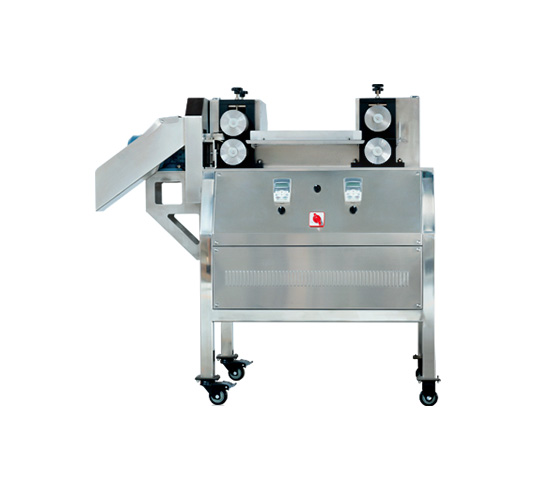
Example: The braised food production line involves process, equipment selection, or operational management issues related to food processing and production equipment.The actual solution should be confirmed based on raw material characteristics, target product specifications, production scale, and on-site conditions, and should not be determined solely by single equipment parameters.
Example: Key Points of a Braised Food Production Line
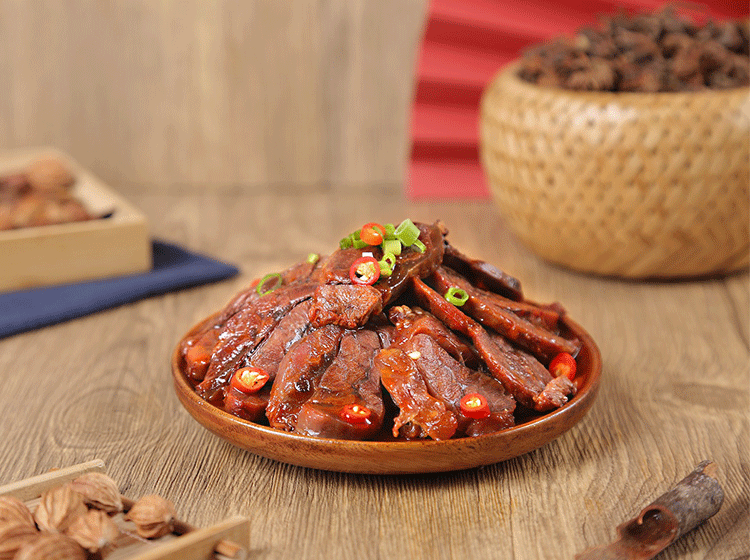
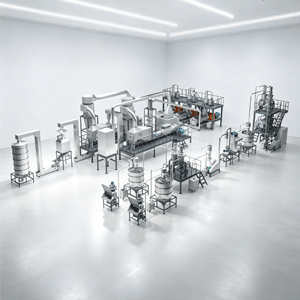
To meet the growing market demand for braised products, the production lines of braised food processing plants have been innovatively designed based on actual conditions.Currently, our braised food production line technology is mature and meets market demand.
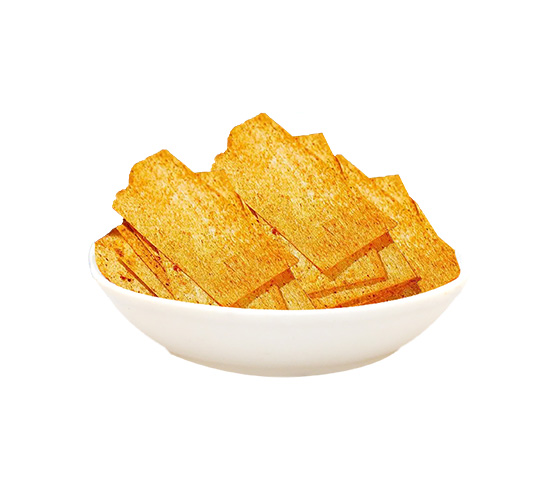
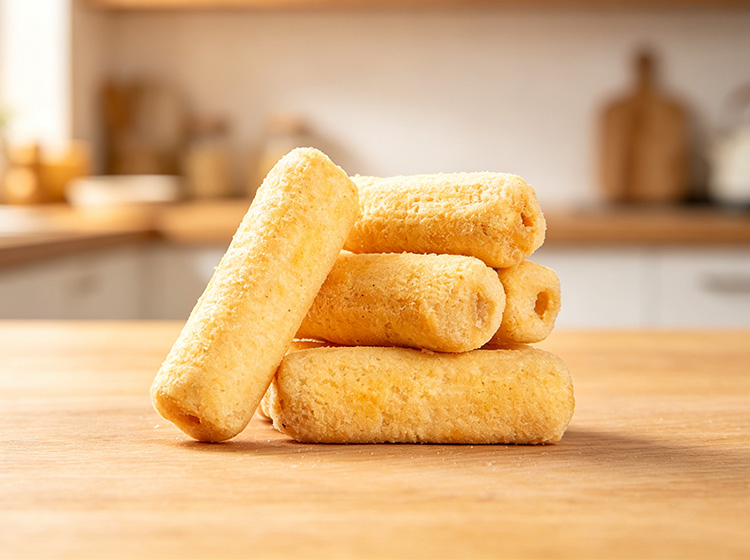
The following explanation uses the processing line for one of the representative products of braised soy-based foods—dried tofu—as an example.
Before making braised dried tofu, it must undergo multiple pre-processing steps.First, the selection of raw materials is crucial; they must be fine-textured, savory, and chewy.Furthermore, as a key raw material, the selection of soybeans is crucial and plays a decisive role in determining the texture and quality of dried tofu.
Selection Criteria for Raw Soybeans
Standards for high-quality soybeans: bright color, uniform particle size, plump seeds, and a normal bean aroma;Impurity content less than 2%, discolored cotyledon grains less than 5%, moldy and diseased grains less than 2%, broken and insect-damaged grains less than 10%, and moisture content approximately 8%.
Subject: Example: Braised Food Production Line;Process Flow: Soaking Beans → Boiling Soy Milk → Filtering Residue → Coagulation → Curd Setting → Molding → Pressing → Cooling of White Curd Blocks → Cutting into Blocks → Semi-finished Product.Of course, these steps are streamlined in practice, generally following the process: soaking beans → coagulation → expansion → pressing into molds → pressing → cutting into blocks → semi-finished products.
Subject: Example: Braised Food Production Line;Process Flow: (1) Soaking: Use warm water at approximately 35°C to soak soybeans at a water-to-bean ratio of 6:1.The soaking time is generally 5-12 hours, depending on the season: 5-8 hours in summer and 8-12 hours in winter.Stir the soybeans every 2 hours to achieve uniform soaking.
Subject: Example: Braised Food Production Line;Process flow: During the bean soaking process, add edible alkali (sodium carbonate) at 0.3% of the bean weight to promote water penetration into the interior of the beans, enabling the cell membranes inside the beans to rapidly absorb water and fully rupture.
Subject: Example: Braised Food Production Line;Process flow: After completing the above steps, remove the soybeans and simultaneously check whether the soybean soaking meets the required standards.The testing method involves crushing or breaking the soybeans to check for hard cores, as the presence of hard cores can affect the slurry yield.
Subject: Example: Braised Food Production Line;Process Flow: (2) Coagulation: This is the most critical step in converting soy milk into tofu.Brine coagulation is employed, with a brine concentration 2 degrees higher than that used for regular tofu, at an application rate of approximately 5% of the soy milk volume.The coagulation speed should be fast to form larger tofu curd clumps with poorer water retention, which facilitates subsequent pressing and dehydration and increases the hardness of the white tofu dry blanks.The temperature during coagulation should be controlled at 75-80°C.
Subject: Example: Braised Food Production Line;Process Flow: (3) Plate Loading: This refers to the molding and pressing stage of the dried tofu.Use a square base plate of fixed size, place uniformly sized wooden frames on the plate, and lay the wrapping cloth inside the wooden frames.
Subject: Example: Braised Food Production Line;Process flow: Align the four corners of the cloth with the four sides of the wooden frame and press them onto the bottom of the frame. Then, ladle the tofu curd into the mold, use a bamboo board to spread the curd evenly and fill the four corners, wrap the cloth securely, remove the mold frame, and the board-loading operation is complete.
Subject: Example: Braised Food Production Line;Process Flow: (4) Pressing: Transfer the poured tofu blocks into a hydraulic press for pressing.The pressure should not be too high during the first 5 minutes. After the yellow whey has drained and a skin has formed on the surface, gradually increase the pressure.Finally, continue pressing for approximately 15 minutes until the moisture content of the dried tofu meets the specified requirements, then release pressure and demold.(Note: Excessive initial pressure can cause premature skin formation on the surface of the dried tofu, hindering the removal of internal moisture and resulting in a final product with excessively high moisture content.))
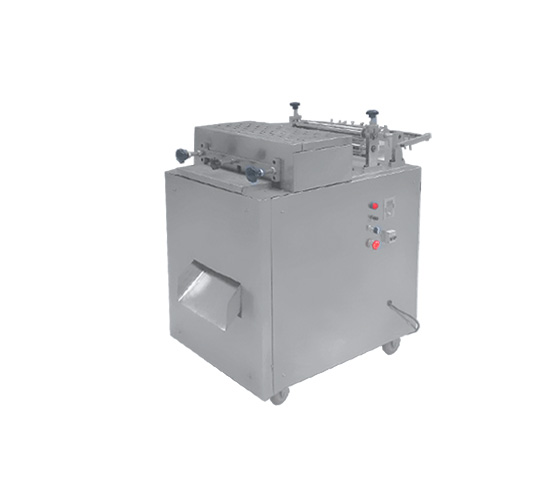
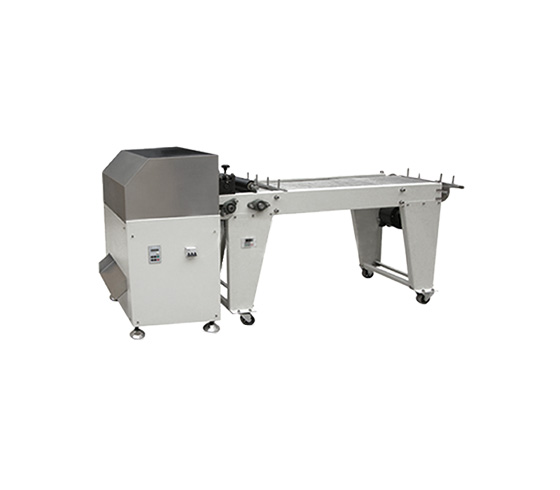
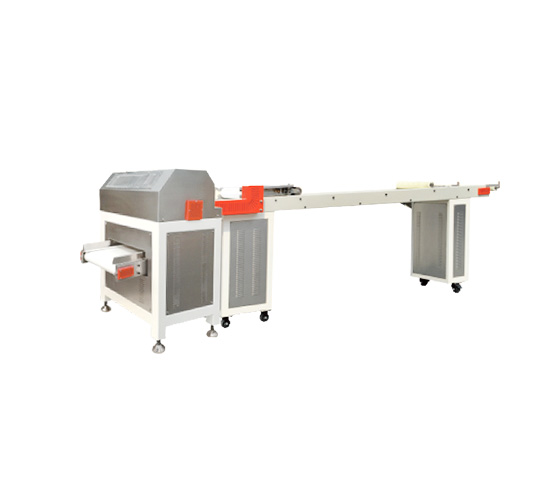
Subject: Example: Braised Food Production Line;Process Flow: (5) Cutting: According to the specifications of different products, cut the white tofu skin blanks into blocks of various sizes.The cutting methods are divided into manual cutting and mechanical cutting, each with its own advantages.The processed products are placed in semi-finished product turnover boxes for subsequent deep processing.
Subject: Example: Braised Food Production Line;Process flow: If the above operations are performed manually, they are not only time-consuming and labor-intensive, but also require operators to maintain high levels of concentration;By employing screening equipment for bean selection and utilizing mechanical systems for inspection and management, labor costs can be significantly reduced and production line efficiency greatly enhanced.
Subject: Example: Braised Food Production Line;Process Flow: Jinan Dayi Machinery Technology Co., Ltd. is located in the beautiful spring city of Jinan.The company has long been engaged in the research and development of food production line machinery and equipment, as well as production processes. Upholding standardized production technologies and automated control operational concepts, we focus on developing stable and reliable production equipment.Our company’s design team possesses extensive experience in design, R&D, commissioning, and production, and is supported by dedicated on-site engineering personnel who handle production and commissioning tasks, enabling us to provide standardized design, production, and commissioning services.
What conditions should be considered during implementation or selection?
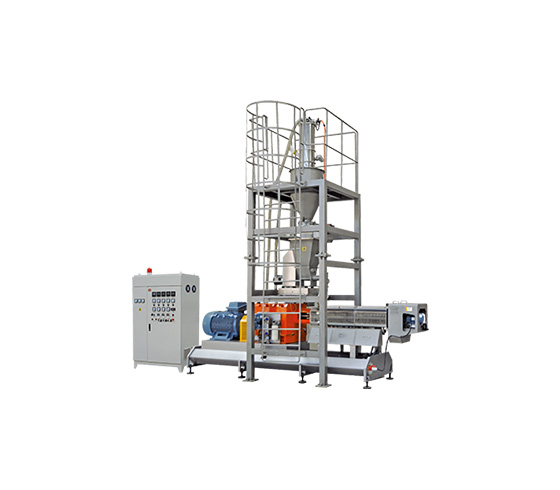
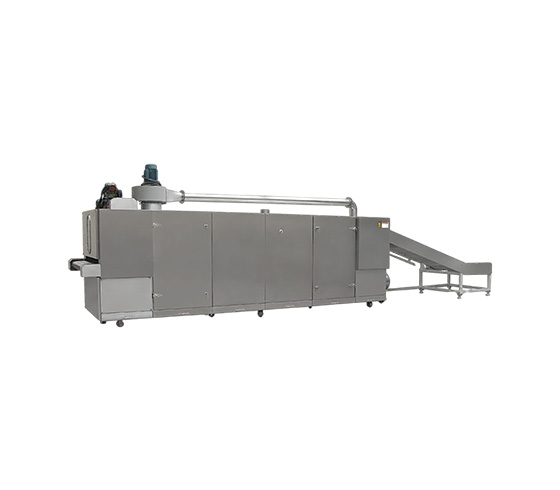
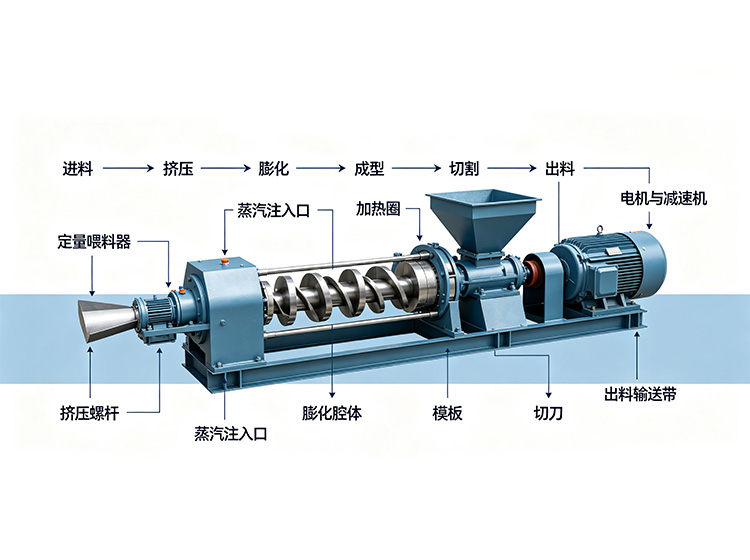
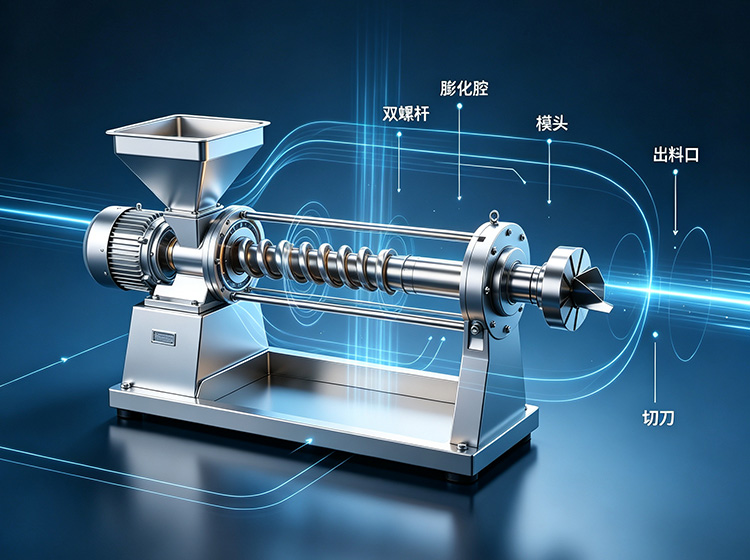
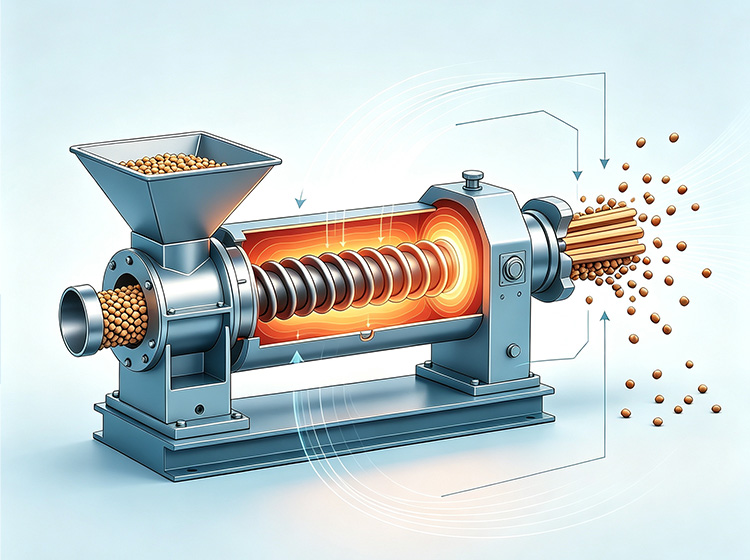
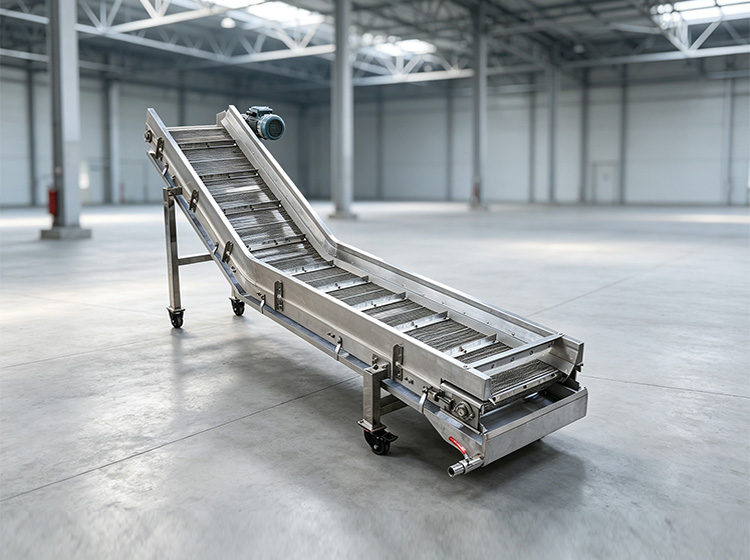
First, it is essential to clarify the product type, raw material state, formulation direction, and expected finished product requirements.For projects involving extrusion, forming, drying, frying, conveying, seasoning, or packaging, the processing capacity and cycle time of each stage must be matched to avoid discrepancies between individual equipment capacity and the overall line requirements.
Secondly, the installation plan should be evaluated in conjunction with the workshop's spatial layout and utility conditions, including power supply, water supply, steam, or gas.Equipment configuration should also take into account long-term operational factors such as cleaning, maintenance, safety protection, spare parts supply, and operator training.Any process or equipment capabilities mentioned in this document are for reference only in the context of solution discussions and preliminary assessments.Specific model numbers, power ratings, production capacities, temperatures, and times shall be subject to the formal technical proposal and the results of trial runs or on-site verification.
Frequently Asked Questions
Can the equipment be determined directly based on the standard configuration?
Not recommended.Different raw materials, product structures, target production capacities, and downstream processes can affect the equipment configuration.It is more prudent to confirm the product and process conditions before proceeding with the configuration assessment.
How to obtain more targeted advice?
It is recommended to prepare product images or sample information, raw material and formulation guidelines, target production capacity, existing workshop conditions, and planned downstream equipment configurations.Dayi Machinery can further discuss the applicable process routes and equipment configuration options based on this.
This article is compiled based on the document "Example: Braised Food Production Line" provided by Dayi Machinery, with the aim of helping readers understand the relevant topics.For technical requirements related to specific projects, please refer to the actual product documentation and engineering confirmation results.