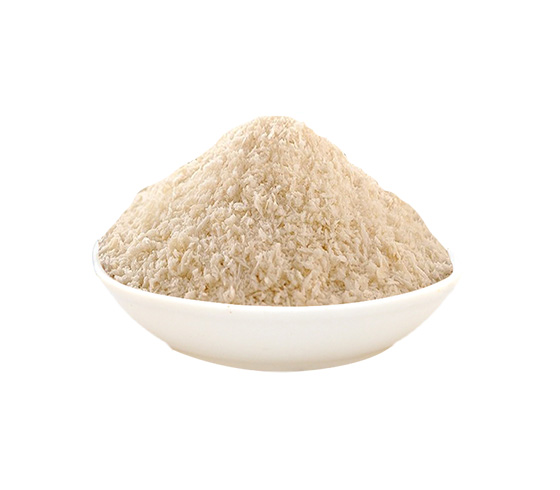
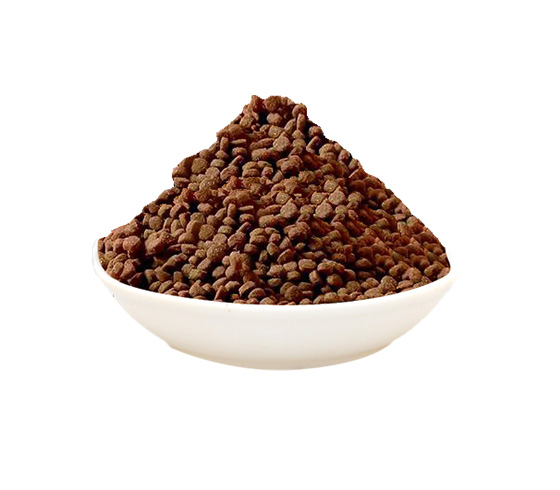
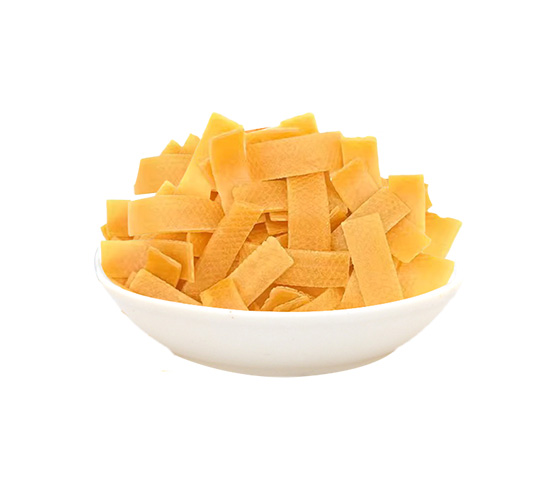
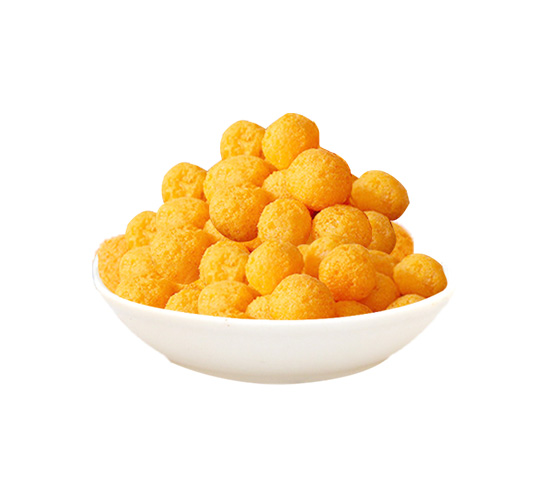
Extrusion puffing technology in pet food production lines involves process, equipment selection, or operational management issues related to food processing and production equipment.The actual solution should be confirmed based on raw material characteristics, target product specifications, production scale, and on-site conditions, and should not be determined solely by single equipment parameters.
Key Points of Extrusion Puffing Technology in Pet Food Production Lines
The application of extrusion puffing technology in pet food began in the 1950s.
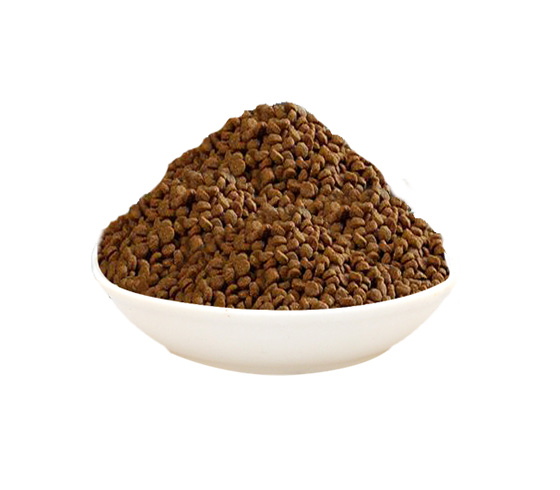
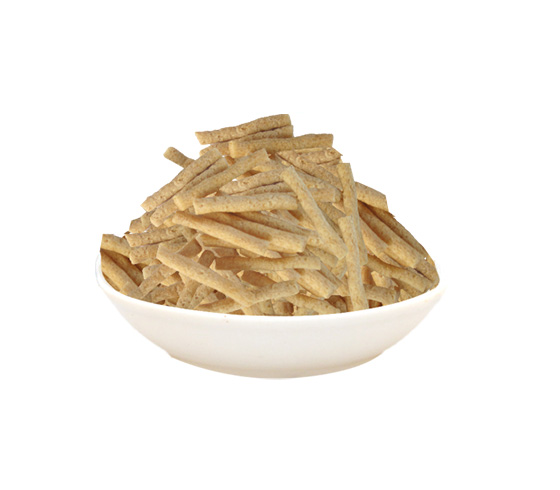
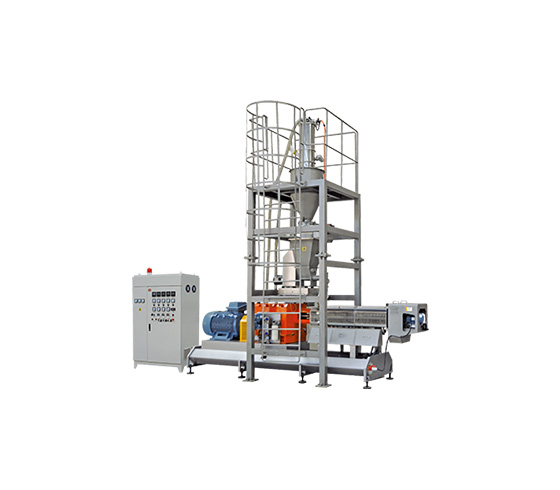
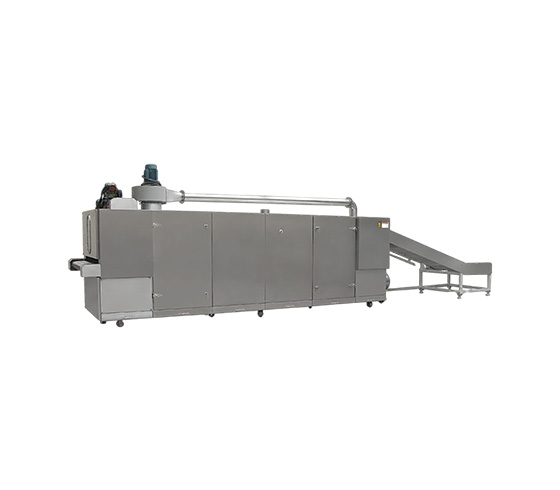
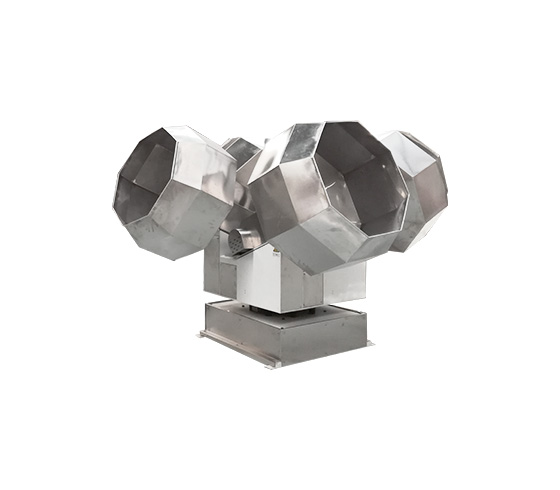
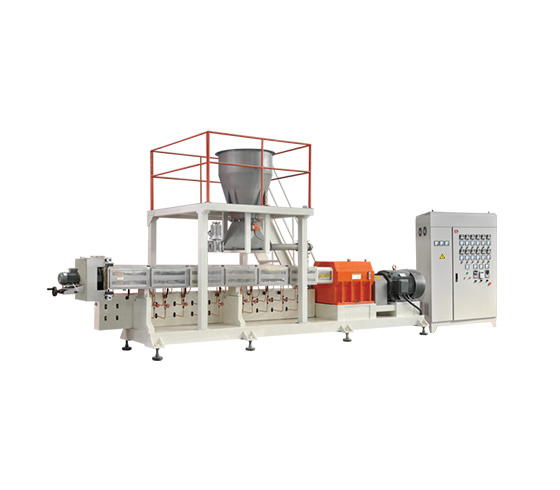
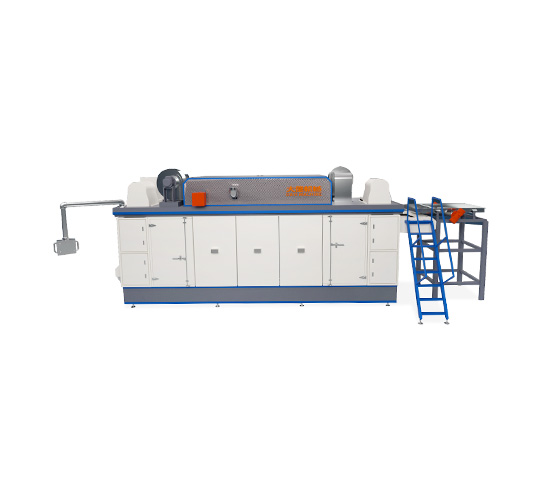
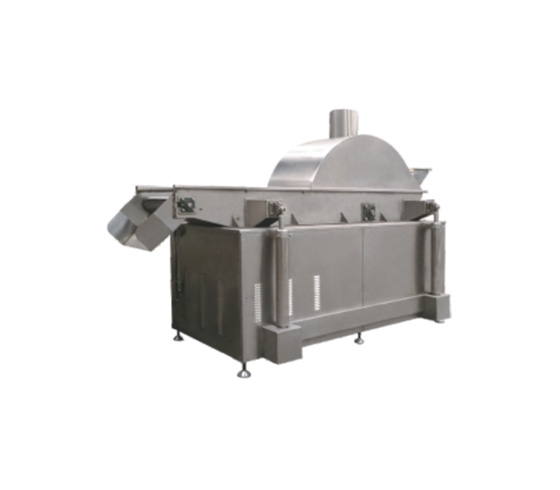
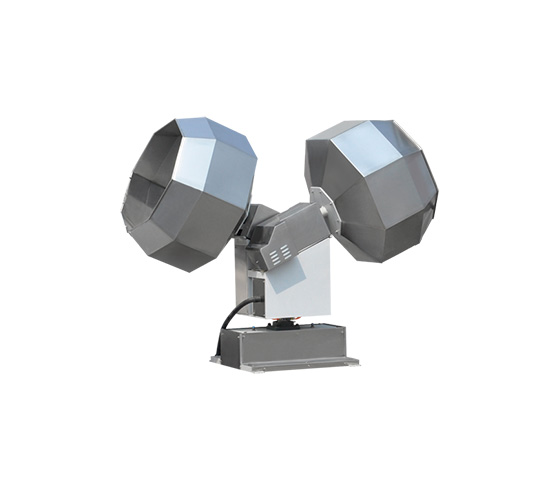
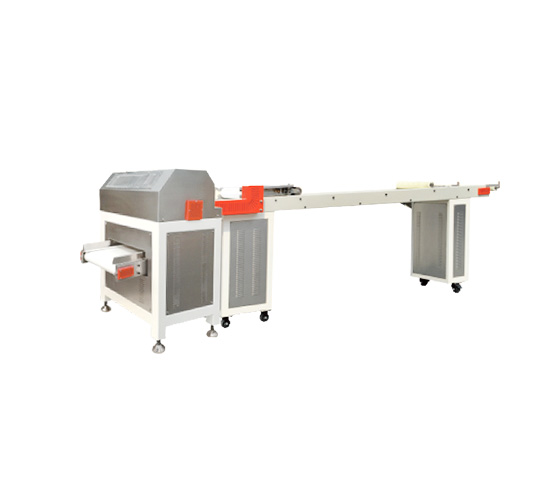
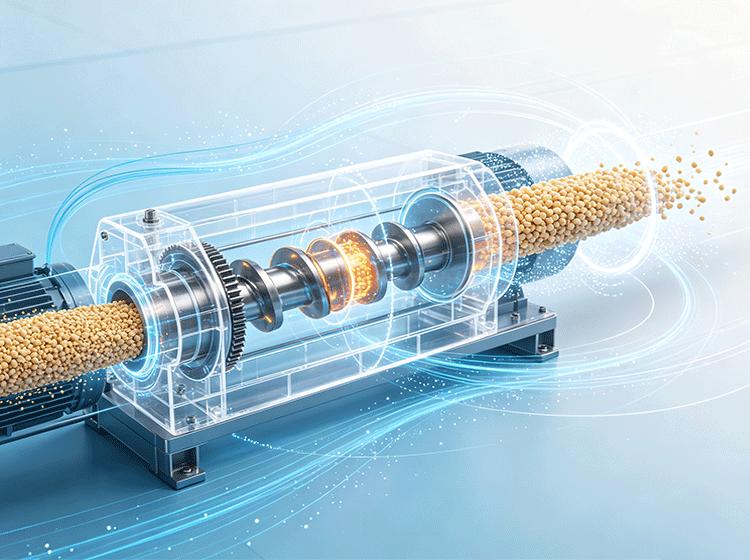
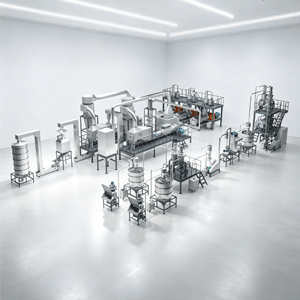
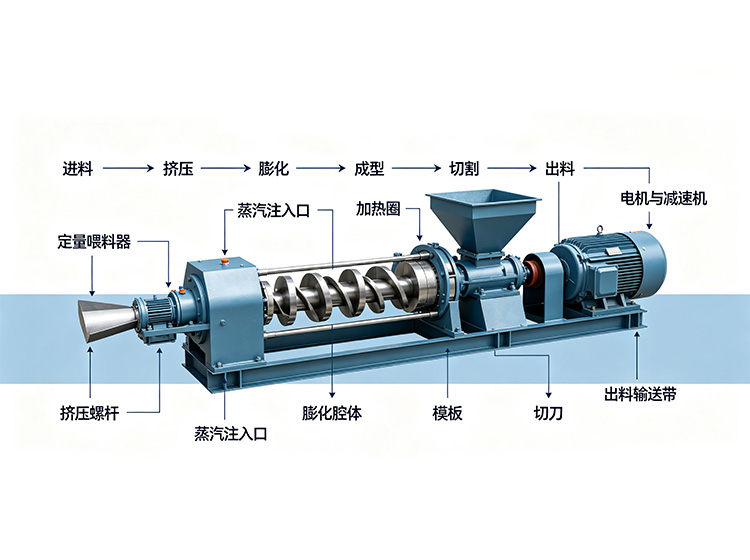
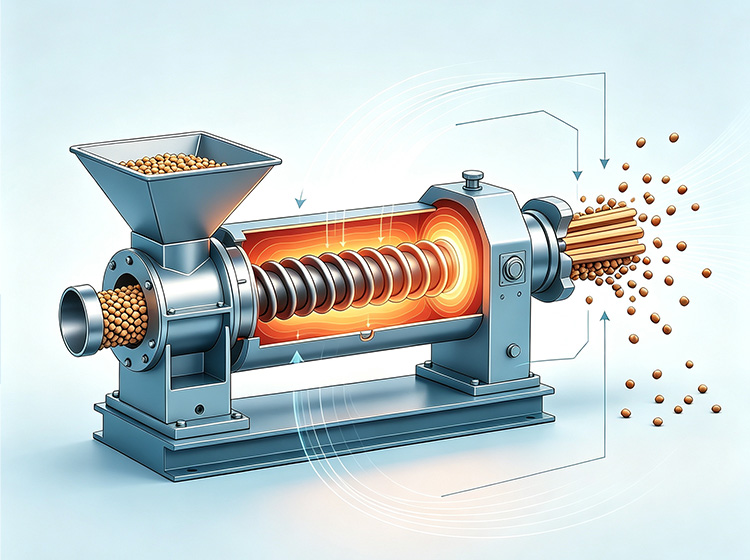
Dry-extruded pet food is typically produced using an extrusion process.After two-stage crushing and two mixing stages, the raw material enters the conditioning bin, where it is fully conditioned before being fed into the extrusionSwellingTransform machine for extrusionSwellingTransform.Meanwhile, oils, colorants, meat slurries, and other ingredients can be added directly to the conditioner to prevent caking issues that may arise when high-fat or high-moisture materials are added to the mixer.The moisture content of the extruded material is 20%–30%, and it is conveyed pneumatically to the dryer for drying.The dried material enters the batch spray coater, which can apply oils, feed attractants, and flavor powders.The feed pellets are at a higher temperature immediately after drying, which facilitates the uniform distribution of oil.After adding oil to the feed, internal moisture becomes difficult to evaporate, and the attractant itself has a relatively high moisture content. Therefore, the drying intensity of the dryer should be appropriately increased before spraying.After spraying, the material enters the cooler for cooling, reducing the moisture content to below 9% and the temperature to near room temperature.
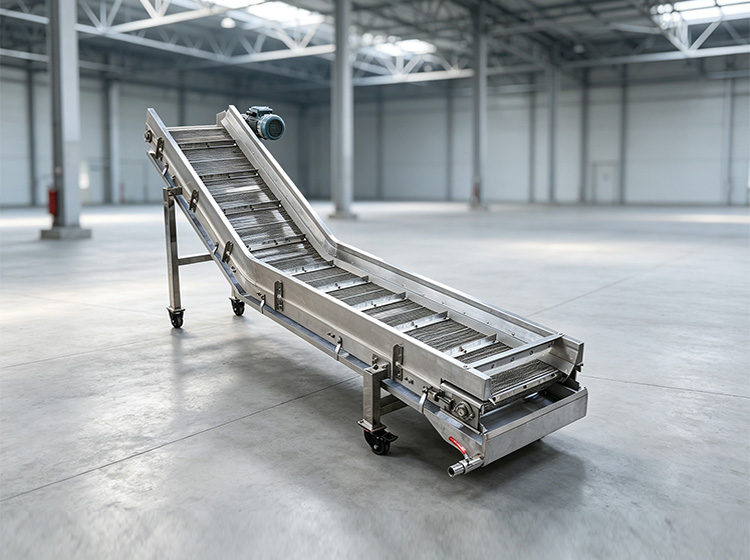
After the pellet feed is discharged from the finished product silo, it must be screened to control the amount of fines and powder within an ideal range, and then packaged by a weighing scale.To minimize residue during processing, pet food pellets are typically conveyed using pneumatic conveying systems or inclined belt conveyors.
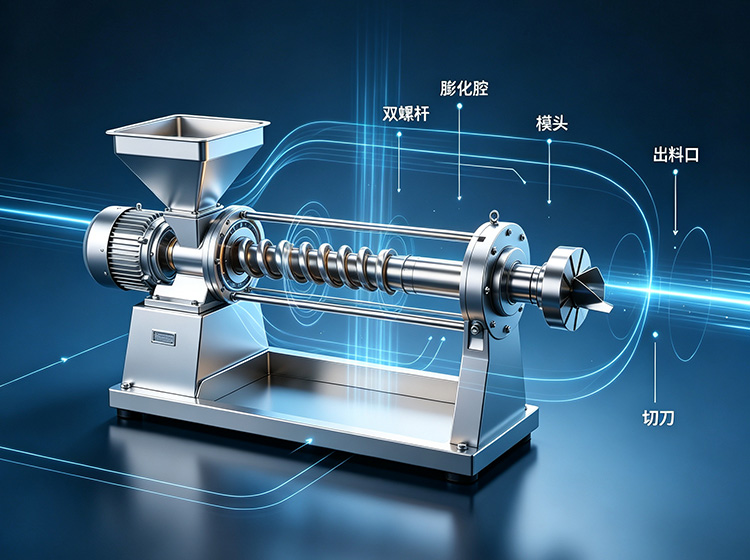
Pet food can be produced using either a single-screw extrusion puffing machine or a twin-screw extrusion puffing machine.Single-screw extruders are suitable for certain low-end pet foods with low oil content in their formulations, with the moisture content of the material during the extrusion process generally ranging from 22% to 28%.However, when the fresh meat content in the formulation reaches 20%, a single-screw extruder struggles to provide the intense mixing and shear forces required during the extrusion process, at which point the advantages of a twin-screw extruder become evident.Compared to single-screw extruders, twin-screw extruders can incorporate nearly twice the amount of fat into pet food, allowing for fat contents of up to 12% in the feed formulation.
What conditions should be considered during implementation or selection?
First, it is essential to clarify the product type, raw material state, formulation direction, and expected finished product requirements.For projects involving extrusion, forming, drying, frying, conveying, seasoning, or packaging, the processing capacity and cycle time of each stage must be matched to avoid discrepancies between individual equipment capacity and the overall line requirements.
Secondly, the installation plan should be evaluated in conjunction with the workshop's spatial layout and utility conditions, including power supply, water supply, steam, or gas.Equipment configuration should also take into account long-term operational factors such as cleaning, maintenance, safety protection, spare parts supply, and operator training.Any process or equipment capabilities mentioned in this document are for reference only in the context of solution discussions and preliminary assessments.Specific model numbers, power ratings, production capacities, temperatures, and times shall be subject to the formal technical proposal and the results of trial runs or on-site verification.
Frequently Asked Questions
Can the equipment be determined directly based on the standard configuration?
Not recommended.Different raw materials, product structures, target production capacities, and downstream processes can affect the equipment configuration.It is more prudent to confirm the product and process conditions before proceeding with the configuration assessment.
How to obtain more targeted advice?
It is recommended to prepare product images or sample information, raw material and formulation guidelines, target production capacity, existing workshop conditions, and planned downstream equipment configurations.Dayi Machinery can further discuss the applicable process routes and equipment configuration options based on this.
This article is compiled based on the document “Extrusion Puffing Technology in Pet Food Production Lines” provided by Dayi Machinery, with the aim of helping readers understand the relevant topics.For technical requirements related to specific projects, please refer to the actual product documentation and engineering confirmation results.