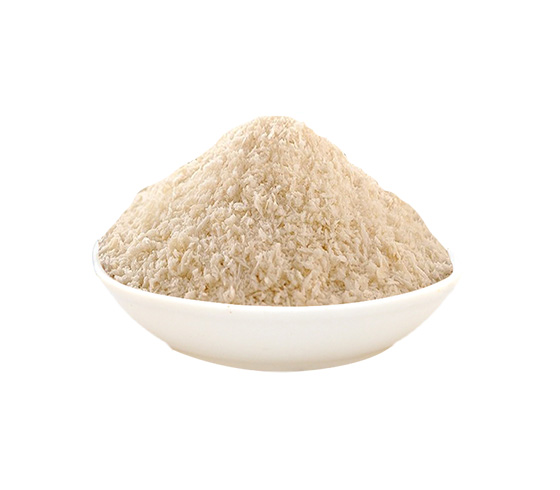
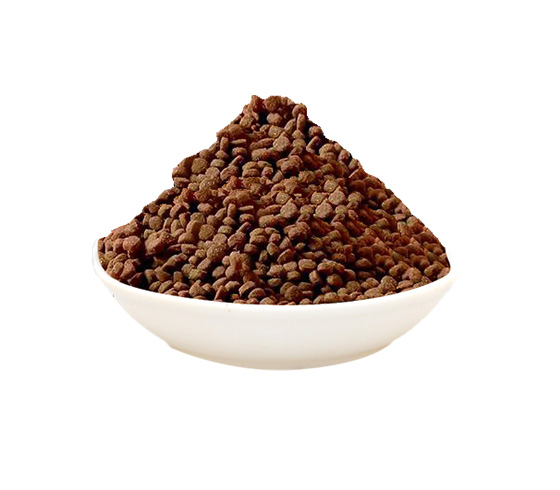
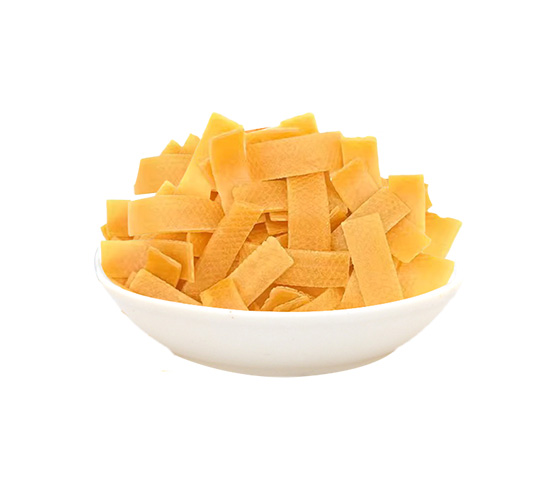
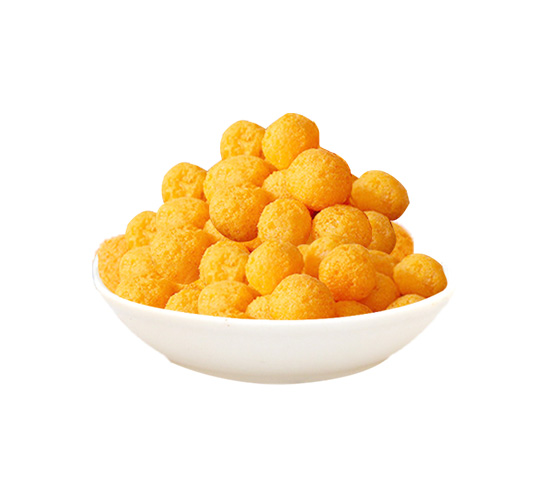
Pet food production lines involve process design, equipment selection, and operational management of food processing and production equipment. Actual solutions must be confirmed based on raw material characteristics, target products, production capacity, and site-specific conditions—not solely on the parameters of a single piece of equipment.
Core Points of Pet Food Production Lines
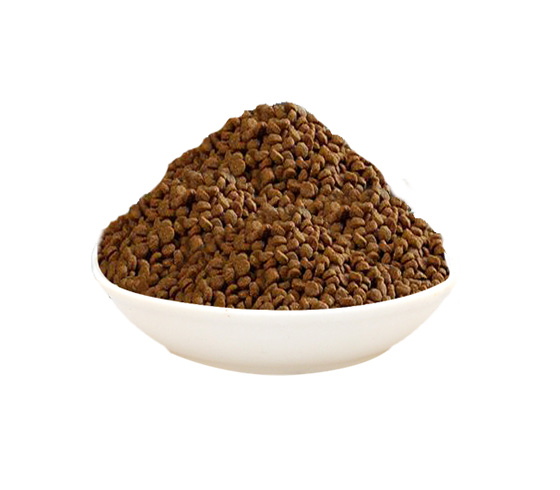
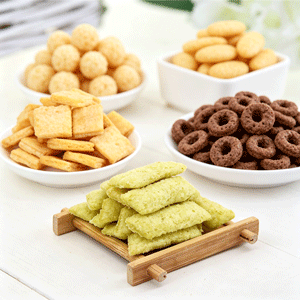
Pet food production lines manufacture pet food specifically designed for small pets. This high-end animal feed occupies an intermediate position between human food and traditional livestock and poultry feed. Its primary function is to provide basic sustenance for various pets while delivering the essential nutrients required for their growth, development, and health. This product offers numerous advantages, including comprehensive nutrition, easy digestibility, promotion of gastrointestinal motility, scientifically formulated recipes, standardized quality specifications, convenient feeding, and disease prevention.
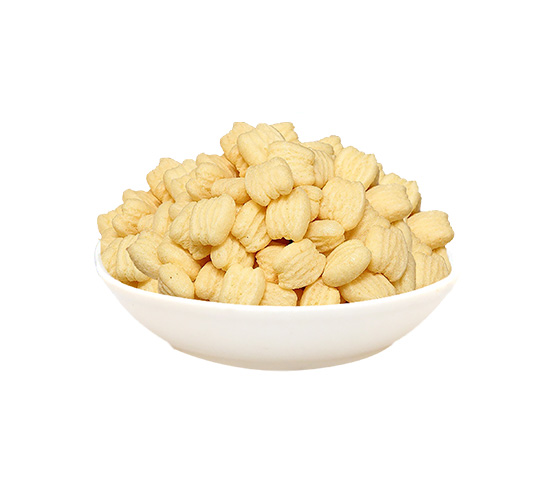
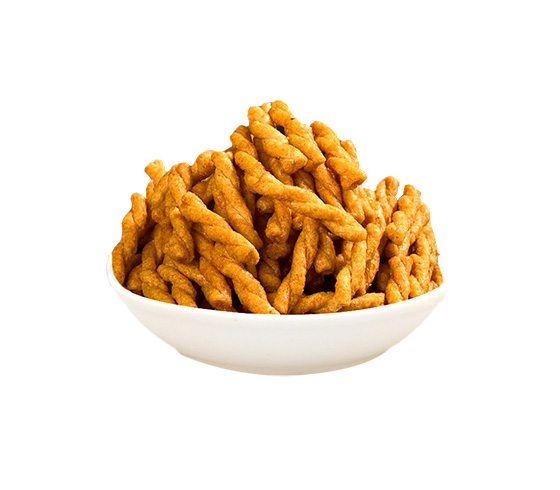
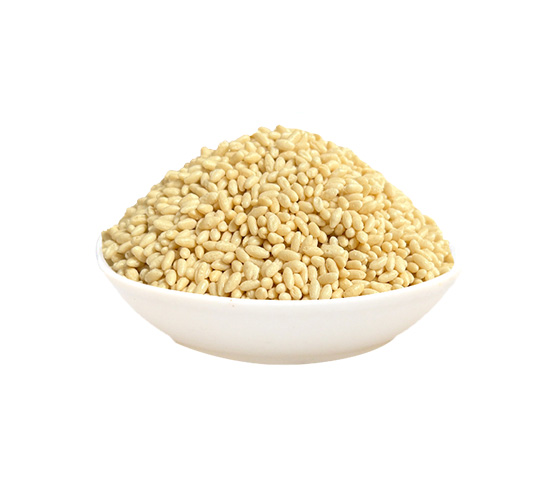
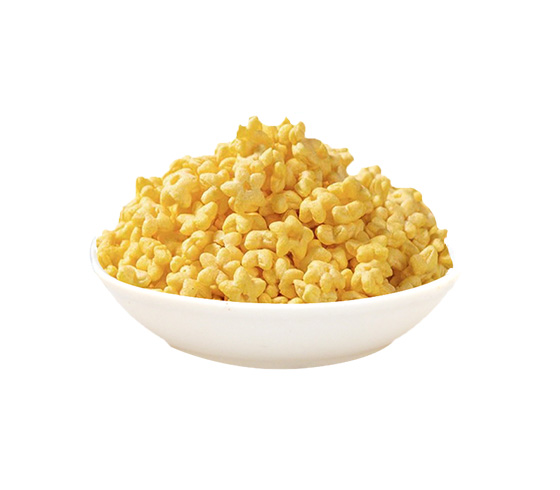
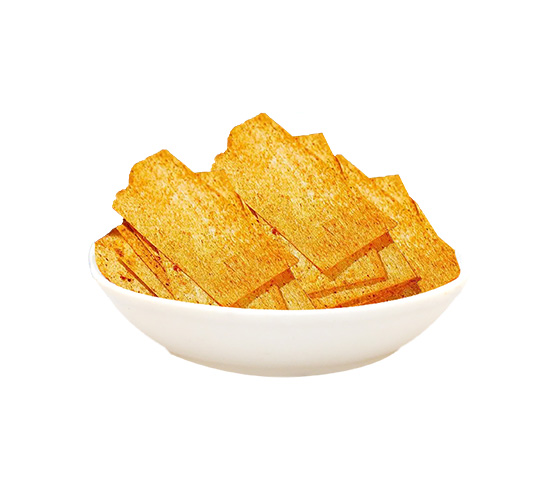
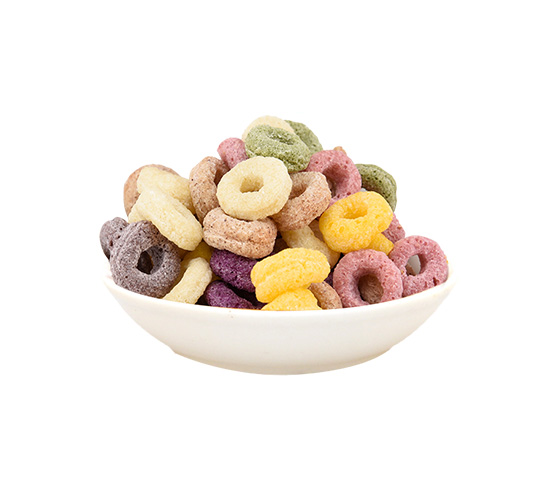
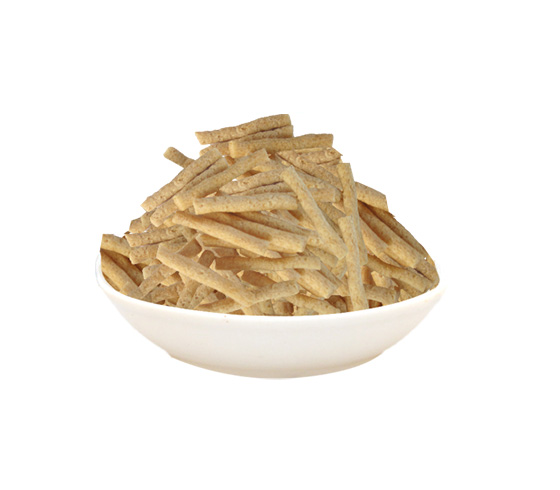
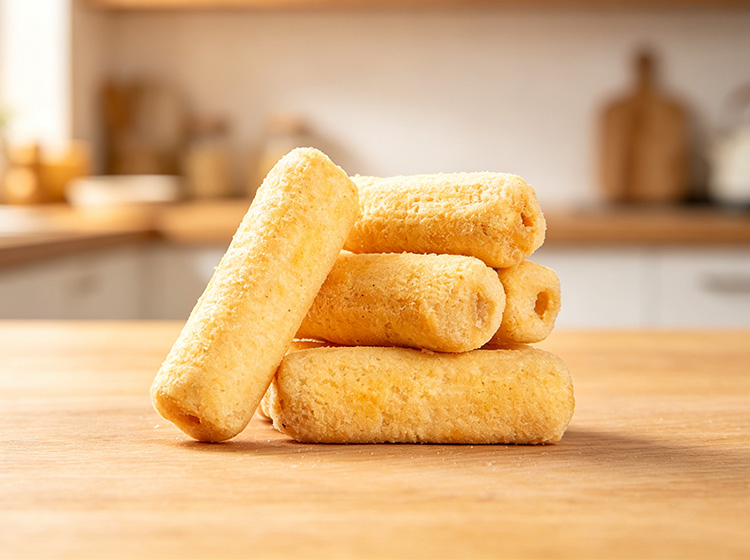
This pet food production line imparts novel shapes, unique textures, and appealing colors to pet food, meeting the demands of the modern pet food market with scientifically optimized nutritional formulations and excellent digestibility. It not only delivers essential nutrients required by pets but also allows for the addition of vital nutrients such as vitamins, fats, and proteins. This production line offers the following advantages:
Production efficiency: Continuous production, automatic start/stop, quick and easy product changeover, as well as easy cleaning and maintenance—ensuring highly efficient operation.
Flexibility: Supports product innovation with diverse raw material options and the ability to process products of various sizes, shapes, and fillings (co-extrusion attachment available as an option), thereby expanding product range.
Cost-effectiveness: Reinforced high-temperature short-time conversion process saves raw materials, energy, and water resources; easy maintenance, hygienic and compact design, small footprint.
Expert System: Specifically designed by our engineers, featuring advanced automation functions to ensure precise process control, achieving stable, consistent product quality and easy replication.
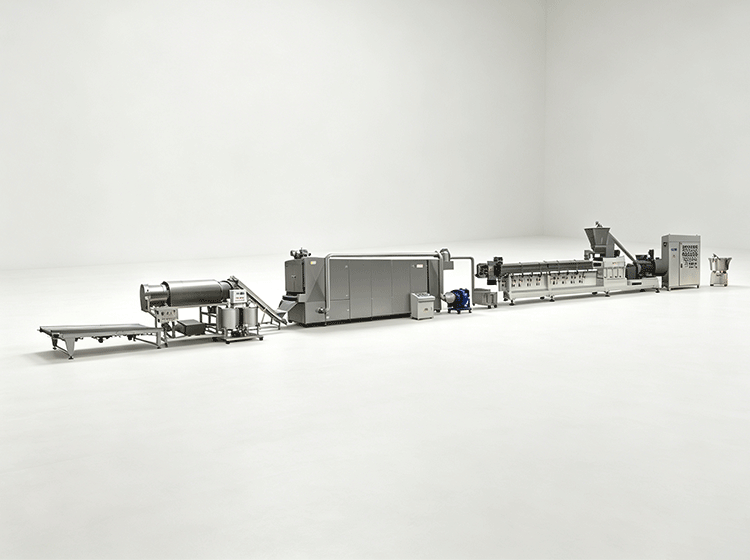
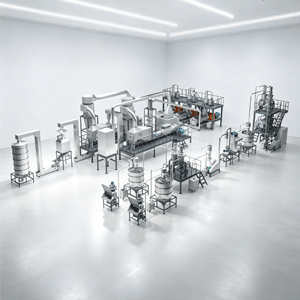
Process Composition of Pet Food Production Line:
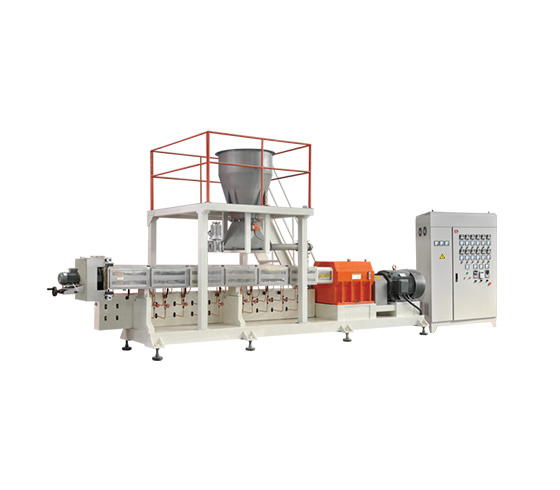
Grinding Equipment: Grinds raw materials into powder and mixes them uniformly, according to actual requirements.
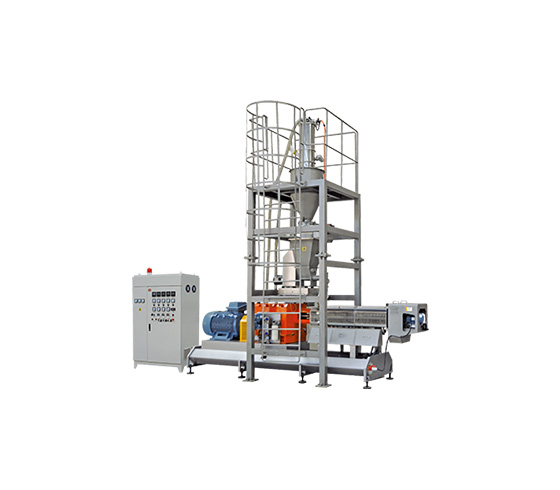
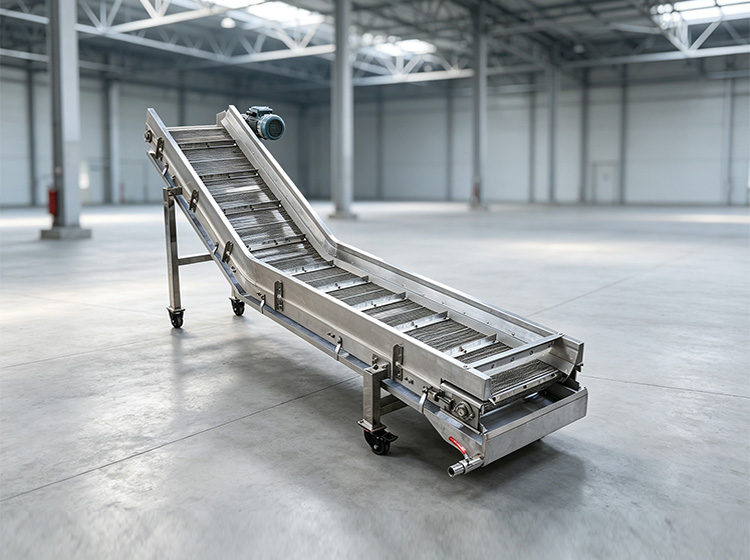
Screw Feeder: Uses screw or bucket-type conveying to feed materials, ensuring convenient and rapid feeding while minimizing secondary contamination caused by manual handling. Screw conveyors or bucket elevators can be selected based on production capacity.
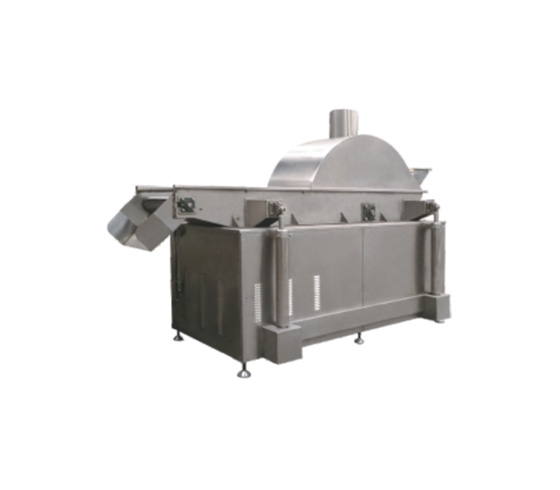
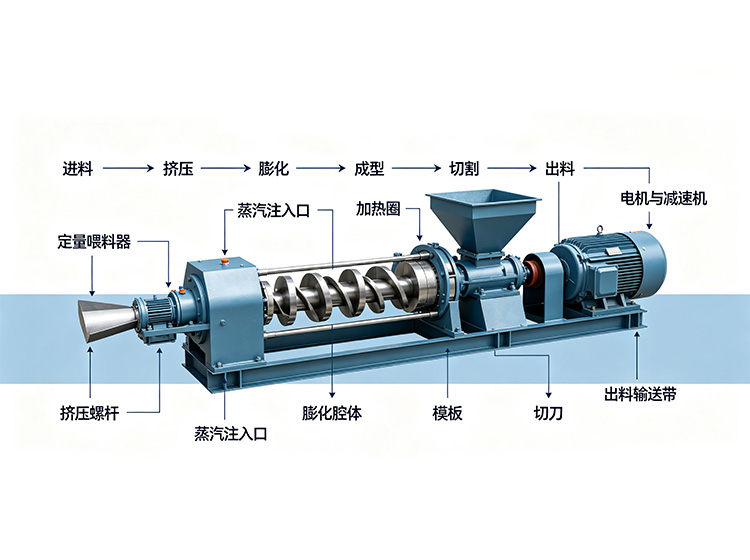
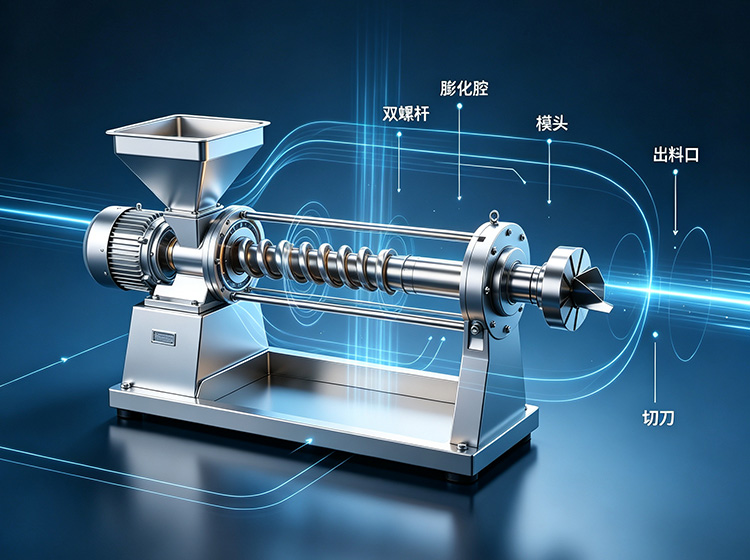
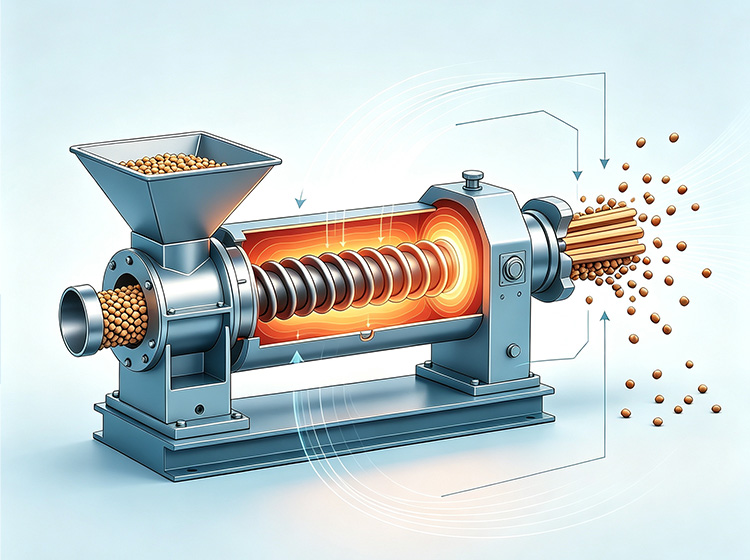
Twin-screw Extrusion Expander: Changdong Company currently offers extrusion expanders of various models for selection according to different production lines. Specific product shapes can be achieved by changing the die.
Pneumatic conveyor: conveys dog food to the dryer; the height of the pneumatic conveyor depends on the oven height or an optional elevator.
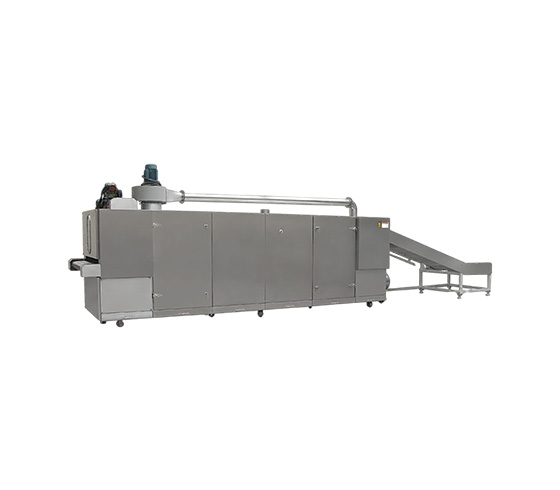
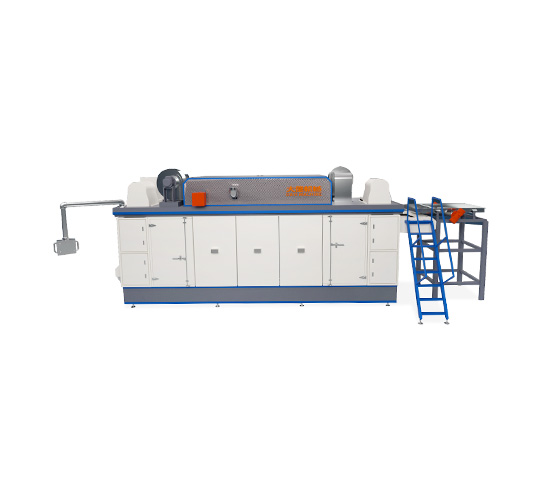
Multi-layer belt dryer: The dryer is available in electric oven, fuel-fired (steam) oven, and steam oven types, allowing selection based on production capacity and fuel availability. Temperature is adjustable from 0–200 °C via the control cabinet; the interior features stainless-steel double-layer mesh belts. Drying time is adjusted via frequency-variable speed control. Stainless-steel dryers are available in various configurations, including 3-layer, 5-layer, and 7-layer models.
Elevator: Transports material to the next process stage.
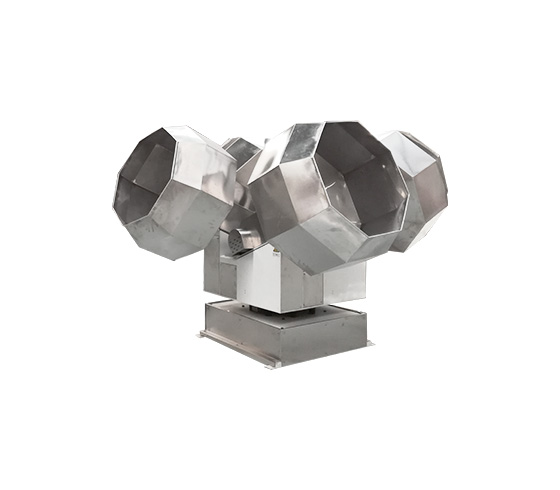
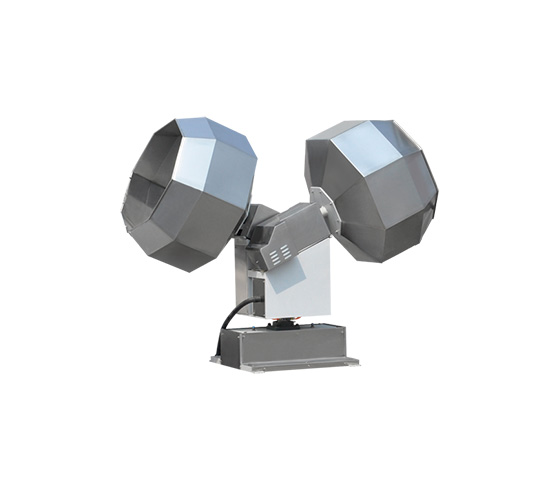
Seasoning Lines: Equipped with manual octagonal drums, liquid-spraying tumblers, lifting single-drum and double-drum seasoning lines, configured according to production capacity and product characteristics.
What conditions should be considered during implementation or selection?
First, clarify the product type, raw material condition, formulation direction, and expected finished product requirements. For projects involving extrusion, forming, drying, frying, conveying, flavoring, or packaging, the processing capacity and cycle time of each stage must be matched to avoid inconsistencies between the capacity of individual equipment and the overall line requirements.
Next, the installation plan should be evaluated in conjunction with workshop space, power supply, water supply, steam or gas utility conditions. Equipment configuration should also consider long-term operational factors such as cleaning, maintenance, safety protection, spare parts availability, and operator training. Where process parameters or equipment capabilities are mentioned in this document, they serve only as reference for preliminary discussion and initial assessment; specific model numbers, power ratings, production capacities, temperatures, and time settings shall be determined based on the formal technical proposal and confirmed through machine testing or on-site verification.
Frequently Asked Questions
Can the equipment be determined directly based on the standard configuration?
Not recommended. Different raw materials, product structures, target production capacities, and downstream processes affect equipment configuration. It is more reliable to first confirm the product and process conditions, then conduct a configuration assessment.
How can I obtain more targeted recommendations?
We recommend preparing product images or sample information, raw material and formulation details, target production capacity, existing workshop conditions, and planned downstream equipment configuration. Based on this information, Dayi Machinery can further discuss suitable process routes and equipment configuration options.
This article is compiled based on Dayi Machinery’s “Pet Food Production Line” documentation, intended to assist readers in understanding the relevant subject matter; for technical requirements pertaining to specific projects, refer to the actual product documentation and engineering confirmation results.