Features of Pet Food Machinery

Published:2026-07-18

Pet food machinery product features involve food processing and production equipment technology,Selection or operational management issues.Actual solutions should be based on raw material characteristics,Target product,Confirmed based on production scale and site conditions,Judgment cannot be made based solely on a single equipment parameter.

Core Features of Pet Food Machinery

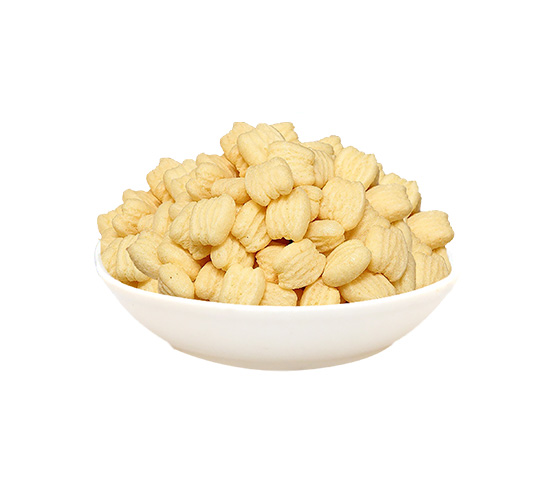
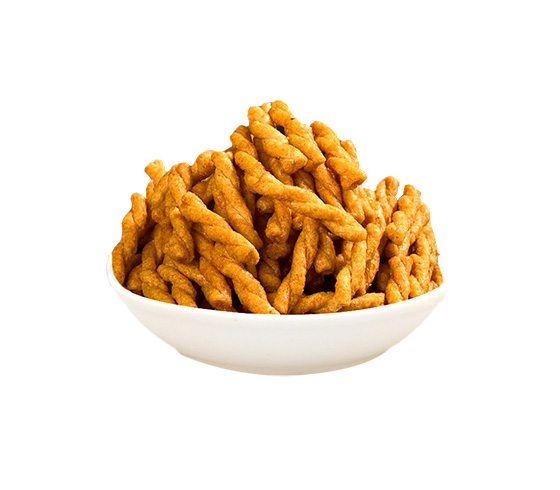
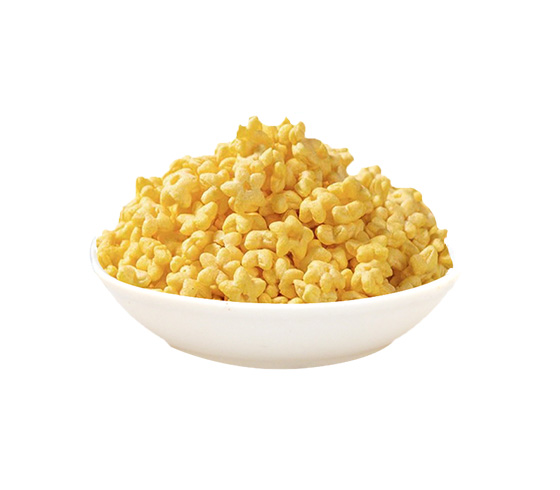
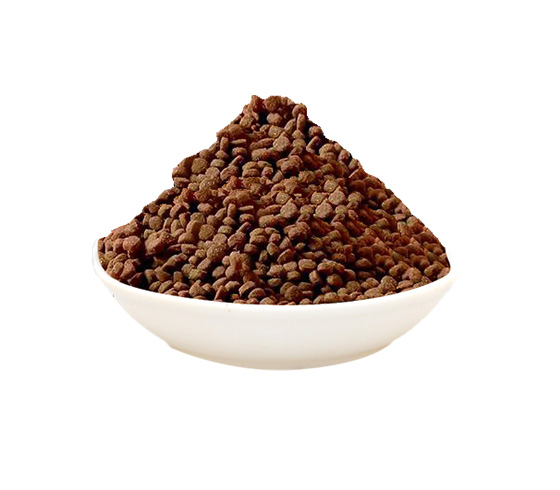
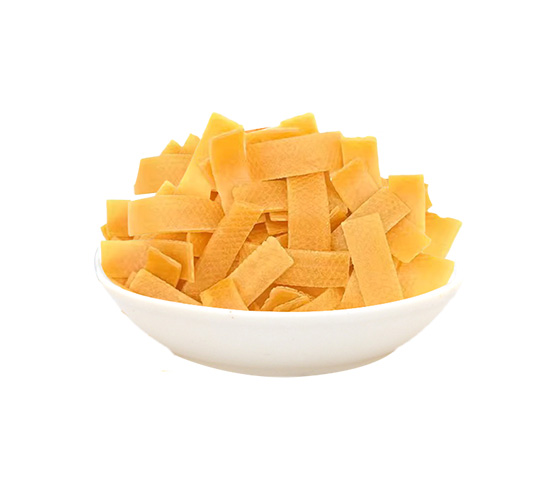
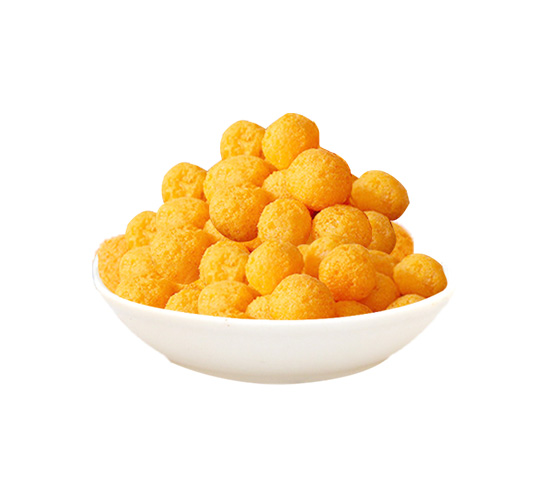
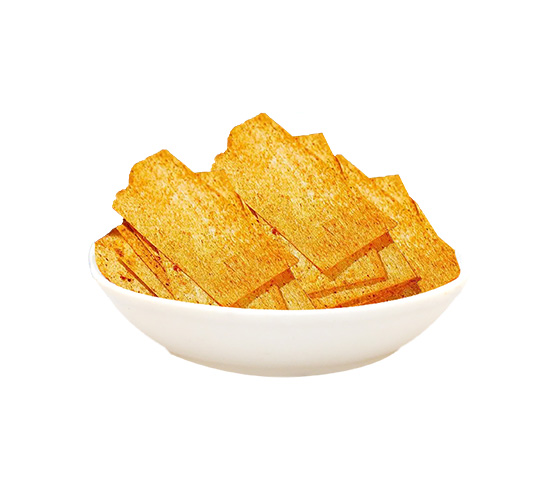
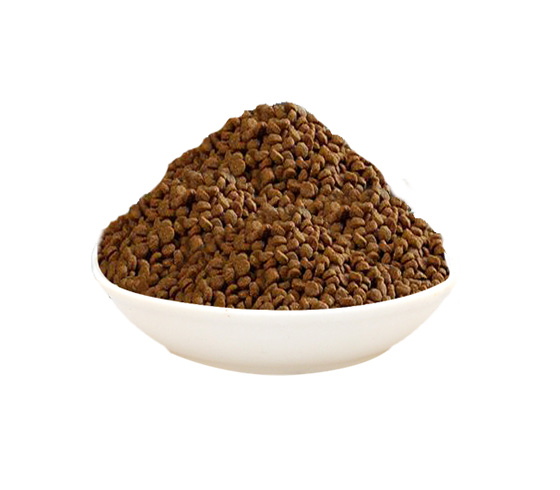
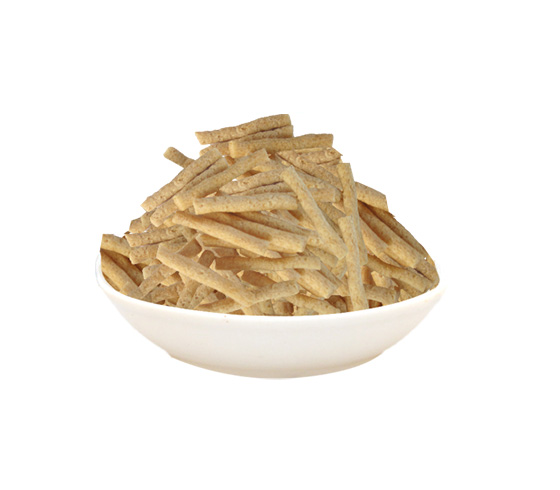
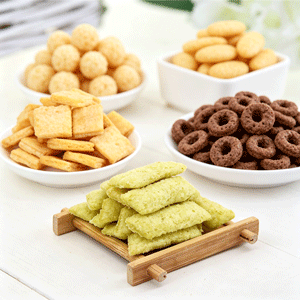
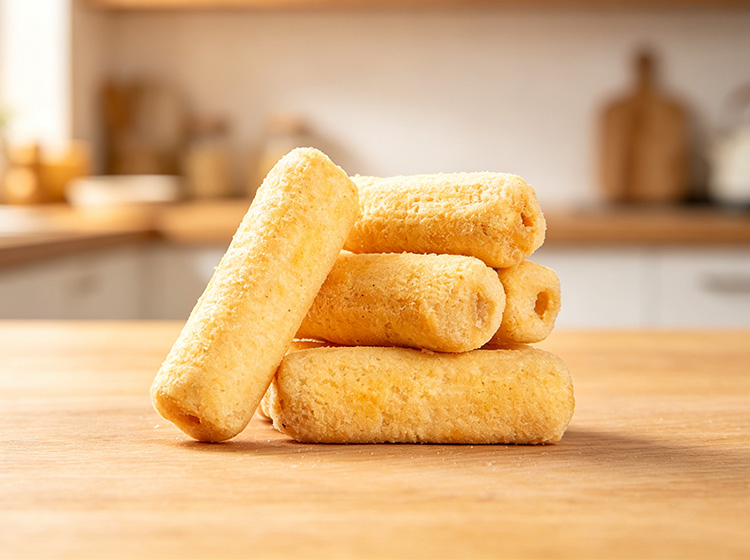
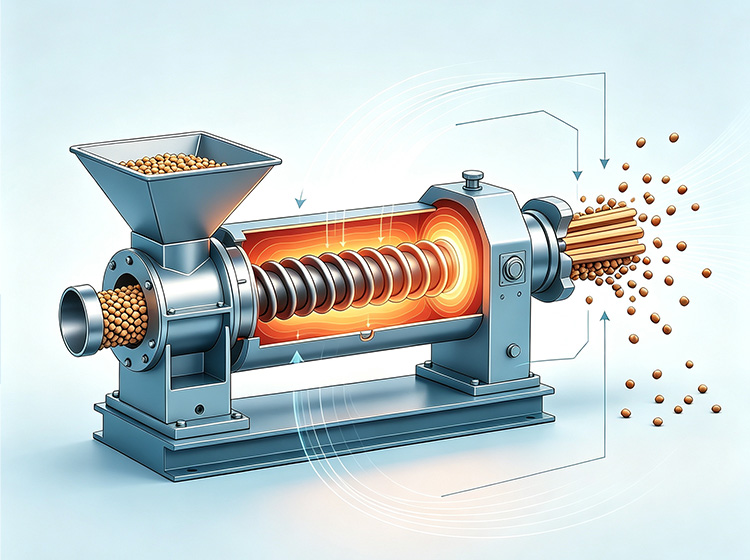
puffingfood with cereals,Legumes,using tubers and other materials as raw materials,Processed by pet food machinery.Exquisite product appearance,Nutrient-rich,Crispy and rich in flavor,and can produce multiple product types.Therefore,It has formed a unique food type,Also known as puffing food,Popcorn food,Lightweight food, etc.,is a new type of food developed internationally in recent years.Pet food machinery has a simple structure,Easy to operate,Low investment,Fast-acting,Rapid development and strong vitality.

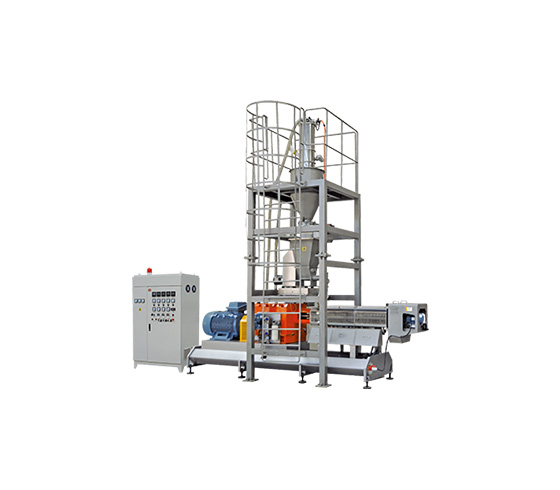
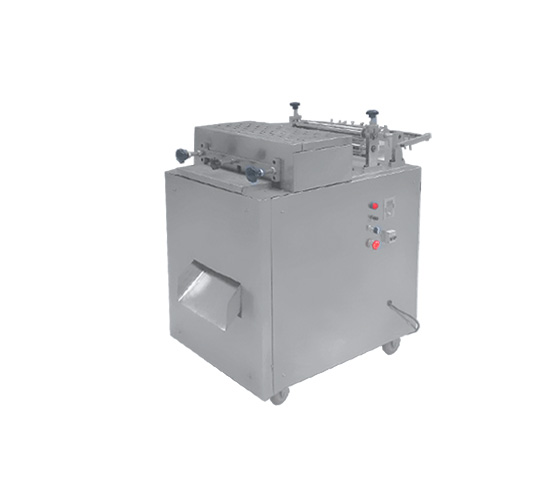
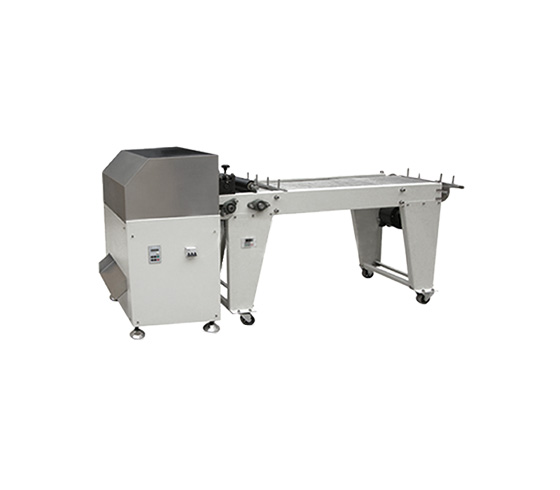
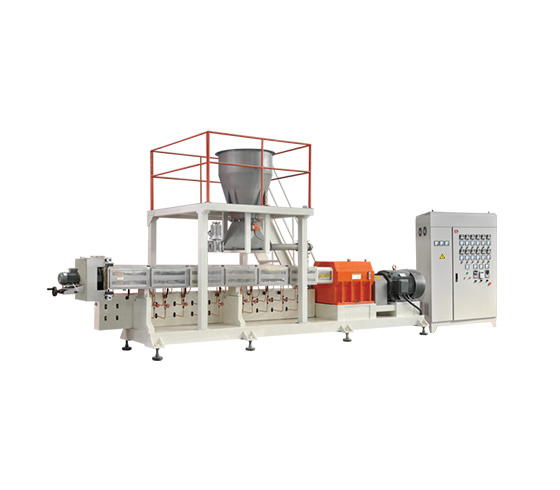
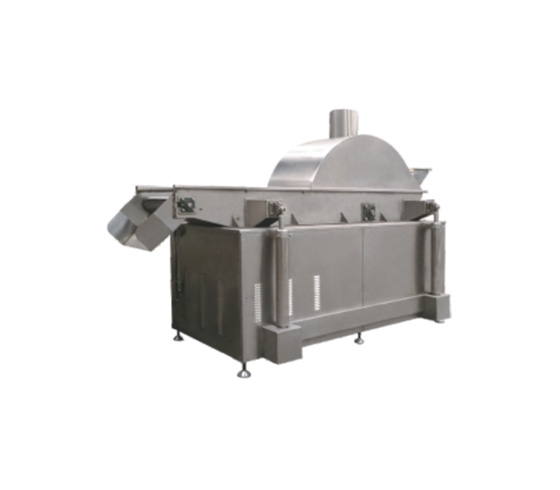
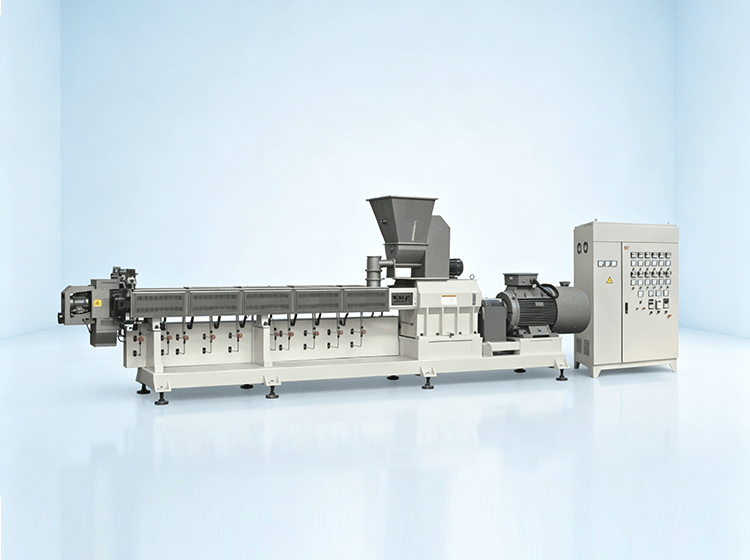
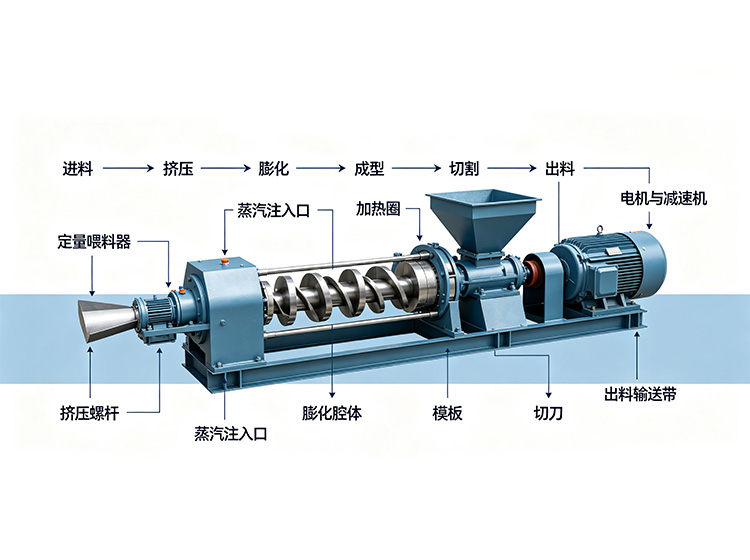
Depending on the application and equipment,Pet food machinery is primarily divided into three types of extrusion puffing machines.In addition to indirect heating extrusion puffing machines,This type of equipment is primarily used for grains,Food produced from beans or tubers.Its main features are as follows:

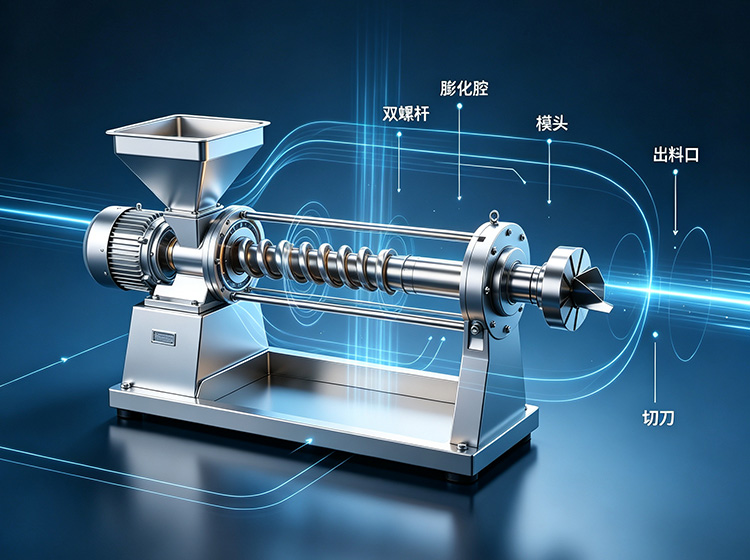
The main unit of the pet food machinery adopts advanced frequency conversion speed regulation technology.Makes the equipment more powerful,More stable operation,More energy-efficient.2. The screw is made of alloy steel and nitrided.Longer service life.Some equipment adopts a modular structure,Can be freely combined according to different requirements.3. Ensure the equipment’s transmission components have a longer service life.4. The visualized automatic temperature control system makes temperature control more intuitive.Parameter settings are more precise.5. Different screw configurations and L/D ratios meet various production process requirements.The twin-screw extrusion puffing machine used in the extrusion flavoring food production line has a wide range of applicable raw materials,Products come in diverse shapes,Flexible configuration.By selecting different models and configurations,It can produce a variety of different products.

Click to jump to pet food production line:

What conditions should be considered during implementation or selection?

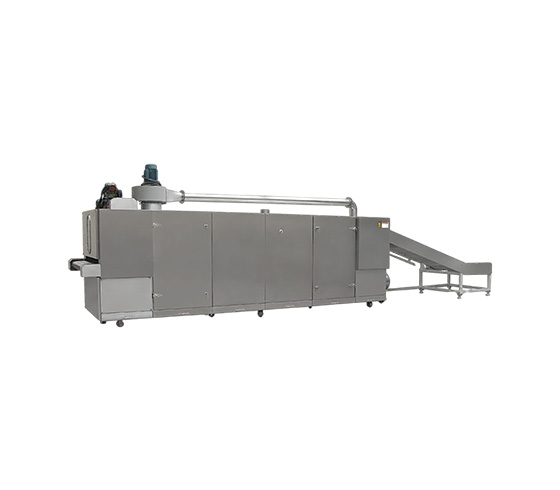
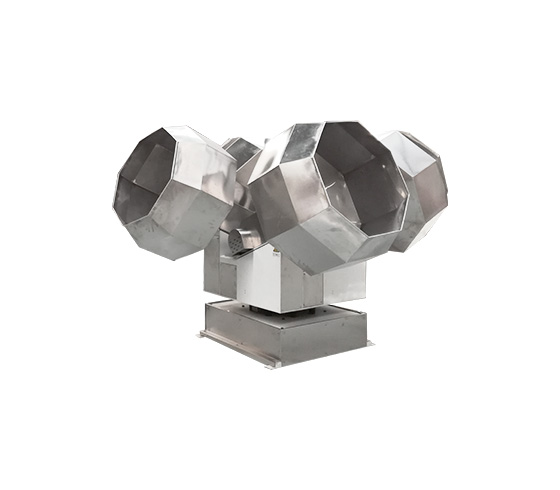
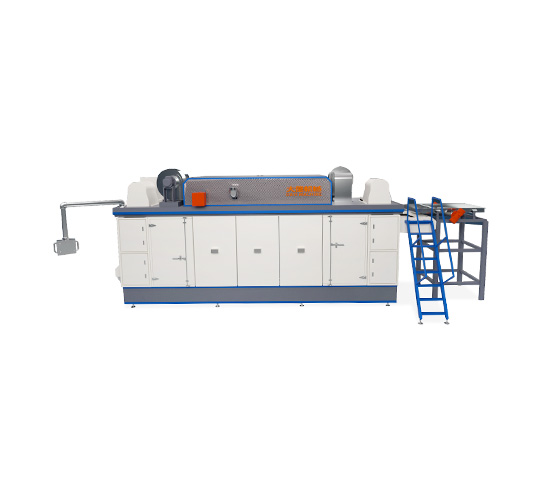
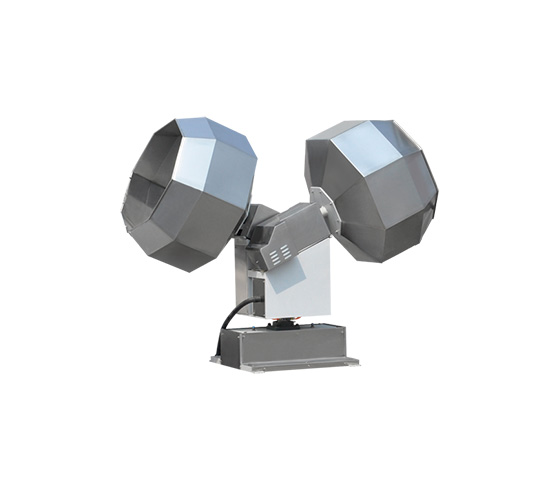
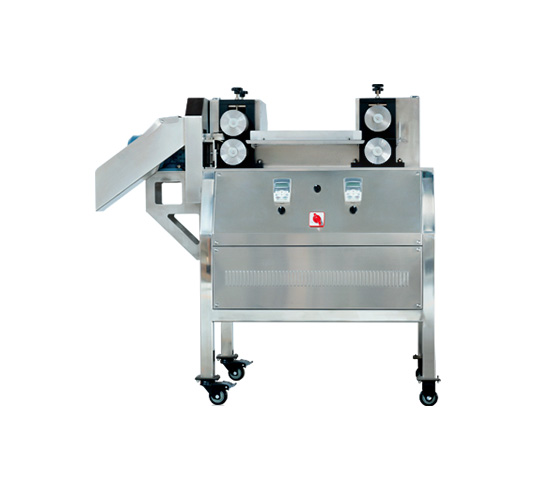
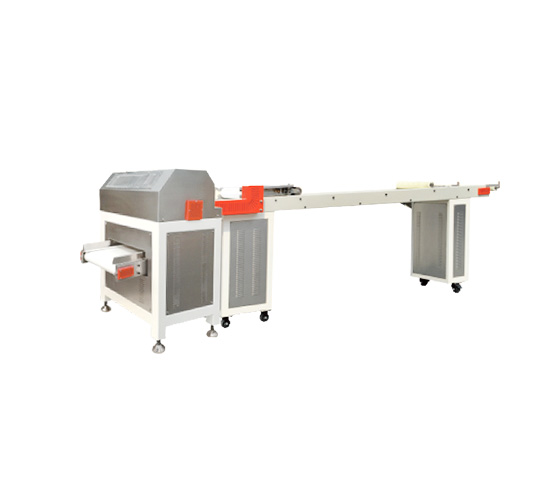
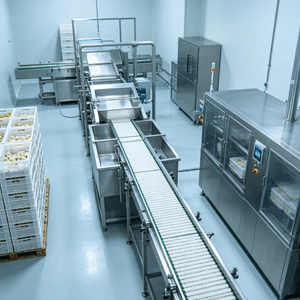
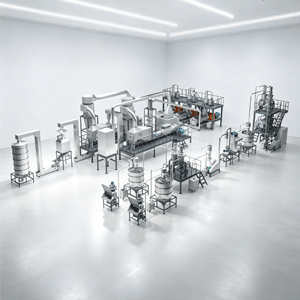
First, the product type should be clearly defined,Raw material state,Recipe direction and expected finished product requirements.For applications involving extrusion,Forming,Drying,Frying,Conveying,Items for seasoning or packaging,Processing capacity and cycle time at each stage must be matched.Avoid mismatch between the capacity of a single piece of equipment and the overall line requirements.

Secondly, the workshop space should be considered,Power supply,Water supply,Utility conditions assessment for installation, such as steam or gas.Equipment configuration should also consider cleaning,Maintenance,Safety protection,Long-term usage factors such as spare parts supply and operator training.If the text involves processes or equipment capabilities,For reference only in proposal discussions and preliminary assessments;Specific model,Power,Capacity,Temperature and time,The formal technical proposal and test-running or on-site verification results shall prevail.

FAQ

Can the equipment be finalized based on the standard configuration?

Not recommended.Different raw materials,Product structure,Target production capacity and downstream processes affect the equipment configuration.First, confirm the product and process conditions,It is safer to conduct a configuration assessment first.

How can I get more targeted advice?

We recommend preparing product images or sample information,Raw Materials and Recipe Direction,Target capacity,Existing workshop conditions and planned configuration of downstream equipment.Dayi Machinery can further communicate the applicable process route and equipment configuration range based on this.

This article is compiled based on the “Pet Food Machinery Product Features” document provided by Dayi Machinery.Aimed at helping readers understand the relevant topic;Technical requirements for specific projects,Subject to actual product specifications and engineering confirmation results.