Precautions for operating food extrusion puffing machines involve process, selection, or operational management issues related to food processing and production equipment.The actual solution should be confirmed based on raw material characteristics, target product specifications, production scale, and on-site conditions, and should not be determined solely by single equipment parameters.
Key Points for Operating Food Extrusion Puffing Machines
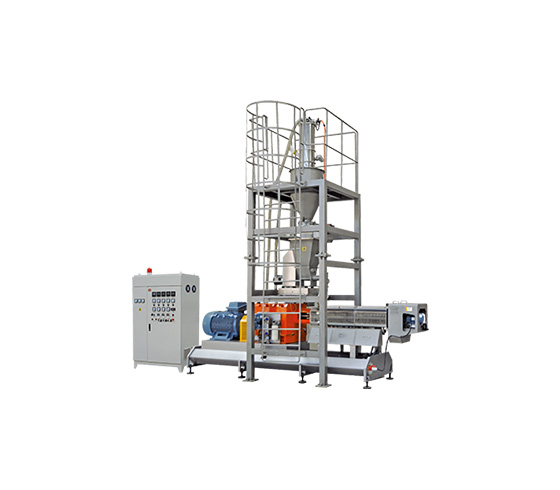
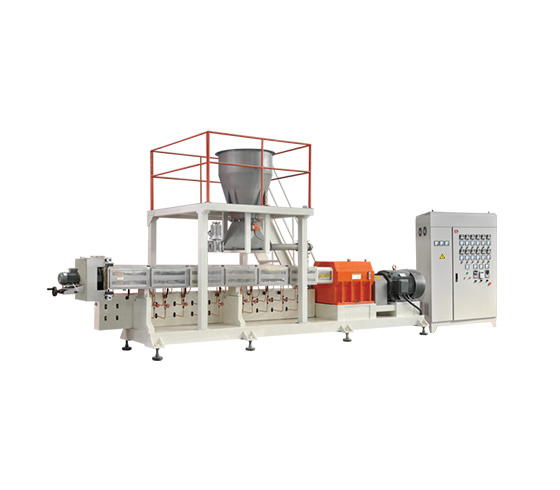
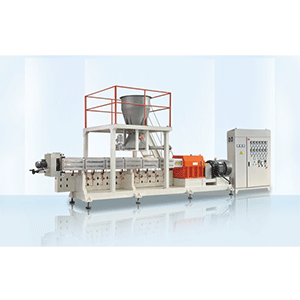
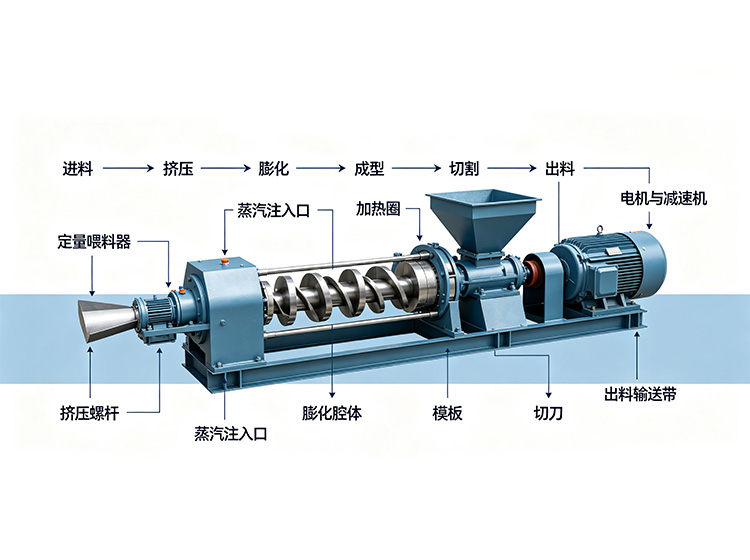
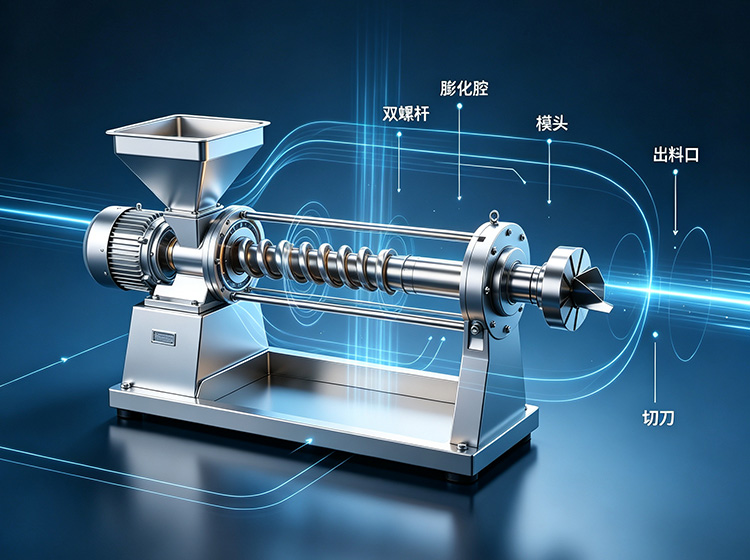
As food processing equipment, food extrusion puffing machines have many precautions to observe during use.For example, before starting operation, the head, transmission components, and screw must be disassembled, and all food residue and oil stains on the machine must be thoroughly cleaned before reassembly.Only in this way can the material achieve the required state and quality.So, what should we pay attention to during the operation of extrusion equipment in Jinan?
The following precautions should be observed during the operation of the extrusion puffing machine:
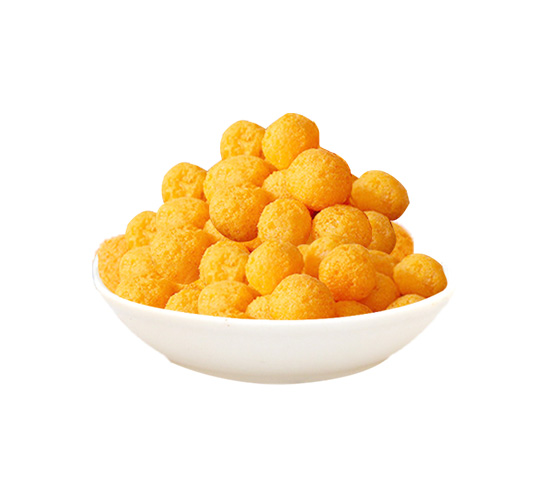
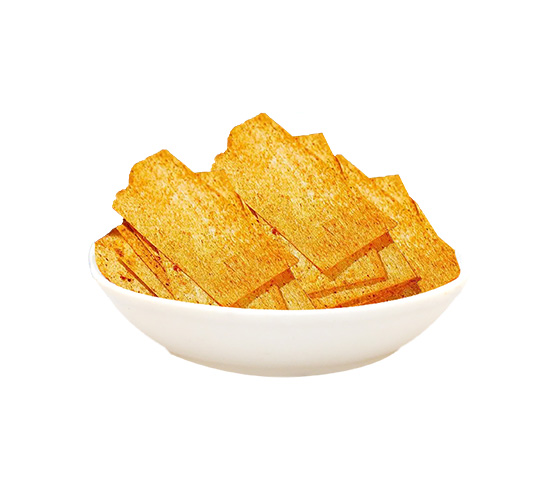
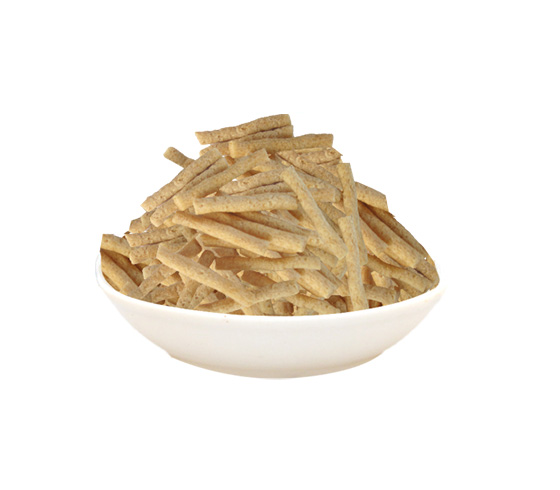
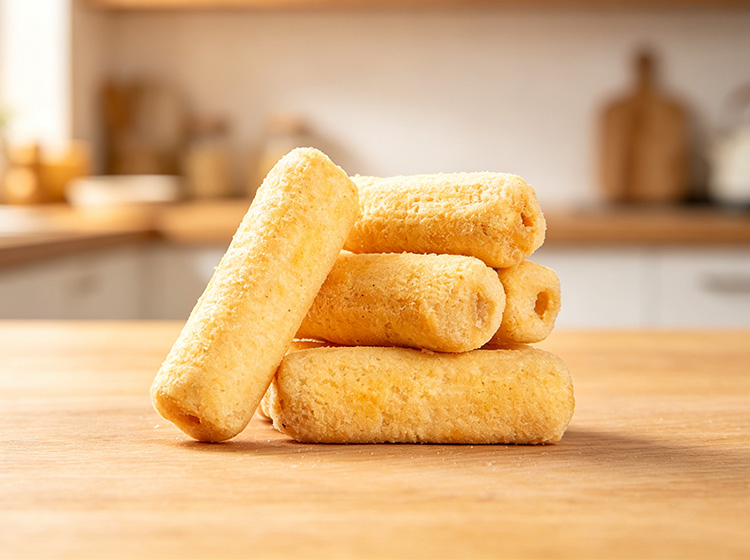
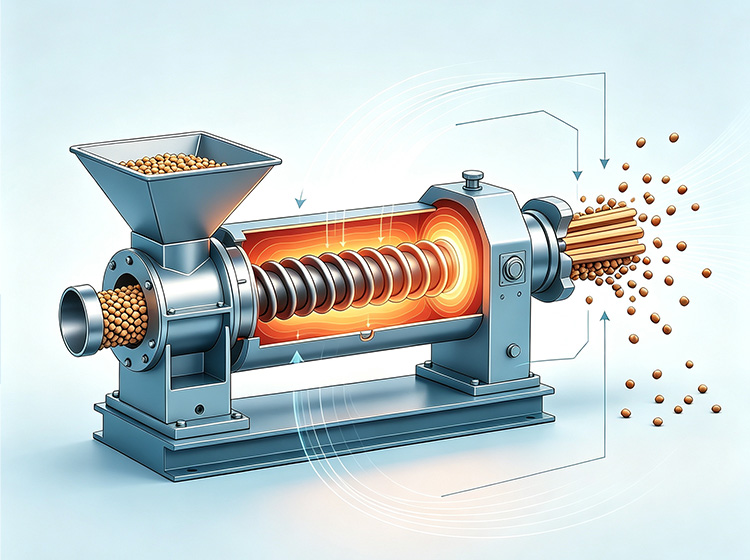
Primarily produces snack foods using corn and potatoes as raw materials.2. Produce textured protein foods (meat analogs) using plant proteins as raw materials.3. Using grains, legumes, or potatoes as raw materials, the main food is produced through extrusion.In addition to indirect-heating extruders, refined grain extrudate can be used to develop a variety of extruded snacks.4. When in use, start the machine and let it run for 1-2 minutes, then slowly add the raw materials into the feeding port.When approximately one batch of raw material fills the annular groove at the screw shaft head, stop feeding and perform friction preheating.Resume feeding when the die head temperature rises, the pressure inside the chamber increases, and material begins to exit through the die holes.Since the machine chamber has not yet reached normal temperature and pressure at this stage, the feed rate should be gradually and slowly increased.5. When a blockage is detected in the screw channel of the extrusion puffing machine, do not stop the machine immediately.Stop feeding first, allow the machine to continue running for a period of time, and then shut it down when a burnt smell is detected.This prevents the mold and screw bushing from seizing.If the mold and screw sleeve are seized and cannot be disassembled, do not strike them forcefully. Instead, remove them from the machine body and heat them in a fire for a short while to facilitate easy disassembly.After completing the operation, stop feeding and allow the machine to run empty for 1 minute to ensure all material is discharged before shutting down.
Subsequently, while still hot, disassemble the mold and screw sleeve, eject the screw shaft, remove any residue from the extrusion puffing machine, and clear the die holes in preparation for the next use.6. After completing the operation, stop feeding and allow the machine to run empty for 1 minute to ensure all material is discharged before shutting down.Then, while still hot, disassemble the mold and screw sleeve, eject the screw shaft, remove any residual material from the machine, and clear the die holes in preparation for reuse.Note: Wear gloves during disassembly to prevent burns.
What conditions should be considered during implementation or selection?
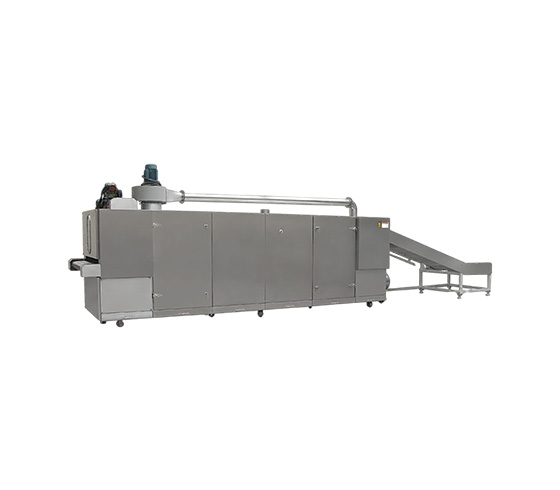
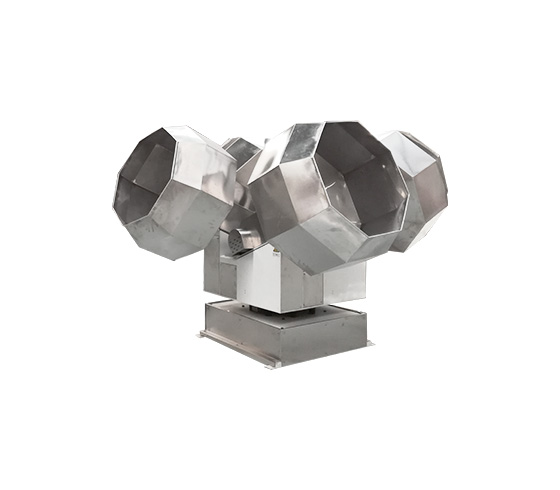
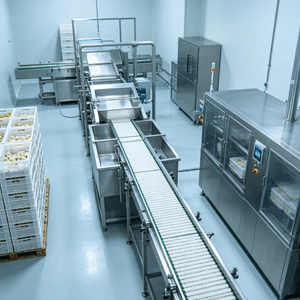
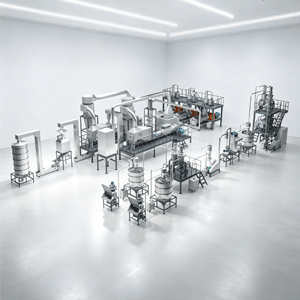
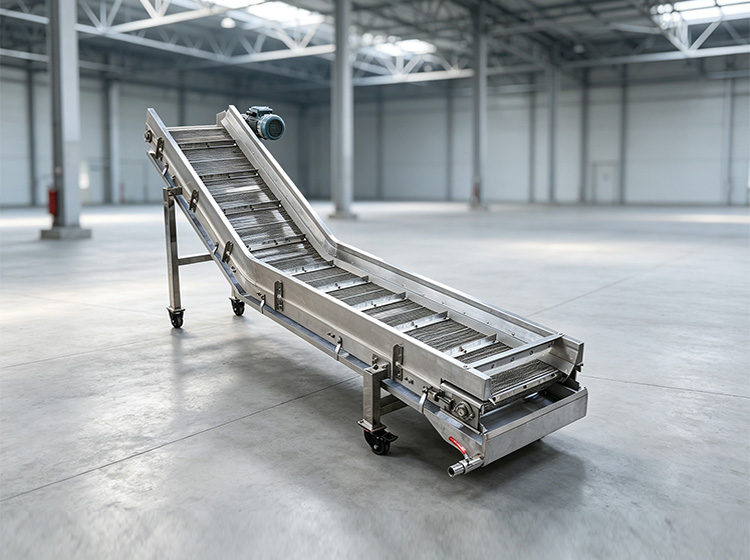
First, it is essential to clarify the product type, raw material state, formulation direction, and expected finished product requirements.For projects involving extrusion, forming, drying, frying, conveying, seasoning, or packaging, the processing capacity and cycle time of each stage must be matched to avoid discrepancies between individual equipment capacity and the overall line requirements.
Secondly, the installation plan should be evaluated in conjunction with the workshop's spatial layout and utility conditions, including power supply, water supply, steam, or gas.Equipment configuration should also take into account long-term operational factors such as cleaning, maintenance, safety protection, spare parts supply, and operator training.Any process or equipment capabilities mentioned in this document are for reference only in the context of solution discussions and preliminary assessments.Specific model numbers, power ratings, production capacities, temperatures, and times shall be subject to the formal technical proposal and the results of trial runs or on-site verification.
Frequently Asked Questions
Can the equipment be determined directly based on the standard configuration?
Not recommended.Different raw materials, product structures, target production capacities, and downstream processes can affect the equipment configuration.It is more prudent to confirm the product and process conditions before proceeding with the configuration assessment.
How to obtain more targeted advice?
It is recommended to prepare product images or sample information, raw material and formulation guidelines, target production capacity, existing workshop conditions, and planned downstream equipment configurations.Dayi Machinery can further discuss the applicable process routes and equipment configuration options based on this.
This article is compiled based on the "Precautions for Operating Food Extrusion Puffing Machines" provided by Dayi Machinery, with the aim of helping readers understand the relevant topics.For technical requirements related to specific projects, please refer to the actual product documentation and engineering confirmation results.