Food Production Line Process Design

Published:2026-07-18

The process design of food production lines involves process, equipment selection, or operational management issues related to food processing and production equipment.The actual solution should be confirmed based on raw material characteristics, target product specifications, production scale, and on-site conditions, and should not be determined solely by single equipment parameters.

Key Points in the Process Design of Food Production Lines

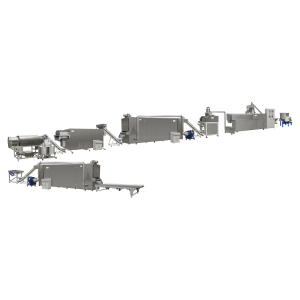
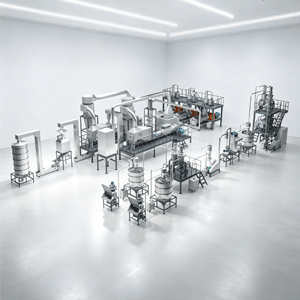
The design of the production process is an integral part of the process design.The selection of advanced and rational process flows, along with proper design, will significantly impact product quality, production costs, capacity, and operating conditions after the food plant is completed and put into operation.Process design refers to the design of the entire production process from raw materials to finished products.It organically integrates the production process and equipment based on the characteristics of raw materials and finished product requirements, and intuitively reflects the entire process of food production, from raw material input to product output, through a process flow diagram.Its content covers changes in materials and energy, material flow directions, the production process flow, and the equipment and instruments used.Therefore, the main tasks of process design include two aspects: first, to determine the specific content, sequence, and combination of each process step in the production process, in order to achieve the goal of producing the required product from raw materials;Second, prepare a process flow diagram that visually represents the changes in material and energy, their flow directions, and the production processes and equipment used as raw materials pass through each unit operation to produce the final product. Additionally, the diagram should illustrate the piping layout and the metering and control processes.

A process flow diagram is a graphical representation that organically integrates various production units according to specific objectives and requirements to form a complete production process.Process flow diagrams come in various types, all of which are used to represent production processes.Due to their different applications, they vary in content, focus, and depth, but these drawings are closely related.

Material Flow Diagram

The material flow diagram (BOM) is a chart-based representation used to reflect the results of design calculations.It can be used to provide audit information, serve as a basis for subsequent design, and offer reference for future production operations.

What conditions should be considered during implementation or selection?

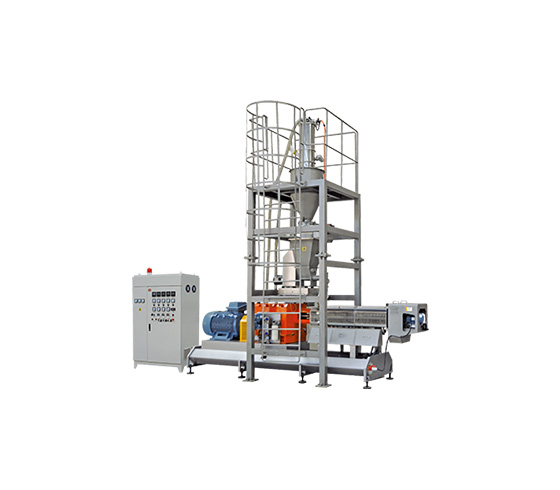
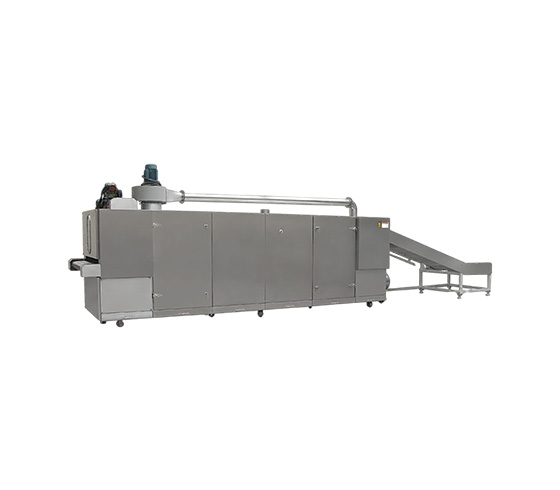
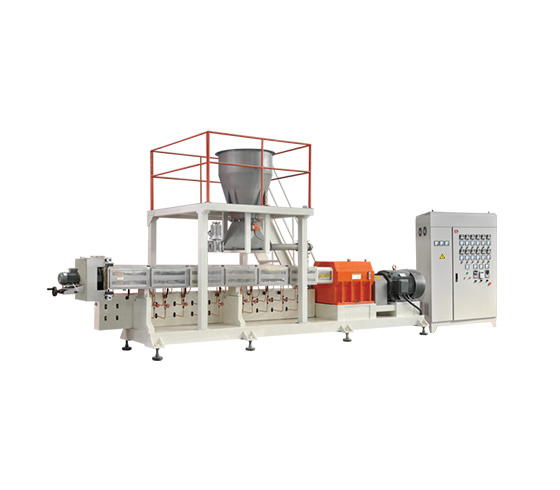
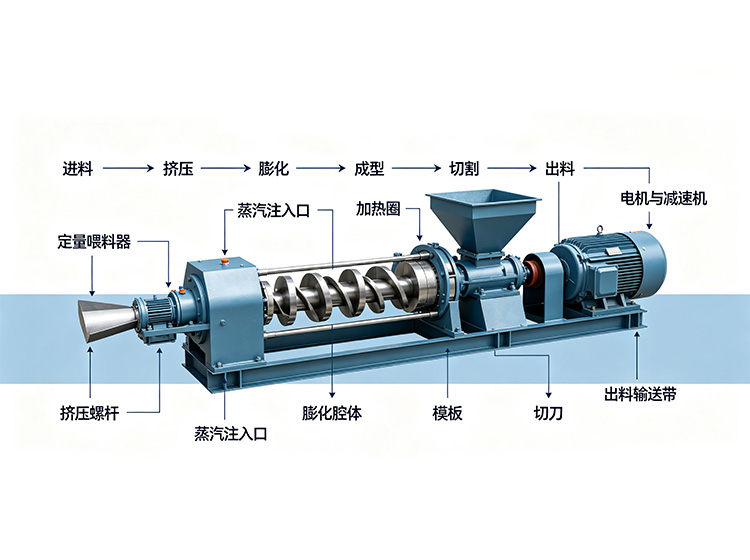
First, it is essential to clarify the product type, raw material state, formulation direction, and expected finished product requirements.For projects involving extrusion, forming, drying, frying, conveying, seasoning, or packaging, the processing capacity and cycle time of each stage must be matched to avoid discrepancies between individual equipment capacity and the overall line requirements.

Secondly, the installation plan should be evaluated in conjunction with the workshop's spatial layout and utility conditions, including power supply, water supply, steam, or gas.Equipment configuration should also take into account long-term operational factors such as cleaning, maintenance, safety protection, spare parts supply, and operator training.Any process or equipment capabilities mentioned in this document are for reference only in the context of solution discussions and preliminary assessments.Specific model numbers, power ratings, production capacities, temperatures, and times shall be subject to the formal technical proposal and the results of trial runs or on-site verification.

Frequently Asked Questions

Can the equipment be determined directly based on the standard configuration?

Not recommended.Different raw materials, product structures, target production capacities, and downstream processes can affect the equipment configuration.It is more prudent to confirm the product and process conditions before proceeding with the configuration assessment.

How to obtain more targeted advice?

It is recommended to prepare product images or sample information, raw material and formulation guidelines, target production capacity, existing workshop conditions, and planned downstream equipment configurations.Dayi Machinery can further discuss the applicable process routes and equipment configuration options based on this.

This article is compiled based on the "Food Production Line Process Design" materials provided by Dayi Machinery, with the aim of helping readers understand the relevant topics.For technical requirements related to specific projects, please refer to the actual product documentation and engineering confirmation results.