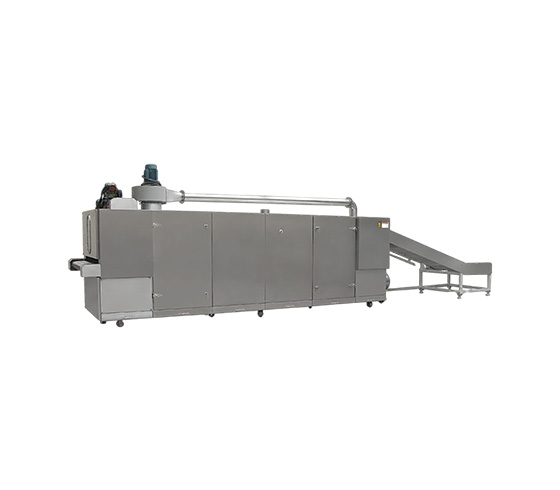
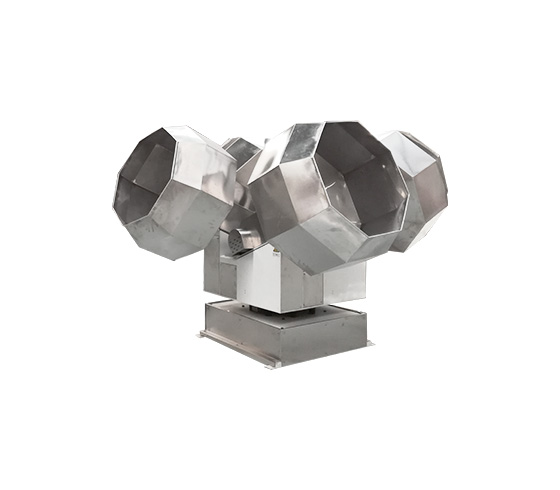
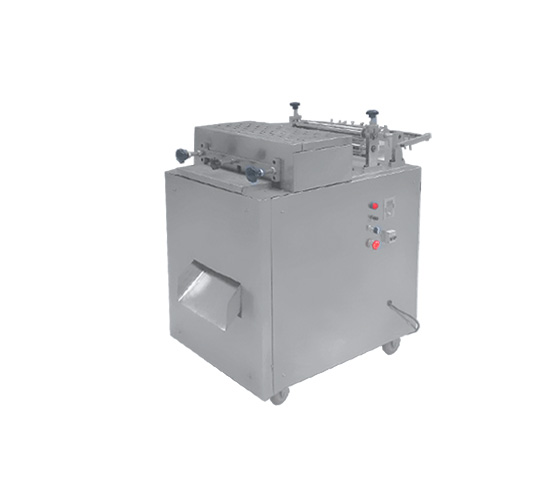
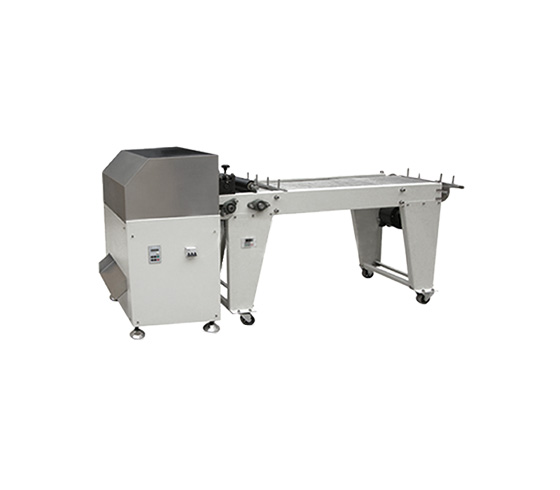
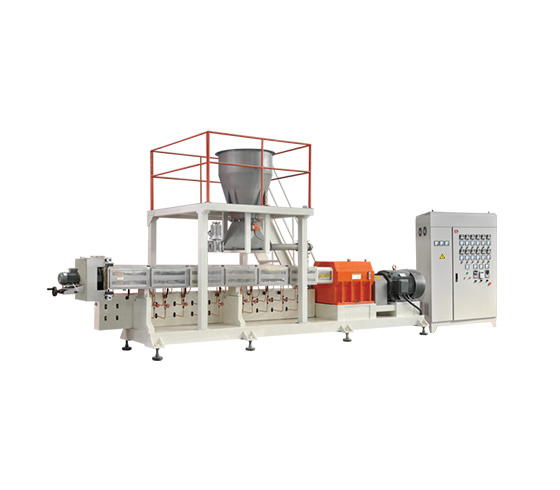
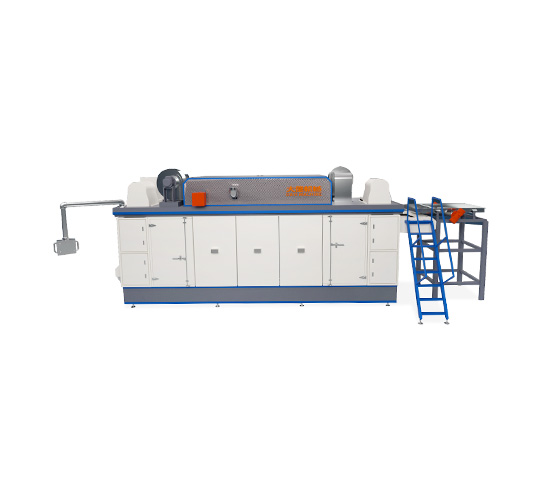
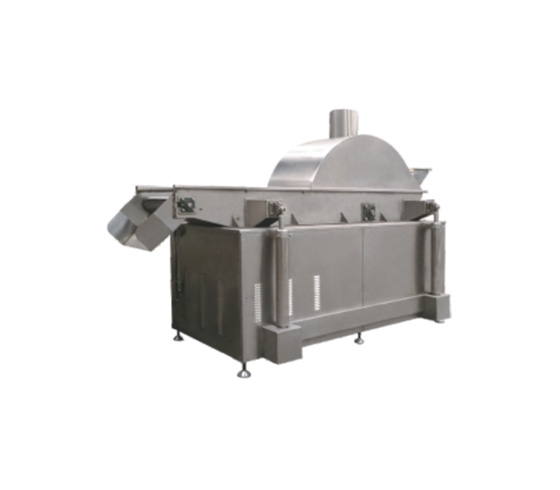
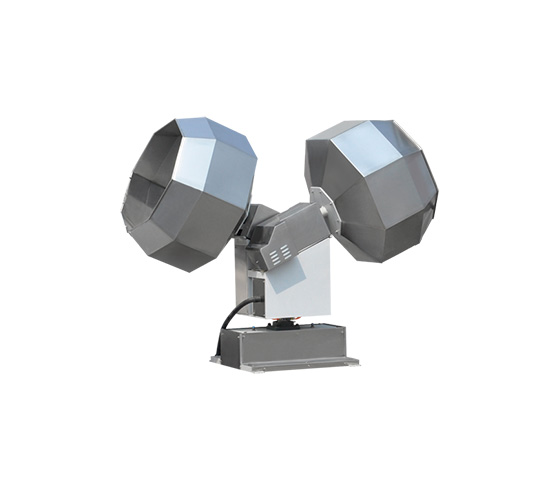
The growing demand for food machinery involves process, selection, or operational management issues related to food processing and production equipment.The actual solution should be confirmed based on raw material characteristics, target product specifications, production scale, and on-site conditions, and should not be determined solely by single equipment parameters.
Key Points Driving the Sustained Growth in Demand for Food Machinery
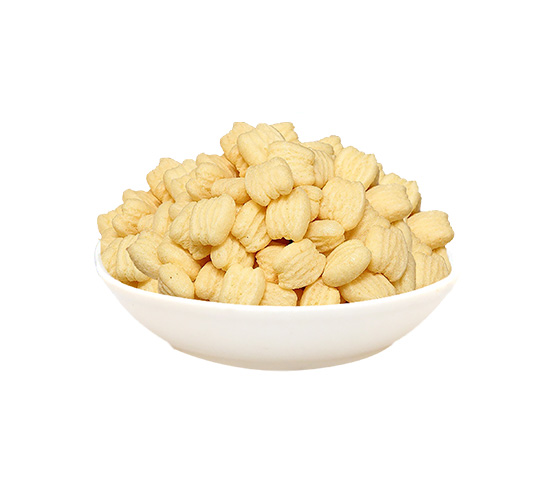
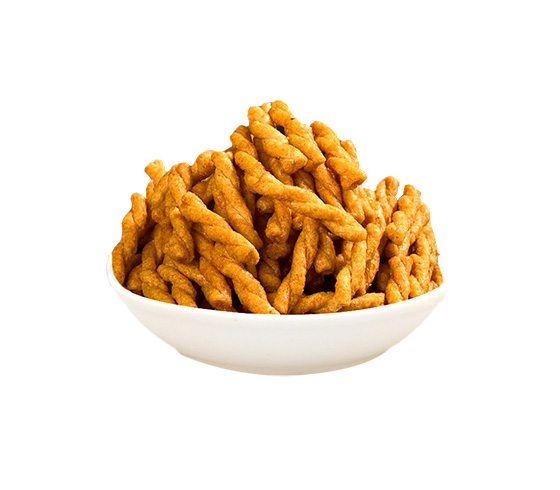
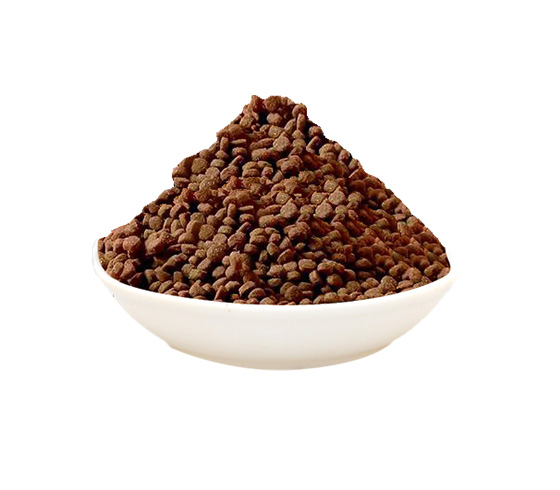
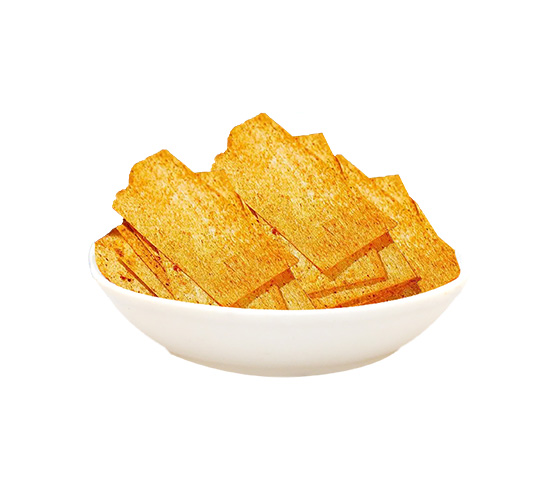
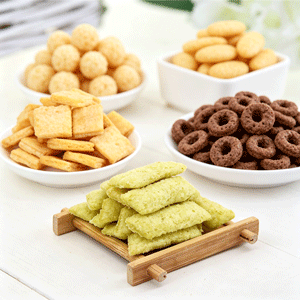
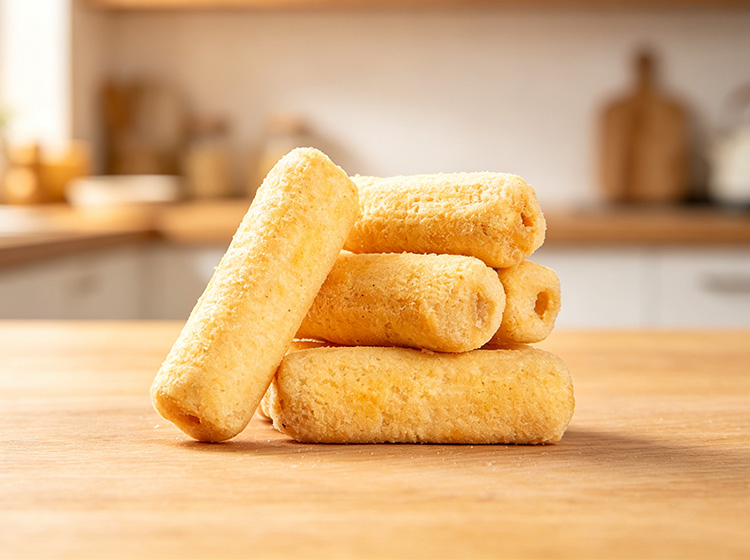
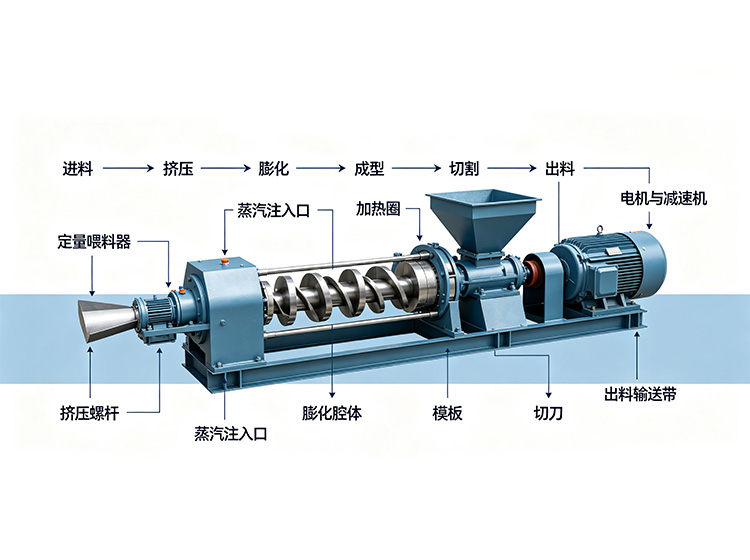
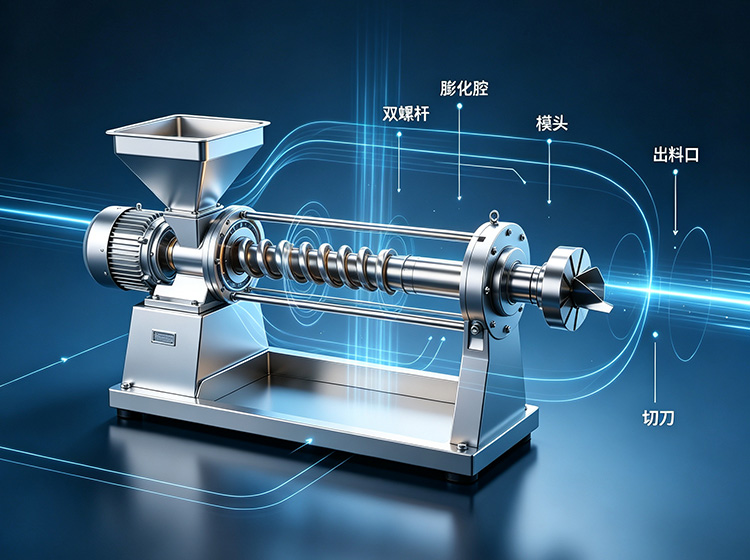
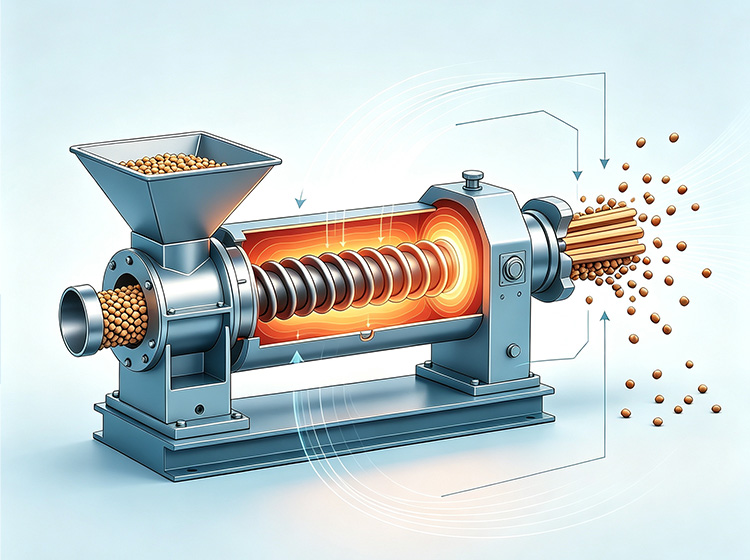
Snacking on seeds, potato chips, beef jerky, dried fruits, and other leisure foods during breaks has become a delightful pastime.As living standards improve and the variety of food products continues to expand, the market share of snack foods has been steadily growing.At the same time, the market demand for snack food processing equipment such as food packaging machines, vacuum packaging machines, soy product processing equipment, extrusion puffing machines, frying machines, and pastry machines is also continuously rising.
In recent years, the annual demand for snack foods has exceeded RMB 100 billion, with the market size growing exponentially and the consumer market expanding rapidly at an annual growth rate of approximately 25%.There are already over 100,000 registered snack food enterprises.These data indicate that snack food companies have significant potential for development and ample room for survival in the future.
Currently, the snack food market exhibits the following characteristics: a large number of enterprises, but they are small in scale and fragmented;Low industry concentration;In terms of production technology, new product development, and channel building, domestic enterprises lag behind foreign brands and struggle to keep pace with market development, with most concentrated in the low-end snack food market.The mid-to-high-end snack food market is dominated by foreign-invested enterprises, which hold an absolute advantage in the snack food sector.
From the perspective of product development trends, there is a clear trend toward category segmentation and flavor diversification.The original food consumption pattern, primarily focused on basic sustenance, is shifting toward flavor-oriented, nutrition-focused, enjoyment-driven, and even functional food consumption.In the vast consumer market, there is still significant room for innovation in China's snack food sector, with many categories requiring further segmentation.Traditional, labor-intensive, workshop-style snack production will gradually fade from consumers' view, giving way to an increasing variety of categories and flavors.Modern technology and production techniques will fully unleash the market vitality of China's snack food industry.
Consumers' demands are becoming increasingly diverse and personalized, with particularly high standards for food flavor.Single snack products can no longer meet the needs of a broad consumer base.Snack food companies should, based on a thorough understanding of consumers' purchasing needs, further segment their target consumer groups and keep pace with the differentiated needs of various consumers.
Furthermore, obesity issues caused by poor dietary habits, excessive consumption of high-calorie, high-fat foods, and insufficient physical activity—particularly childhood obesity—have become a focal point for urban families, and the relationship between snack foods and obesity is receiving increasing attention.Therefore, the development of healthy and functional foods will be the mainstream trend in the future snack food market.
What conditions should be considered during implementation or selection?
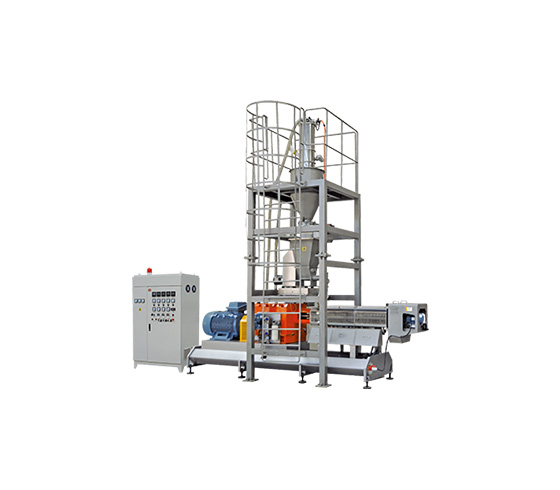
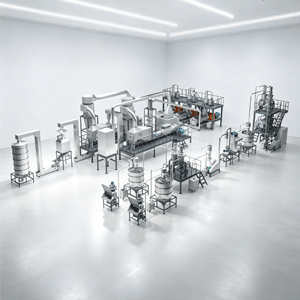
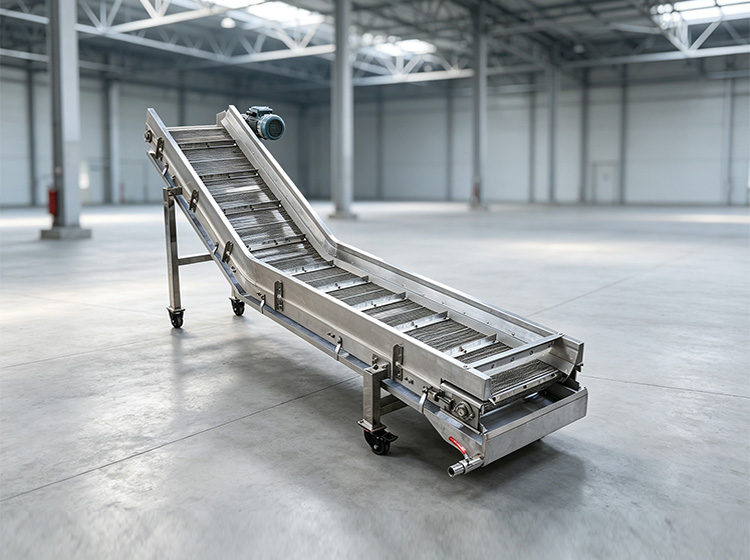
First, it is essential to clarify the product type, raw material state, formulation direction, and expected finished product requirements.For projects involving extrusion, forming, drying, frying, conveying, seasoning, or packaging, the processing capacity and cycle time of each stage must be matched to avoid discrepancies between individual equipment capacity and the overall line requirements.
Secondly, the installation plan should be evaluated in conjunction with the workshop's spatial layout and utility conditions, including power supply, water supply, steam, or gas.Equipment configuration should also take into account long-term operational factors such as cleaning, maintenance, safety protection, spare parts supply, and operator training.Any process or equipment capabilities mentioned in this document are for reference only in the context of solution discussions and preliminary assessments.Specific model numbers, power ratings, production capacities, temperatures, and times shall be subject to the formal technical proposal and the results of trial runs or on-site verification.
Frequently Asked Questions
Can the equipment be determined directly based on the standard configuration?
Not recommended.Different raw materials, product structures, target production capacities, and downstream processes can affect the equipment configuration.It is more prudent to confirm the product and process conditions before proceeding with the configuration assessment.
How to obtain more targeted advice?
It is recommended to prepare product images or sample information, raw material and formulation guidelines, target production capacity, existing workshop conditions, and planned downstream equipment configurations.Dayi Machinery can further discuss the applicable process routes and equipment configuration options based on this.
This article is compiled based on the information provided by Dayi Machinery, titled “Growing Demand for Food Machinery,” with the aim of helping readers understand the relevant topics.For technical requirements related to specific projects, please refer to the actual product documentation and engineering confirmation results.