Food Production Lines vs. Manual Production

Published:2026-07-18

The differences between food production lines and manual production involve issues related to the processes, equipment selection, and operational management of food processing and production equipment.The actual solution should be confirmed based on raw material characteristics, target product specifications, production scale, and on-site conditions, and should not be determined solely by single equipment parameters.

Key Differences Between Food Production Lines and Handmade Production

The biggest difference between handmade food and production-line food lies in food safety supervision.The production line for food products features a comprehensive regulatory system that ensures safety across all stages, including hygienic conditions in food production, sourcing channels and quality of raw materials, safety of packaging materials, and transportation conditions.In contrast, purely handmade foods are in a “free-range” state, lacking effective regulation.

It’s like hailing a ride: would you choose a licensed, experienced driver or an unlicensed novice?Even if you trust the latter, consider where to file a complaint and seek compensation in the event of a car accident.In fact, without regulatory and testing data, you cannot be 100% certain whether harmful chemical substances have been added to food purchased online.

Handmade food may sound appealing, but it carries significant potential safety risks: milk from private dairy cows, eggs from home-raised chickens, oil pressed in private workshops, homemade snacks, jams and fruit juices, and private catering meals... While these items may seem to embody “craftsmanship,” they pose substantial safety hazards.We believe that every food producer’s original intention is “for your own good,” but the bacteria, molds, parasites, and various chemical reactions that cause food spoilage do not respond to “human considerations.”Any slight oversight in management can lead to problems.For example, meals prepared at home can sometimes cause vomiting and diarrhea. This does not indicate that your family members are treating you poorly, but rather that they have not adhered to relevant food safety management principles.Therefore, relying solely on emotion without relevant knowledge and technology, and without a rigorous management system, cannot guarantee the absolute safety of food production, especially in large-scale manufacturing.You might say, don't those heavily regulated large enterprises also frequently experience food safety incidents?It's better to trust those around you.

Food production is a complex process, and each stage can lead to food safety issues.Large enterprises produce a high volume of food batches daily, and even with regulatory oversight, issues are inevitable.Moreover, even if those around you are currently using genuine ingredients, can you guarantee that they will remain fully compliant with regulations once they scale up?Assume you are the owner of a private grocery store, where hundreds of products have accumulated due to the pandemic and cannot be sold within their shelf life.What would you do?Would you rather discard goods worth thousands of dollars, or tamper with the expiration date to sell them at a reduced price?Many long-established Japanese companies have been embroiled in scandals involving the falsification of product expiration dates.

I do not oppose the online sale of homemade food; I simply hope that these products are brought under regulatory, training, management, and random inspection systems, rather than merely using the labels of “natural,” “handmade,” and “traditional craftsmanship” to induce consumers to purchase them.Since you have entered the industry, you should abide by its basic rules and ensure professionalism, safety, standardization, and compliance with the law.

Given the current regulatory landscape for handmade foods in the food manufacturing industry, I am more inclined to trust products from food production lines.In summary, only when consumers develop awareness of food safety regulation and rights protection can the path toward food safety become increasingly broad.

What conditions should be considered during implementation or selection?

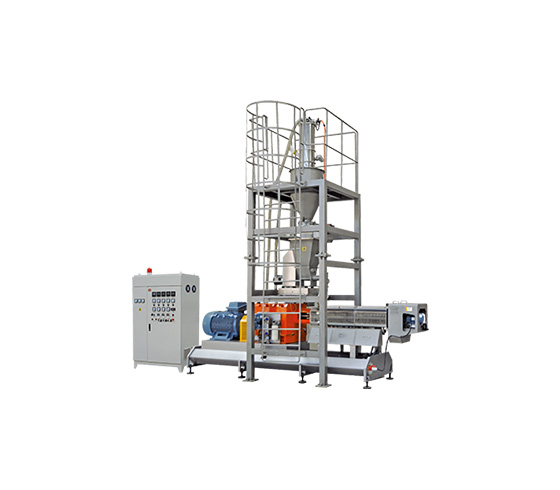
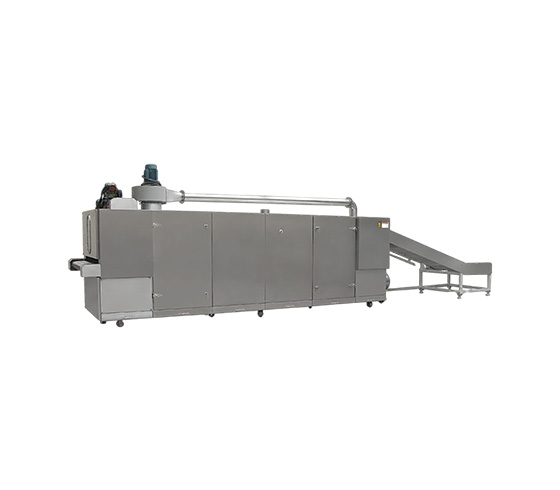
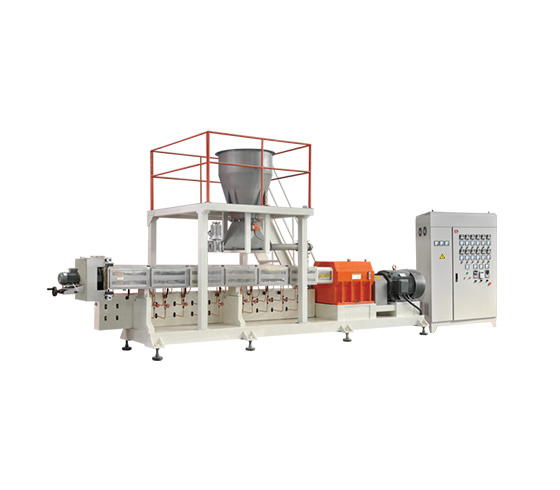
First, it is essential to clarify the product type, raw material state, formulation direction, and expected finished product requirements.For projects involving extrusion, forming, drying, frying, conveying, seasoning, or packaging, the processing capacity and cycle time of each stage must be matched to avoid discrepancies between individual equipment capacity and the overall line requirements.

Secondly, the installation plan should be evaluated in conjunction with the workshop's spatial layout and utility conditions, including power supply, water supply, steam, or gas.Equipment configuration should also take into account long-term operational factors such as cleaning, maintenance, safety protection, spare parts supply, and operator training.Any process or equipment capabilities mentioned in this document are for reference only in the context of solution discussions and preliminary assessments.Specific model numbers, power ratings, production capacities, temperatures, and times shall be subject to the formal technical proposal and the results of trial runs or on-site verification.

Frequently Asked Questions

Can the equipment be determined directly based on the standard configuration?

Not recommended.Different raw materials, product structures, target production capacities, and downstream processes can affect the equipment configuration.It is more prudent to confirm the product and process conditions before proceeding with the configuration assessment.

How to obtain more targeted advice?

It is recommended to prepare product images or sample information, raw material and formulation guidelines, target production capacity, existing workshop conditions, and planned downstream equipment configurations.Dayi Machinery can further discuss the applicable process routes and equipment configuration options based on this.

This article is compiled based on the document "Differences Between Food Production Lines and Handmade Production" provided by Dayi Machinery, with the aim of helping readers understand the relevant topics.For technical requirements related to specific projects, please refer to the actual product documentation and engineering confirmation results.