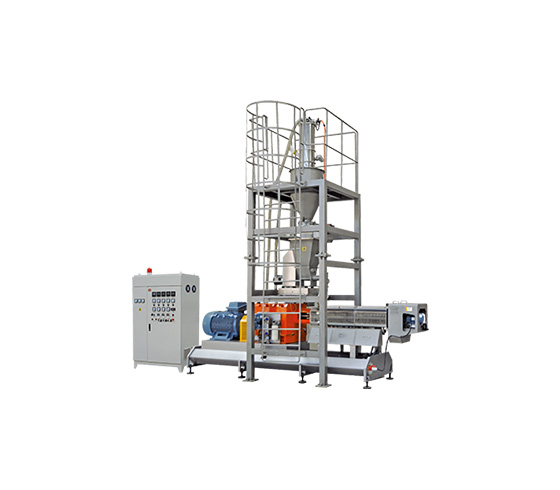
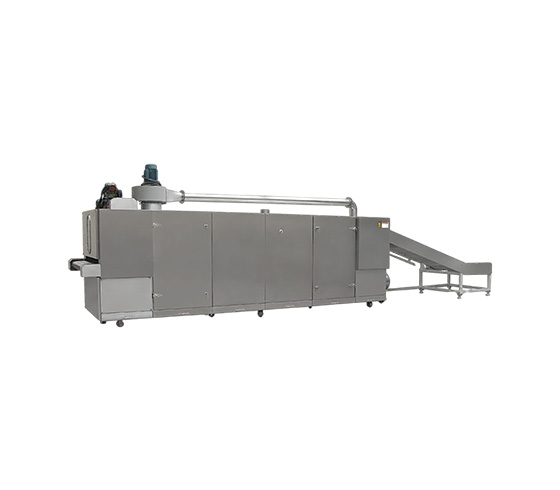
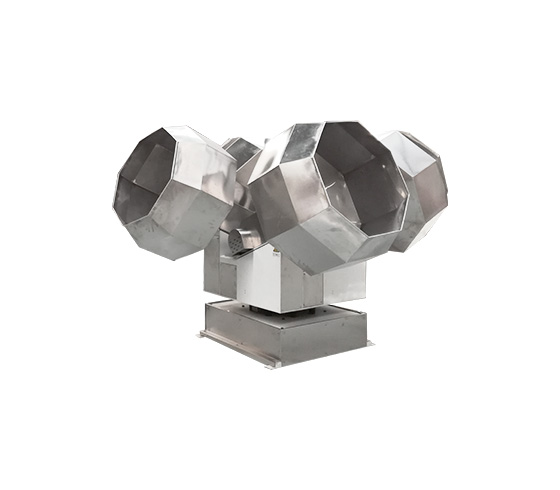
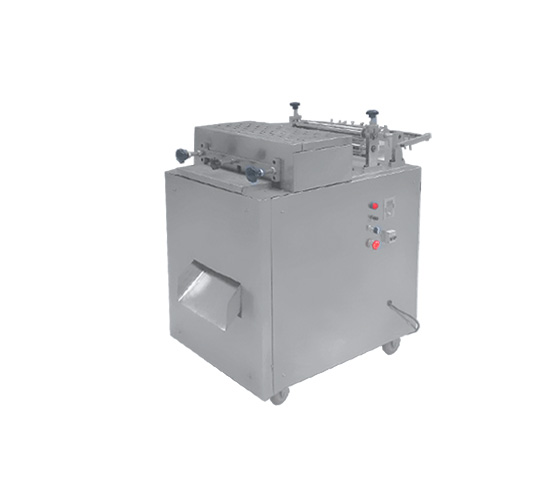
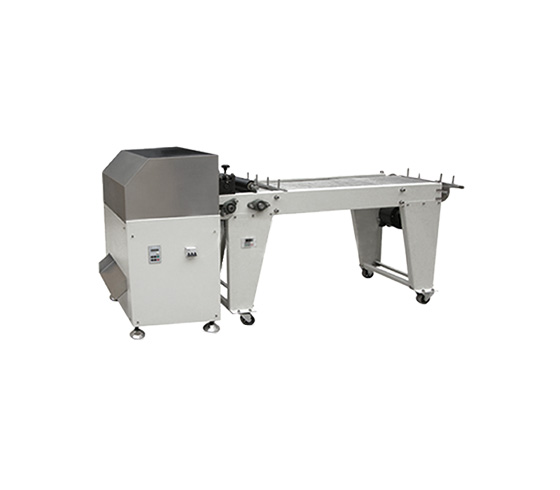
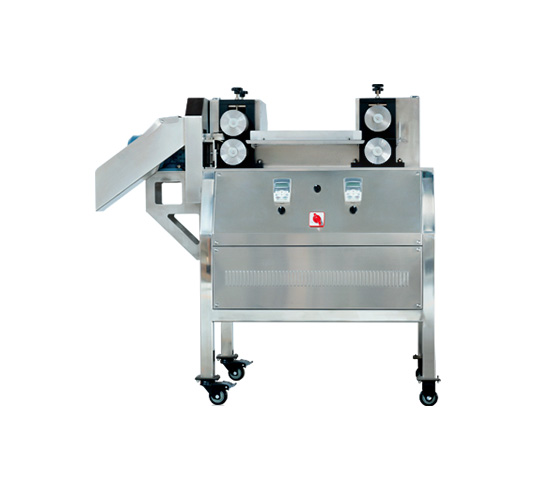
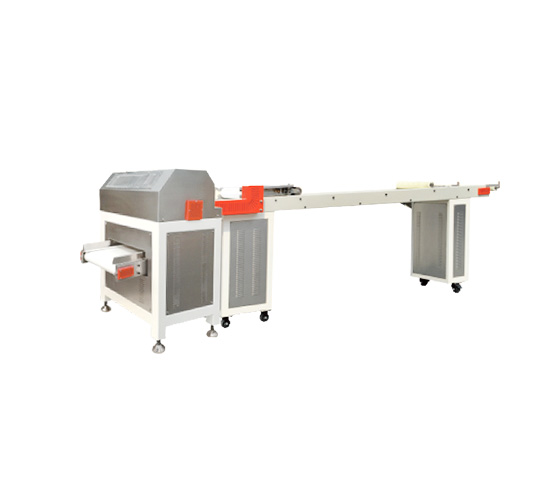
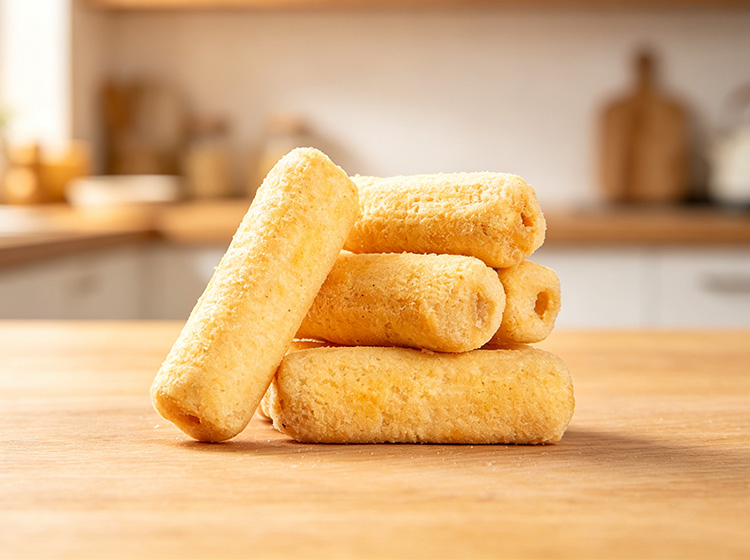
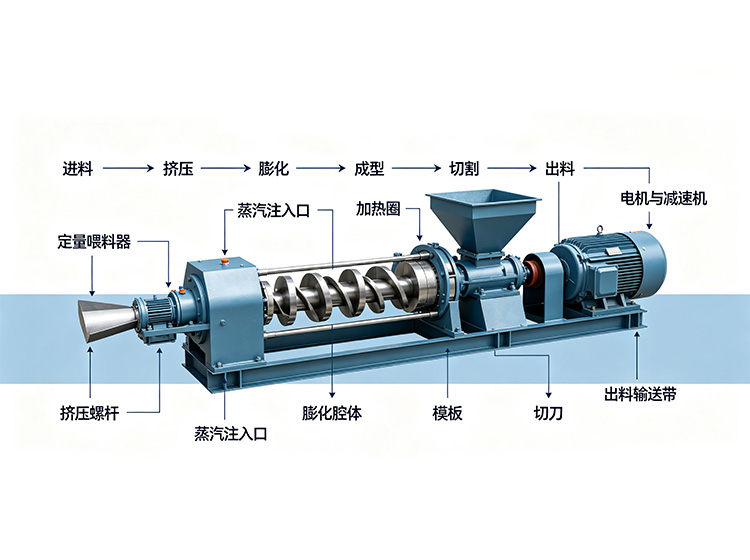
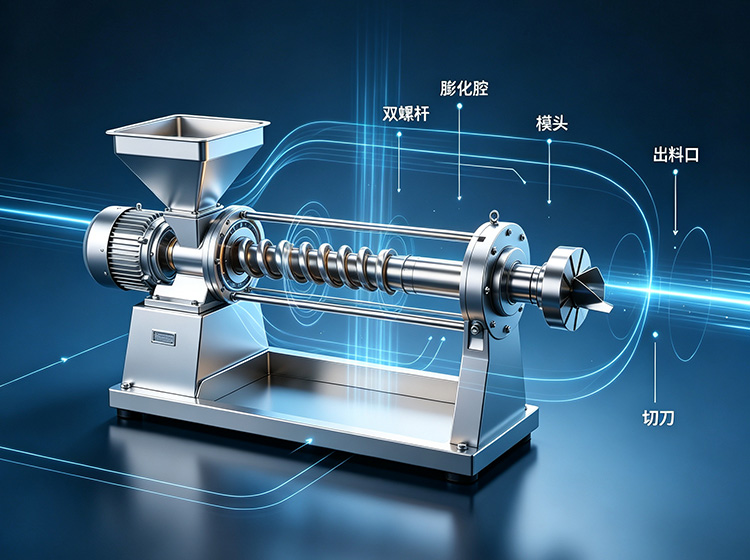
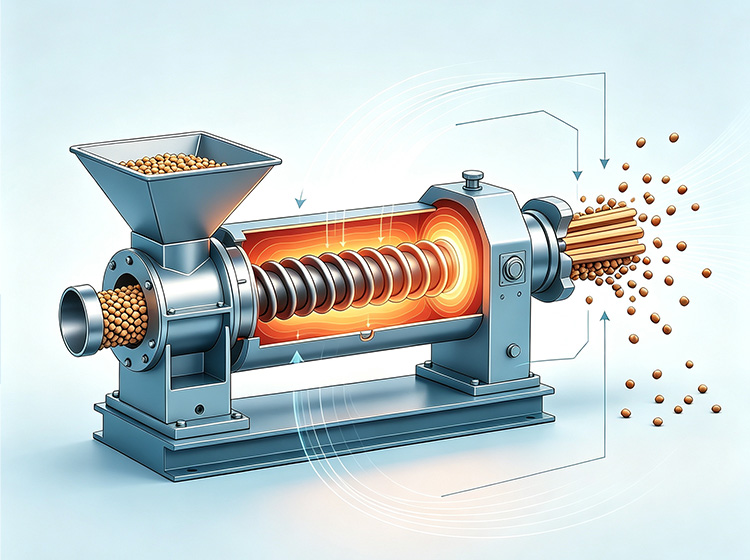
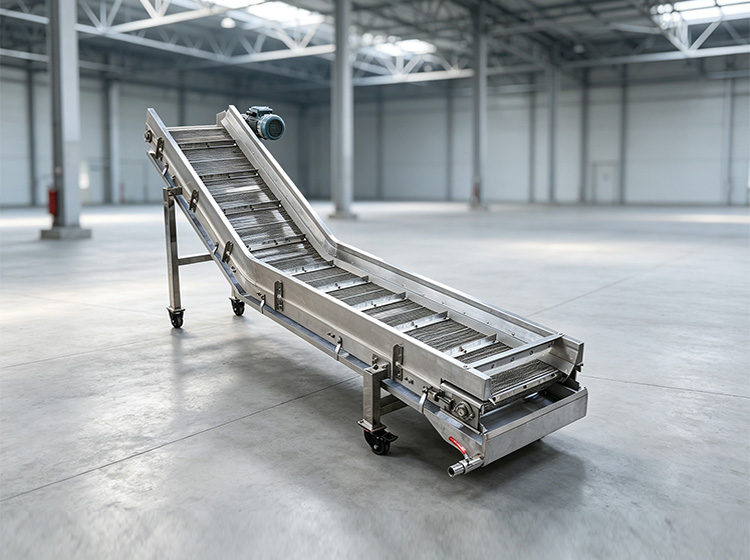
The food production line will drive the development of the miniature bearing market, involving issues related to the process, selection, or operational management of food processing and production equipment.The actual solution should be confirmed based on raw material characteristics, target product specifications, production scale, and on-site conditions, and should not be determined solely by single equipment parameters.
Key Points on How Food Production Lines Will Drive the Development of the Miniature Bearing Market
In recent years, with the improvement of people's living standards and the acceleration of work and life rhythms, small food machinery has been playing an increasingly important role in daily life.Not only are urban residents purchasing these products for dietary convenience, but as the demand in the re-employment market expands, some laid-off workers can also achieve re-employment by investing in and acquiring such small-scale food machinery.At the same time, with China's accession to the WTO, these small food machinery products can also be exported to overseas markets, providing convenience for foreigners' work and daily life.
So, how can the small food machinery industry be developed and strengthened?First, food machinery manufacturers should proactively transform their business philosophy, focusing on the research and development and production of small-scale food machinery to meet social needs, guided by the goals of facilitating people's lives, improving work efficiency, assisting laid-off workers in re-employment, and satisfying the economic demands of both urban and rural areas.For example, the small “snow cake machine” developed and produced in recent years has been widely popular and achieved great success.Secondly, it is essential to capture market information, conduct in-depth research, and develop and produce small-scale food machinery that is easy to operate.China's vast territory, abundant resources, and large population, coupled with varying levels of economic development and lifestyles across regions, require food machinery manufacturers to conduct research and develop a diverse range of food machinery tailored to different needs.Third, the product range should be diverse, prices should be low, and quality should be excellent.Develop different models and functions of small machinery to address regional differences and economic affordability.At the same time, pricing must be reasonable, with arbitrary pricing strictly avoided, as quality remains the focal point of consumer attention.
Given the difficulty of maintaining small food machinery and the challenges manufacturers face in providing end-to-end service, it is essential to strengthen product quality control and provide multiple sets of wear parts to facilitate user replacement.In terms of service, technical support and spare parts services should be provided. Mail-order spare parts can be offered to users, and operational demonstrations and training can be conducted in large supermarkets and sales areas to stimulate purchase interest.Food machinery is a “golden industry.” As the saying goes, “Food is the first necessity of the people.” Small food machinery offers boundless business opportunities and a broad market prospect.This will inevitably drive the development of the miniature bearing market.
What conditions should be considered during implementation or selection?
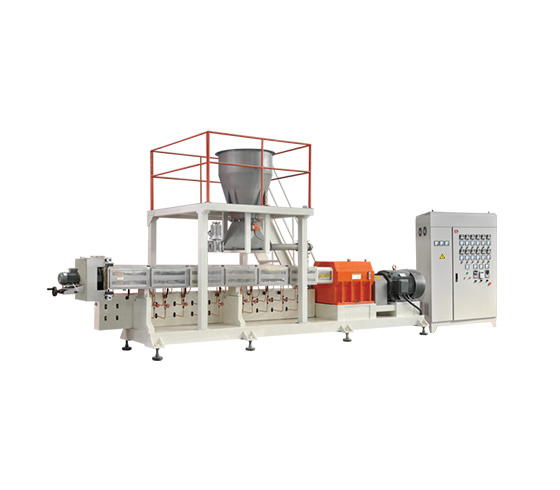
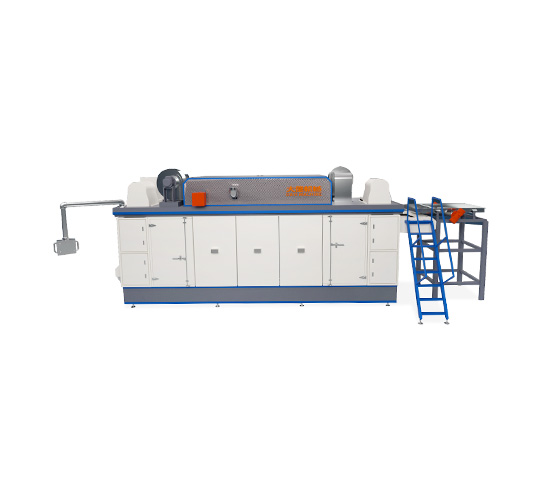
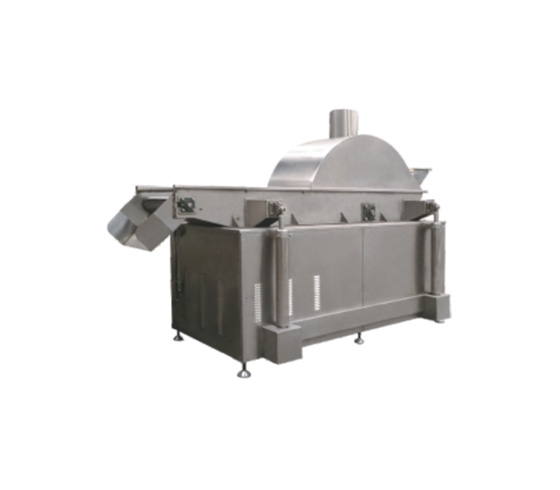
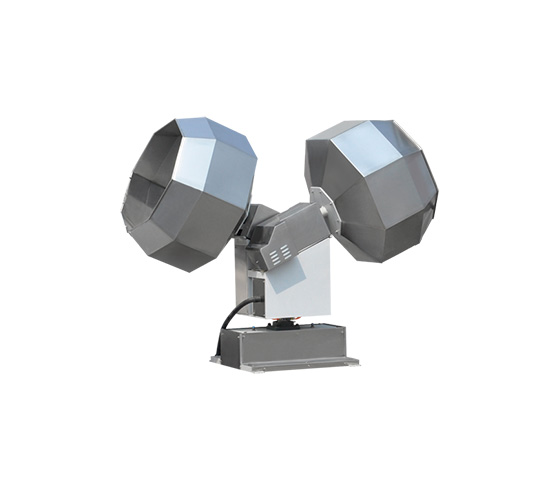
First, it is essential to clarify the product type, raw material state, formulation direction, and expected finished product requirements.For projects involving extrusion, forming, drying, frying, conveying, seasoning, or packaging, the processing capacity and cycle time of each stage must be matched to avoid discrepancies between individual equipment capacity and the overall line requirements.
Secondly, the installation plan should be evaluated in conjunction with the workshop's spatial layout and utility conditions, including power supply, water supply, steam, or gas.Equipment configuration should also take into account long-term operational factors such as cleaning, maintenance, safety protection, spare parts supply, and operator training.Any process or equipment capabilities mentioned in this document are for reference only in the context of solution discussions and preliminary assessments.Specific model numbers, power ratings, production capacities, temperatures, and times shall be subject to the formal technical proposal and the results of trial runs or on-site verification.
Frequently Asked Questions
Can the equipment be determined directly based on the standard configuration?
Not recommended.Different raw materials, product structures, target production capacities, and downstream processes can affect the equipment configuration.It is more prudent to confirm the product and process conditions before proceeding with the configuration assessment.
How to obtain more targeted advice?
It is recommended to prepare product images or sample information, raw material and formulation guidelines, target production capacity, existing workshop conditions, and planned downstream equipment configurations.Dayi Machinery can further discuss the applicable process routes and equipment configuration options based on this.
This article is compiled based on the information provided by Dayi Machinery in the document “Food Production Lines Will Drive the Development of the Miniature Bearing Market,” with the aim of helping readers understand the relevant topics.For technical requirements related to specific projects, please refer to the actual product documentation and engineering confirmation results.