Food Machinery Equipment for Canned Cat Food Production

Published:2026-07-18

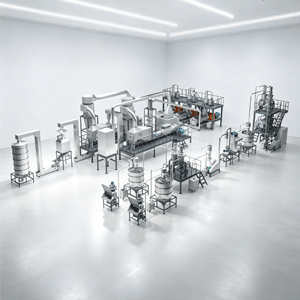
Food machinery equipment supports cat canned food production, addressing issues related to the process, selection, or operational management of food processing and production equipment.The actual solution should be confirmed based on raw material characteristics, target product specifications, production scale, and on-site conditions, and should not be determined solely by single equipment parameters.

Key Points of Food Machinery Equipment Supporting Cat Canned Food Production

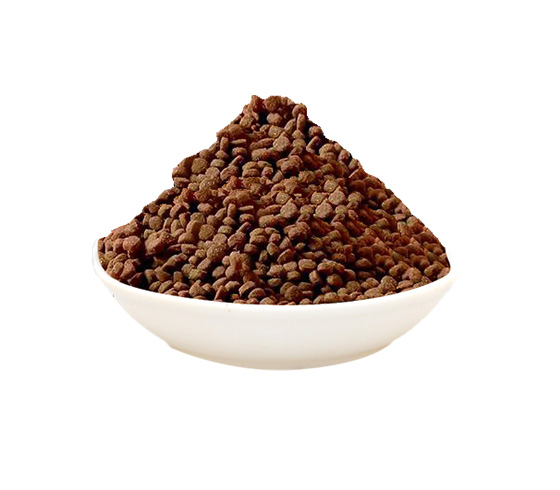
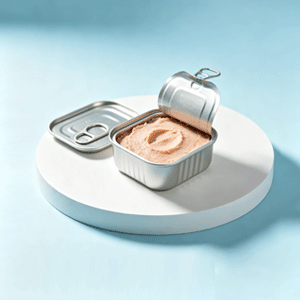
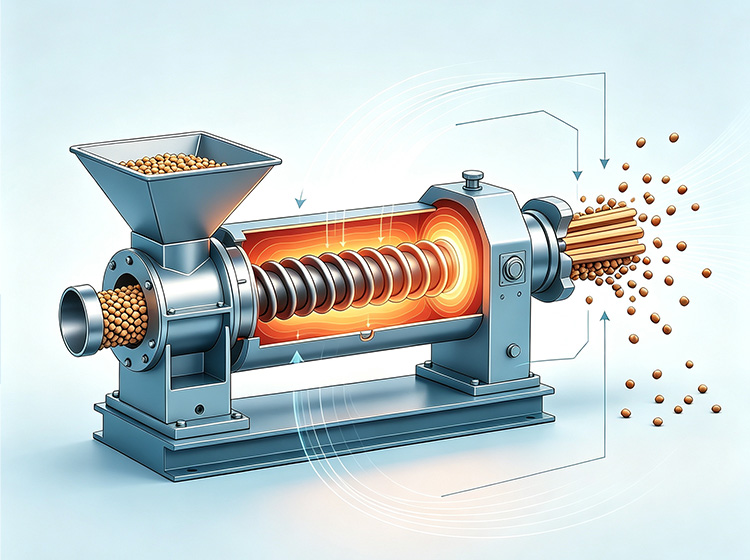
The topic of cat feeding often sparks lively discussions, with dry cat food, canned food, and raw meat-based diets each boasting a large number of devoted followers.It is widely recognized that cat food produced by extrusion puffing equipment belongs to dry food, with a low moisture content;For cats that are reluctant to drink water, insufficient water intake can lead to a series of feline health issues.Cat canned food is a type of wet food with high moisture content, providing cats with greater water intake compared to dry food.

Therefore, an increasing number of people advocate feeding cats with canned food or combining dry food with canned food.This is evident from the sales data of 2.4 million cans during last year's Double 11 shopping festival on JD Supermarket.As cat canned food gains wider acceptance, it has evolved into two major categories: nutritionally balanced staple cans and nutritionally unbalanced treat cans.So, what equipment is involved in the canning production process?Let us follow the author to explore this further.

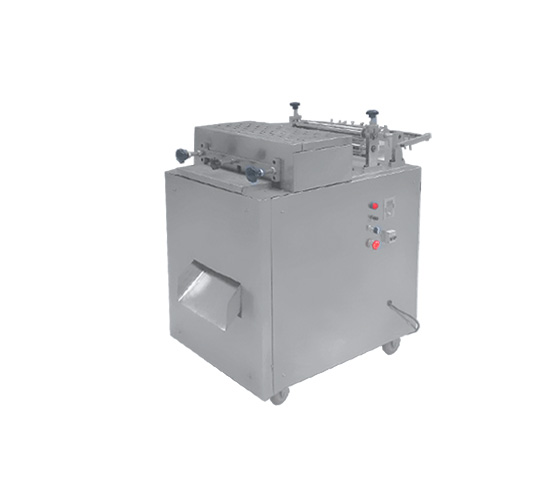
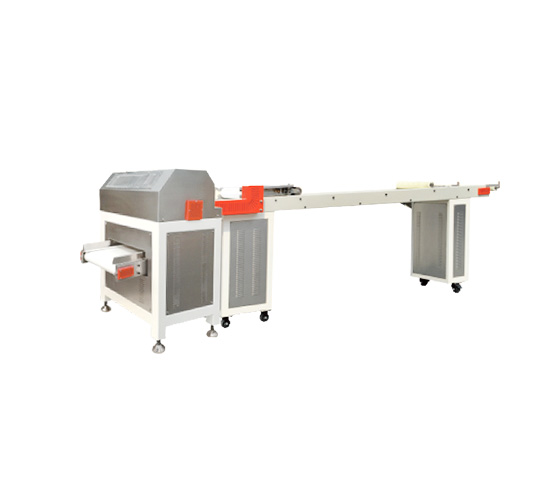
Subject: Food Machinery Equipment Boosts Cat Canned Food Production;Meat processing equipment: Currently, most cat owners recognize the view that cats are obligate carnivores.Therefore, when purchasing cat canned food, they prefer a high meat content.The production of canned cat food requires more extensive processing of meat, utilizing equipment such as fish meat extractors, bone crushers, and meat slicers, which play a crucial role in the manufacturing process.

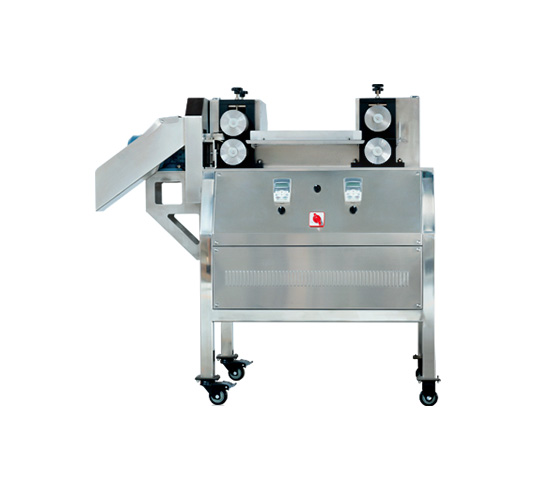
Subject: Food Machinery Equipment Boosts Cat Canned Food Production;Meat processing equipment: Generally, cod and tuna are more commonly used in cat food cans, and fish still need to be deboned during the production of fish meat cans.Fish meat harvesting equipment available on the market is also known as a fish meat collector.The meat-collecting drum and the rubber belt roll and press against each other to extract fish paste, while fish bones and fish skin are continuously conveyed and discharged by the rubber belt.It is understood that the current capacity of this equipment ranges from 180 kg to 1,100 kg, meeting the raw material processing needs of pet canned food manufacturers.

Subject: Food Machinery Equipment Boosts Cat Canned Food Production;Meat Processing Equipment: Meat is the main ingredient in cat canned food.To ensure nutritional balance, staple food cans and similar products often include bones, making bone-crushing equipment essential.Practical experience in daily life shows that cutting bones causes significant damage to blades, and bone-crushing equipment faces the same issue.It is reported that, to protect the blades, bone-crushing equipment on the market currently prioritizes the use of high-quality alloy steel that has undergone special heat treatment, and optimizes the frame design to distribute the stress on the blades, further enhancing their impact resistance.

Subject: Food Machinery Equipment Boosts Cat Canned Food Production;Seaming machines and sterilization equipment: It is well known that canned products can be preserved for long periods without additives, provided they undergo sterilization and sealing processes.Therefore, for pet canned food, sterilization and hermetic packaging are also critical stages in the production process.

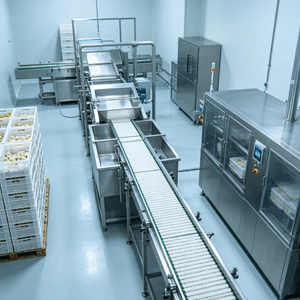
Subject: Food Machinery Equipment Boosts Cat Canned Food Production;Canning and Sterilization Equipment: Sealed packaging typically requires a vacuum sealing machine.Today, with the increasing integration of equipment, sealing machines and filling machines are typically combined into integrated filling and sealing units.For example, a filling and sealing integrated machine produced by a company in Zhejiang, designed for viscous materials, employs a piston-based filling principle. The piston retracts to draw in the material, and upon detecting an empty container, it descends to perform the filling.After filling is completed, the containers are immediately transferred to the can seamer for sealing.The two sets of rollers on the can seamer perform pre-sealing and final sealing operations on the can body to ensure that there is insufficient oxygen inside the can for microbial survival.

Subject: Food Machinery Equipment Boosts Cat Canned Food Production;Seaming machines and sterilization equipment: During the production process, the food in cat food cans must be cooked at high temperatures to ensure proper cooking of the ingredients.Therefore, the sterilization of cat canned food primarily employs thermal sterilization, and sterilization retorts can meet this requirement.Cat food cans are mostly made of metal and have a certain pressure differential resistance, making pressure control during the sterilization process relatively easy.However, to achieve sterility, cat food cans require higher sterilization temperatures and longer processing times.It is reported that the sterilization retorts on the market are equipped with movable temperature sensing probes, enabling more comprehensive monitoring of the food center temperature and the temperature distribution within the sterilization retort.

Subject: Food Machinery Equipment Boosts Cat Canned Food Production;Canning and sterilization equipment: When it comes to pet feeding, an increasing number of people in China hope their pets can eat well and healthily, driving the robust growth of the pet food industry.As wet food that provides more comprehensive nutrition for pets, pet canned food is gaining increasing scientific recognition from pet owners.Therefore, relevant food machinery manufacturers must seize this production opportunity and develop products that better meet consumer expectations.

What conditions should be considered during implementation or selection?

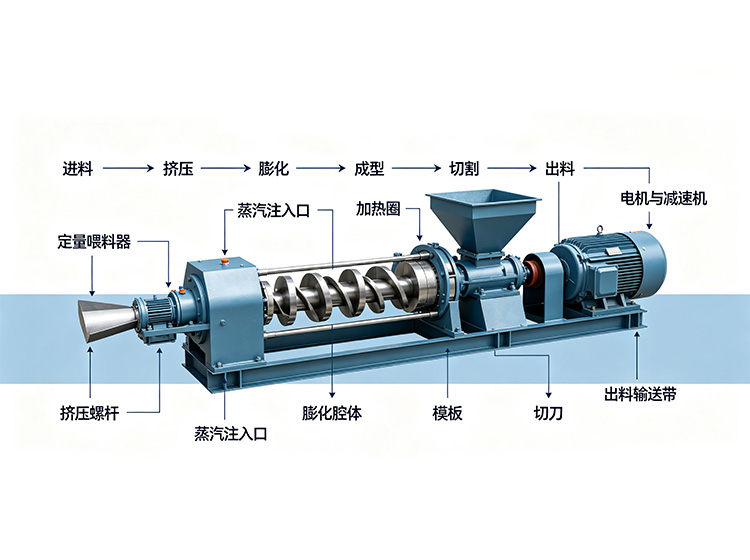
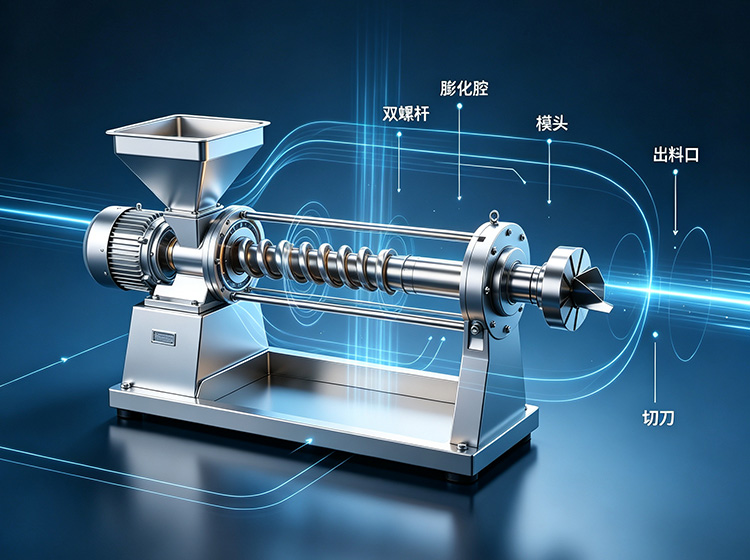
First, it is essential to clarify the product type, raw material state, formulation direction, and expected finished product requirements.For projects involving extrusion, forming, drying, frying, conveying, seasoning, or packaging, the processing capacity and cycle time of each stage must be matched to avoid discrepancies between individual equipment capacity and the overall line requirements.

Secondly, the installation plan should be evaluated in conjunction with the workshop's spatial layout and utility conditions, including power supply, water supply, steam, or gas.Equipment configuration should also take into account long-term operational factors such as cleaning, maintenance, safety protection, spare parts supply, and operator training.Any process or equipment capabilities mentioned in this document are for reference only in the context of solution discussions and preliminary assessments.Specific model numbers, power ratings, production capacities, temperatures, and times shall be subject to the formal technical proposal and the results of trial runs or on-site verification.

Frequently Asked Questions

Can the equipment be determined directly based on the standard configuration?

Not recommended.Different raw materials, product structures, target production capacities, and downstream processes can affect the equipment configuration.It is more prudent to confirm the product and process conditions before proceeding with the configuration assessment.

How to obtain more targeted advice?

It is recommended to prepare product images or sample information, raw material and formulation guidelines, target production capacity, existing workshop conditions, and planned downstream equipment configurations.Dayi Machinery can further discuss the applicable process routes and equipment configuration options based on this.

This article is compiled based on the materials provided by Dayi Machinery, titled “Food Machinery Equipment Boosts Cat Canned Food Production,” with the aim of helping readers understand the relevant topics.For technical requirements related to specific projects, please refer to the actual product documentation and engineering confirmation results.