Food Machinery R&D Trends: Keeping Pace with Industry Developments

Published:2026-07-18

Analysis of R&D Trends in Food Machinery: Keeping Pace with Industry Developments Involving Process, Selection, and Operational Management of Food Processing and Production Equipment.The actual solution should be confirmed based on raw material characteristics, target product specifications, production scale, and on-site conditions, and should not be determined solely by single equipment parameters.

Analysis of R&D Trends in Food Machinery: Key Points for Keeping Pace with Industry Developments

Cold chain logistics

On October 13, the "National Food Safety Standard: Hygiene Specification for Cold Chain Logistics of Food," drafted by the National Center for Food Safety Risk Assessment, the China IoT Cold Chain Committee, and other organizations, was officially released and will take effect on March 11, 2021.This specification covers the requirements and management guidelines for the handover, transportation, distribution, and storage of food during cold chain logistics.Through mandatory regulations for cold chain logistics, the industry's future development will be more orderly. Businesses that operate in compliance with regulations will not only benefit their own growth but also serve the broader consumer base.

Processing Technology

At the 21st National Instant Food Conference held in Beijing, the innovation trends of China's instant food industry for 2020-2021 were released.The incubation and acceleration of instant food processing technologies have led to increasingly refined processes and outstanding innovations in processing equipment, effectively resolving the nutritional challenges associated with instant foods.At the same time, this provides a new solution for the large-scale production of traditional instant foods, marking the beginning of industrialization while achieving product standardization.

Palletizing Automation

In recent years, as China's demographic dividend has gradually diminished and labor costs have risen rapidly, the food industry and food equipment manufacturing sector have been transitioning from labor-intensive to technology-intensive models, driving an accelerating demand for automation.Currently, in China's food processing and food machinery manufacturing industries, automatic palletizers are widely used in the stacking and handling of materials.

Smart Cooking

In recent years, the catering industry has seen the emergence of new concepts such as smart restaurants, unmanned restaurants, and unmanned kitchens.In kitchen or full-restaurant environments, cooking, food preparation, and dish delivery can be completed with reduced or even zero manual intervention.Essential equipment includes food delivery robots, ice cream robots, intelligent stir-fry machines, intelligent noodle-cooking machines, and intelligent fryers.The application of intelligent catering equipment, represented by smart stoves, intelligent mixing pots, and automatic dish dispensers, not only helps alleviate labor cost pressures and recruitment challenges but also enables stir-fry machines to achieve more stable and standardized cooking results through precise digital transmission of recipe formulation instructions.Furthermore, intelligent stir-fry machines offer flexibility when preparing foods such as hot pot bases, enabling them to meet personalized requirements.

Smart Packaging

As the food and beverage market expands and advanced technologies such as intelligence, big data, and the Internet of Things continue to develop in depth, the smart packaging market is growing rapidly.Industry forecasts indicate that by 2023, the global smart packaging market size is expected to exceed $300 billion, with the Chinese market surpassing RMB 200 billion.Intelligent packaging for end-use sectors such as food and beverages is becoming the prevailing trend, making the intelligent transformation of related packaging machinery manufacturing enterprises imperative.

What conditions should be considered during implementation or selection?

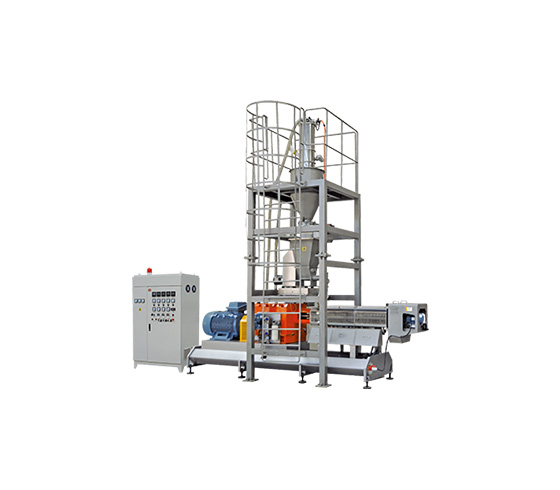
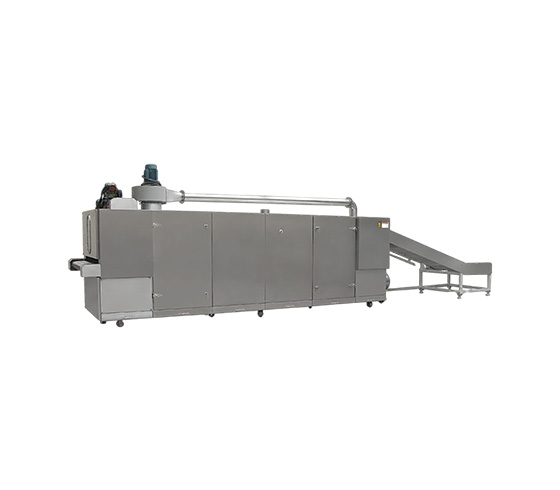
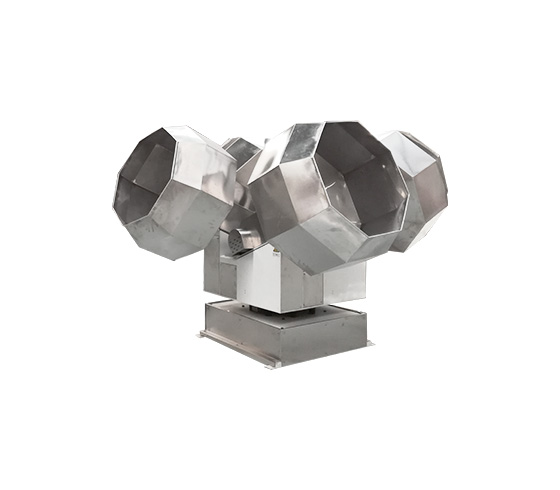
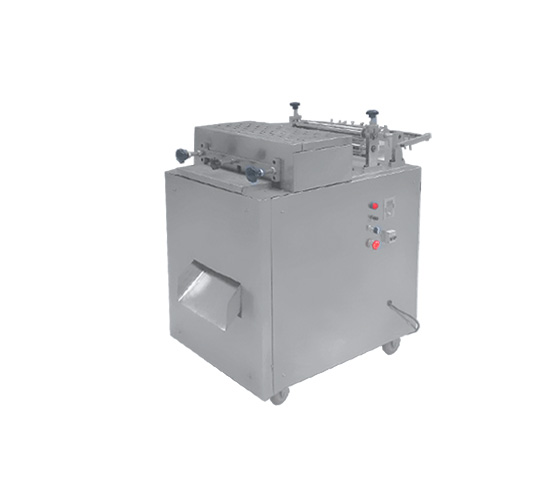
First, it is essential to clarify the product type, raw material state, formulation direction, and expected finished product requirements.For projects involving extrusion, forming, drying, frying, conveying, seasoning, or packaging, the processing capacity and cycle time of each stage must be matched to avoid discrepancies between individual equipment capacity and the overall line requirements.

Secondly, the installation plan should be evaluated in conjunction with the workshop's spatial layout and utility conditions, including power supply, water supply, steam, or gas.Equipment configuration should also take into account long-term operational factors such as cleaning, maintenance, safety protection, spare parts supply, and operator training.Any process or equipment capabilities mentioned in this document are for reference only in the context of solution discussions and preliminary assessments.Specific model numbers, power ratings, production capacities, temperatures, and times shall be subject to the formal technical proposal and the results of trial runs or on-site verification.

Frequently Asked Questions

Can the equipment be determined directly based on the standard configuration?

Not recommended.Different raw materials, product structures, target production capacities, and downstream processes can affect the equipment configuration.It is more prudent to confirm the product and process conditions before proceeding with the configuration assessment.

How to obtain more targeted advice?

It is recommended to prepare product images or sample information, raw material and formulation guidelines, target production capacity, existing workshop conditions, and planned downstream equipment configurations.Dayi Machinery can further discuss the applicable process routes and equipment configuration options based on this.

This article is compiled based on the materials provided by Dayi Machinery, titled “Analysis of Food Machinery R&D Trends: Keeping Pace with Industry Development,” with the aim of helping readers understand the relevant topics.For technical requirements related to specific projects, please refer to the actual product documentation and engineering confirmation results.