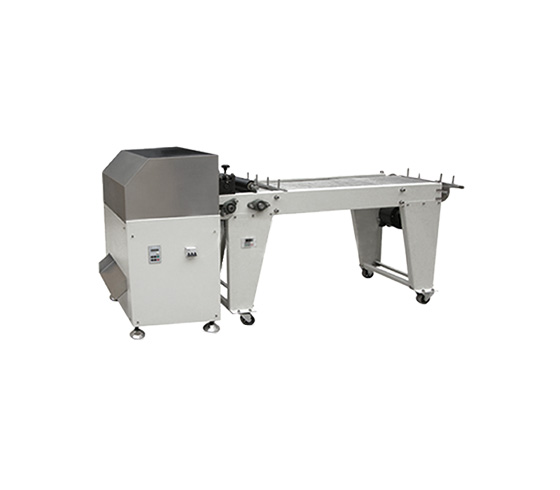
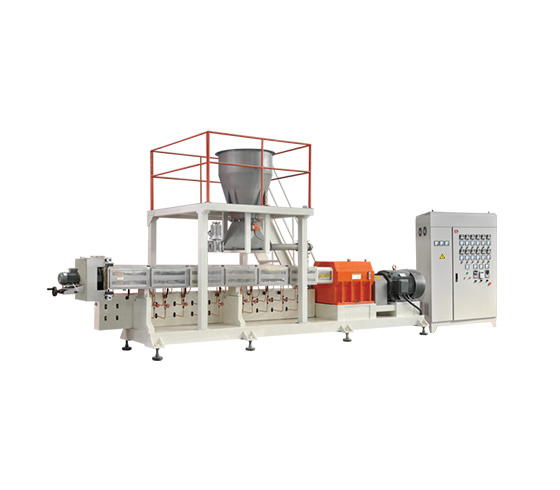
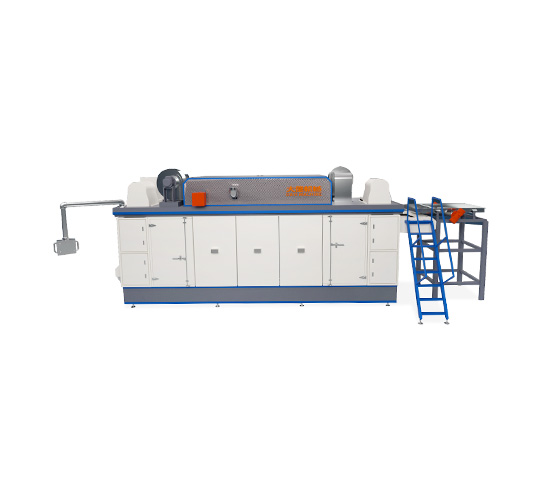
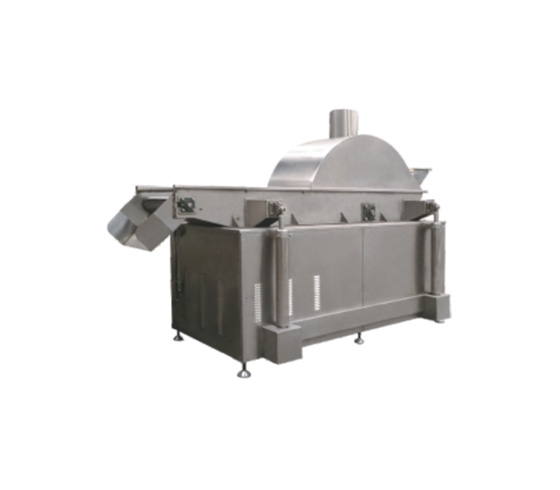
The ultimate competitiveness in the food machinery industry lies in core technologies addressing process, equipment selection, or operational management issues related to food processing and production equipment.The actual solution should be confirmed based on raw material characteristics, target product specifications, production scale, and on-site conditions, and should not be determined solely by single equipment parameters.
The ultimate competitiveness in the food machinery industry lies in the core aspects of core technologies.
At a critical juncture marked by a new round of structural adjustments, technological upgrades, and product iterations in the food machinery industry, food machinery enterprises must adopt a pragmatic approach, achieving their own development through independent innovation and in-depth absorption and digestion, thereby advancing their internationalization process.The author believes that the food production line industry should accelerate the pace of independent innovation, overcome the inherent shortcomings of food machinery products, and avoid merely following others in imitation.
In fact, food machinery in the food processing industry is entering a period of robust growth.We believe that the high-end automated food machinery industry has entered its golden age.As an unexpected dividend from the rapid rise in labor costs and the restructuring and upgrading of industrial sectors, food machinery has replaced manual labor, becoming a catalyst that drives the industry's rapid development.
Currently, the cost of a single, basic food processing machine is equivalent to three years of a worker's salary, with a service life exceeding 10 years.Statistical data shows that the cost of food machinery is decreasing at an annual rate of 4%, indicating significant market potential for cost-driven technological upgrades.
The current state of the food machinery industry is characterized by mutual plagiarism.The technical levels are roughly equivalent; any product you have today will be replicated tomorrow.Of course, a small number of companies in the industry possess independent mechanical design capabilities to develop new products, but once these products are launched, other manufacturers quickly follow suit.Therefore, when we search for food machinery on the internet, although we can see a large number of products, the vast majority are very similar to each other.
In contrast, the products of some food machinery manufacturers differ significantly in both appearance and design principles.This is also why many manufacturers seeking innovation attempt to learn from these products.Their typical approach involves attending trade shows, photographing equipment, or purchasing sample machines for reverse engineering.But this is essentially still a form of imitation.
It should be noted that some key core technologies still rely on imports.Therefore, the research and development of precision mechanical components will become a key focus of future government policy support, and enterprises that master core technologies will benefit from this.
Merely copying others' products, lacking independent innovation and design, may keep products in step with trends, but ultimately it is nothing more than following in others' footsteps.To achieve breakthroughs and innovation, it is essential to possess independent mechanical design capabilities.Mechanical design and R&D are the fundamental prerequisites for food machinery to go global.
Independent innovation capability is not only a crucial foundation for the food machinery industry to accelerate the transformation of its development model and achieve industrial upgrading, but also a vital support for ensuring the quality and safety of food machinery.With the development of the social economy, increasingly stringent quality requirements will inevitably accelerate the innovation process in the food machinery industry.Although achieving accelerated innovation is a relatively long-term process and no major technological breakthroughs have been made to date, the industry’s development trend remains relatively stable. The strategic rise of the high-end equipment manufacturing sector will undoubtedly facilitate the internationalization of food machinery.
We hope that food machinery manufacturers will look to the future and pursue an internationalization strategy for food machinery.We are also pleased to see that many enterprises are now collaborating with universities and research institutions to jointly develop industrial food machinery products that meet international standards, contributing their efforts to the advancement of the industry.
What conditions should be considered during implementation or selection?
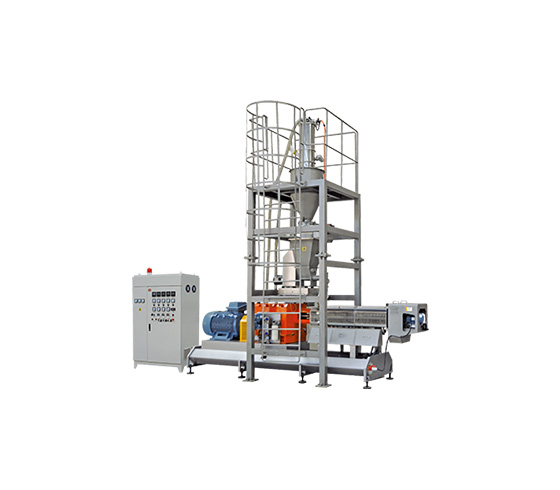
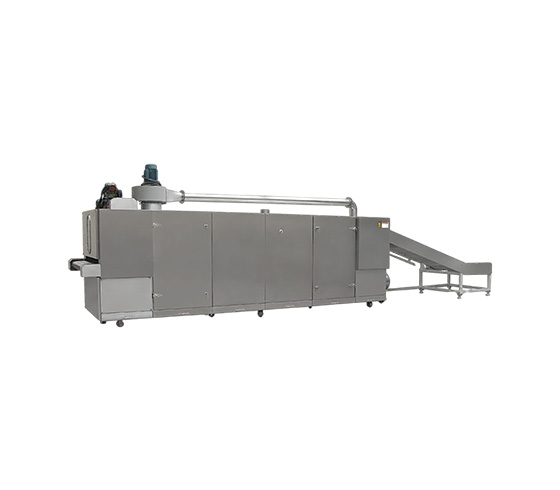
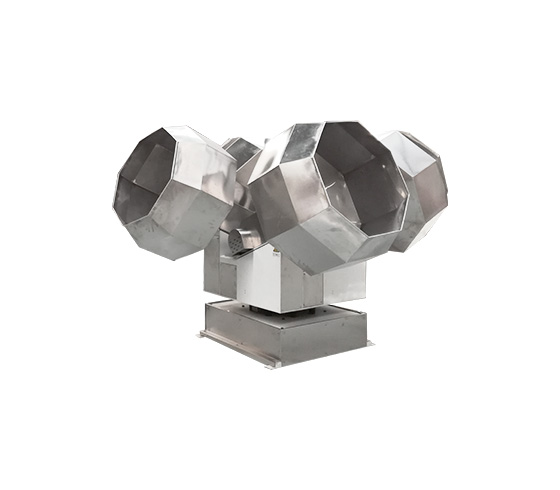
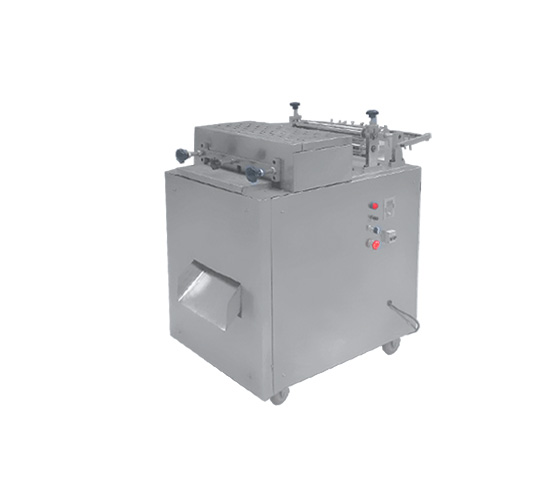
First, it is essential to clarify the product type, raw material state, formulation direction, and expected finished product requirements.For projects involving extrusion, forming, drying, frying, conveying, seasoning, or packaging, the processing capacity and cycle time of each stage must be matched to avoid discrepancies between individual equipment capacity and the overall line requirements.
Secondly, the installation plan should be evaluated in conjunction with the workshop's spatial layout and utility conditions, including power supply, water supply, steam, or gas.Equipment configuration should also take into account long-term operational factors such as cleaning, maintenance, safety protection, spare parts supply, and operator training.Any process or equipment capabilities mentioned in this document are for reference only in the context of solution discussions and preliminary assessments.Specific model numbers, power ratings, production capacities, temperatures, and times shall be subject to the formal technical proposal and the results of trial runs or on-site verification.
Frequently Asked Questions
Can the equipment be determined directly based on the standard configuration?
Not recommended.Different raw materials, product structures, target production capacities, and downstream processes can affect the equipment configuration.It is more prudent to confirm the product and process conditions before proceeding with the configuration assessment.
How to obtain more targeted advice?
It is recommended to prepare product images or sample information, raw material and formulation guidelines, target production capacity, existing workshop conditions, and planned downstream equipment configurations.Dayi Machinery can further discuss the applicable process routes and equipment configuration options based on this.
This article is compiled based on the material “The Ultimate Competitiveness in the Food Machinery Industry Lies in Core Technologies” provided by Dayi Machinery, with the aim of helping readers understand the relevant topics.For technical requirements related to specific projects, please refer to the actual product documentation and engineering confirmation results.