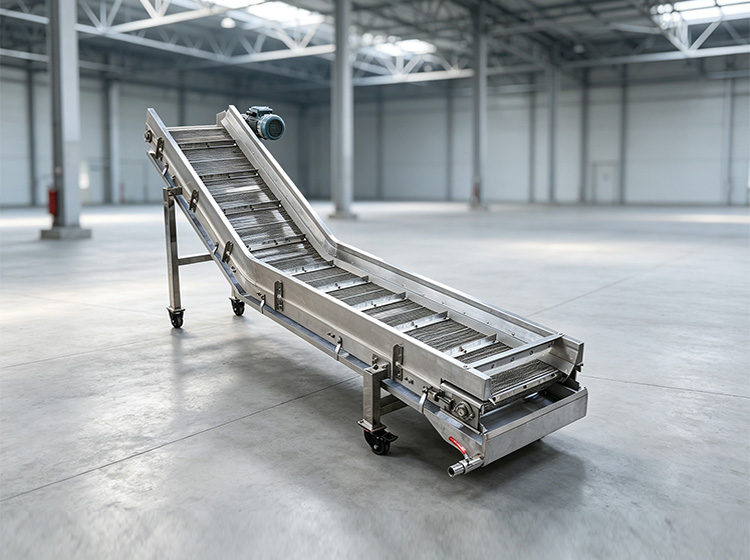
Main Categories of Food Machinery

Published:2026-07-18

The primary classification of food machinery involves issues related to the processes, selection, or operational management of food processing and production equipment.The actual solution must be confirmed based on raw material characteristics, target products, production scale, and on-site conditions—not solely on the basis of a single equipment parameter.

Core Points of Main Categories of Food Machinery

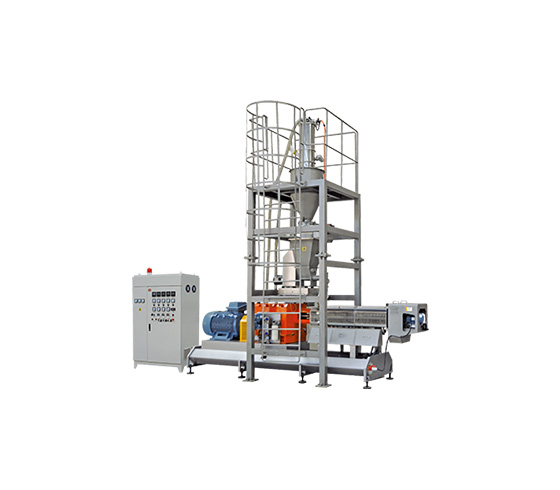
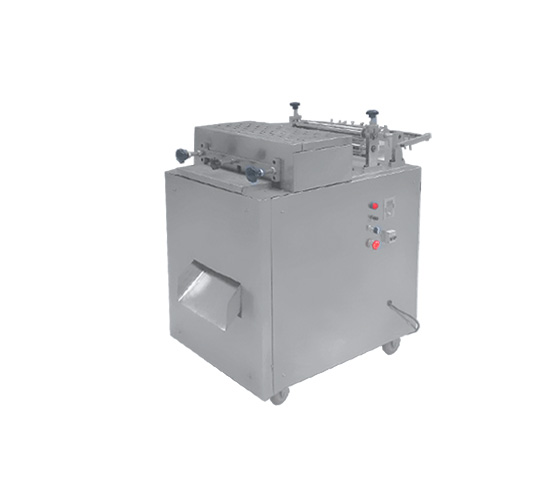
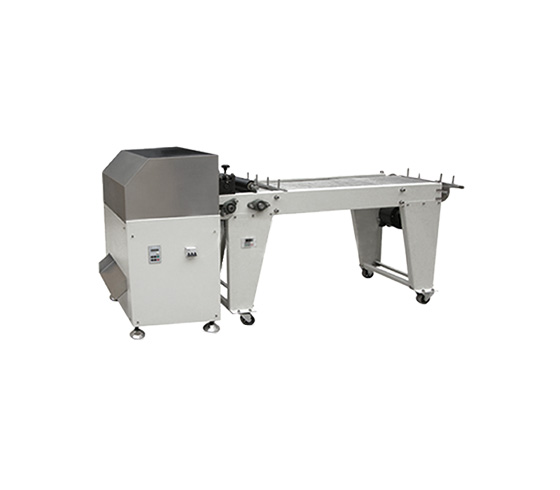
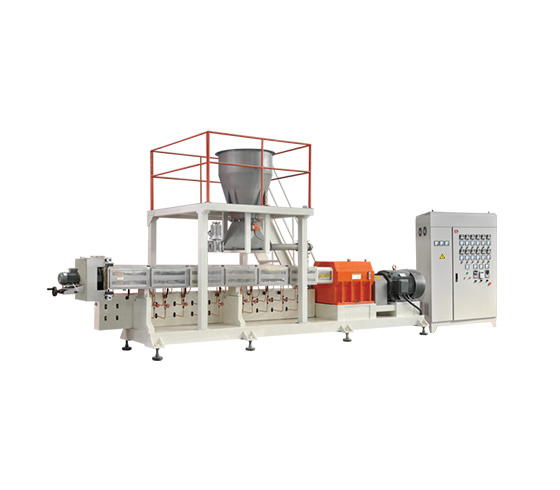
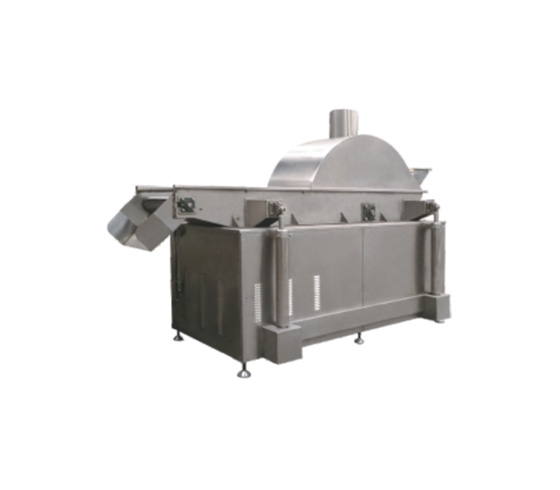
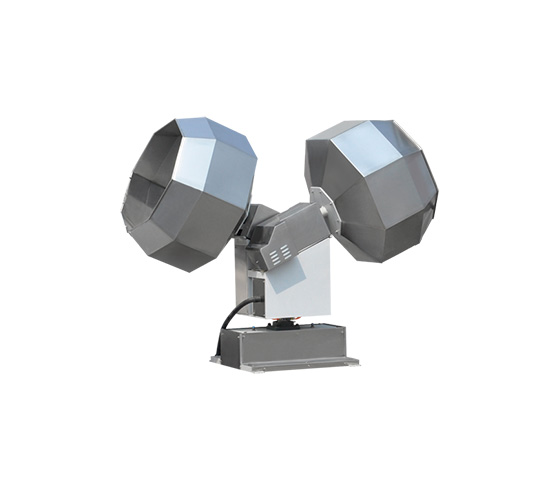
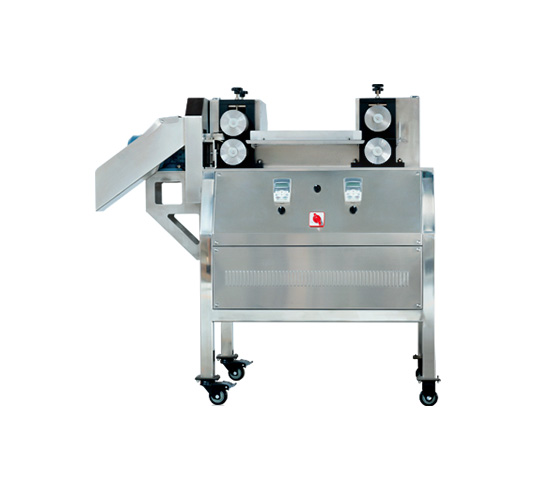
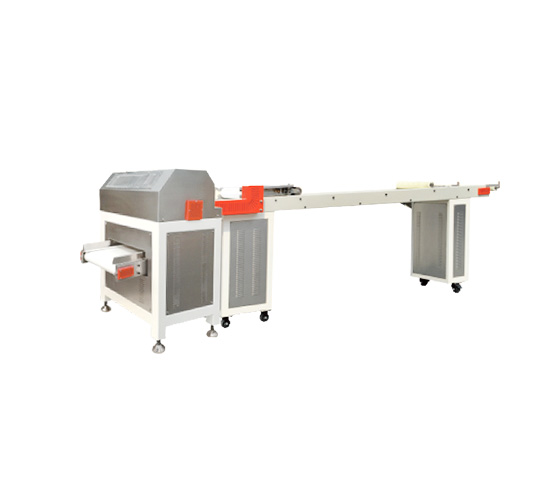
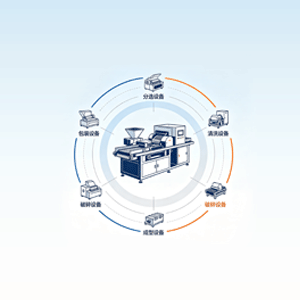
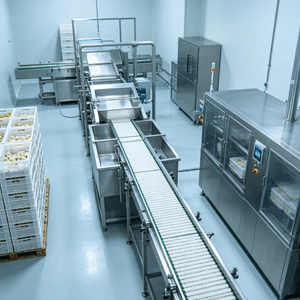
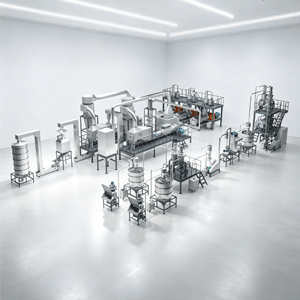
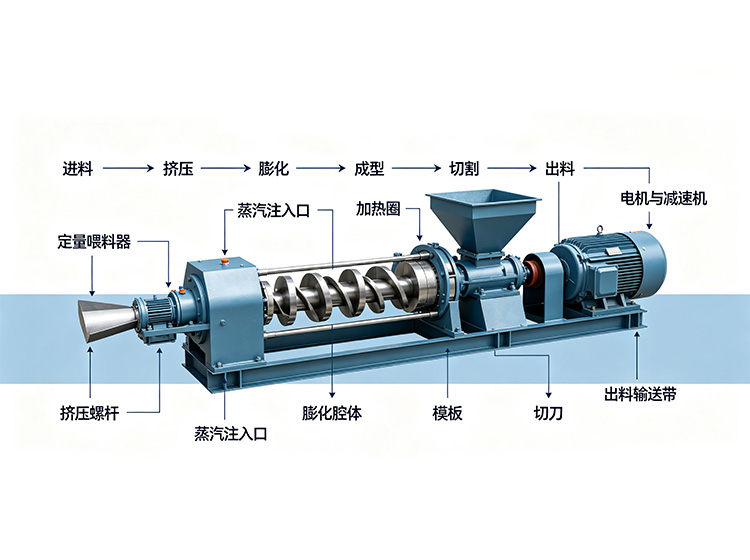
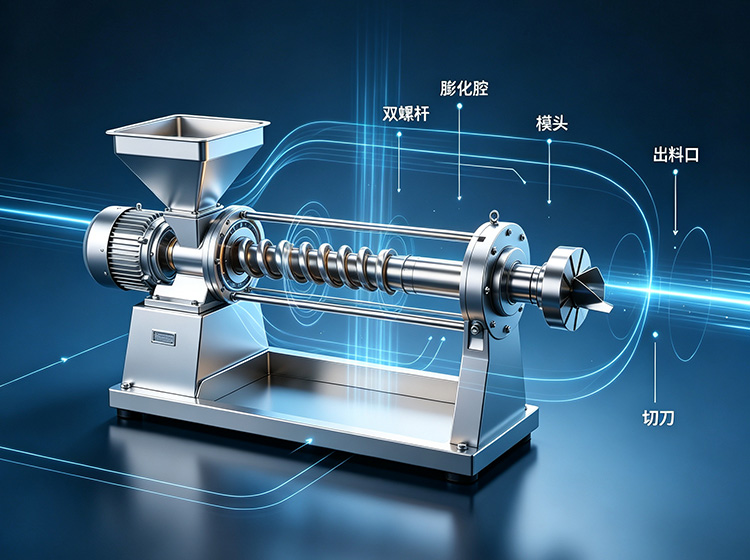
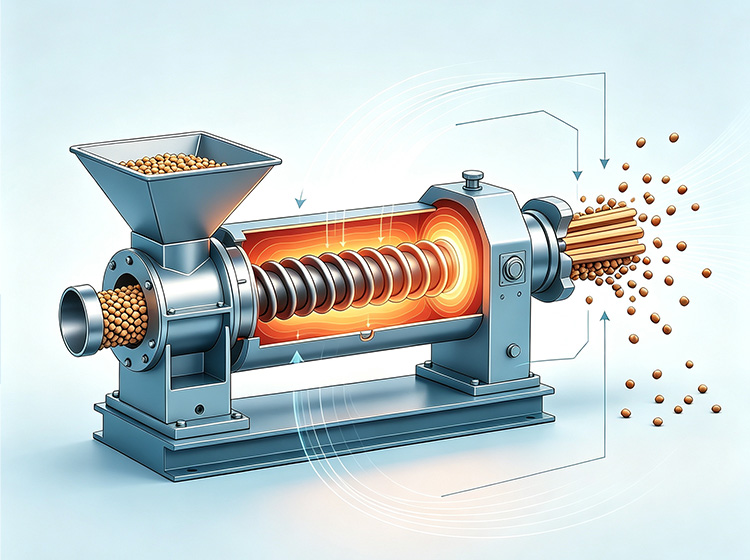
Currently, numerous food industry enterprises are continuously upgrading their industrial capabilities.In fact, most food processing plants have already upgraded their mechanical equipment and process technologies.With the continuous upgrading of food machinery and the expansion of intelligent production lines, product production efficiency and competitiveness have been significantly enhanced.Food machinery can be broadly categorized—by processing object—into fruit and vegetable processing equipment, dough-based food processing equipment, meat processing equipment, and other equipment.Categorized by function, they include extrusion equipment, frying equipment, drying equipment, etc.

In fruit and vegetable processing equipment, the main machines include: juice extractors, pulpers, pitting machines, fruit and vegetable washers, peelers, slicers, and fruit sorters.Among them, juicers and puree machines require no further explanation, as many households have already purchased them.Currently, some manufacturers have integrated crushing, pitting, and pulping functions into a single unit.In this integrated machine, after being processed by the washing machine, pome fruit pulp, peel, and core are separated; the peel and core are discharged, and juice yield is high.

What are the main types of pasta processing equipment?Noodles and steamed buns mainly refer to steamed buns, stuffed buns, dumplings, wontons, liangpi (cold skin noodles), instant noodles, and noodles.Taking steamed buns as an example, the required equipment includes: dough mixers, dough kneaders, filling machines, and swirled-bun forming machines, etc.

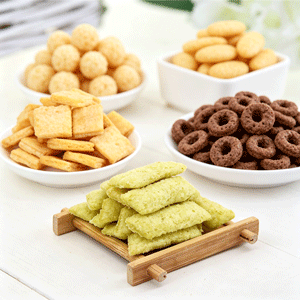
Different types of pastries require different production equipment.Pastry processing equipment can be categorized into mooncake machines, biscuit machines, wafer machines, egg-yolk pie machines, cookie machines, and flaky pastry machines, etc.Taking biscuits as an example, the production line consists of a biscuit former, tunnel-type hot-air circulating electric oven, oiling machine, flip-over machine, cooling conveyor, biscuit sorting machine, biscuit cream-filling machine, and packaging station.

In meat processing equipment, the meat grinder is the most widely recognized; however, meat processing equipment encompasses a wide range of specialized machines, including slicers, bowl choppers, bone saws, tumblers, meatball makers, tenderizers, sausage fillers, slaughterhouse equipment, smoke-cooking equipment, bone-meat separators, brine injectors, forming machines, batter-breading machines, skinning and de-fatting machines, meat floss and jerky equipment, fish and shrimp processing equipment, meat product drying equipment, meat product sterilization equipment, meat product thawing equipment, and meat product sealing equipment.

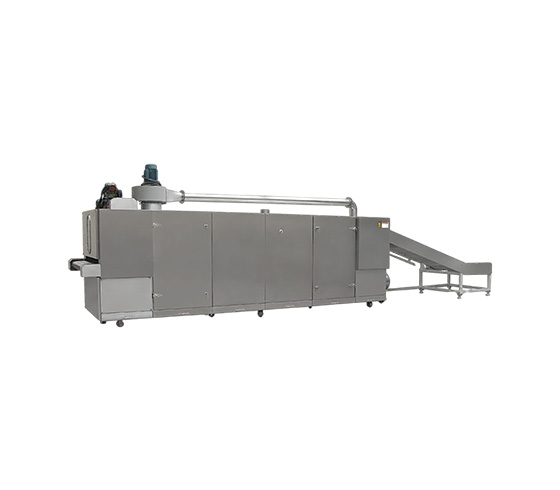
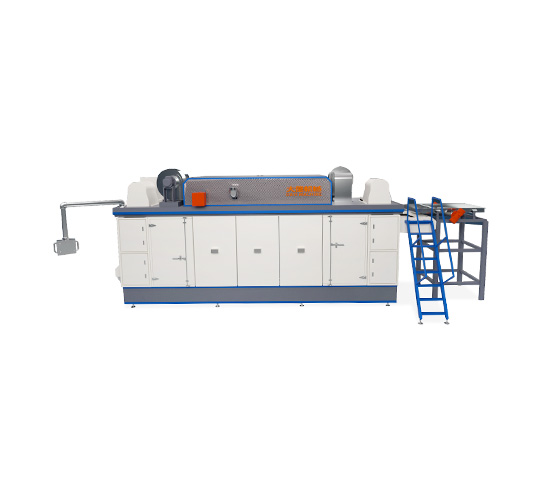
In biscuit and pastry production, ovens—classified as food drying equipment—are widely used.In addition, various types of dryers are available, including granulating dryers, flash dryers, spray dryers, drum dryers, paddle dryers, vacuum dryers, microwave dryers, pneumatic conveyance dryers, box dryers, vertical dryers, fluidized bed dryers, and air-cooled dryers.It can be said that dryers are among the most indispensable types of equipment in food processing, as various pastries and biscuits are made from flour, requiring water to be added during shaping; without drying treatment, the desired texture and final quality requirements cannot be achieved.

What conditions should be considered during implementation or selection?

First, the product type, raw material condition, formulation direction, and expected finished product requirements must be clearly defined.For projects involving extrusion, forming, drying, frying, conveying, flavoring, or packaging, the processing capacity and cycle time of each stage must be matched to prevent mismatch between the capacity of individual equipment and the overall line requirements.

Secondly, the installation plan should be evaluated in conjunction with workshop space, power supply, water supply, steam, or gas utility conditions.Long-term usage factors—such as cleaning, maintenance, safety protection, spare parts availability, and operator training—should also be considered when configuring the equipment.Where the text involves processes or equipment capabilities, it is provided for reference only in scheme communication and preliminary assessment.Specific model numbers, power ratings, production capacity, temperature, and time shall be subject to the official technical proposal and trial operation or on-site verification results.

Frequently Asked Questions

Can the equipment be finalized based on the standard configuration?

Not recommended.Different raw materials, product structures, target production capacities, and downstream processes affect equipment configurations.It is safer to first confirm the product and process conditions, and then proceed with configuration evaluation.

How can I obtain more targeted recommendations?

It is recommended to prepare product images or sample information, raw material and formulation details, target production capacity, existing workshop conditions, and planned downstream equipment configuration.Dayi Machinery can further communicate the applicable process routes and equipment configuration ranges based on this.

This article is compiled based on Dayi Machinery’s “Main Classification of Food Machinery” document, aiming to help readers understand the relevant topic.Technical requirements for specific projects shall be subject to the actual product documentation and engineering confirmation results.