Food Machinery Market Analysis: Nutritional Rice

Published:2026-07-18

Hot Topic Analysis in Food Machinery: Nutritional Rice Involves Process, Equipment Selection, and Operational Management Issues in Food Processing and Production Equipment.The actual solution should be confirmed based on raw material characteristics, target product specifications, production scale, and on-site conditions, and should not be determined solely by single equipment parameters.

Hot Topic Analysis in Food Machinery: Key Points of Nutritional Rice

What is your impression of convenience foods?

The answer may be instant noodles, which have been the subject of much controversy in recent times, or various frozen foods such as frozen dumplings and frozen tangyuan.

However, as consumer upgrades continue to evolve, the convenience food industry has embarked on a path of category innovation and product upgrading.Rice-based instant foods that can be consumed with simple heating have entered the public eye, and food companies are gradually entering a broader competitive arena.In this process, the optimization and upgrading of process technology have become a key breakthrough point.

250 billion yuan, which is the estimated market size of China's instant food industry.However, for a long time, the instant food industry has basically maintained a situation of “strong noodles and weak rice.”From a technical perspective, noodle products typically involve the production of noodle cakes, sauce packets, and vegetable packets, with relatively mature processes.For rice-based foods, it is technically challenging to simultaneously restore the flavor and texture of both rice and dishes, making the competitive advantage in this segment not particularly pronounced.

However, as consumer demand for convenience foods continues to shift toward greater convenience, nutrition, health, and taste, the industry has adopted the development direction of “staple-food-oriented convenience foods and convenience-oriented staple foods.”The emergence of innovative convenient rice products, such as self-heating rice, instant rice, and ready-to-eat rice, is beginning to erode the entrenched “strong noodles, weak rice” landscape, and has become a key highlight for the somewhat sluggish instant food industry in its competition for consumer share.

Self-heating rice meals are a type of convenient rice product that most people are familiar with.Rice packs, meat and vegetable packs, heating packs, sauce packs, and water packs constitute the main components of the product.At any time and place, using the principle of quicklime generating heat upon contact with water, the food can be heated in approximately 15 minutes.This dining experience, featuring meat, rice, and rich flavor, has changed people's impression that instant noodles are filling but lack nutritional value.Of course, as a relatively new product category, rice-based instant foods generally offer average taste and flavor, and food safety concerns must be addressed, which makes it difficult for them to achieve rapid adoption comparable to wheat-based instant noodles, resulting in a relatively low repurchase rate.This is a significant step toward bringing rice-based convenience foods into the mainstream market.

Recently, a subsidiary of Nongfu Spring launched a new type of instant rice that can be heated in a microwave.It is reported that this product is a single-serve rice meal, currently priced at 6.15 RMB per box (210g).It employs ultra-high temperature (UHT) instantaneous sterilization technology and aseptic packaging in retort pouches, enablingOftenWarm storage without the use of additives, thereby offering advantages in quality and safety.Consumers can use it for scenarios such as fried rice, porridge cooking, and rice mixing, according to their own needs.Microwave for three minutes to enjoy, significantly reducing cooking time for rice and enhancing the fast-paced lifestyle.Additionally, the brand has introduced a “rice + topping” set product format, which can easily meet people’s meal needs.

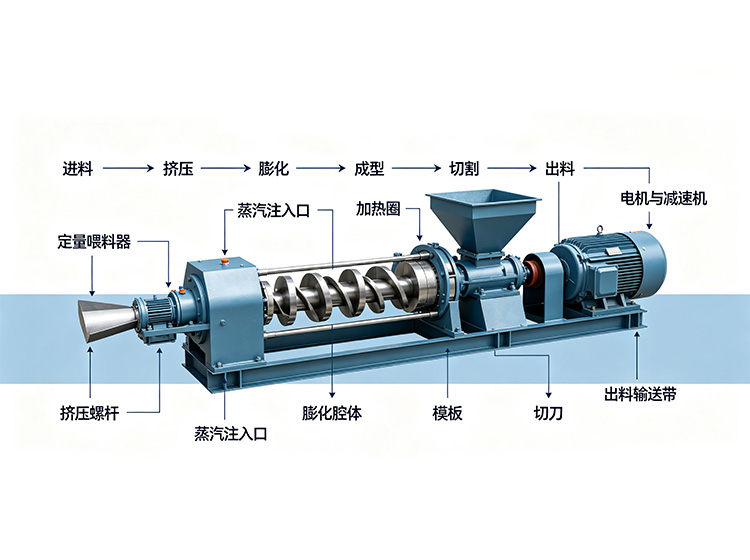
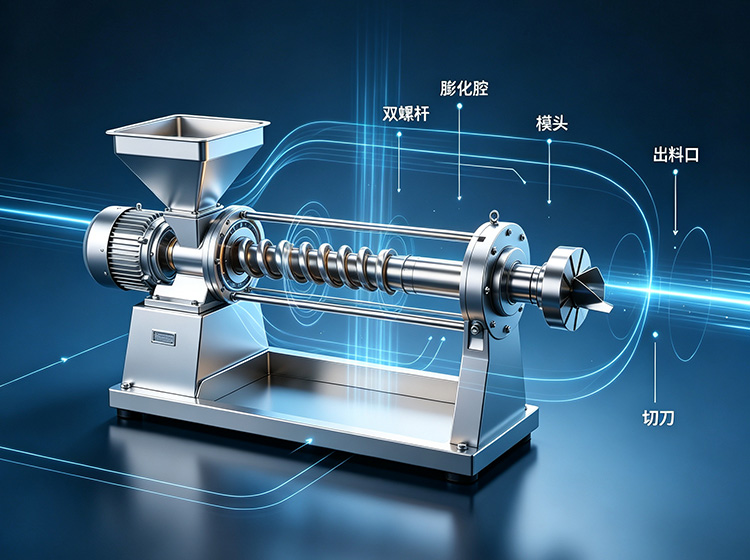
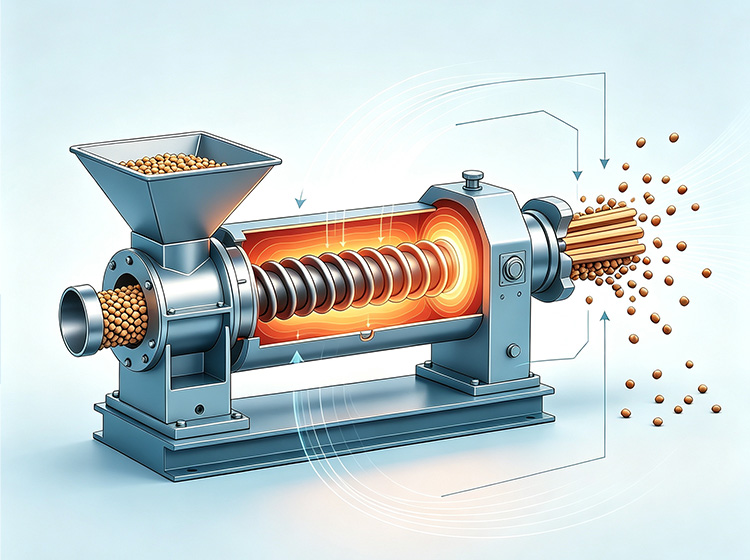
In addition, Baixiang previously launched its "Paofan" product series.After emphasizing that a portion of rice can be restored in just ten minutes, the key lies in overcoming the “bottleneck” challenges and restoring the authentic taste.It is understood that this instant rice product is made from premium rice raw materials and employs a series of innovative processes, including gelatinization, pulverization, and extrusion puffing, to elevate the texture of rehydrated rice to a level close to that of freshly steamed rice, thereby addressing the suboptimal mouthfeel often associated with instant rice products.The product also won the Innovation Product Award at the 21st Instant Food Conference and is regarded as a major innovative breakthrough in rice-based instant foods.Technological R&D and problem-solving are also helping traditional brands unlock their development potential in the new era.

Influenced by dietary habits, consumers have high expectations for the texture of rice-based products, posing a significant challenge to product innovation.In recent years, we have welcomed the convenience food industry’s accelerated pace of innovation and upgrading, as well as its expansion into the rice-based convenience food market. However, there is no doubt that significant room for improvement remains on the path of technological upgrading, and numerous challenges still need to be overcome.

What conditions should be considered during implementation or selection?

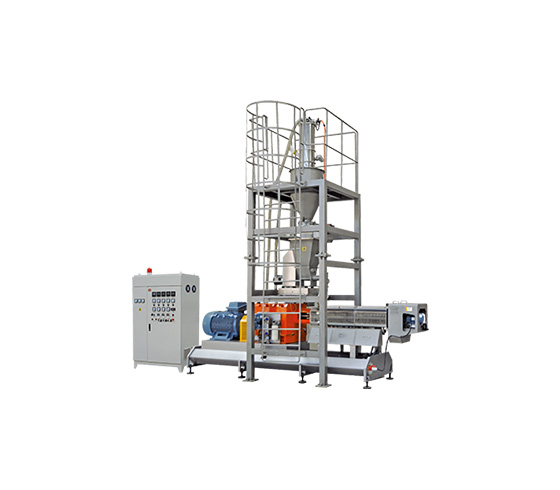
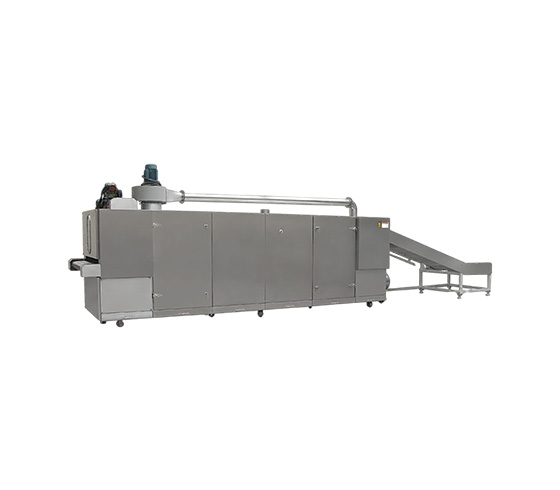
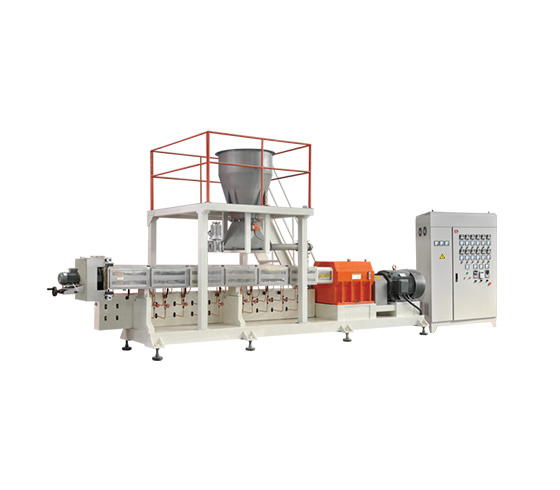
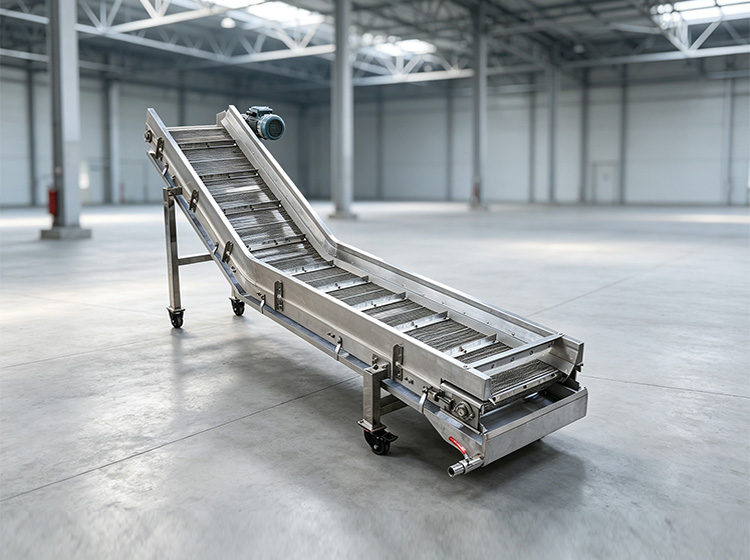
First, it is essential to clarify the product type, raw material state, formulation direction, and expected finished product requirements.For projects involving extrusion, forming, drying, frying, conveying, seasoning, or packaging, the processing capacity and cycle time of each stage must be matched to avoid discrepancies between individual equipment capacity and the overall line requirements.

Secondly, the installation plan should be evaluated in conjunction with the workshop's spatial layout and utility conditions, including power supply, water supply, steam, or gas.Equipment configuration should also take into account long-term operational factors such as cleaning, maintenance, safety protection, spare parts supply, and operator training.Any process or equipment capabilities mentioned in this document are for reference only in the context of solution discussions and preliminary assessments.Specific model numbers, power ratings, production capacities, temperatures, and times shall be subject to the formal technical proposal and the results of trial runs or on-site verification.

Frequently Asked Questions

Can the equipment be determined directly based on the standard configuration?

Not recommended.Different raw materials, product structures, target production capacities, and downstream processes can affect the equipment configuration.It is more prudent to confirm the product and process conditions before proceeding with the configuration assessment.

How to obtain more targeted advice?

It is recommended to prepare product images or sample information, raw material and formulation guidelines, target production capacity, existing workshop conditions, and planned downstream equipment configurations.Dayi Machinery can further discuss the applicable process routes and equipment configuration options based on this.

This article is compiled based on the document "Hot Topics Analysis of Food Machinery: Nutritional Rice" provided by Dayi Machinery, with the aim of helping readers understand the relevant topics.For technical requirements related to specific projects, please refer to the actual product documentation and engineering confirmation results.