Overview of Food Machinery

Published:2026-07-18

Overview of food machinery covers process, selection, and operational management issues related to food processing and production equipment.The actual solution should be confirmed based on raw material characteristics, target product specifications, production scale, and on-site conditions, and should not be determined solely by single equipment parameters.

Key Points of Food Machinery Overview

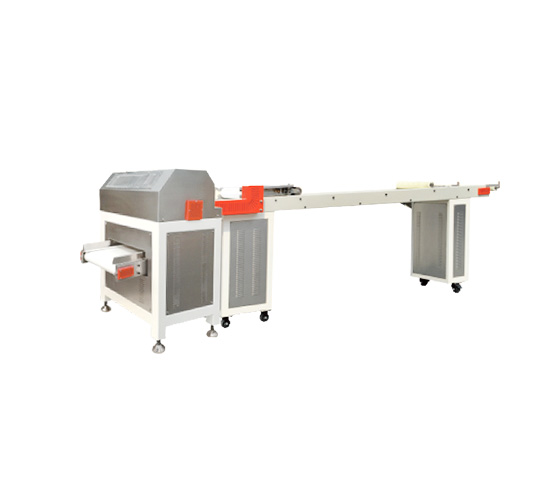
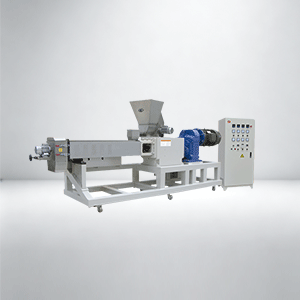
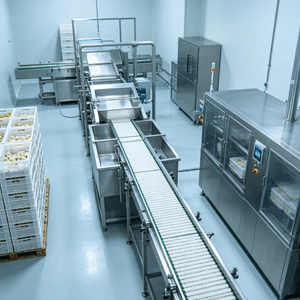
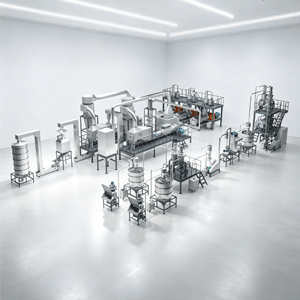
Food machinery refers to the mechanical equipment and devices used in the process of processing food raw materials into food (or semi-finished products).Food machinery is mainly divided into two categories: food processing machinery and food packaging machinery.

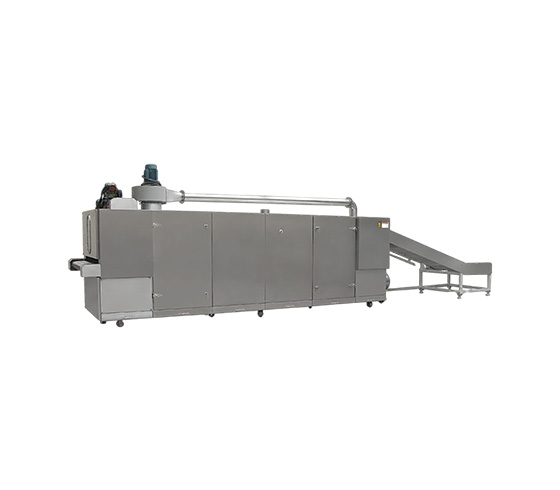
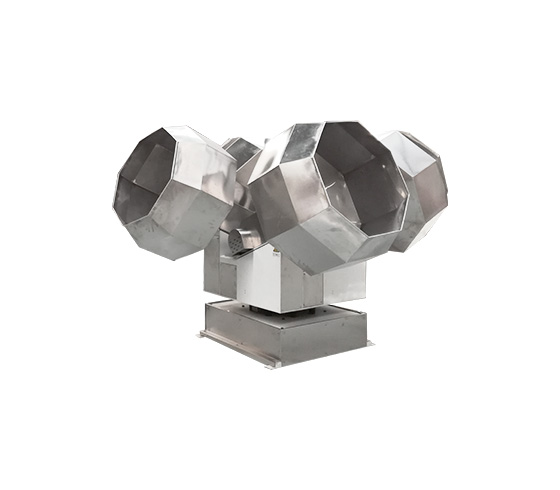
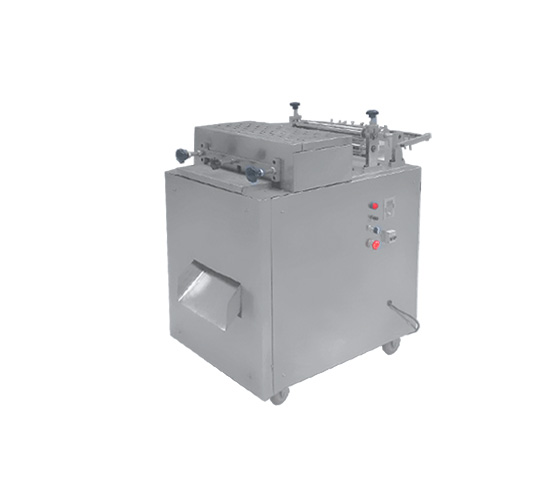
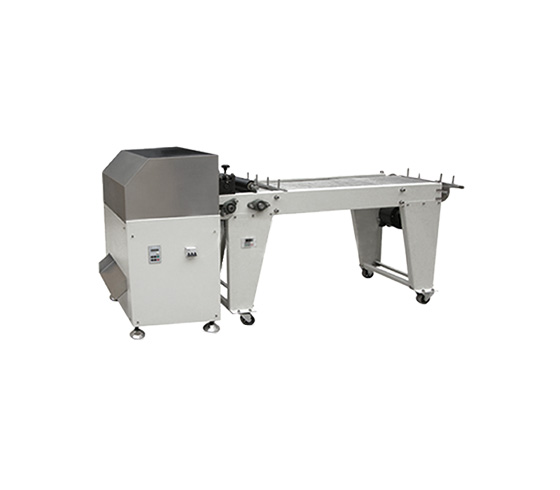
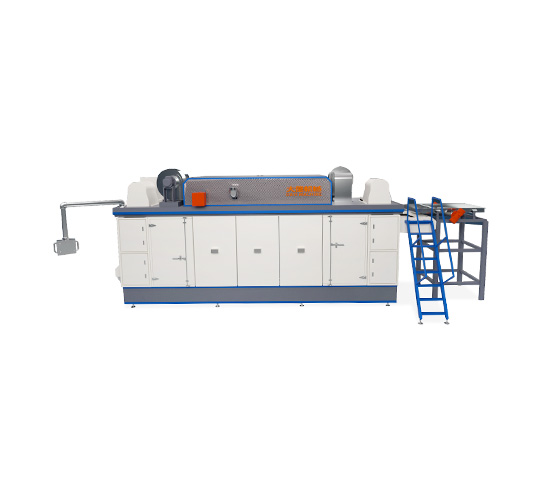
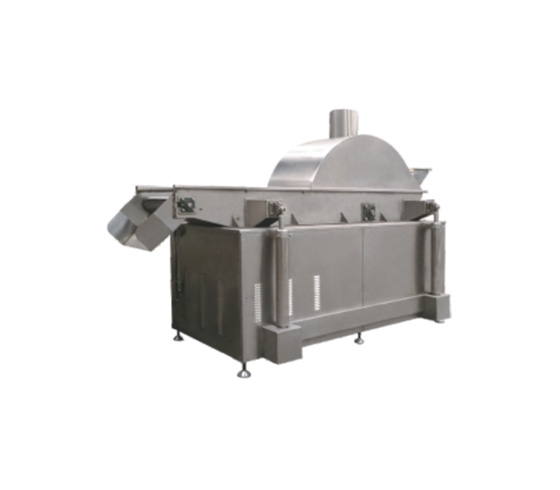
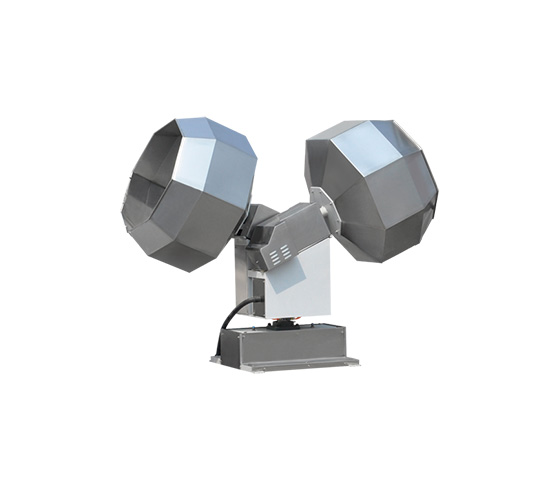
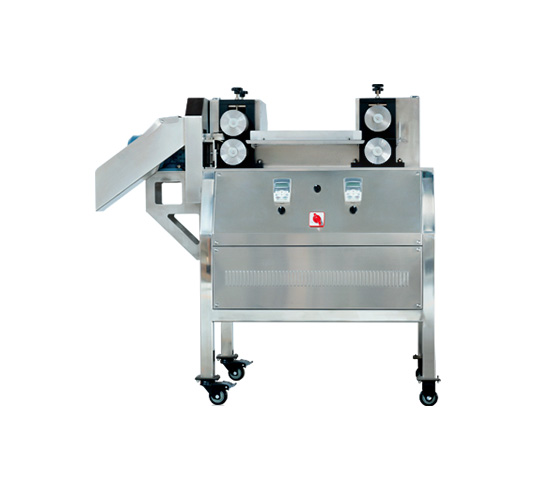
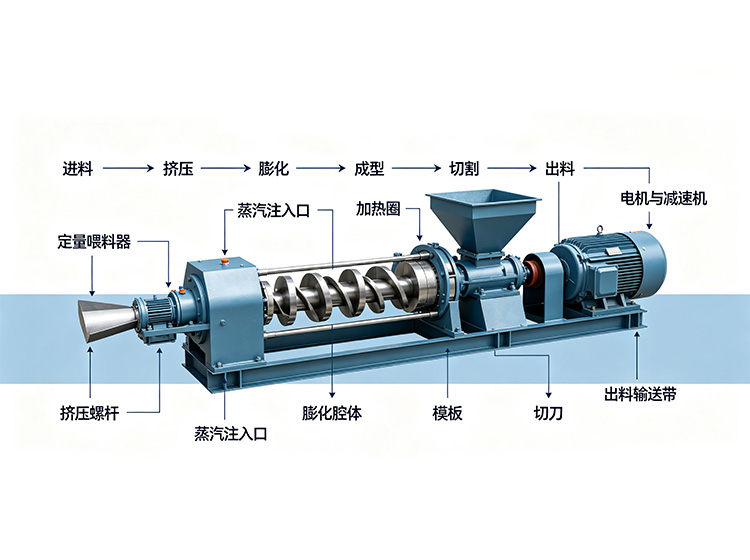
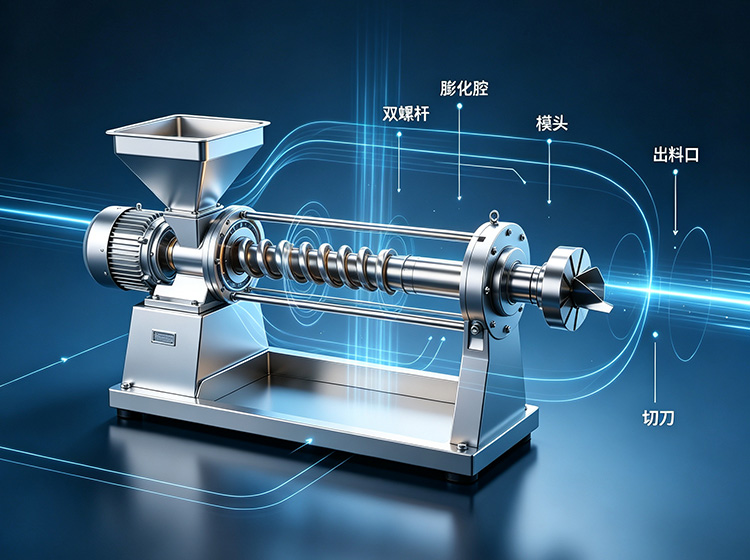
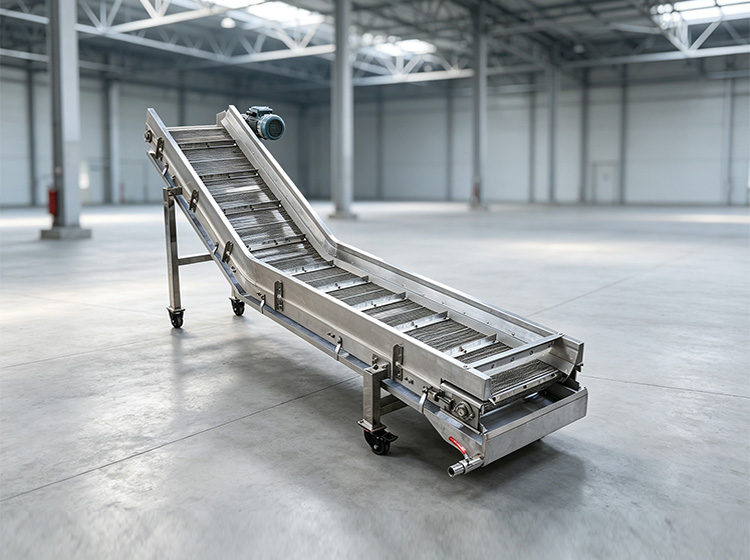
Food processing machinery is further subdivided into material handling equipment, washing and sorting machinery, cutting and crushing machinery, separation equipment, mixing machinery, pre-cooking and sterilization equipment, frying and baking equipment, concentration equipment, and food drying machinery.

Packaging machinery includes packaging equipment, packaging printing machinery, packaging container manufacturing machinery, and packaging material processing machinery, among others.

Subject: Overview of Food Machinery;Development of the Food Industry and Food Machinery: From traditional workshop-style production methods before the 1950s to the period from the 1950s to the 1970s, the food processing industry and the food machinery sector achieved substantial progress, initially establishing an independent mechanical industry system.After the reform and opening-up policy in the 1980s, the food industry entered a period of rapid development.With the implementation of the opening-up policy and the introduction of foreign investment, a large number of food processing enterprises in the forms of wholly foreign-owned and joint ventures have emerged, and the food machinery industry has completely formed an independent category of the mechanical industry.

Subject: Overview of Food Machinery;Development Prospects: The global food machinery industry still has a long way to go, with vast market potential.The main reason is that most of the food consumed internationally remains unprocessed primary agricultural products.Every year, a significant amount of food resources cannot be directly processed due to the lack of necessary food processing machinery;Losses due to improper storage and preservation can reach billions of yuan, while resource waste resulting from the lack of deep processing and comprehensive utilization is even more severe.Therefore, international food machinery has broad market prospects and development potential.Currently, the international food equipment manufacturing industry is in an upswing, with food safety issues receiving increasing attention, and equipment upgrades and replacements have become the primary trend.For this reason, the international food equipment manufacturing industry will continue to maintain a growth trend for a considerable period in the future, with increasing levels of automation, which will also drive the rapid development of automation components.

What conditions should be considered during implementation or selection?

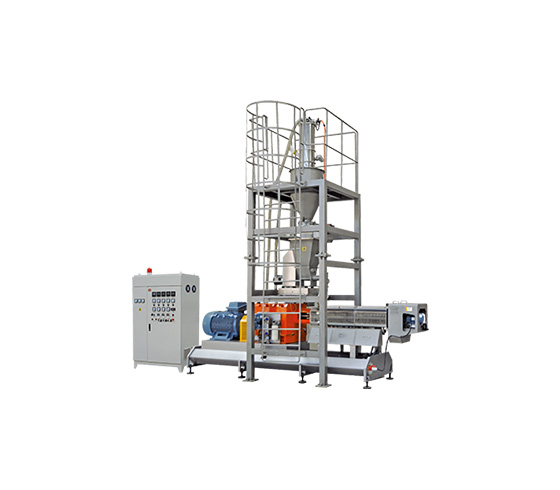
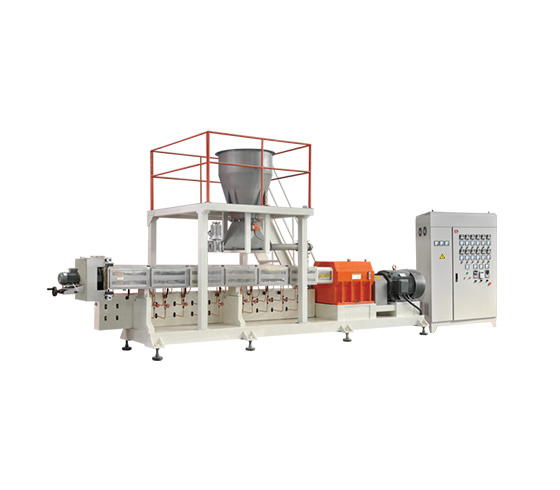
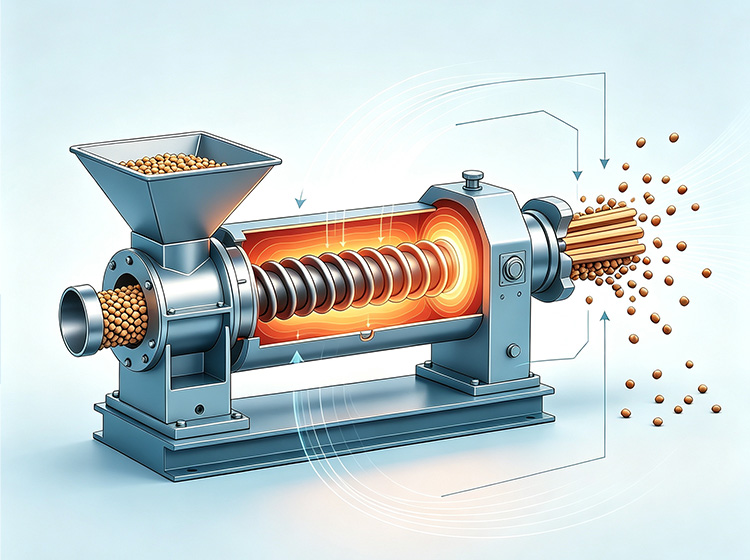
First, it is essential to clarify the product type, raw material state, formulation direction, and expected finished product requirements.For projects involving extrusion, forming, drying, frying, conveying, seasoning, or packaging, the processing capacity and cycle time of each stage must be matched to avoid discrepancies between individual equipment capacity and the overall line requirements.

Secondly, the installation plan should be evaluated in conjunction with the workshop's spatial layout and utility conditions, including power supply, water supply, steam, or gas.Equipment configuration should also take into account long-term operational factors such as cleaning, maintenance, safety protection, spare parts supply, and operator training.Any process or equipment capabilities mentioned in this document are for reference only in the context of solution discussions and preliminary assessments.Specific model numbers, power ratings, production capacities, temperatures, and times shall be subject to the formal technical proposal and the results of trial runs or on-site verification.

Frequently Asked Questions

Can the equipment be determined directly based on the standard configuration?

Not recommended.Different raw materials, product structures, target production capacities, and downstream processes can affect the equipment configuration.It is more prudent to confirm the product and process conditions before proceeding with the configuration assessment.

How to obtain more targeted advice?

It is recommended to prepare product images or sample information, raw material and formulation guidelines, target production capacity, existing workshop conditions, and planned downstream equipment configurations.Dayi Machinery can further discuss the applicable process routes and equipment configuration options based on this.

This article is compiled based on the "Overview of Food Machinery" materials provided by Dayi Machinery, with the aim of helping readers understand the relevant topics.For technical requirements related to specific projects, please refer to the actual product documentation and engineering confirmation results.