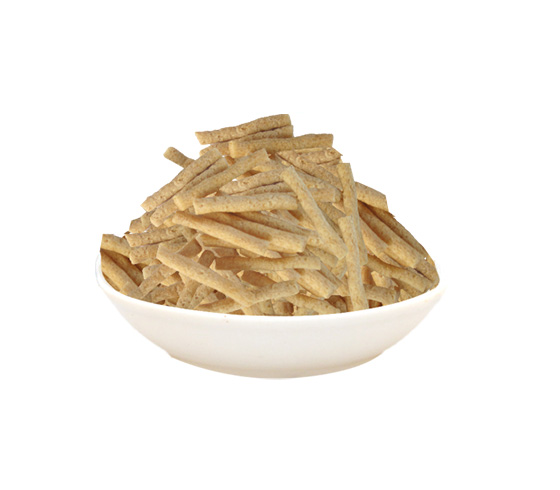
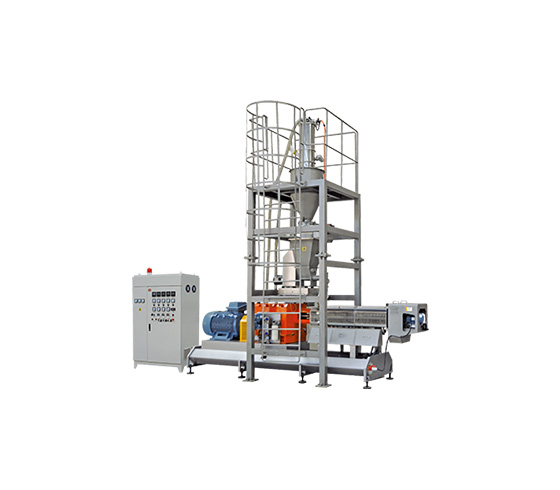
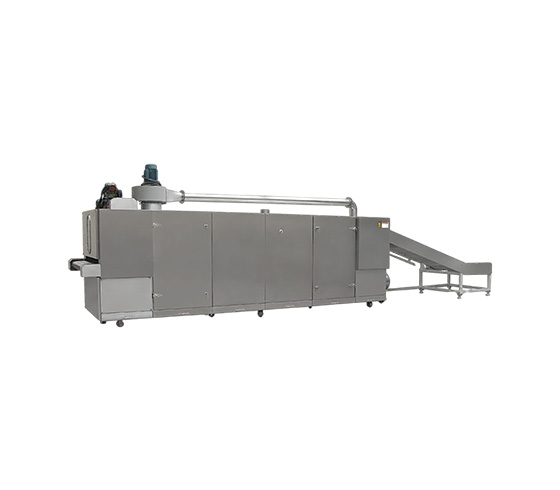
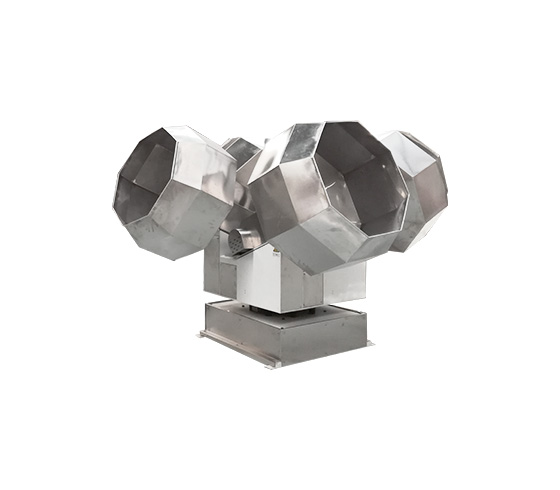
Hot Topic Analysis in Food Machinery: Small Grains Involve Process, Equipment Selection, and Operational Management Issues in Food Processing and Production.The actual solution should be confirmed based on raw material characteristics, target product specifications, production scale, and on-site conditions, and should not be determined solely by single equipment parameters.
Hot Topics in Food Machinery Analysis: Key Points of Small Grains
As consumers increasingly pursue healthy eating trends, whole grains are appearing more frequently on family dining tables, becoming an indispensable and delicious part of daily meals.Supported by drying technology, conditioning technology, and modern production equipment, grains represented by millet have also accelerated the development of convenience foods.A variety of instant millet porridge, multi-grain meal replacement powders, and other products not only meet people's demand for convenient dining but also add fuel to the high-quality transformation and upgrading of the traditional grain industry.
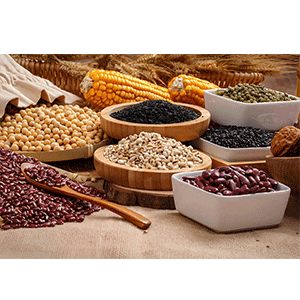
As the saying goes, "Whole grains and cereals strengthen the body, while vegetables and radishes ensure well-being."Cereal crops such as rice, soybeans, corn, wheat, potatoes, millet, buckwheat, sorghum, and oats are essential components of the daily dietary nutrition for humans.By comparison, fine grains such as rice are commonly consumed, while coarse grains, due to their rough texture, are mostly used for making porridge or producing rice noodle products.However, in recent years, with the growing health awareness of consumers, the nutritional value of whole grains has gained wider recognition. Multi-grain rice and multi-grain porridge have re-entered households and other consumption scenarios, gradually becoming commonplace.The continuous improvement in the combination of coarse and fine grains is beneficial to people's health.
However, despite being influenced by long-standing dietary habits, coarse grains are not lacking in market demand; they enjoy high social recognition, hold a relatively high market share, and have shown rapid growth in recent years.However, both the cooking and processing of coarse grains are relatively lengthy. Coupled with the limited number of deeply processed coarse grain products and low market competitiveness under extensive development, coarse grains, despite their reputation for health benefits, struggle to find a breakthrough in the market.As the pace of life accelerates and the food industry develops rapidly, consumers are increasingly inclined to choose convenient, nutritious, and delicious fast food in scenarios such as “solo dining” and office settings, which points the way for the development of the coarse grain industry.
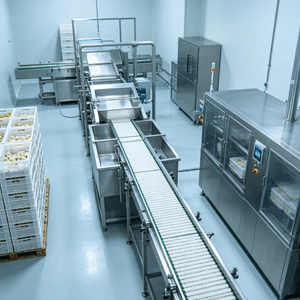
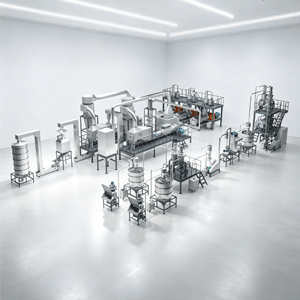
It is understood that Yishi Enterprise in Taiyuan, Shanxi, has achieved an effective integration of various production factors required for technological innovation through industry-academia-research collaboration with universities dedicated to advancing technological innovation in millet porridge.In recent years, the accelerated transformation of scientific and technological achievements has provided technical support for the industrial upgrading of Shanxi's coarse grain sector, renowned as the "Kingdom of Minor Grains."With the addition of an automated and intelligent millet porridge production line, instant millet porridge products that are ready to eat upon mixing were successfully launched.On the other hand, the millet porridge not only eliminates the need for slow simmering that was previously required for such products, but also greatly enhances convenience of consumption, while ensuring quality, nutrition, color, and flavor.
Currently, local instant millet porridge has been sold nationwide and has entered overseas markets.In addition, with the first phase of the company's convenient millet porridge production line put into operation in June last year, the annual output of this product is expected to reach approximately 300 million cups.Upon completion of the second phase, the annual production capacity of millet porridge will increase to 1 billion cups, further laying a solid foundation for the revitalization of local industries.
Moreover, multi-grain meal replacement powder has emerged as a key growth area in the industry in recent years.To ensure that meal replacement powder delivers both high nutrition and excellent taste, food-grade grinding equipment is used for pulverization during production. By precisely controlling equipment parameters, fine powder meeting required standards is produced. The resulting product dissolves easily, has a pleasant aroma without off-flavors, and is convenient to consume.
The health trend is booming, and the market prospects for small coarse grains are broad.For coarse cereals, which are still primarily produced and sold in single forms, the application of new technologies and processes is a key driver for extending the coarse cereals industry chain and is crucial for achieving high-quality rural revitalization in the region.
What conditions should be considered during implementation or selection?
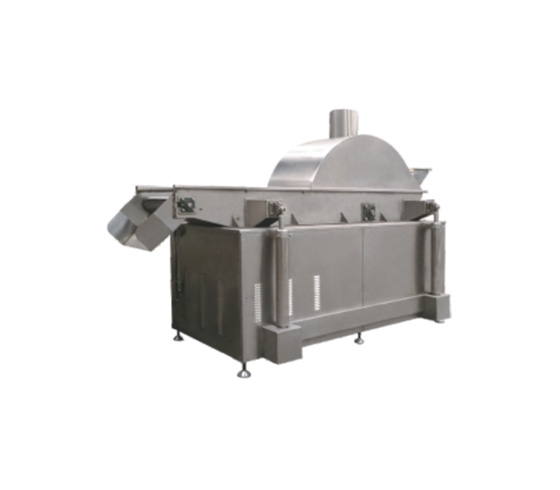
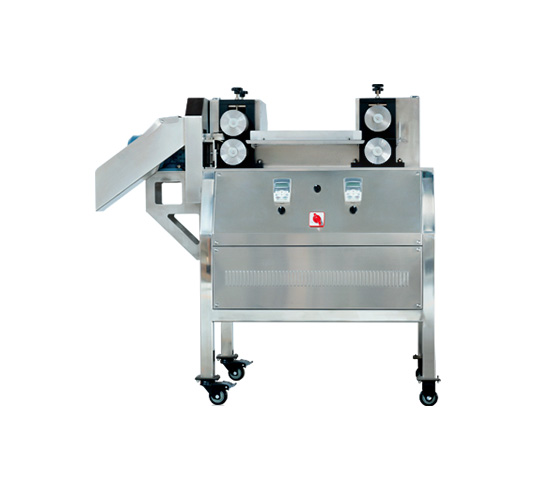
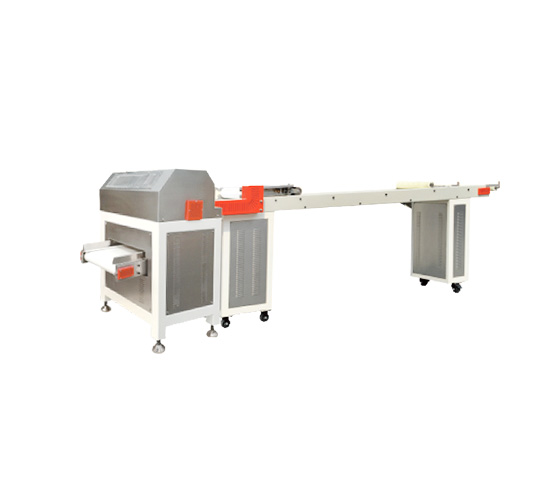
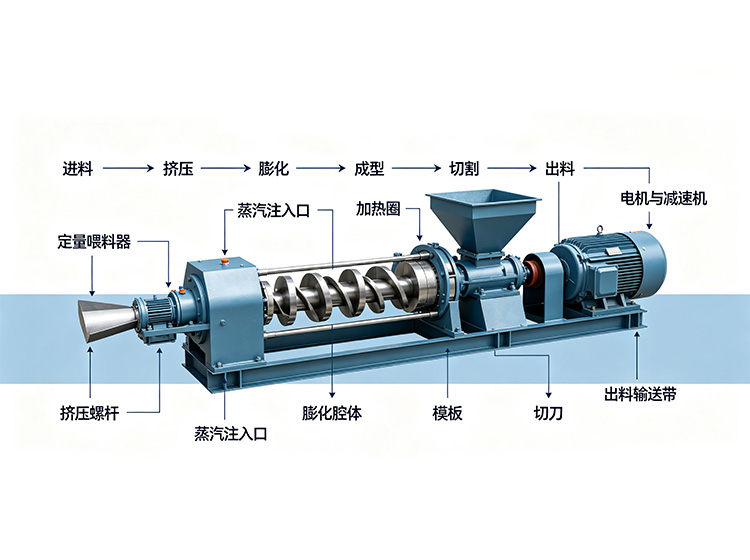
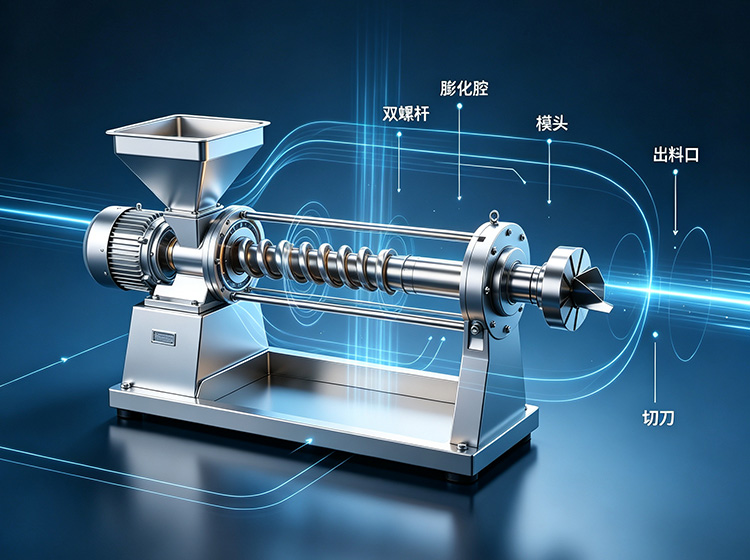
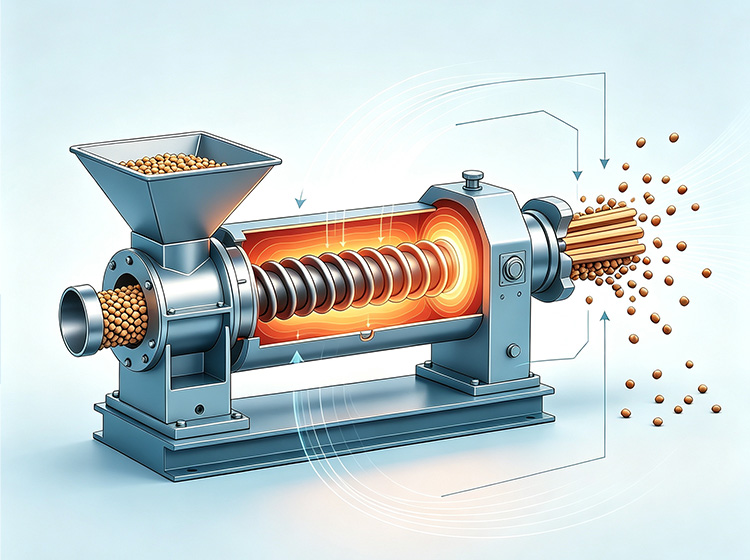
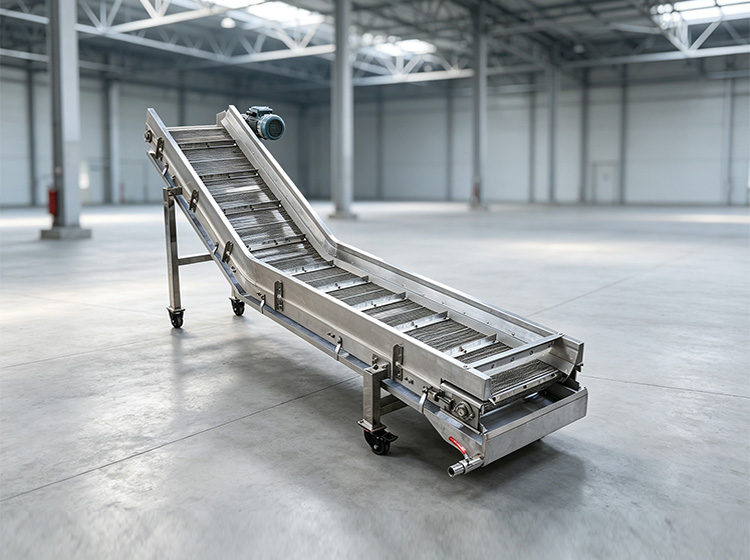
First, it is essential to clarify the product type, raw material state, formulation direction, and expected finished product requirements.For projects involving extrusion, forming, drying, frying, conveying, seasoning, or packaging, the processing capacity and cycle time of each stage must be matched to avoid discrepancies between individual equipment capacity and the overall line requirements.
Secondly, the installation plan should be evaluated in conjunction with the workshop's spatial layout and utility conditions, including power supply, water supply, steam, or gas.Equipment configuration should also take into account long-term operational factors such as cleaning, maintenance, safety protection, spare parts supply, and operator training.Any process or equipment capabilities mentioned in this document are for reference only in the context of solution discussions and preliminary assessments.Specific model numbers, power ratings, production capacities, temperatures, and times shall be subject to the formal technical proposal and the results of trial runs or on-site verification.
Frequently Asked Questions
Can the equipment be determined directly based on the standard configuration?
Not recommended.Different raw materials, product structures, target production capacities, and downstream processes can affect the equipment configuration.It is more prudent to confirm the product and process conditions before proceeding with the configuration assessment.
How to obtain more targeted advice?
It is recommended to prepare product images or sample information, raw material and formulation guidelines, target production capacity, existing workshop conditions, and planned downstream equipment configurations.Dayi Machinery can further discuss the applicable process routes and equipment configuration options based on this.
This article is compiled based on the materials provided by Dayi Machinery, titled “Hot Topics Analysis of Food Machinery: Minor Grains,” with the aim of helping readers understand the relevant topics.For technical requirements related to specific projects, please refer to the actual product documentation and engineering confirmation results.