Food Machinery Improves Milk Powder Quality

Published:2026-07-18

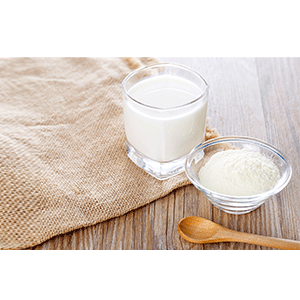
Food machinery plays a key role in enhancing milk powder quality, addressing issues related to the process, equipment selection, and operational management of food processing and production equipment.The actual solution should be confirmed based on raw material characteristics, target product specifications, production scale, and on-site conditions, and should not be determined solely by single equipment parameters.

Key Points for Food Machinery to Enhance the Quality of Milk Powder

Infant formula milk powder has long been a hot topic of public concern in China.The infant formula industry in China has experienced significant setbacks, making it one of the key food sectors prioritized for development and regulatory oversight by the national government.Revitalizing the infant formula industry requires not only government policy support but also the assistance of relevant food machinery.

Recently, the Central Committee of the Communist Party of China and the State Council issued the "Opinions on Deepening Reform and Strengthening Food Safety Work."This document clarifies the current food safety situation and sets forth overall requirements and objectives.Notably, the document also specifically proposes implementing a program to enhance domestically produced infant formula, aiming to significantly improve the quality, competitiveness, and reputation of Chinese infant formula over a three-year period.

First, the action requires infant formula manufacturers to achieve a 100% self-inspection report rate.The “100%” indicator fully demonstrates China’s current high priority on the quality and safety of infant formula.It is understood that the self-inspection of milk powder includes not only safety testing of finished products but also safety testing of raw milk.Food safety testing equipment is indispensable during the self-inspection process.

Currently, there is a wide variety of food safety testing equipment available on the market.The rapid food safety detector can be used to test the microbial content in milk powder and raw milk.The heavy metal detector can be used to detect heavy metal contamination in milk powder and raw milk.Liquid chromatography instruments can be used to detect veterinary drug residues, among other applications.Because infants and young children are far more vulnerable than adults, the regulation of milk powder quality will be stricter, which also requires corresponding food safety testing equipment to have higher precision and more stable performance.

Secondly, the action plan stipulates that imported milk powder must be affixed with standardized labels.In other words, imported milk powder packaging must be affixed with standardized Chinese labels.Standardized labels must not only have complete content and clear printing, but also must not exhibit any wrinkling or detachment.To ensure label compliance, professional labeling equipment can be used for the labeling process.

Currently, labeling equipment on the market features high automation, fast labeling speed, and stable operation.The labeling machine can improve label adhesion quality, preventing label edges from lifting or even detaching.This equipment applies glue evenly, reducing issues such as label wrinkling.In addition, the labeling machine can precisely position the label placement, ensuring consistent label positioning that enhances the aesthetic appeal of product packaging and thereby strengthens product competitiveness.

Finally, the action plan also mentions that the government supports infant formula milk powder enterprises in establishing and controlling their own milk source bases, promoting specialized, large-scale, and intelligent production at these bases, and enhancing the quality of raw milk.To achieve specialized, large-scale, and intelligent production at dairy source bases, specialized and intelligent production equipment is indispensable.

The first step in raw milk production is milking; however, manual milking is not only inefficient but also prone to causing human-induced contamination of dairy products.Improper force application can also injure dairy cows, leading to a decrease in milk yield.To avoid these issues, professional milking equipment has emerged on the market to assist with milking operations.In addition, the sterilization and disinfection of raw milk is an important process that cannot be overlooked.It is understood that pasteurizers are typically used for the sterilization of raw milk.Pasteurization effectively eliminates most harmful microorganisms while preserving the original flavor and quality of the raw milk to the greatest extent possible.

In recent years, numerous infant formula brands such as Feihe, Beingmate, and Yashili have emerged in China, leading to increasingly fierce market competition.Today, many overseas infant formula companies are also targeting the Chinese market, hoping to secure a share.To win this “battle,” domestic infant formula manufacturers must not only rely on government support but also promptly update their production processes and equipment to genuinely enhance the quality of their formulas.

What conditions should be considered during implementation or selection?

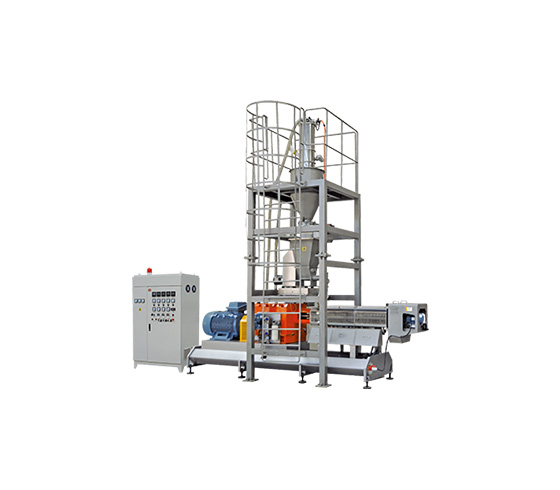
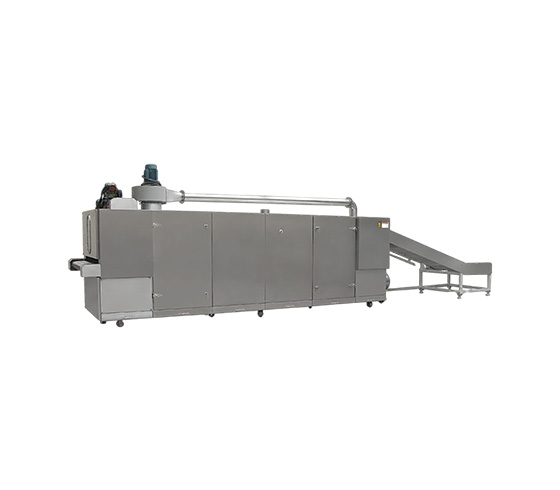
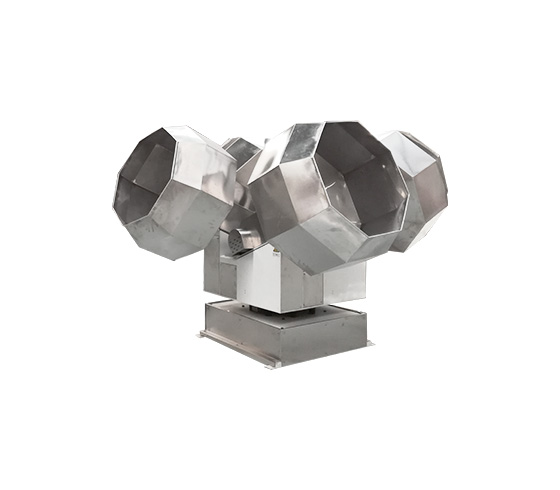
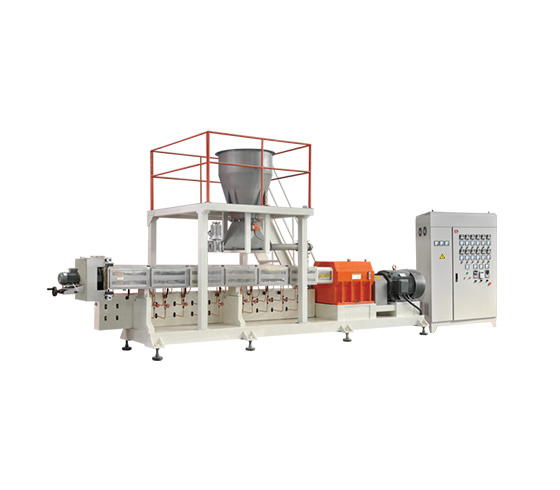
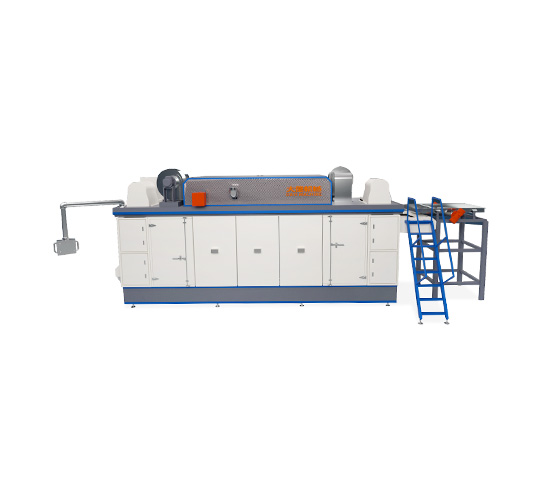
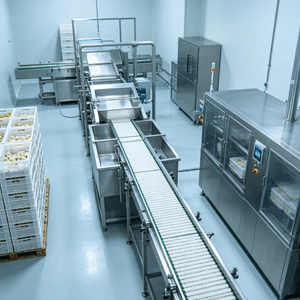
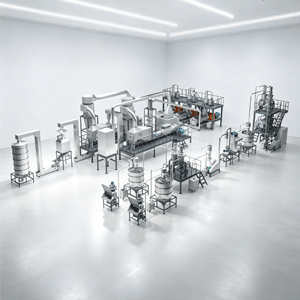
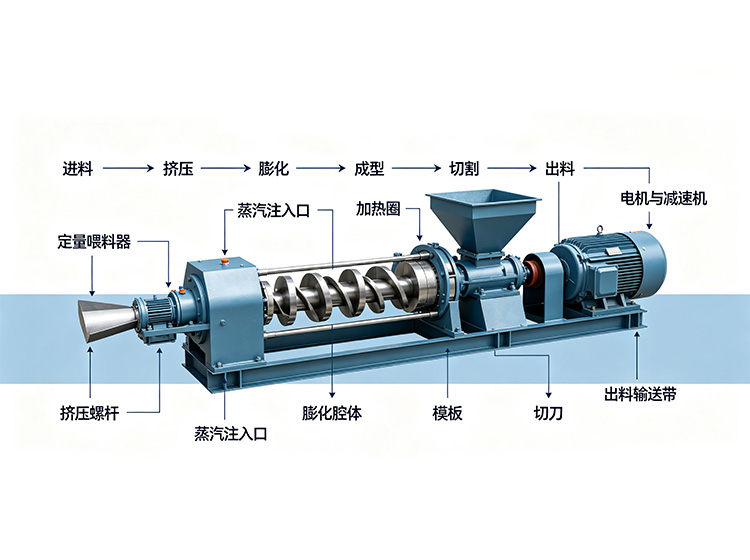
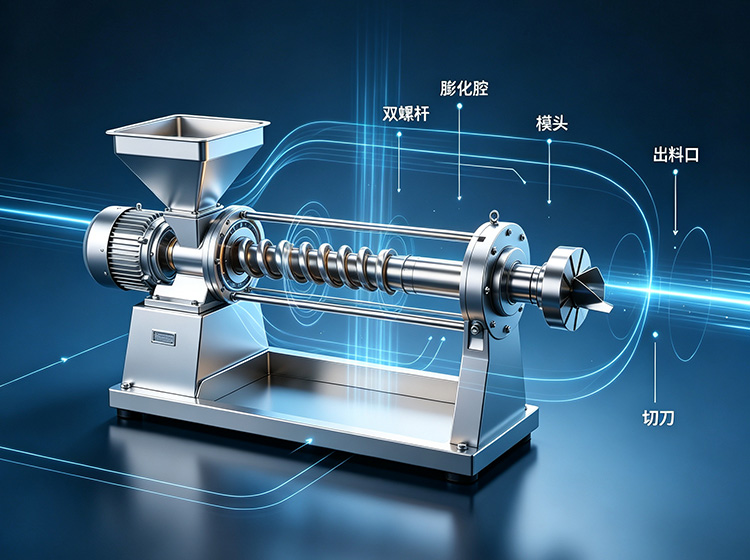
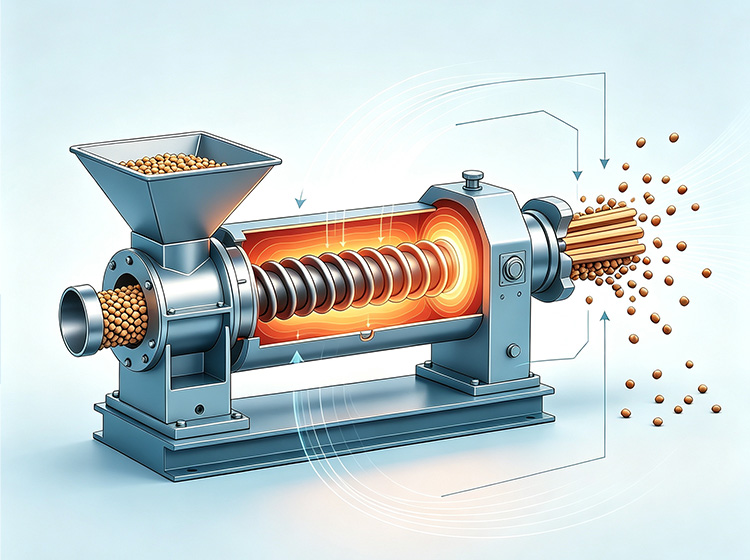
First, it is essential to clarify the product type, raw material state, formulation direction, and expected finished product requirements.For projects involving extrusion, forming, drying, frying, conveying, seasoning, or packaging, the processing capacity and cycle time of each stage must be matched to avoid discrepancies between individual equipment capacity and the overall line requirements.

Secondly, the installation plan should be evaluated in conjunction with the workshop's spatial layout and utility conditions, including power supply, water supply, steam, or gas.Equipment configuration should also take into account long-term operational factors such as cleaning, maintenance, safety protection, spare parts supply, and operator training.Any process or equipment capabilities mentioned in this document are for reference only in the context of solution discussions and preliminary assessments.Specific model numbers, power ratings, production capacities, temperatures, and times shall be subject to the formal technical proposal and the results of trial runs or on-site verification.

Frequently Asked Questions

Can the equipment be determined directly based on the standard configuration?

Not recommended.Different raw materials, product structures, target production capacities, and downstream processes can affect the equipment configuration.It is more prudent to confirm the product and process conditions before proceeding with the configuration assessment.

How to obtain more targeted advice?

It is recommended to prepare product images or sample information, raw material and formulation guidelines, target production capacity, existing workshop conditions, and planned downstream equipment configurations.Dayi Machinery can further discuss the applicable process routes and equipment configuration options based on this.

This article is compiled based on the materials provided by Dayi Machinery, titled “Food Machinery Helps Improve the Quality of Milk Powder,” with the aim of helping readers understand the relevant topics.For technical requirements related to specific projects, please refer to the actual product documentation and engineering confirmation results.