Producing Cat Food with Extrusion Puffing and Forming Equipment: Part 2

Published:2026-07-18

How to produce cat food using extrusion puffing machines and forming equipment?(Part Two) addresses issues related to the process, selection, or operational management of food processing and production equipment.The actual solution should be confirmed based on raw material characteristics, target product specifications, production scale, and on-site conditions, and should not be determined solely by single equipment parameters.

How to produce cat food using extrusion puffing machines and forming equipment?Key Points of Part Two

Characteristics of Wet Food and Production Process FEATURE

Wet food has the following characteristics:

Moisture content exceeds 80%

Difficult to preserve after opening

Wide variety

Among the four types of cat food, it has the highest moisture content, a soft texture, and is easy to consume.Due to its high moisture content, it can rehydrate cats while supplementing their nutrition.

Due to its high moisture content, it is highly susceptible to spoilage upon exposure to air. It should be consumed as soon as possible after opening, and no later than the following day.

Packaging formats include cans, pouches, aluminum containers, plastic cups, and other types.

While complete and balanced pet foods are available, most are used as snacks or rewards between meals.

Although wet food can serve as a complete and balanced diet, most products on the market are primarily intended as reward treats or supplementary food.

Production Process

The basic production process for wet food is as follows:

(1) Raw Material Receiving

(2) Raw Material Pre-treatment

(3) Raw Material Mixing

(4) Exhaust sealing

(5) Sterilization and Cooling

(6) Cleaning, packaging, inspection, and boxing

Shipping

① Raw Material Receiving

In the production facility, incoming raw materials are inspected, and only those that meet established standards are used.

To prevent quality deterioration, standardized storage management should be implemented based on the characteristics of the raw materials.

② Raw Material Pre-treatment

Wet food is primarily made from meat and fish as raw materials.

Thoroughly clean the raw materials, removing the fish heads and internal organs.After steaming at 100°C, the fish is peeled and deboned.

For foreign materials that cannot be removed by visual inspection or sorting equipment, metal detectors can be used for detection.

③ Raw Material Mixing

Cut, mix, and fill the raw materials into cans or packaging bags.During this process, it is necessary to supplement the missing nutrients and additives.

④ Exhaust sealing

Before sealing, the air inside the can or bag must be removed (degassing).

Effective degassing prevents changes in flavor and nutritional components, and blocks the intrusion of moisture and bacteria.

⑤ Sterilization and Cooling

To prevent microbial proliferation, heating and sterilization must be performed within the specified time frame after raw material processing.

To prevent quality deterioration, cool to below 40°C immediately after sterilization.

⑥ Cleaning, packaging, inspection, and boxing

Remove oil stains and other contaminants from the container surface, conduct random sampling inspections upon opening, and store the product in an environment suitable for maintaining quality.

⑦ Shipping

Handle with care during transportation to prevent damage to the container from severe impacts.

Air is removed from the interior of wet food before sealing, followed by heat sterilization, allowing it to maintain its original flavor for an extended period before opening.

Characteristics of Dry Kibble FEATURE

Soft dry food has the following characteristics:

Moisture content 25-35%

Cooling after heating and foaming, no drying process required

Use of preservatives and additives

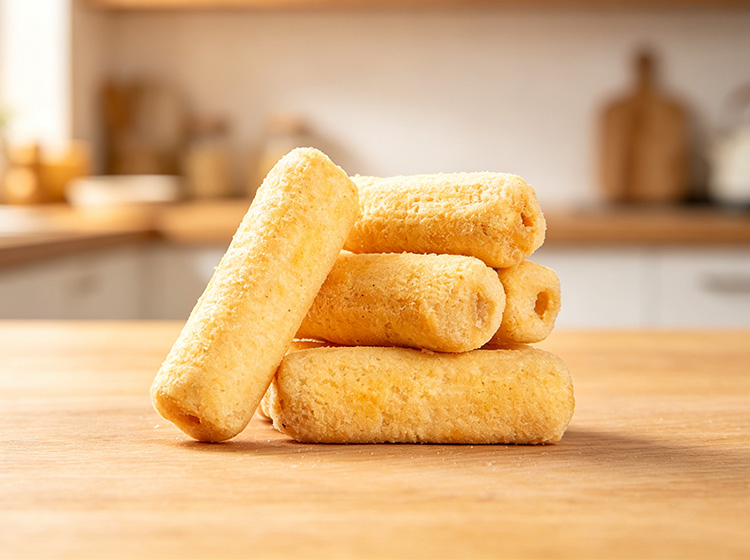
This is a soft-textured cat food that falls between dry and wet food.

Although the moisture content is lower than that of wet food, it is still prone to spoilage after opening, so it is recommended to consume it as soon as possible.

Semi-cooked types also include semi-moist food.Both have a moisture content of 25-35%, but their manufacturing processes differ from those of semi-moist foods.Soft dry kibble undergoes heat expansion treatment like regular dry kibble, followed by direct cooling without a drying process.

Use preservatives

To maintain product quality after opening, preservatives are often added; be sure to check the ingredients.

About Semi-Moist Pet Food

Propylene glycol was once used as a humectant in semi-moist pet food, but research has shown it to be highly toxic to cats, and its use in cat food production is now prohibited.

Therefore, semi-moist cat food is no longer produced in the market today.

Summary

Based on moisture content and manufacturing processes, cat food can be divided into four major categories, although semi-moist cat food is now rarely produced.

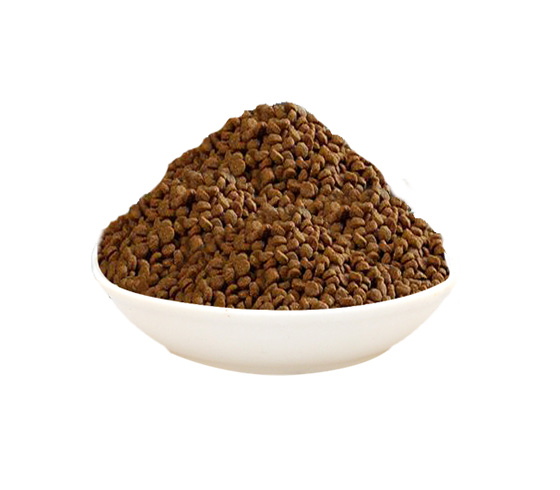
The moisture content of dry food is below 10%, resulting in a longer shelf life.

By mixing the chopped raw materials and heating them with steam to 100°C, the starch is gelatinized, thereby improving the cat's digestion and absorption rate.

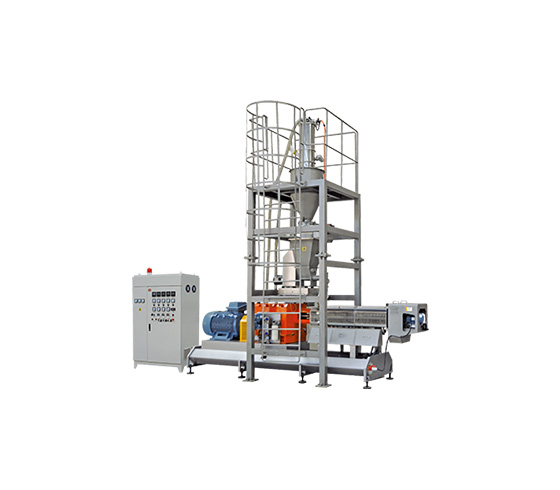
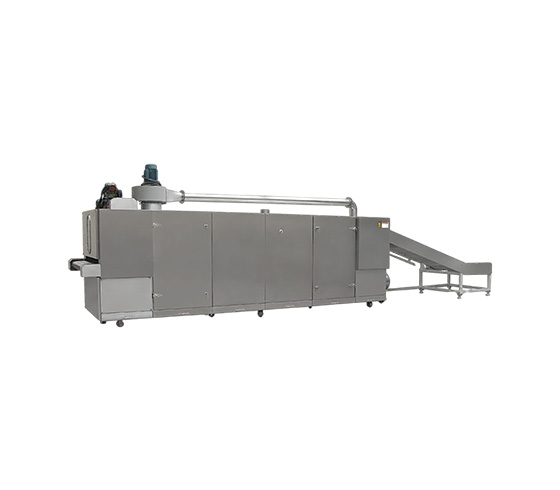
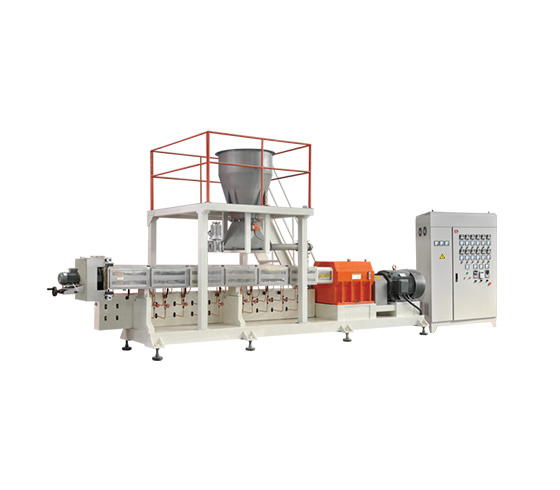
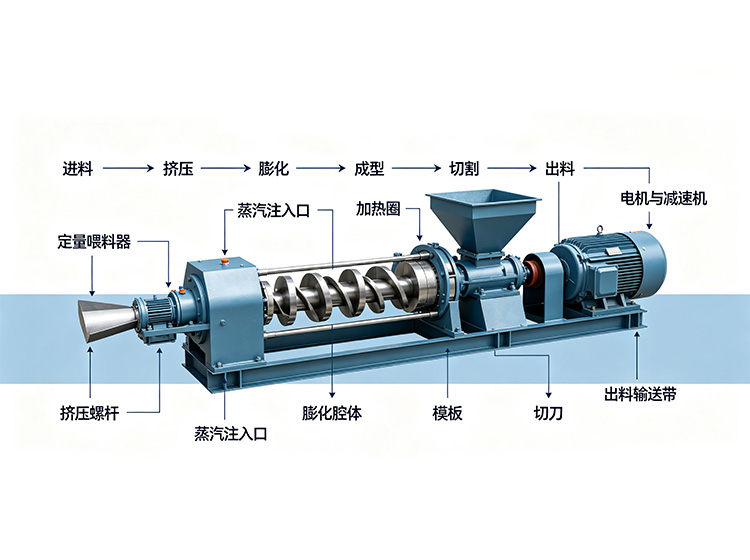
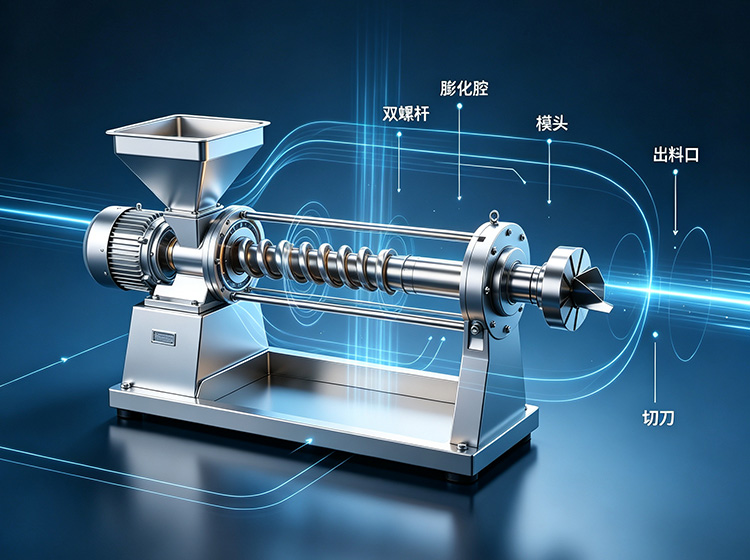
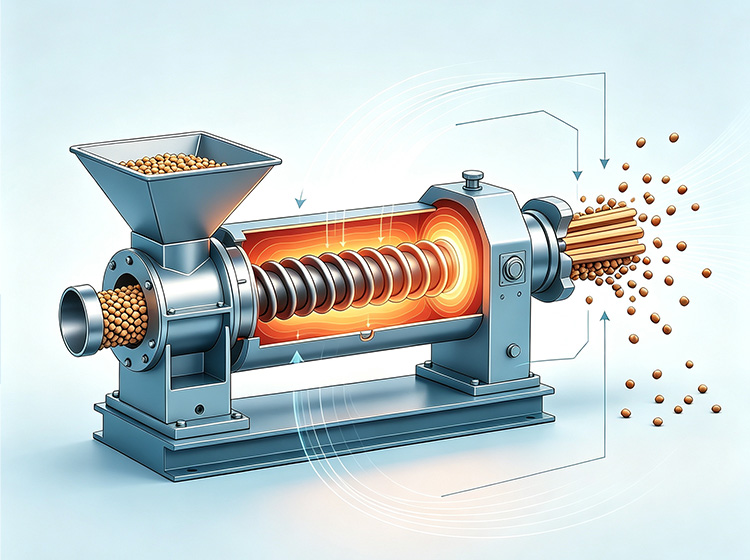
The production process utilizes extrusion forming equipment, known as an extrusion puffing machine, for heating and pressurization, followed by drying and cooling in an oven.

Wet food has a moisture content of over 80%, allowing for hydration during feeding.

Prone to spoilage after opening; consume by the following day.

By removing air before sealing, it prevents the loss of flavor and nutrients, and blocks the intrusion of moisture and bacteria.

After raw material processing, heating and sterilization must be carried out within the specified time frame.

The moisture content of both dry kibble and semi-moist food is 25-35%, but their production processes differ.After heating and expansion, the soft dry food is cooled without the need for drying.Semi-moist pet food is not subjected to heat expansion treatment and typically contains preservatives.

What conditions should be considered during implementation or selection?

First, it is essential to clarify the product type, raw material state, formulation direction, and expected finished product requirements.For projects involving extrusion, forming, drying, frying, conveying, seasoning, or packaging, the processing capacity and cycle time of each stage must be matched to avoid discrepancies between individual equipment capacity and the overall line requirements.

Secondly, the installation plan should be evaluated in conjunction with the workshop's spatial layout and utility conditions, including power supply, water supply, steam, or gas.Equipment configuration should also take into account long-term operational factors such as cleaning, maintenance, safety protection, spare parts supply, and operator training.Any process or equipment capabilities mentioned in this document are for reference only in the context of solution discussions and preliminary assessments.Specific model numbers, power ratings, production capacities, temperatures, and times shall be subject to the formal technical proposal and the results of trial runs or on-site verification.

Frequently Asked Questions

Can the equipment be determined directly based on the standard configuration?

Not recommended.Different raw materials, product structures, target production capacities, and downstream processes can affect the equipment configuration.It is more prudent to confirm the product and process conditions before proceeding with the configuration assessment.

How to obtain more targeted advice?

It is recommended to prepare product images or sample information, raw material and formulation guidelines, target production capacity, existing workshop conditions, and planned downstream equipment configurations.Dayi Machinery can further discuss the applicable process routes and equipment configuration options based on this.

This article is based on the guide "How to Use Extrusion Puffing and Forming Equipment to Produce Cat Food?" provided by Dayi Machinery.(Part Two) document compilation, aimed at helping readers understand the relevant topics;For technical requirements related to specific projects, please refer to the actual product documentation and engineering confirmation results.