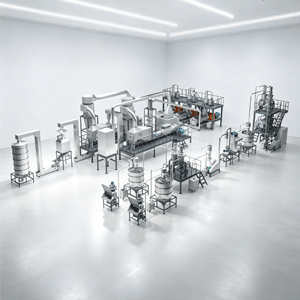
The introduction of five food production lines covers issues related to the process, equipment selection, and operational management of food processing and production equipment.The actual solution should be confirmed based on raw material characteristics, target product specifications, production scale, and on-site conditions, and should not be determined solely by the parameters of a single piece of equipment.
Key Points for Introducing Five Types of Food Production Lines
The following introduces five food production lines.
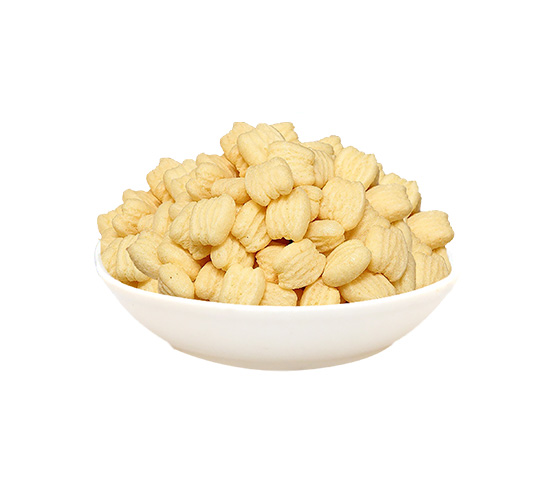
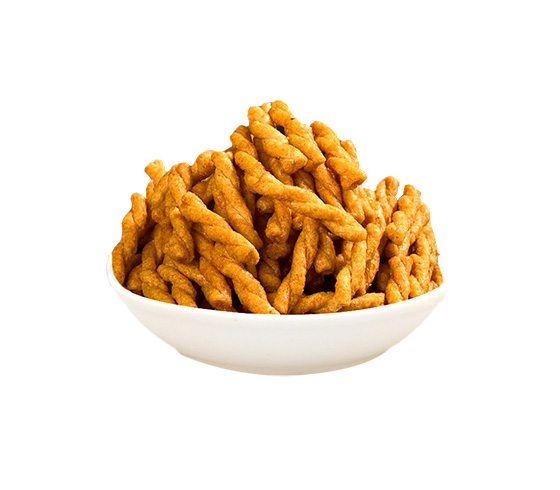
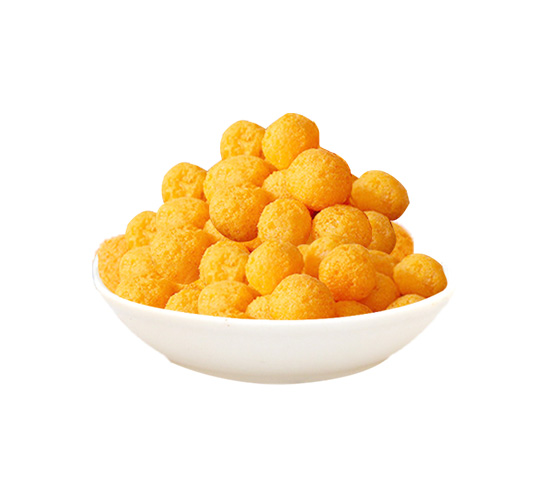
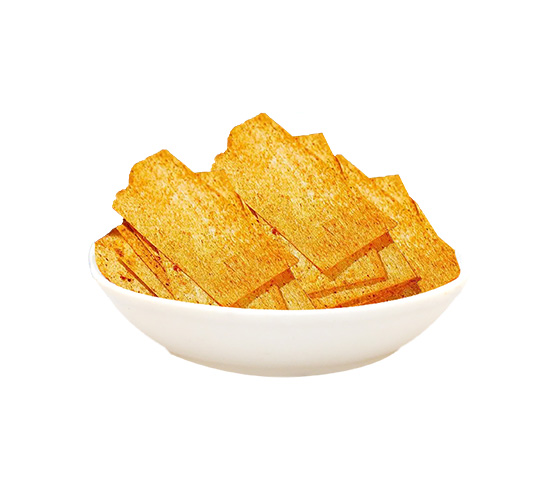
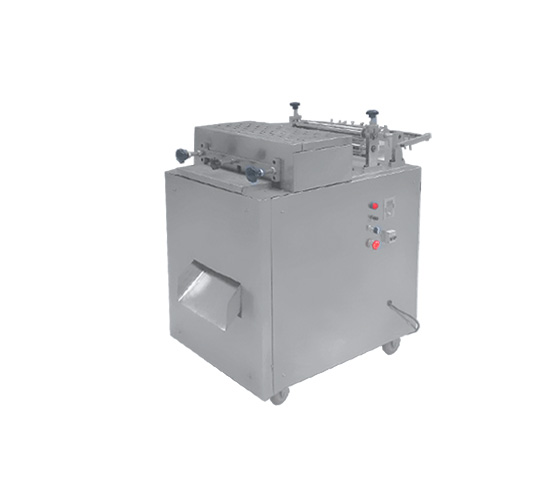
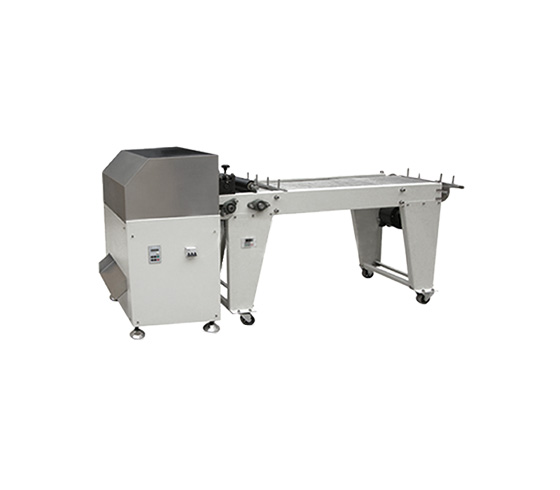
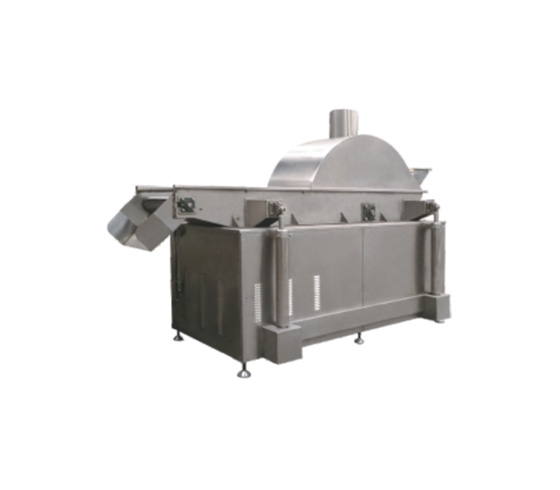
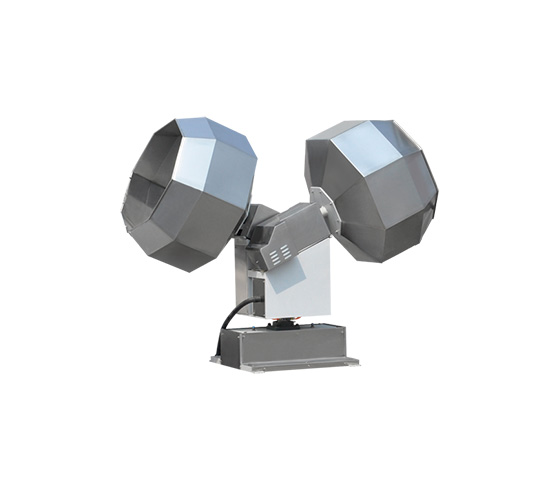
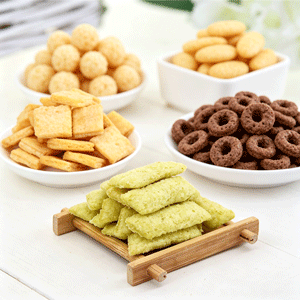
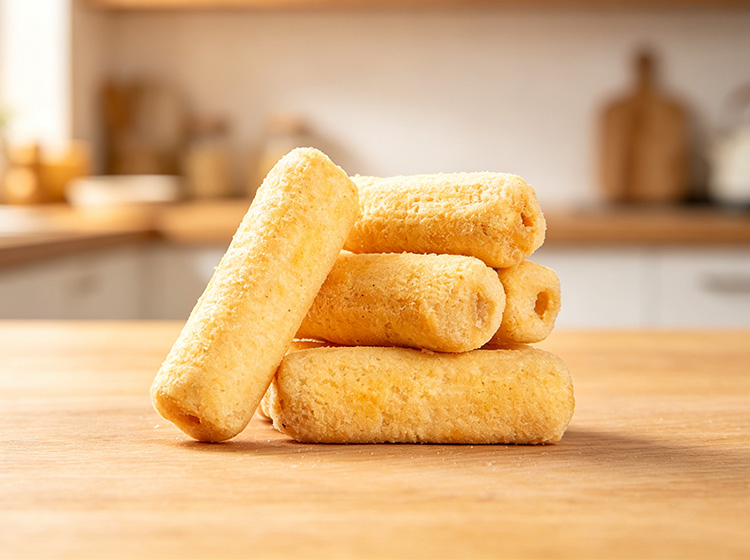
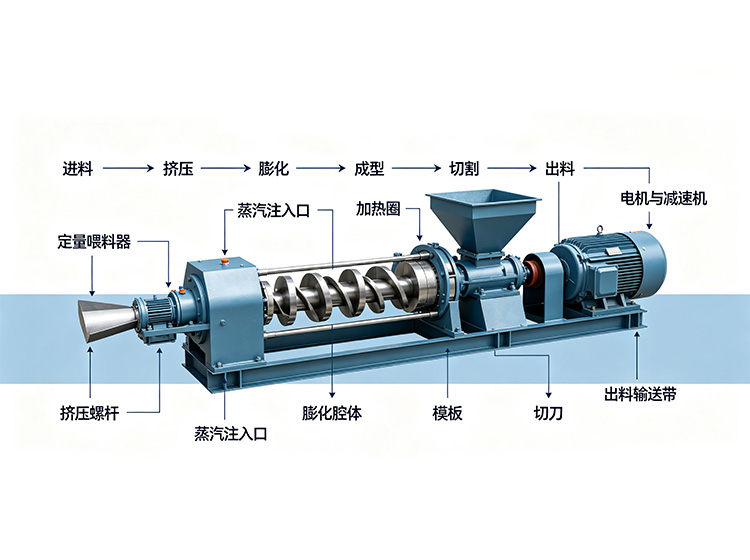
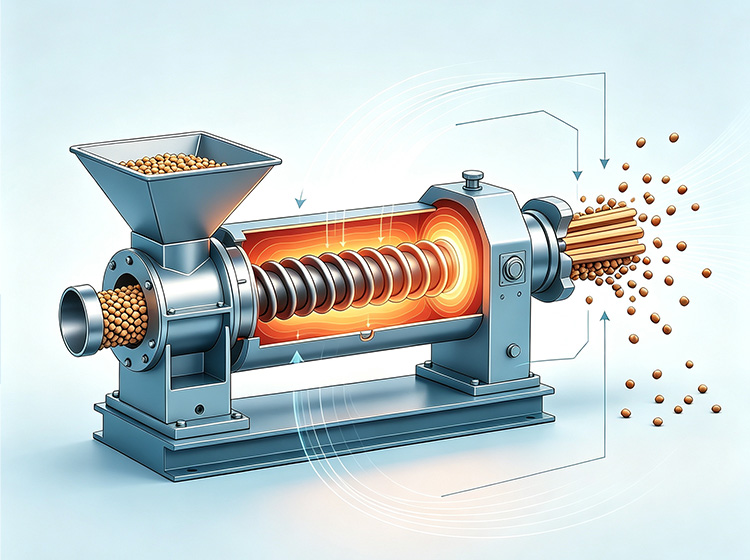
Puffed Snack Food Production Line This puffed food machinery uses raw materials such as wheat flour, corn starch, cassava starch, potato starch, and whole wheat potato flour. The materials are extruded into various shapes, then dried, fried, and seasoned to produce leisure puffed snacks with a delicate and crispy texture, smooth surface, and high shape fidelity.
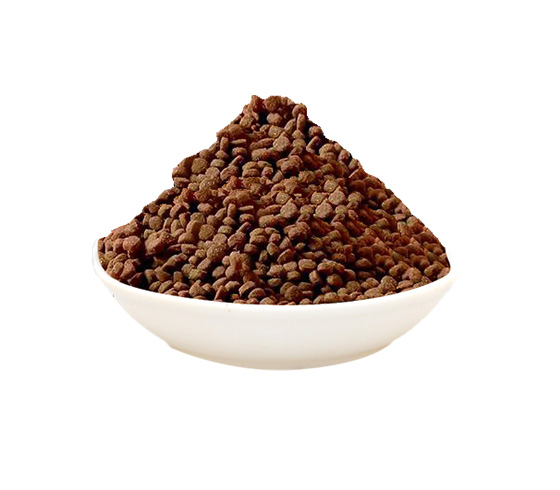
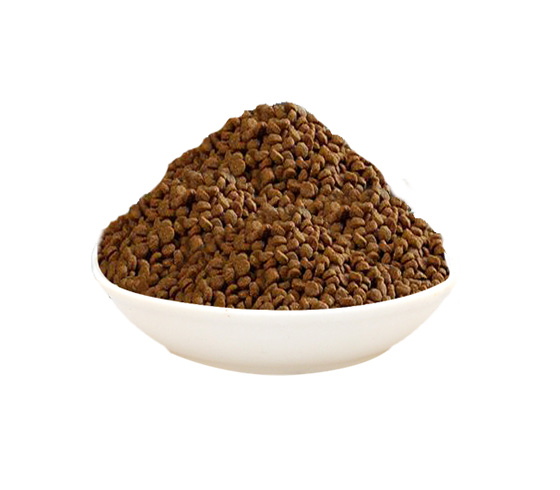
Pet Food Production Line
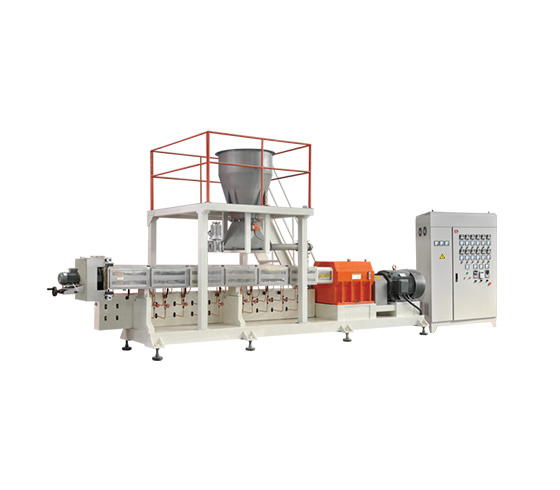
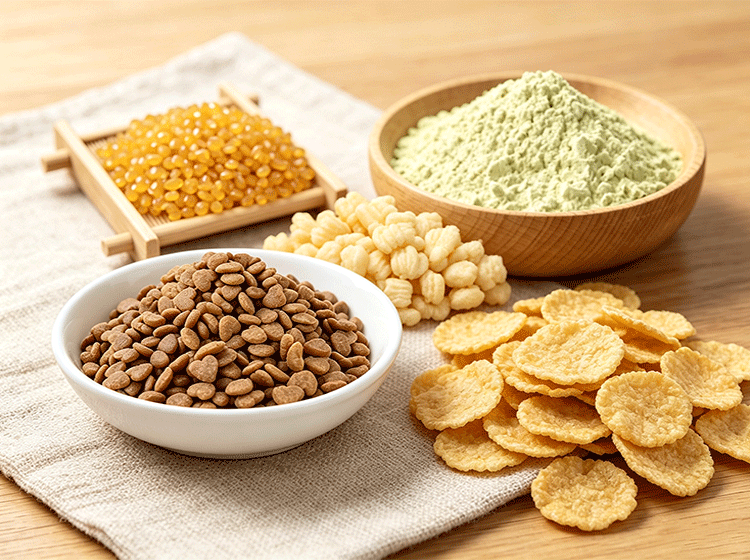
With the significant increase in the variety of pet species, each category is further divided into adult and juvenile, leading to increasingly stringent requirements for pet food.To meet this market demand, the company has developed a variety of pet food production lines.The production line configuration varies depending on the output capacity.The production equipment allows for adjustable process parameters such as raw materials, temperature, and moisture content, resulting in products with novel shapes, unique textures, rich nutrition, and fine consistency, catering to the diverse tastes of different pets.This production line is widely used in the production of feed for dogs, cats, fish, shrimp, foxes, birds, and various other pets, making it an ideal choice for manufacturers of different scales.
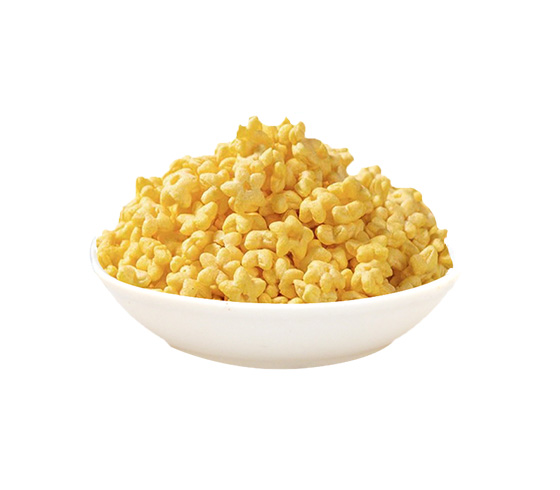
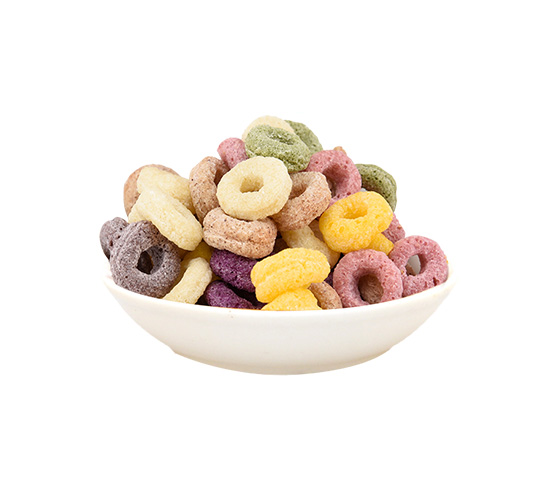
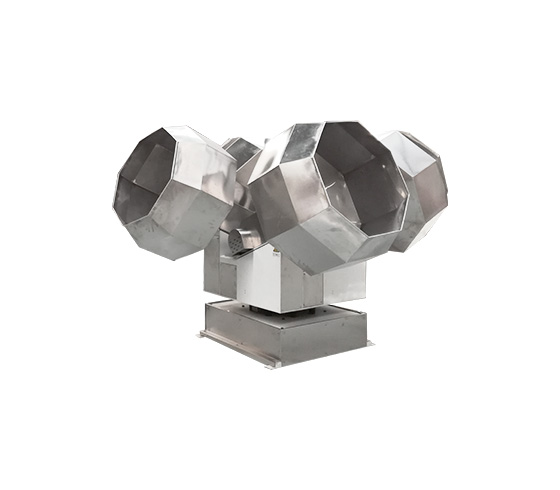
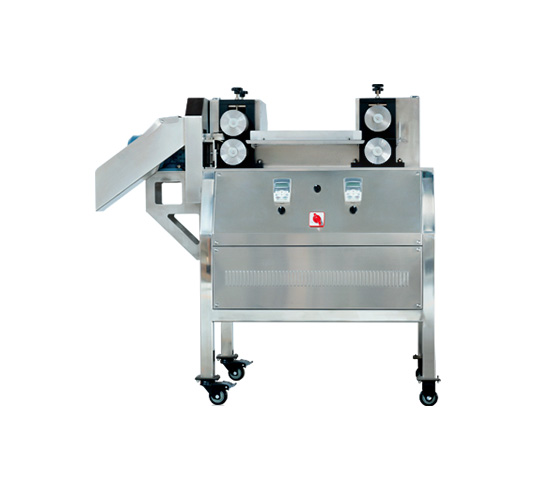
Corn Flakes Production Line: This production line uses grains such as corn, wheat, and oats as raw materials. The grains are cooked, steamed, and granulated through an extrusion puffing machine, then processed through flaking, baking, and coating steps to produce crispy, ready-to-eat breakfast corn flakes in original, sweet, and savory flavors.Corn flake breakfast cereals can be fortified with various trace elements, such as vitamins and minerals, and may also include ingredients like cocoa, sugar, honey, and maltose.Ready to consume when mixed with milk, coffee, yogurt, or energy drinks.Children can also enjoy breakfast cereals as a sweet and crispy snack.Depending on the flavor, light, sweet, and salty corn chips are also available.
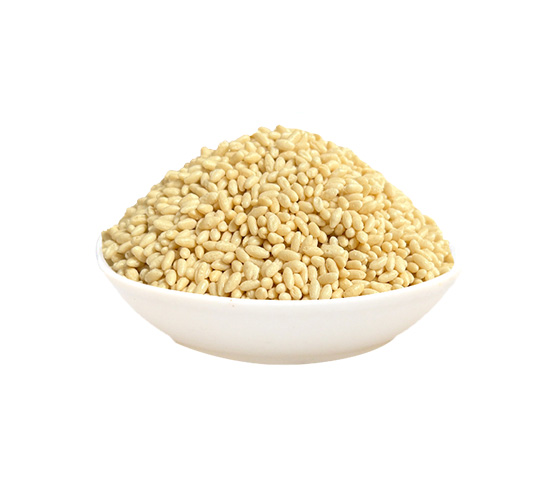
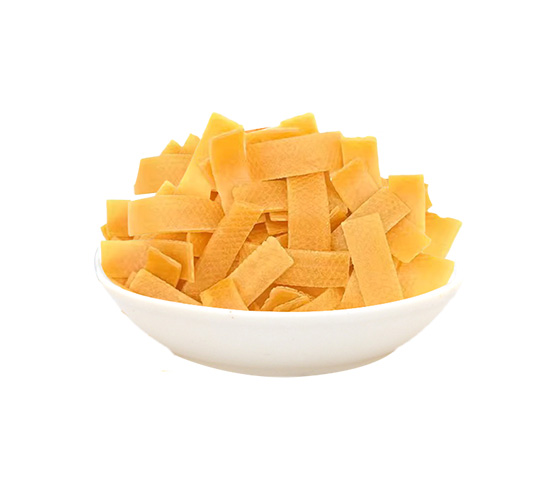
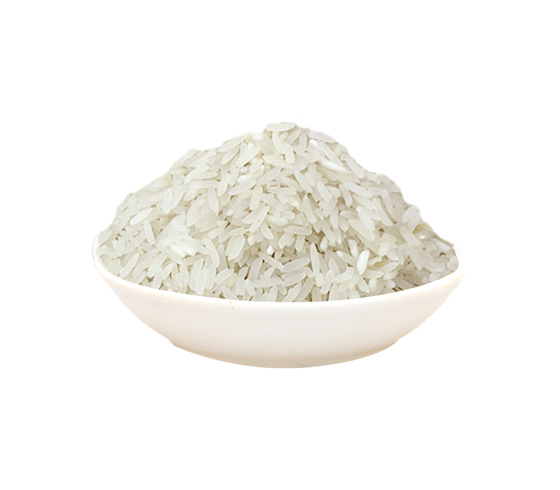
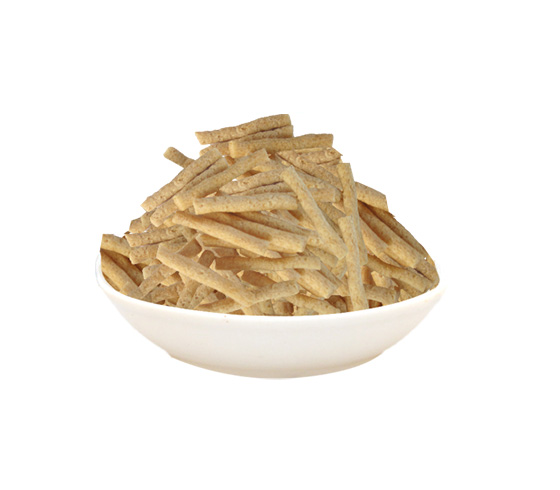
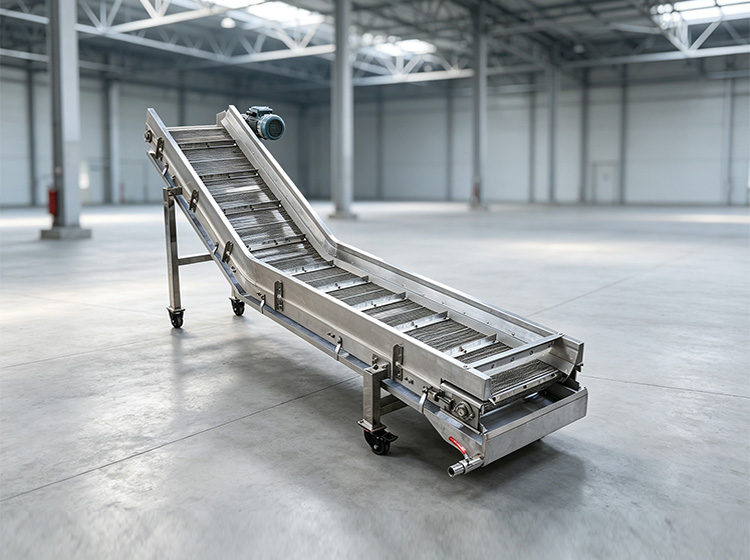
Artificial rice production line: Raw material preparation → Mixing → Screw conveyor → Extrusion, cooking, and granulation → Pneumatic conveying → Drying → (Packaging)
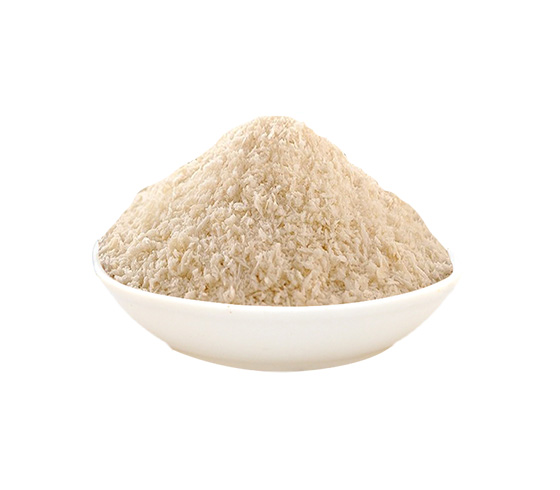
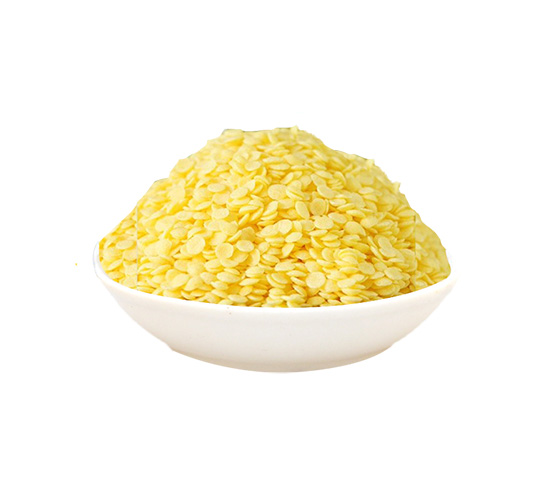
Nutritional Powder Production Line
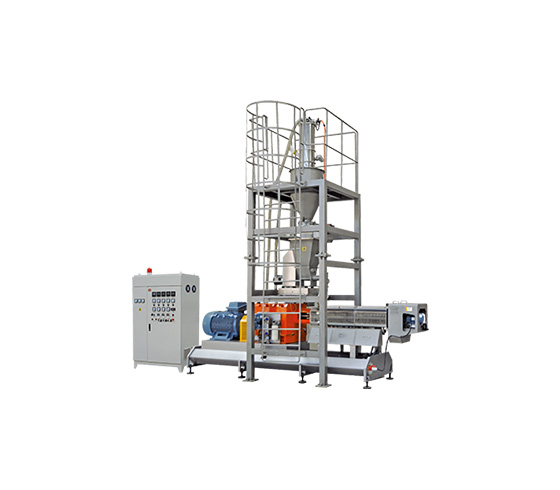
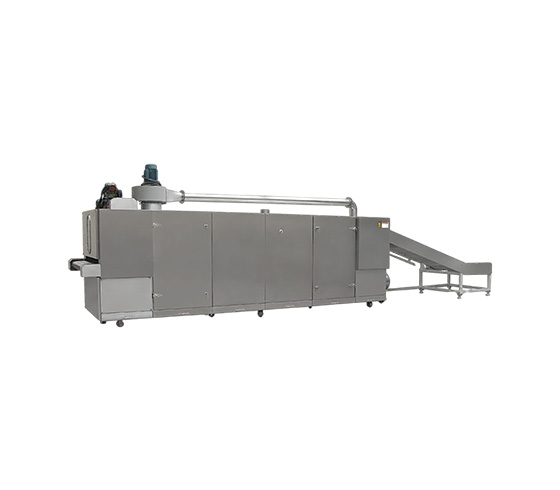
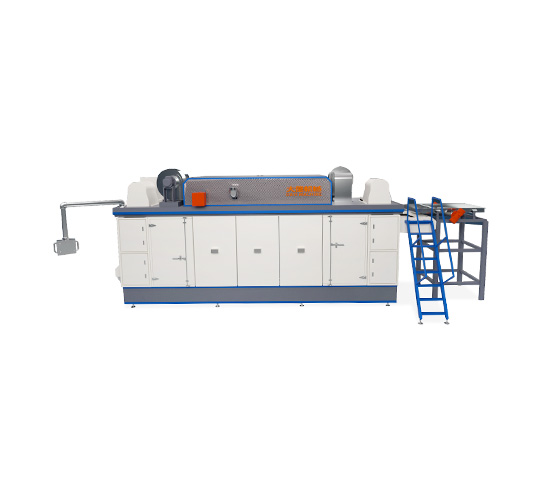
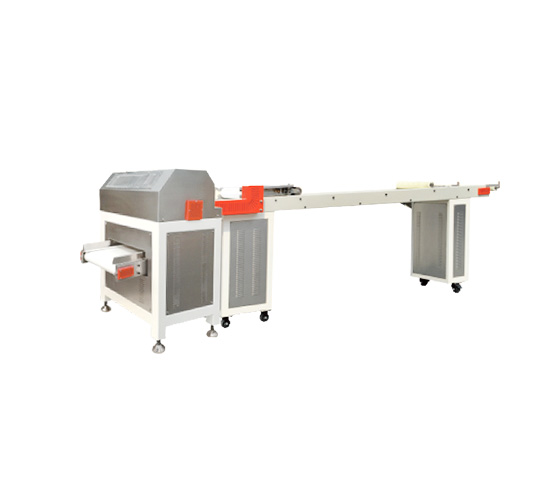
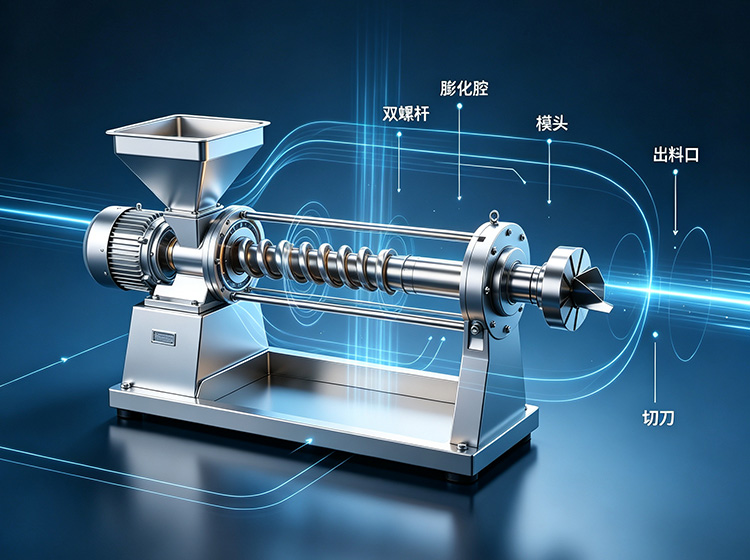
Mixer (optional, available as large or small mixer), screw feeder (optional, manual feeding), Model 65 twin-screw extruder, blower, continuous circulation oven (electric, fuel-fired, or gas-fired), grinder unit, etc.
What conditions should be considered during implementation or selection?
First, it is essential to clarify the product type, raw material state, formulation direction, and expected finished product requirements.For projects involving extrusion, forming, drying, frying, conveying, seasoning, or packaging, the processing capacity and cycle time of each stage must be matched to avoid discrepancies between individual equipment capacity and the overall line requirements.
Secondly, the installation plan should be evaluated in conjunction with the workshop's spatial layout and utility conditions, including power supply, water supply, steam, or gas.Equipment configuration should also take into account long-term operational factors such as cleaning, maintenance, safety protection, spare parts supply, and operator training.Any process or equipment capabilities mentioned in this document are for reference only in the context of solution discussions and preliminary assessments.Specific model numbers, power ratings, production capacities, temperatures, and times shall be subject to the official technical proposal and the results of trial runs or on-site verification.
Frequently Asked Questions
Can the equipment be determined directly based on the standard configuration?
Not recommended.The equipment configuration is influenced by different raw materials, product structures, target production capacities, and downstream processes.It is more prudent to confirm the product and process conditions before proceeding with the configuration assessment.
How to obtain more targeted advice?
It is recommended to prepare product images or sample information, raw material and formulation guidelines, target production capacity, existing workshop conditions, and planned downstream equipment configurations.Dayi Machinery can further discuss the applicable process routes and equipment configuration options based on this.
This article is compiled based on the "Introduction to Five Food Production Lines" materials provided by Dayi Machinery, with the aim of helping readers understand the relevant topics.For technical requirements related to specific projects, please refer to the actual product documentation and engineering confirmation results.