Introduction to Pet Food Production Lines

Published:2026-07-18

Introduction to pet food production lines involves issues related to food processing and equipment technology, selection, or operational management. Actual solutions must be confirmed based on raw material characteristics, target products, production capacity, and site conditions—not solely on individual equipment parameters.

Key Points of the Pet Food Production Line Introduction

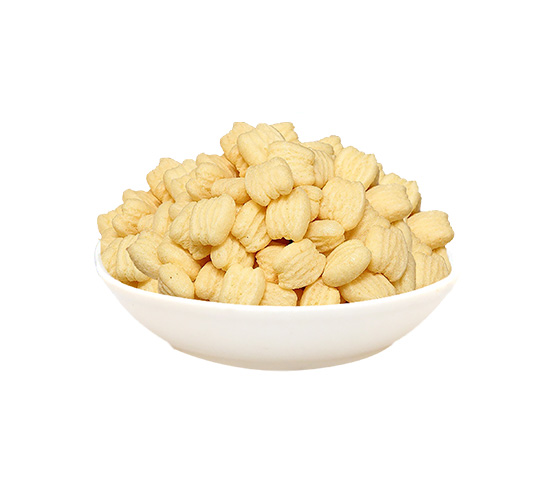
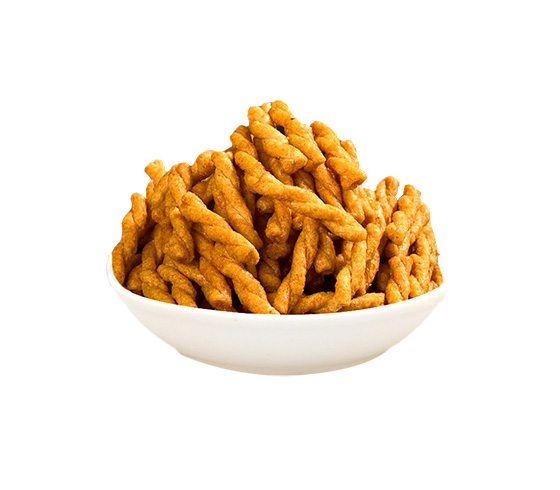
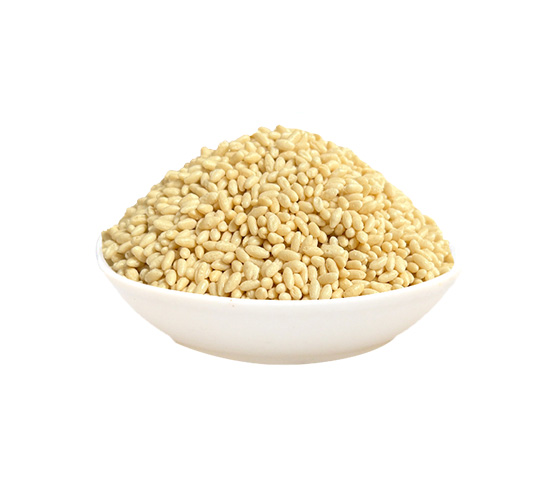
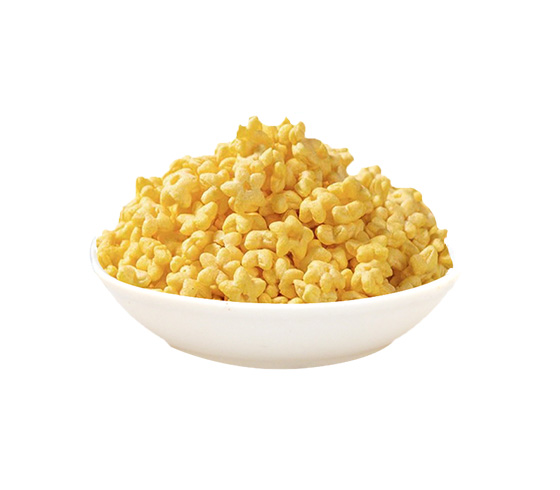
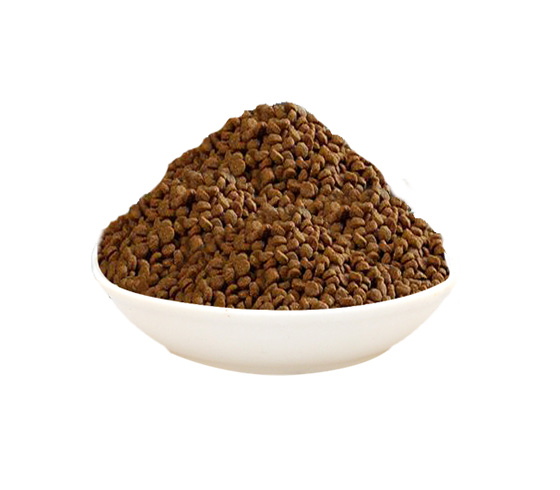
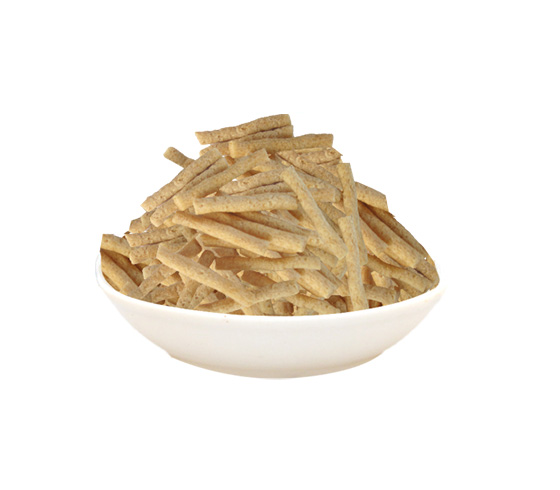
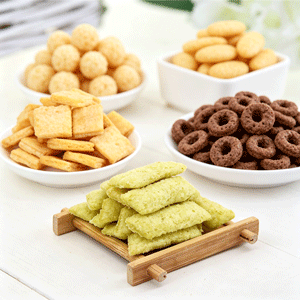
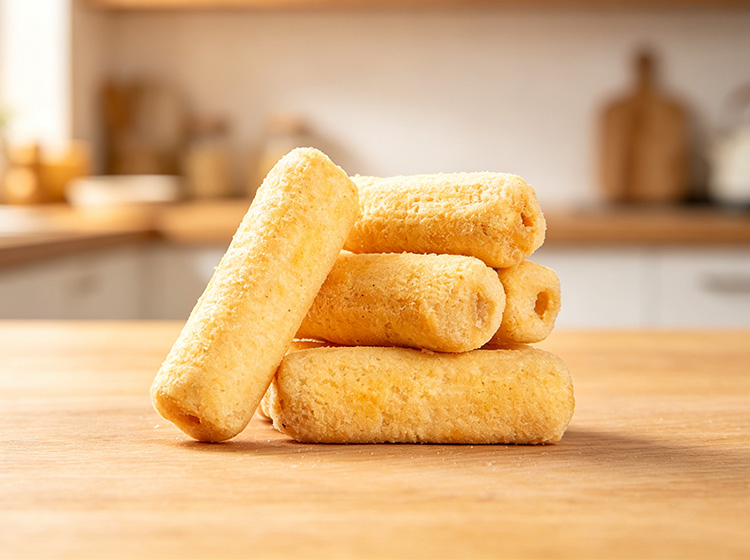
The pet food production line developed by our company imparts novel shapes, unique textures and colors to pet food, while meeting the demands of today’s pet food market through scientifically optimized nutritional formulations and excellent digestibility. For example, extruded dog chews—chewable pet food products available in stick-, bone- and other shapes—are manufactured via extrusion and expansion using scientifically formulated raw materials. These products not only supply essential nutrients such as protein, fat and vitamins to dogs, but also provide teething functionality for dogs of different ages, satisfying their natural chewing behavior. Simultaneously, they strengthen gums and jawbones, clean the oral cavity, remove dental calculus, and reduce the risk of disease transmission.

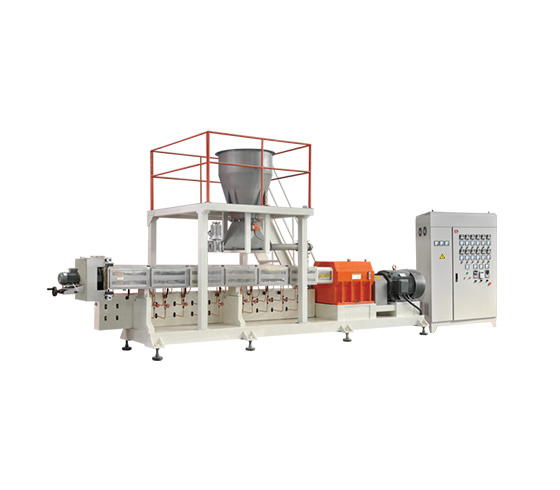
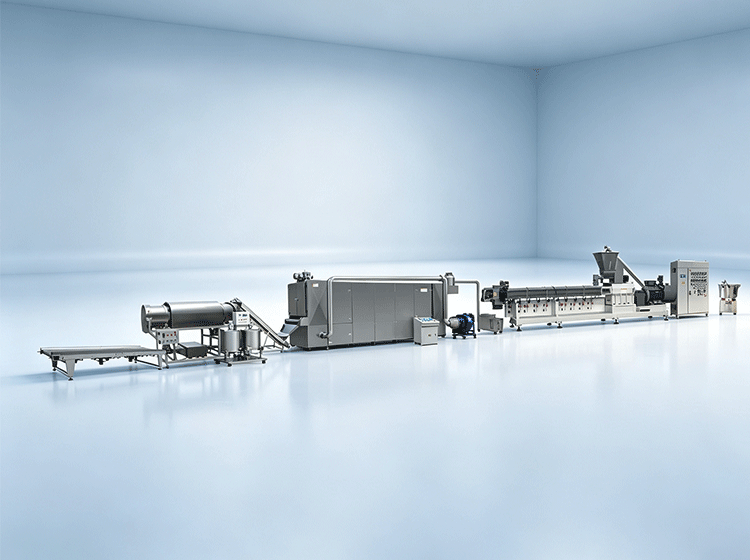
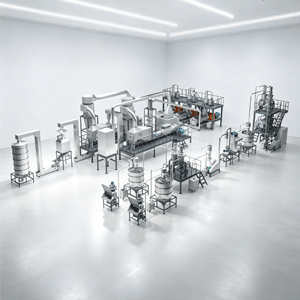
Pet Food Production Line Process Flow:

Mixer: Thoroughly and uniformly mixes raw materials required for production with a specified amount of water.

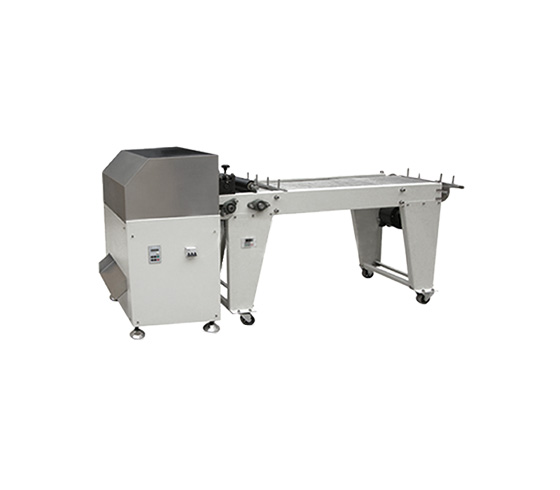
Screw Conveyor: Conveys the mixed raw materials using a screw feeding method to ensure uniform and stable feeding with minimal spillage.

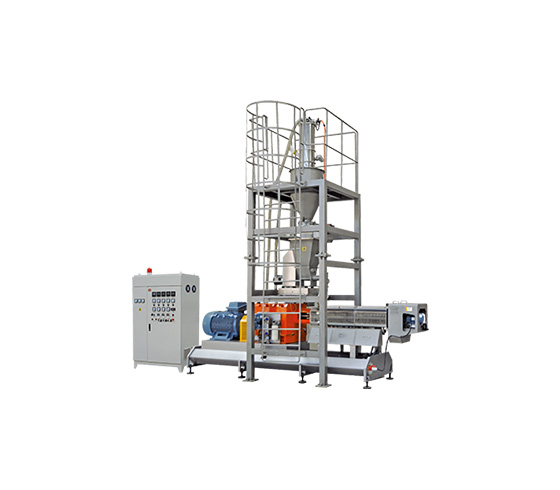
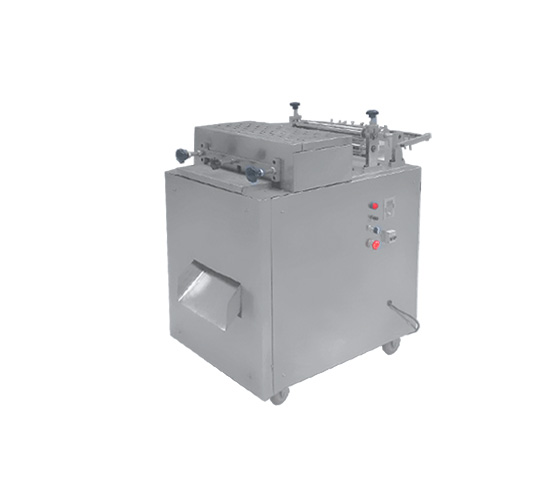
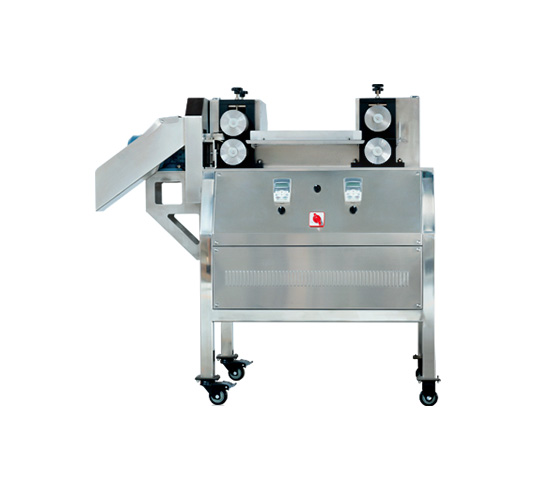
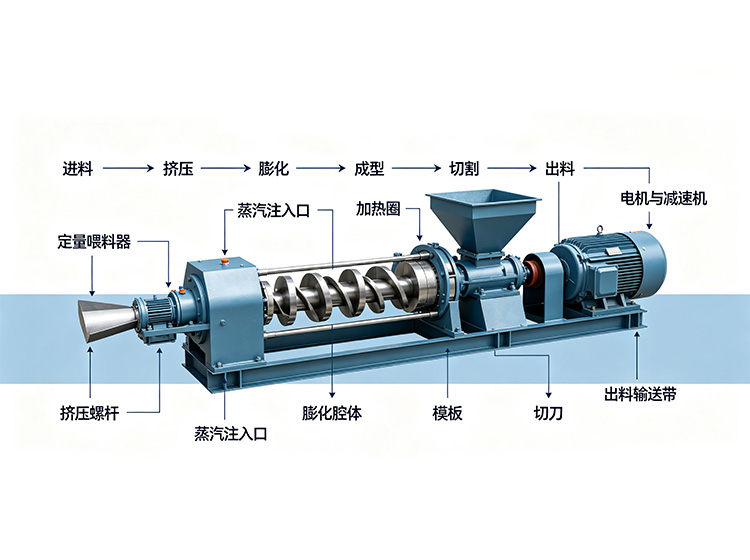
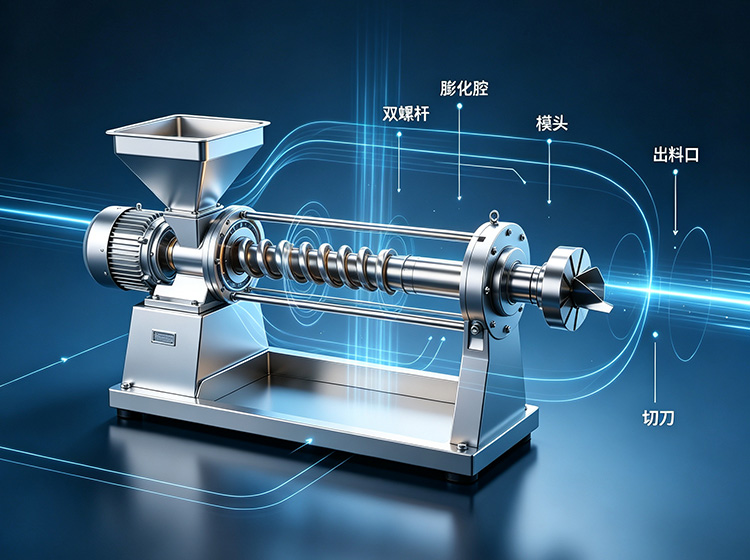
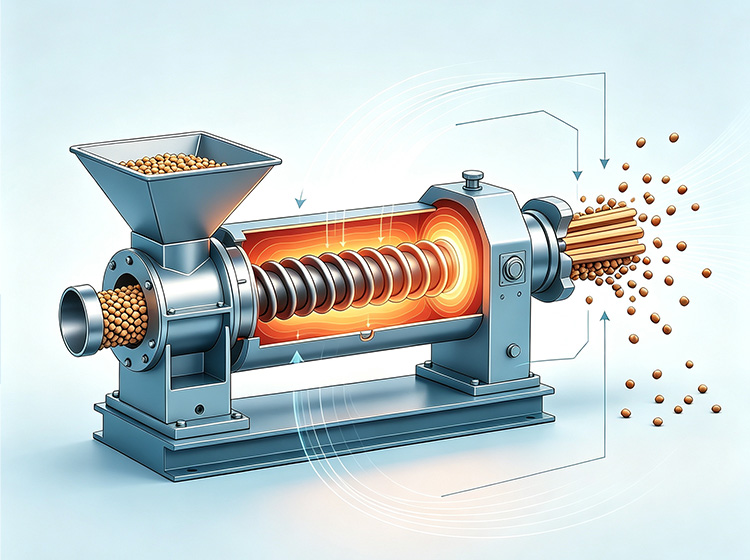
Twin-screw main unit: expands the conveyed raw materials to alter the internal structure of food products, followed by extrusion and shaping via an extrusion expander.

Blower: Conveys the produced product to the oven.

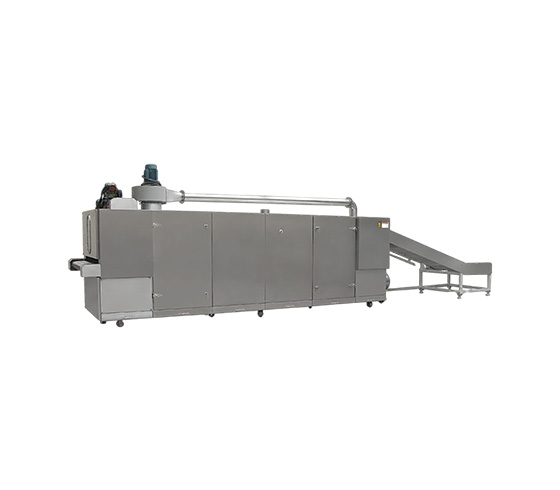
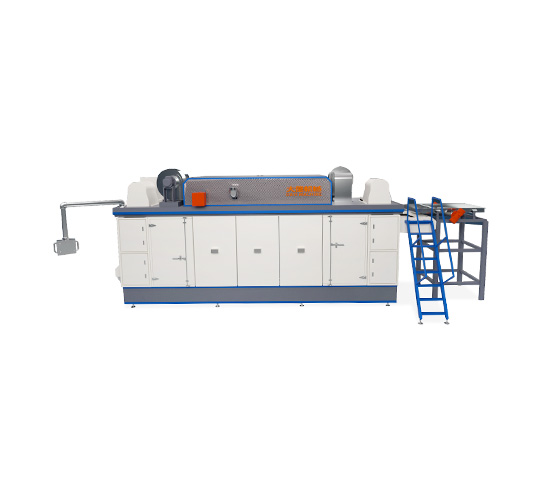
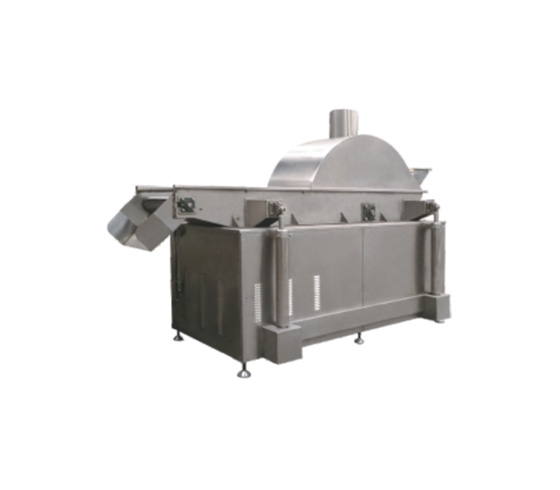
Five-layer fuel-fired oven: Bakes products to reduce internal moisture, resulting in a crispy texture and improved storability.

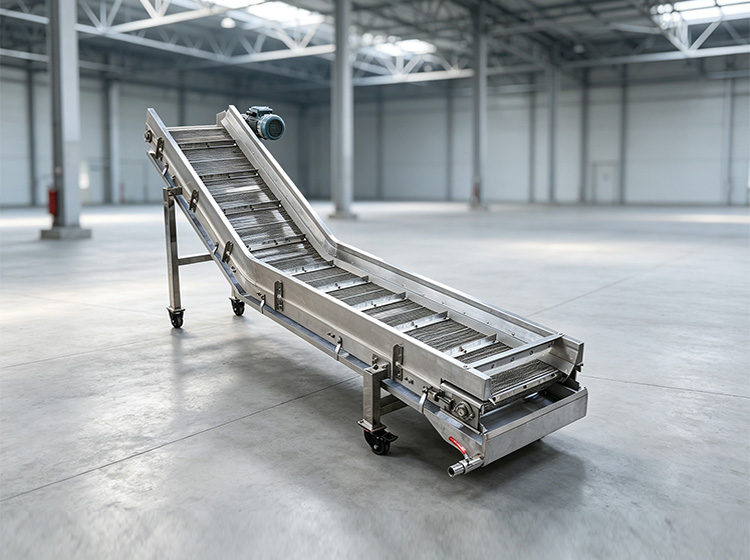
Large Elevator: Transfers baked products to the seasoning equipment.

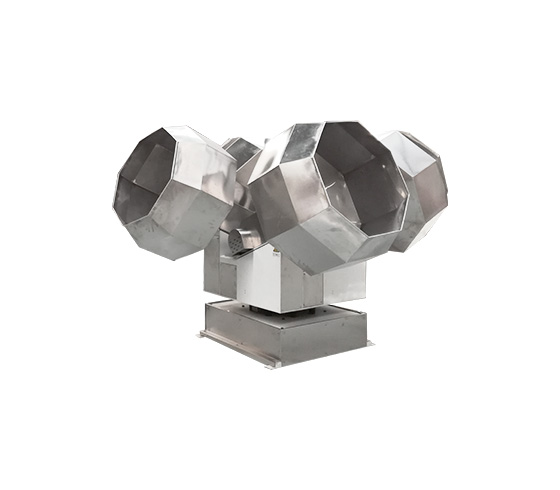
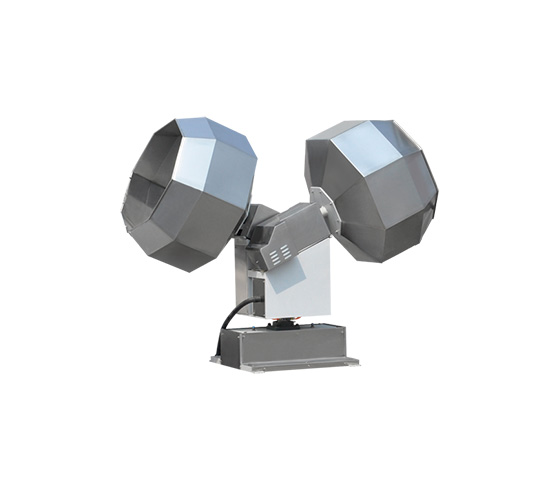
Coating Line: Seasoning of baked products; adjustable according to requirements to produce multiple flavors.

Pet Food Production Line Configuration Parameters:

Model: SLG65-CJ; Installed Capacity: 79 kW; Power Consumption: 41 kW; Production Capacity: 100–150 kg/h; Dimensions: 2550×1200×2000 mm

Model: SLG75-A; Installed Capacity: 74 kW; Power Consumption: 89 kW; Production Capacity: 200–350 kg/h; Dimensions: 2660×2100×3070 mm

What conditions should be considered during implementation or selection?

First, the product type, raw material condition, formulation direction, and expected finished product requirements must be clearly defined. For projects involving extrusion, forming, drying, frying, conveying, flavoring, or packaging, the processing capacity and cycle time of each stage must be matched to avoid inconsistencies between the capacity of individual equipment and the overall line requirements.

Next, the installation plan should be evaluated in conjunction with workshop space, power supply, water supply, steam or gas utility conditions. Equipment configuration should also consider long-term usage factors such as cleaning, maintenance, safety protection, spare parts availability, and operator training. Where process or equipment capabilities are mentioned in this document, they serve only as reference for preliminary discussion and initial assessment; specific model numbers, power ratings, production capacities, temperatures, and time parameters shall be determined based on the formal technical proposal and confirmed through machine testing or on-site verification.

FAQ

Can the equipment be determined directly based on the standard configuration?

Not recommended. Different raw materials, product structures, target production capacities, and downstream processes affect equipment configuration. It is more reliable to first confirm the product and process conditions, then conduct a configuration assessment.

How can I obtain more targeted advice?

We recommend preparing product images or sample information, raw material and formulation details, target production capacity, existing workshop conditions, and planned downstream equipment configuration. DAYI Machinery can then further discuss the applicable process route and equipment configuration range.

This article is compiled based on the “Pet Food Production Line Introduction” document provided by Dayi Machinery, aiming to help readers understand the relevant subject matter; for technical requirements concerning specific projects, the actual product documentation and engineering confirmation results shall prevail.